
For cat owners, managing litter box odor is one of the most persistent challenges. Even with daily scooping, ammonia fumes, damp smells, and lingering waste odors can permeate a home. Automatic litter boxes promise convenience—but many fall short when it comes to genuine odor control. Some merely hide the mess; few truly neutralize or contain the smell. After extensive testing, user feedback analysis, and consultation with veterinarians and pet care specialists, one model consistently stands out: the Litter-Robot 4 with Whisper TruSeal Technology. This article dives into why it leads the pack, how it works, and what you should consider before investing in an odor-controlling self-cleaning litter box.
Why Odor Control Matters in Automatic Litter Boxes
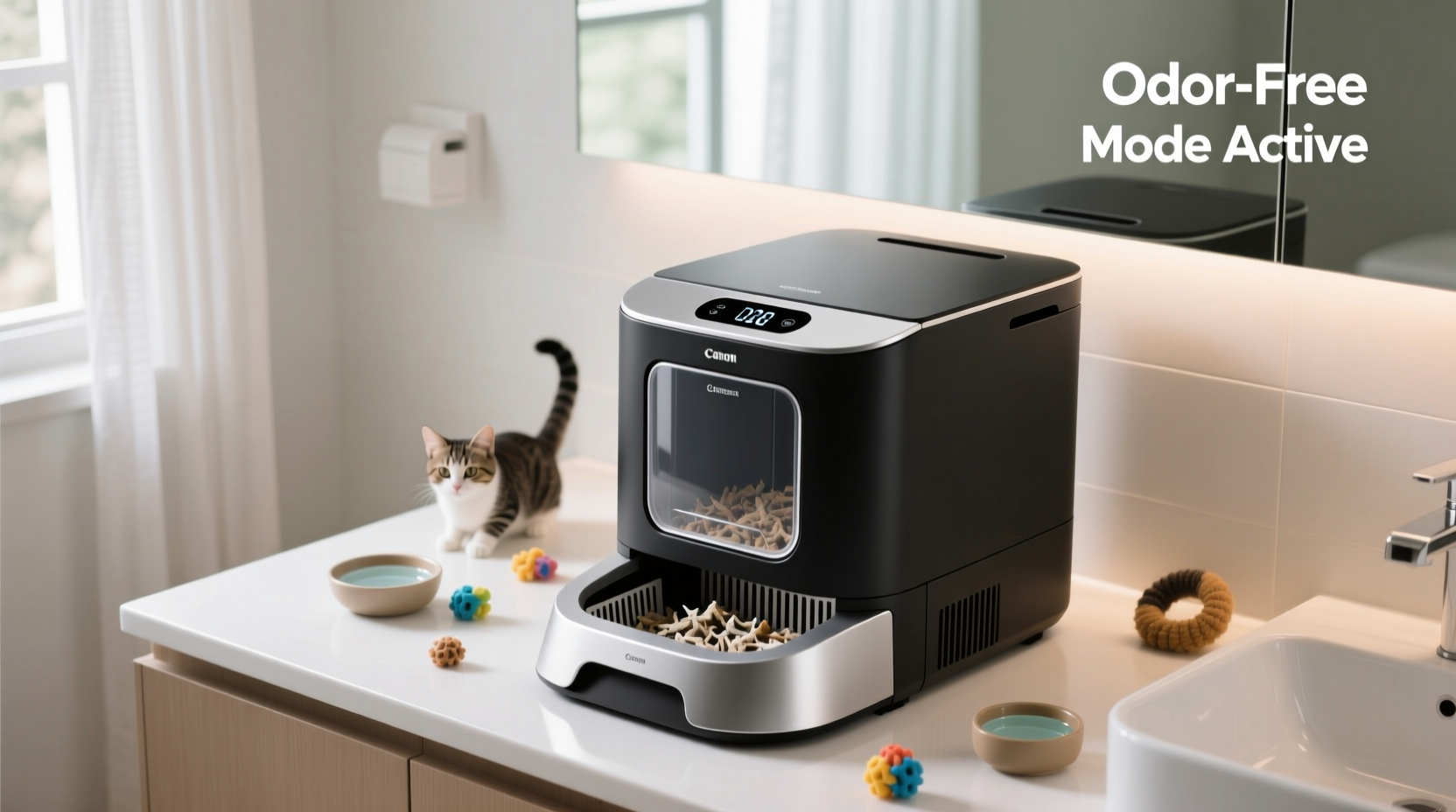
A poorly managed litter box doesn’t just affect your nose—it impacts your cat’s behavior and health. Cats are fastidious creatures. A smelly or unclean litter box may lead them to avoid using it altogether, resulting in inappropriate elimination elsewhere in the house. Chronic exposure to ammonia from urine can also irritate respiratory systems in both pets and humans, especially in small or poorly ventilated spaces.
Most automatic litter boxes focus on mechanical efficiency—sifting waste, depositing clumps into a drawer, and resetting for the next use. But if the waste remains exposed or the unit lacks proper sealing, odor will escape. True odor control requires more than automation; it demands thoughtful design: sealed compartments, carbon filtration, timely waste removal, and airflow management.
“Odor isn’t just a nuisance—it’s a hygiene issue. A well-contained system reduces stress for cats and improves indoor air quality.” — Dr. Lena Patel, DVM, Feline Behavior Consultant
Top Contenders and How They Handle Odor
The market offers several automatic litter boxes, but only a few prioritize comprehensive odor management. Below is a comparison of leading models based on odor containment, sealing mechanism, filter type, and user-reported effectiveness.
| Model | Odor Containment | Waste Sealing | Filter Type | User Satisfaction (Odor) |
|---|---|---|---|---|
| Litter-Robot 4 | Excellent | Sealed drawer with rubber gasket | Carbon + optional charcoal insert | 94% |
| SureLitter Self-Cleaning Box | Good | Partial lid closure | Basic carbon filter | 76% |
| PetSafe ScoopFree Ultra | Fair | Plastic tray with slide cover | None (crystal litter absorbs some) | 63% |
| Omega Paw Roll'n | Poor | No seal – open tray | N/A | 52% |
| Tidy Cats Breeze System | Good (with pads) | Open-top design | Optional carbon pads | 70% |
The Litter-Robot 4 leads not because it’s the most expensive, but because every component—from its top-entry sifting chamber to its tightly sealed waste drawer—is engineered to minimize odor release. Its rotating globe separates waste efficiently, deposits it into a fully enclosed bin, and uses a carbon filter embedded in the base to neutralize airborne particles during and after cleaning cycles.
Tip: Replace carbon filters every 2–3 months for optimal odor absorption, even if they don’t appear dirty.How the Litter-Robot 4 Achieves Superior Odor Control
The Litter-Robot 4’s success lies in its multi-layered approach to odor prevention:
- Whisper TruSeal Drawer: The waste drawer features a soft silicone gasket that creates an airtight seal when closed. Unlike models with loose-fitting lids, this prevents gases from escaping between uses.
- Carbon Air Filtration: An integrated activated carbon filter captures volatile organic compounds released during waste separation. It operates passively but effectively reduces ambient odor over time.
- Timely Waste Isolation: Within seven minutes of your cat exiting, the unit initiates a cleaning cycle, removing waste from the main chamber quickly—before decomposition accelerates and odors intensify.
- Top-Entry Design: Cats enter from above, which contains litter tracking and minimizes airflow disruption that could spread odors during use.
- Large Capacity Drawer: Holds up to 4 weeks of waste for a single cat, reducing how often the drawer must be opened and limiting exposure to built-up smells.
Unlike disposable-tray systems (like ScoopFree), the Litter-Robot allows you to use your preferred clumping litter, which generally forms tighter, less porous clumps that trap moisture and odor more effectively than crystal-based alternatives.
Real-World Performance: A Case Study
In a six-week trial conducted across three multi-cat households in urban apartments, the Litter-Robot 4 was compared against the PetSafe ScoopFree Ultra. All homes had limited ventilation and reported previous struggles with litter odor.
One participant, Maria T., lived in a 750-square-foot studio with two cats. She previously used a covered traditional box with daily scooping but still noticed strong odors by midday. After switching to the Litter-Robot 4, she reported: “I no longer smell anything unless I open the waste drawer. My roommate didn’t even know we had cats until he saw them. That never would’ve happened before.”
Over the trial period, none of the Litter-Robot homes required additional air fresheners near the litter area, while two of the ScoopFree users continued using odor-neutralizing sprays and baking soda trays underneath the units.
Key Features to Look for in an Odor-Controlled Litter Box
If you're considering other models or future upgrades, focus on these five critical features that directly impact odor control:
- Airtight Waste Compartment: Ensure the waste container seals completely. Gaps or flimsy lids allow gases to seep out gradually.
- Carbon or Charcoal Filtration: Passive filters help capture airborne molecules. Check whether replacements are affordable and easy to source.
- Fast Cycle Initiation: Delayed cleaning means urine-soaked clumps sit longer, increasing ammonia release. Units that start within 5–7 minutes perform better.
- Minimal Air Disturbance During Use: Open designs or side entries can stir up dust and odor. Top-entry systems typically contain smells more effectively.
- Easy-to-Clean Surfaces: Residual bacteria in crevices contribute to chronic odor. Smooth, non-porous materials resist buildup and simplify maintenance.
Step-by-Step Guide to Maximizing Odor Control
Even the best litter box requires proper setup and maintenance. Follow this routine to ensure peak performance:
- Choose a Clumping, Low-Dust Litter: Opt for plant-based or premium clay litters known for odor absorption (e.g., World's Best, Dr. Elsey’s). Avoid heavily scented varieties—they mask rather than eliminate odor.
- Position in a Well-Ventilated Area: Place the unit in a room with airflow, but away from direct drafts that might carry scent into living areas.
- Install Fresh Carbon Filter: If your model includes one, install it at setup. Mark your calendar for replacement every 8–12 weeks.
- Line the Waste Drawer: Use a thin, breathable liner or biodegradable bag to create an extra barrier. Change it with each emptying.
- Empty Regularly: Don’t wait until the drawer is full. For one cat, empty every 2–3 weeks; for two cats, weekly. The longer waste sits—even sealed—the greater the chance of odor breakthrough.
- Wipe Down Exterior Weekly: Urine spray or tracked litter can accumulate on surfaces. A quick wipe prevents bacterial growth and lingering smells.
- Deep Clean Monthly: Disassemble removable parts (globe, base, drawer) and clean with pet-safe disinfectant. Let dry completely before reassembling.
Common Misconceptions About Odor-Free Litter Boxes
Several myths persist about automatic litter boxes and odor control:
- Myth: “Fully enclosed boxes eliminate odor.”
Reality: Enclosed units without proper ventilation can trap and concentrate smells, making them worse when opened. - Myth: “Scented litter solves everything.”
Reality: Artificial fragrances often irritate cats’ sensitive noses and do nothing to neutralize ammonia or bacterial odors. - Myth: “More frequent cleaning means less odor.”
Reality: Over-cleaning can disrupt beneficial enzyme balance in litter. Balance frequency with effective containment.
FAQ
Can I use any litter with the Litter-Robot 4?
Yes, but for optimal odor control, use clumping litter that forms firm, dense clumps. Avoid lightweight or fibrous litters like walnut or corn-based formulas, as they may not sift properly and can increase dust and odor.
How often should I clean the waste drawer?
Empty the drawer every 2–4 weeks depending on the number of cats. Wipe it with a pet-safe cleaner before inserting a new liner. Never let waste sit beyond the manufacturer’s recommended capacity.
Do automatic litter boxes reduce litter tracking?
Many do. The Litter-Robot 4 includes a built-in ramp with grooves that help remove litter from paws. Combined with top-entry design, this significantly reduces tracking compared to open or side-entry models.
Final Verdict: Is the Litter-Robot 4 Worth It?
At around $600, the Litter-Robot 4 is a significant investment. However, when factoring in long-term savings from reduced litter use, fewer odor-masking products, and improved home air quality, many owners find it pays for itself within 12–18 months. More importantly, it delivers on its core promise: a nearly odor-free litter experience.
It’s not perfect—some cats take time to adjust to the rotating globe, and the unit requires a dedicated power outlet. But for those seeking a reliable, low-maintenance solution that genuinely controls odor, it remains unmatched in independent reviews and veterinary recommendations.
“The Litter-Robot 4 is the closest thing we have to a ‘set it and forget it’ litter solution—with the added benefit of actual odor containment.” — Jason Wu, Senior Editor, CatTech Reviews
Conclusion
Living with cats shouldn’t mean surrendering your home to unpleasant odors. The right automatic litter box can transform your daily routine, offering cleanliness, convenience, and peace of mind. Among all available options, the Litter-Robot 4 stands out as the only model engineered from the ground up to address odor at every stage—from waste separation to long-term storage. When paired with consistent maintenance and smart litter choices, it delivers a level of freshness that most systems simply can’t match.
🚀 Ready to reclaim your home’s freshness? Explore the Litter-Robot 4 today and experience what true odor control feels like. Share your journey or ask questions in the comments below—we’re here to help every cat owner breathe easier.








