For new parents, preparing for life on the go with an infant often starts with one essential question: what kind of bag do I actually need? The market is flooded with options—diaper bags, baby travel bags, backpacks, totes, and multi-functional carryalls. While traditional diaper bags have long been considered a must-have, modern alternatives like baby travel bags are gaining traction. But is a dedicated diaper bag still worth it, or can a versatile travel bag handle the job just as well?
The answer depends on your lifestyle, frequency of travel, and how much organization you truly need. Understanding the differences—and overlaps—between these two types of bags can help you make a smarter, more practical decision without overspending or overpacking.
Understanding the Diaper Bag: Purpose and Design
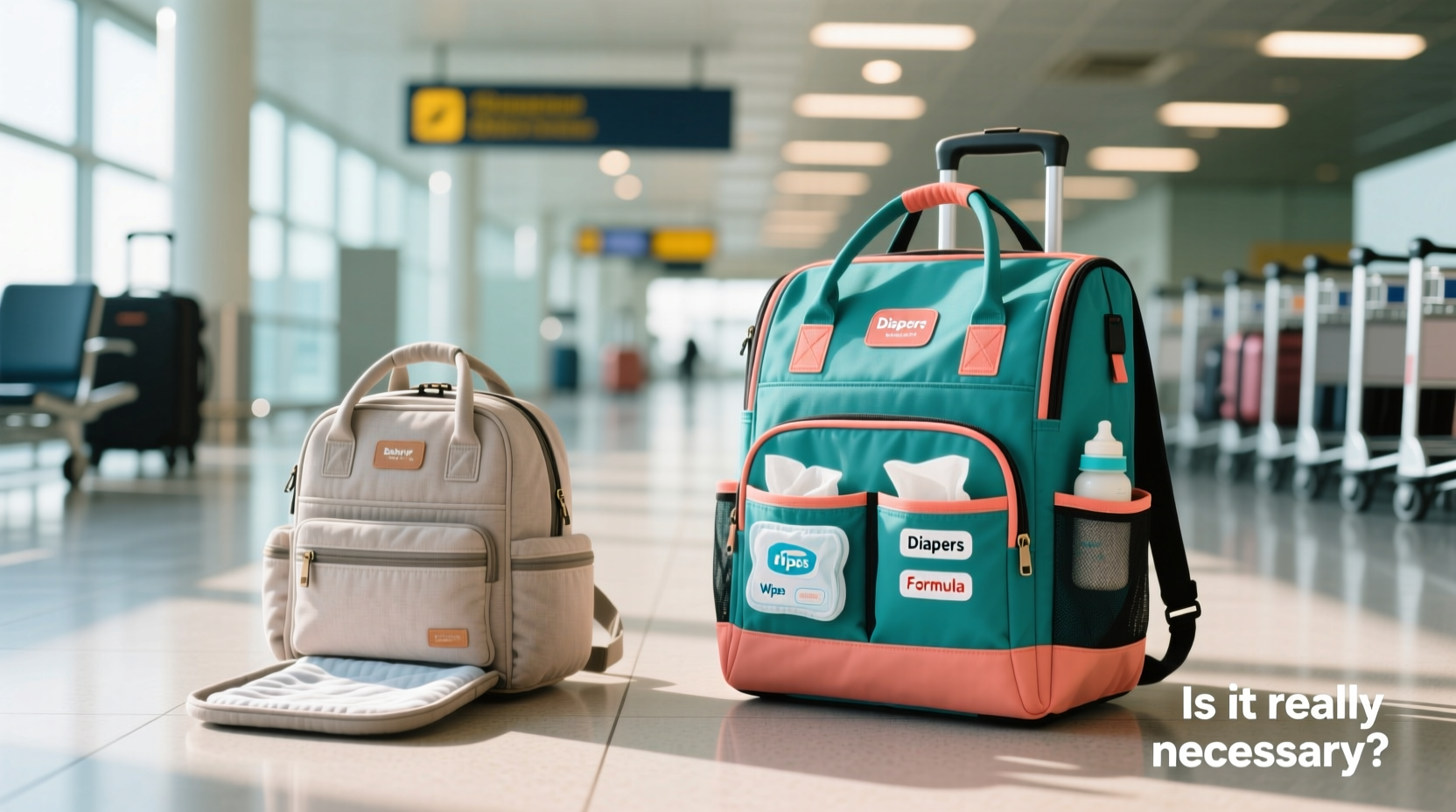
A diaper bag is designed specifically for caregivers managing infants during daily outings. Its primary function is to carry diapers, wipes, bottles, snacks, changes of clothes, and other baby essentials in an organized, accessible way. Most models feature multiple compartments, insulated bottle pockets, wipe dispensers, and stroller straps for convenience.
Traditional diaper bags come in various styles—backpacks, totes, duffels, and messenger bags—each catering to different carrying preferences. Many also include changing pads, allowing parents to change diapers anywhere, anytime.
Tip: Look for waterproof lining and easy-to-clean materials—accidents happen, and quick cleanup saves time and stress.Brands like Skip Hop, JuJuBe, and Petunia Pickle Bottom dominate the space, offering high-functionality designs that prioritize utility. However, they often come with a trade-off: bulkiness and a distinctly “parental” aesthetic that some find unappealing.
Baby Travel Bags: Function Meets Flexibility
Baby travel bags, by contrast, are designed not just for diaper duty but for extended trips, weekend getaways, or even as everyday carryalls. These bags blur the line between baby gear and adult luggage. They’re typically larger, more durable, and styled to resemble fashionable travel accessories rather than overtly “baby” products.
Many baby travel bags integrate features from both diaper and travel bags: compression straps, garment compartments, TSA-friendly laptop sleeves, and modular inserts. Some double as personal luggage under airline carry-on limits, making them ideal for flying families.
Parents who value minimalist design and multifunctionality often lean toward brands like Babymel, Egg Baby, or TravelKids, whose products transition seamlessly from park outings to airport terminals. The versatility is appealing—but does it replace the specialized efficiency of a true diaper bag?
Key Differences: Diaper Bag vs Baby Travel Bag
| Feature | Diaper Bag | Baby Travel Bag |
|---|---|---|
| Primary Use | Daily outings, short trips | Extended trips, travel, multi-day use |
| Capacity | Medium (15–25L) | Large (30–50L) |
| Organization | High (dedicated pockets for bottles, wipes, diapers) | Moderate to high (modular, customizable) |
| Portability | Lightweight, stroller-compatible | Bulkier, often lacks stroller clips |
| Style | Parent-focused, functional design | Fashion-forward, blends with adult luggage |
| Lifespan | 1–2 years (often retired post-infancy) | 2+ years (usable beyond baby stage) |
When a Diaper Bag Is Truly Necessary
Despite the rise of hybrid travel solutions, there are scenarios where a dedicated diaper bag remains the superior choice. Parents with newborns or infants on strict feeding and changing schedules benefit from immediate access to supplies. The compartmentalization reduces fumbling during stressful moments—like a crying baby in a crowded store.
“Having everything within reach in clearly labeled pockets made my first year of parenting significantly less overwhelming.” — Dr. Lena Torres, Pediatric Psychologist and Parenting Consultant
Additionally, if you're frequently using a stroller or walking through urban environments, the ability to clip a compact diaper bag directly onto the stroller frame adds unmatched convenience. Backpack-style diaper bags also distribute weight evenly, reducing strain during long walks.
For parents who spend most days at home or only take brief outings, a smaller, highly organized diaper bag may be all they ever need.
Real-Life Scenario: A Weekend Trip Compared
Consider Sarah, a working mom of a 9-month-old. On weekdays, she uses a sleek black diaper backpack for daycare drop-offs and grocery runs. It holds eight diapers, two packs of wipes, a small cooler pocket for bottles, and a spare onesie. It’s lightweight and fits neatly on her stroller.
But when she plans a two-night trip to visit family, that same bag falls short. She needs extra clothes, toys, medications, a portable monitor, and backup feeding supplies. Instead, she switches to her convertible baby travel duffel—a piece that doubles as her personal carry-on. It has removable organizers, a fold-out changing station, and a shoe compartment. Though heavier, it consolidates everything into one bag, eliminating the need for additional luggage.
This example illustrates that necessity isn’t universal—it’s situational. One bag excels in routine; the other in endurance.
Step-by-Step: Choosing the Right Bag for Your Needs
- Assess your typical outing duration. If most trips last under four hours, a diaper bag likely suffices.
- Evaluate your transportation method. Do you walk, use public transit, or drive? Stroller compatibility matters for walkers.
- Inventory your must-pack items. Count how many diapers, bottles, and outfits you realistically carry.
- Consider long-term usability. Will you resell it after babyhood, or repurpose it for gym or work?
- Test comfort and accessibility. Try loading a sample bag and wearing it for 30 minutes to gauge shoulder or back strain.
- Determine budget. High-end diaper bags range from $60–$150; travel bags can exceed $200. Decide if dual-purpose justifies cost.
FAQ: Common Questions Answered
Can I use a regular backpack instead of a diaper bag?
Yes, especially if you customize it with pouches and insulated sleeves. However, you’ll lack built-in features like wipe dispensers and changing pads. For frequent use, a purpose-built bag offers better efficiency.
Do baby travel bags fit under airplane seats?
Some do, but check dimensions. Standard under-seat clearance is around 18 x 14 x 8 inches. Many baby travel bags exceed this when fully packed. Opt for collapsible designs if air travel is common.
Are diaper bags worth the price?
They can be, if you value organization and durability. Lower-priced options may skimp on fabric quality or zippers. Investing in a mid-range bag ($70–$100) often balances cost and longevity.
Checklist: What to Look for in Any Baby-Carry Bag
- ✅ Multiple insulated bottle pockets
- ✅ Waterproof or wipeable interior lining
- ✅ Dedicated wipe dispenser or quick-access pocket
- ✅ Comfortable straps (padded, adjustable)
- ✅ External pockets for phone, keys, wallet
- ✅ Machine-washable or easy-to-clean fabric
- ✅ Stroller attachment points (if needed)
- ✅ Neutral or professional design (if used beyond parenting contexts)
Conclusion: Necessity Depends on Lifestyle
A specific diaper bag isn’t universally necessary—but it’s highly beneficial for certain routines. If your days involve frequent short trips, reliance on a stroller, or a preference for hyper-organized essentials, a dedicated diaper bag streamlines your life. It’s a tool optimized for infant care logistics.
On the other hand, if you travel often, value minimalist aesthetics, or want a bag that lasts beyond the diaper years, a well-designed baby travel bag offers superior versatility. It may require creative packing, but it eliminates the need for multiple bags over time.
The smartest approach? Own both—or choose one that bridges the gap. Many modern hybrids now offer the best of both worlds: compact enough for daily use, expandable for travel, and stylish enough to wear anywhere.
💬 What’s your go-to bag for baby outings? Share your experience—whether you swear by your diaper backpack or have switched to a travel-all—in the comments below. Your insight could help another parent make their next purchase with confidence.








