
Leaving your home for vacation brings a mix of excitement and responsibility—especially when pets are involved. One of the most pressing concerns for pet owners is ensuring their animals are fed properly in their absence. While hiring a pet sitter is ideal, many turn to automated solutions like automatic or gravity feeders as cost-effective alternatives. But how reliable are these devices when you’re gone for days or even weeks? This article dives deep into the mechanics, benefits, risks, and real-world performance of both automatic and gravity feeders during extended absences.
How Automatic Pet Feeders Work
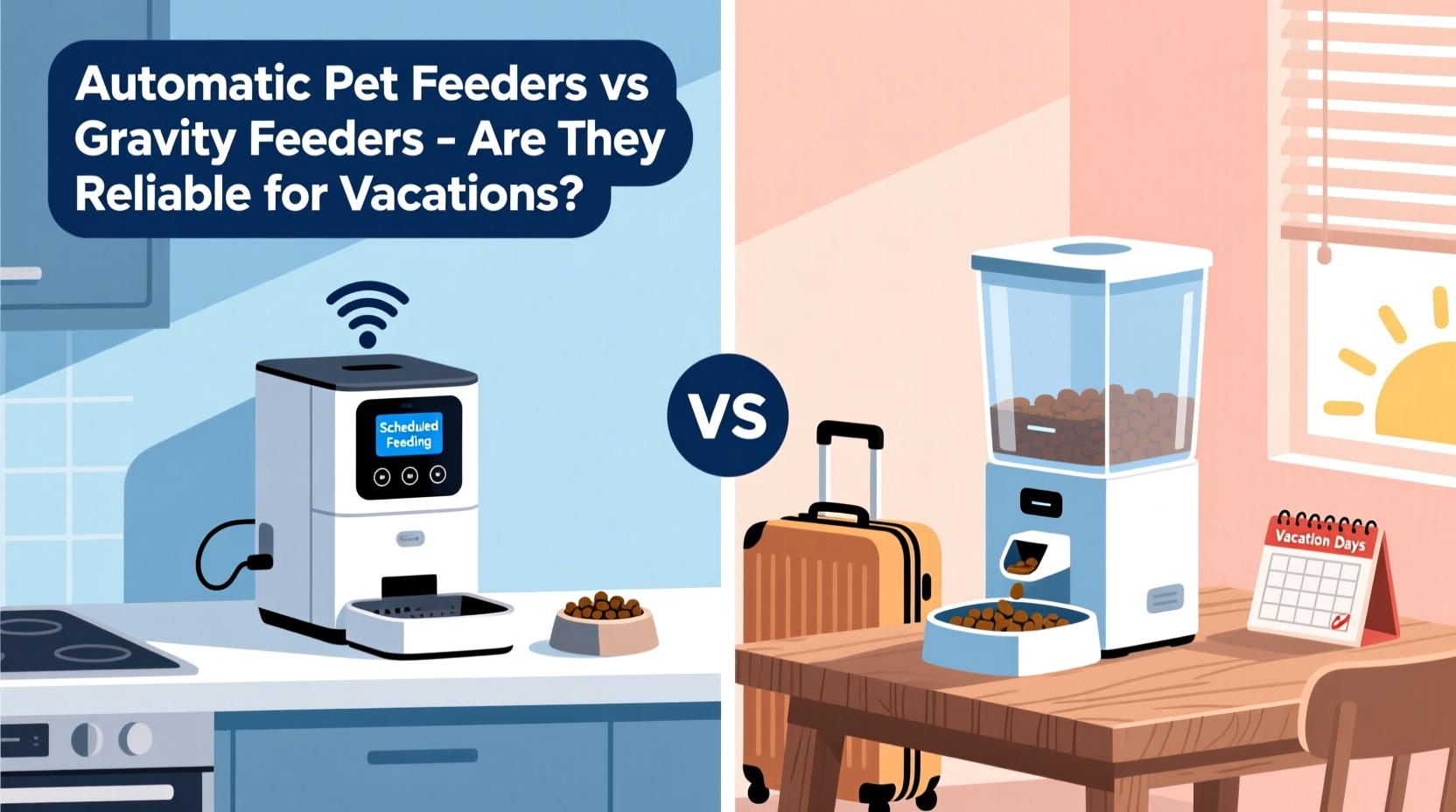
Automatic pet feeders are electronic devices designed to dispense food at scheduled intervals. Most models connect to power sources via plug-in adapters or batteries and use programmable timers to release measured portions. Some advanced units include Wi-Fi connectivity, allowing remote control through smartphone apps. These smart feeders often feature cameras, two-way audio, and meal history tracking, giving owners peace of mind while traveling.
Portion control is one of the key advantages. Owners can set precise amounts per feeding, helping prevent overeating—a common issue with free-feeding methods. Many models also have backup battery systems to maintain function during power outages, a crucial consideration for longer trips.
Tip: Always test your automatic feeder at home for at least 48 hours before relying on it during a trip.However, reliance on technology introduces potential failure points. Mechanical jams, software glitches, or connectivity issues can disrupt feeding schedules. If the device malfunctions without alerting the owner, pets may go unfed until someone checks in.
The Mechanics of Gravity Feeders
Gravity feeders operate on a simple physical principle: as food is eaten from the bowl, more flows down from a storage bin above due to gravitational pull. These feeders require no electricity, moving parts, or programming. They are typically constructed from plastic or stainless steel and come in various sizes, some capable of holding up to 15 pounds of dry kibble.
Their simplicity makes them highly dependable under normal conditions. There's no risk of software crashes or battery drain. As long as the kibble flows freely and the outlet isn’t blocked, the pet has continuous access to food.
But this constant availability raises significant concerns. Without portion regulation, pets prone to overeating may consume too much in a short time, leading to obesity or acute health issues like bloat—especially in large-breed dogs. Additionally, once the bin is empty, there’s no mechanism to signal that refilling is needed, making them risky for multi-day unattended use.
“While gravity feeders are mechanically sound, they don't account for behavioral or medical needs. A diabetic cat, for example, requires timed meals—not all-day access.” — Dr. Lena Torres, DVM, Small Animal Nutrition Specialist
Comparative Analysis: Reliability During Vacations
When evaluating reliability for vacation use, several factors must be weighed: consistency, safety, maintenance, and emergency preparedness. Below is a detailed comparison between automatic and gravity feeders across critical categories.
| Feature | Automatic Feeder | Gravity Feeder |
|---|---|---|
| Power Dependency | Yes (battery or outlet) | No |
| Portion Control | Precise scheduling and measurement | None – free-feeding only |
| Overeating Risk | Low (if programmed correctly) | High, especially in food-motivated pets |
| Jamming/Malfunction Risk | Moderate (mechanical or software issues) | Low (only if kibble clumps or blocks chute) |
| Remote Monitoring | Available in Wi-Fi models | Not possible |
| Lifespan Without Intervention | 3–7 days (limited by capacity and power) | Up to 14+ days (larger bins) |
| Suitability for Medical Diets | High (timed dosing supports medication routines) | Very low |
From this analysis, automatic feeders offer superior control and monitoring but depend on functional electronics. Gravity feeders provide uninterrupted access but lack dietary discipline. For vacations lasting more than three days, neither option is foolproof without additional safeguards.
Real-World Scenario: Two Weeks in Europe
Consider Sarah, a dog owner planning a two-week trip to Portugal. Her 45-pound Labrador, Max, is healthy but enthusiastic about food. She opts for a mid-range automatic feeder with app alerts and a 5-pound kibble capacity. Confident in her choice, she programs four meals per day and leaves extra food in a sealed container nearby in case of malfunction.
On day six, the feeder fails to dispense breakfast. The app doesn’t send an alert because her home Wi-Fi briefly dropped during a storm. Fortunately, Sarah had arranged for a neighbor to check in every five days. During the visit on day seven, the neighbor notices Max hasn’t been fed and manually provides a meal, then resets the feeder. The trip ends safely—but narrowly avoided disaster.
In contrast, her friend Mark uses a large-capacity gravity feeder for his two cats. He fills it with 12 pounds of kibble before leaving for ten days. The cats regulate well and finish just as he returns. No intervention was needed. However, had one cat developed a urinary blockage—a condition worsened by dehydration and inconsistent eating—the lack of meal tracking might have delayed detection.
This illustrates a core truth: success depends not just on the device, but on the pet’s temperament, health, and external support systems.
Step-by-Step Guide: Preparing a Feeder for Vacation Use
Whether using an automatic or gravity model, preparation is essential. Follow this timeline to ensure reliability:
- Two Weeks Before Departure: Purchase and install the feeder. Test it daily with your pet’s regular food to observe flow, portion accuracy, and behavior response.
- One Week Before: Simulate your absence by setting the schedule and leaving the house for 24 hours. Check logs (for automatic models) or remaining food levels (for gravity) upon return.
- Three Days Before: Clean the feeder thoroughly. Dry kibble can degrade over time, especially in humid climates. Ensure no moisture is present.
- Day of Departure: Fill the feeder, double-check settings, and place extra sealed food nearby in case of mechanical failure.
- During Trip: Monitor remotely if possible. Set daily reminders to check app notifications or call a trusted contact to verify feeding.
- Emergency Plan: Provide a spare key and instructions to a neighbor or pet-friendly friend who can intervene if needed.
Checklist: Is Your Feeder Ready for Vacation?
- ✅ Tested with your pet’s specific kibble (some shapes jam more easily)
- ✅ Power source secured (outlet access or fresh backup batteries)
- ✅ Scheduled feedings confirmed (for automatic models)
- ✅ Extra food stored nearby in airtight container
- ✅ Neighbor or friend informed with access instructions
- ✅ Emergency contact list posted near the feeder
- ✅ Wi-Fi connection stable (if applicable)
- ✅ Feeder cleaned and free of old residue
Frequently Asked Questions
Can I leave my cat alone for a week with a gravity feeder?
It’s possible, but not recommended without precautions. Cats need fresh water and litter box maintenance. A gravity feeder ensures food access, but health issues like urinary tract infections can escalate quickly if unnoticed. Combine the feeder with a self-cleaning litter box and daily check-ins for safety.
Do automatic feeders work with wet food?
Most standard automatic feeders are designed for dry kibble only. Wet food spoils quickly and can clog mechanisms. Specialized models exist for refrigerated or single-serve wet food dispensing, but they require power, cooling, and stricter hygiene protocols. These are generally not advised for unattended multi-day use.
What happens if the gravity feeder gets clogged?
If kibble becomes moist or clumped, it may block the chute. This is more likely in humid environments. To reduce risk, use fresher batches of food, avoid storing the filled feeder long-term, and choose models with wide dispensing openings. Regular cleaning prevents buildup that contributes to jams.
Final Verdict: Which Is More Reliable?
Neither automatic nor gravity feeders are universally reliable for vacation use—they each serve different needs. Automatic feeders excel when portion control, timing, and monitoring matter. They’re ideal for pets with medical conditions, strict diets, or owners who want real-time updates. However, their dependency on power and software means they carry inherent technical risks.
Gravity feeders win in durability and independence. With no electronics to fail, they offer consistent access over longer durations. But their inability to limit intake makes them unsuitable for pets that overeat or require structured feeding schedules.
The safest approach combines technology with human oversight. Even the most advanced automatic feeder should be backed by a neighbor check-in every 2–3 days. For extended trips beyond five days, professional pet boarding or daily visits remain the gold standard.
“No feeder replaces attentive care. Technology supports pet ownership—it doesn’t substitute for it.” — James Reed, Certified Pet Care Provider, American Boarding Kennel Association
Conclusion: Make an Informed Choice
Choosing between an automatic and gravity feeder for vacation use isn’t about finding a perfect solution—it’s about minimizing risk while balancing convenience and pet health. Understand your pet’s eating habits, health status, and environment before deciding. Test any device thoroughly, prepare backups, and never rely solely on automation for trips longer than a weekend.
With careful planning, either feeder can play a role in responsible pet care. But the most reliable system always includes a human element. Whether it’s a trusted friend, a scheduled visit, or a monitored smart device, your pet’s well-being depends on thoughtful preparation—not just the machine that feeds them.
🚀 Ready to travel with confidence? Evaluate your pet’s needs, test your chosen feeder, and set up a check-in plan today. Share your experience in the comments to help fellow pet owners make smarter choices.








