For pet owners juggling work, travel, or unpredictable schedules, feeding time can become a daily challenge. The rise of automatic pet feeders has promised a solution: precise, scheduled meals without human intervention. But how do these high-tech devices stack up against the humble pet bowl? While the convenience factor is undeniable, many pet parents wonder if timed feeders live up to the marketing claims—or if they’re just another gadget that complicates simple routines.
This article breaks down the real benefits and drawbacks of automatic feeders versus traditional bowls, backed by practical insights, expert opinions, and real-life scenarios. Whether you're considering your first smart feeder or questioning if yours is doing more harm than good, this guide delivers clarity on what truly matters for your pet's health and happiness.
The Basics: How Timed Feeders Work
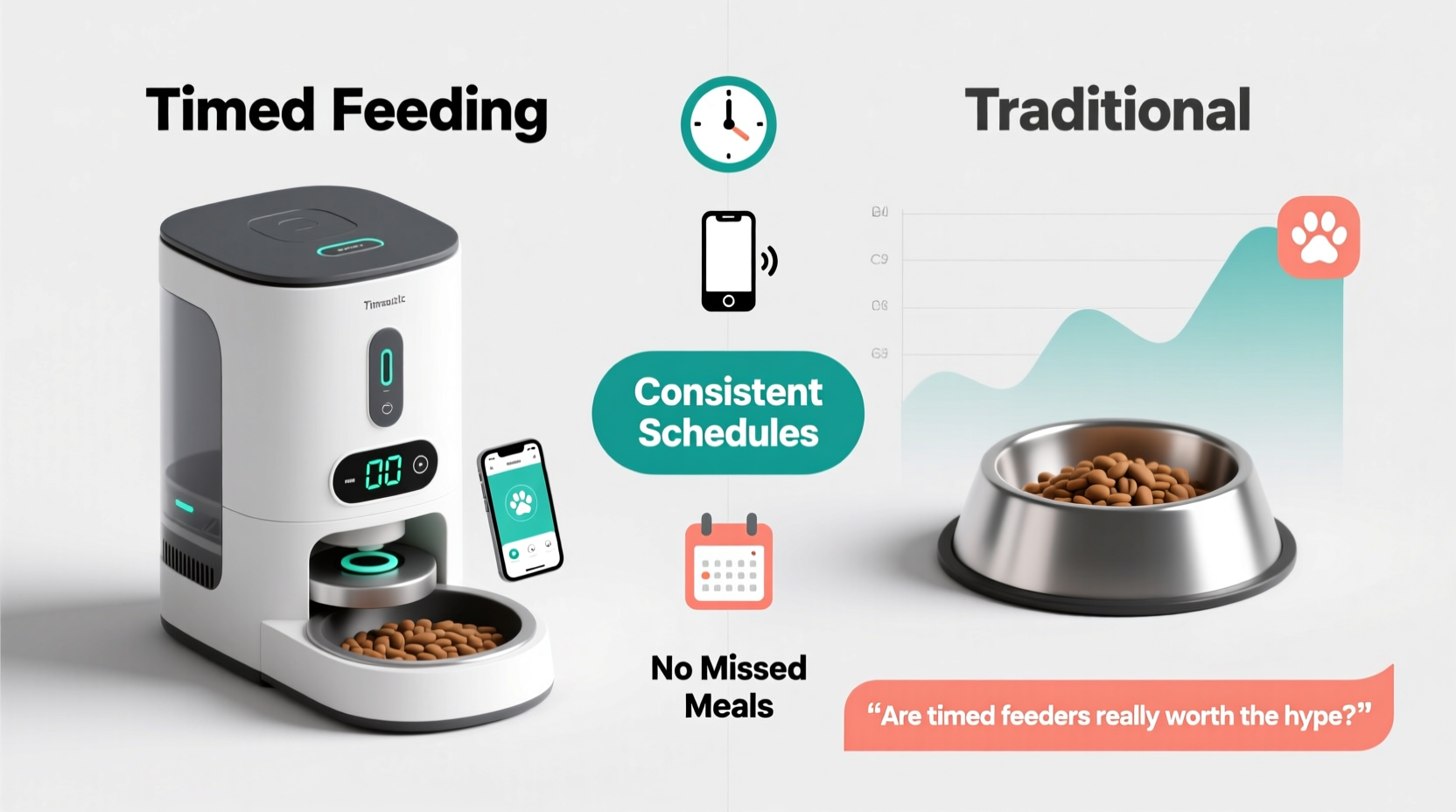
Automatic pet feeders operate using programmable timers, portion control mechanisms, and sometimes Wi-Fi connectivity. Most models allow users to set specific meal times, dispense pre-measured food portions, and in advanced versions, monitor activity remotely via smartphone apps. Some even include cameras, voice recording features, or motion alerts to enhance interaction.
These devices typically use rotating trays, gravity-fed hoppers, or motorized dispensers to release dry kibble or semi-moist food at scheduled intervals. Battery backup systems ensure operation during power outages, while locking lids help prevent pets from accessing food between meals.
Despite their technical sophistication, automatic feeders are designed with one goal: consistency. For pets on strict diets, those requiring calorie-controlled portions, or owners who frequently miss mealtimes, automation promises peace of mind.
Tip: Always test your automatic feeder with a small amount of food before relying on it full-time—this helps catch mechanical issues early.Traditional Bowls: Simplicity With Hidden Risks
The standard pet bowl remains the most common feeding method worldwide. It’s low-cost, easy to clean, and requires no setup. However, its simplicity comes with trade-offs. Free-feeding—leaving food out all day—can lead to overeating, obesity, and irregular digestion, especially in dogs and cats prone to grazing.
Without portion control, pets may consume too much too quickly, increasing risks of bloat, gastrointestinal discomfort, or food spoilage (particularly with wet food). Additionally, households with multiple pets often struggle with food guarding or competitive eating when using shared bowls.
On the other hand, manual feeding allows direct interaction between owner and pet, reinforcing bonding and enabling immediate observation of appetite changes—a key early indicator of illness.
“Routine feeding isn’t just about nutrition—it’s behavioral enrichment. Pets thrive on predictability, and consistent mealtimes support both physical and mental well-being.” — Dr. Lena Torres, Veterinary Behaviorist
Comparative Breakdown: Feeder vs Bowl
| Feature | Automatic Feeder | Traditional Bowl |
|---|---|---|
| Portion Control | High – Precise dispensing per schedule | Low – Dependent on owner discipline |
| Schedule Consistency | Excellent – Even when owner is absent | Poor – Relies on human availability |
| Cost | $$$ – $30 to $200+ depending on features | $ – Under $20 for quality options |
| Maintenance | Moderate – Requires cleaning, battery checks, software updates | Low – Simple wash after each use |
| Suitability for Wet Food | Limited – Most models only handle dry food | Full – Compatible with all food types |
| Pet Interaction | Reduced – Meals occur without owner presence | High – Opportunity for bonding during feeding |
When Automatic Feeders Shine: Real-World Scenarios
Consider Sarah, a nurse working rotating night shifts. Her cat, Milo, had developed erratic eating habits—skipping breakfast when she wasn't home, then overeating when she returned late. After introducing a Wi-Fi-enabled feeder programmed for two daily meals, Milo’s weight stabilized, vomiting episodes decreased, and his energy levels improved.
In another case, James, a frequent business traveler, uses a camera-equipped feeder to maintain routine while away. He schedules meals, watches Milo eat via live stream, and even records voice messages to comfort him. “It’s not the same as being there,” he says, “but it keeps things normal when I can’t be.”
These examples highlight where automatic feeders deliver tangible value: managing unpredictable schedules, supporting medical diets, and reducing stress during owner absence. However, success depends heavily on proper setup, pet temperament, and device reliability.
Key Considerations Before Buying a Timed Feeder
Not every pet or household benefits equally from automation. Here’s a checklist to help determine if a timed feeder makes sense for your situation:
- ✅ Do you have an inconsistent daily schedule?
- ✅ Is your pet on a controlled diet due to weight or health issues?
- ✅ Do you travel frequently or work long hours?
- ✅ Can your pet adapt to mechanical sounds or moving parts?
- ✅ Are you prepared to clean and maintain the device regularly?
- ❌ Does your pet eat wet food exclusively?
- ❌ Is your pet anxious, food-obsessed, or prone to chewing electronics?
If most answers are “yes” to the positives and “no” to the warnings, an automatic feeder could be a worthwhile investment.
Tip: Introduce the feeder gradually. Run it empty first so your pet gets used to the sound, then add small treats before transitioning to full meals.Common Pitfalls and How to Avoid Them
Even the best feeders fail when misused. Common problems include jammed mechanisms (especially with moistened kibble), power failures, incorrect portion calibration, and pets learning to trigger the device manually. In multi-pet homes, dominant animals may guard the feeder, preventing others from accessing meals.
To mitigate risks:
- Choose the right model: Look for wide hoppers, stainless steel components, and reliable customer reviews.
- Use dry, non-clumping food: Avoid soft, oily, or freeze-dried foods unless the manufacturer confirms compatibility.
- Test daily: Manually trigger the dispenser once a week to ensure functionality.
- Monitor behavior: Watch for signs of frustration, overeating, or disinterest after switching systems.
- Keep backups: Maintain a manual feeding routine on standby in case of malfunction.
Frequently Asked Questions
Can automatic feeders cause anxiety in pets?
Some pets, particularly those sensitive to noise or change, may initially feel stressed by the sound or movement of a feeder. Gradual introduction, positive reinforcement with treats, and choosing quieter models can ease the transition. If anxiety persists, reverting to manual feeding may be necessary.
Are smart feeders safe for long-term use?
Yes, provided they are well-maintained and used appropriately. Regular cleaning prevents mold and bacterial growth, especially in humid environments. Always follow manufacturer guidelines for food type and storage duration. Never rely solely on automation—check in daily, even remotely, to confirm proper operation.
Do vets recommend automatic feeders?
Many veterinarians endorse them for specific cases—such as diabetic pets needing exact meal timing or overweight animals on portion-controlled plans. However, they caution against over-reliance, emphasizing that technology should support, not replace, attentive pet ownership.
Final Verdict: Worth the Hype?
The truth is nuanced: automatic pet feeders aren’t universally essential, but they are transformative for certain lifestyles. They excel at delivering consistency, portion accuracy, and remote management—critical advantages for busy, traveling, or health-conscious pet owners. Yet they lack the emotional connection and flexibility of hands-on feeding.
For pets with dietary needs, irregular feeding patterns, or owners seeking structure, a quality timed feeder can improve health outcomes and reduce daily stress. But for households with predictable routines, single pets, or those feeding wet diets, a traditional bowl managed responsibly remains effective and economical.
The decision ultimately hinges not on technology, but on understanding your pet’s individual needs and your own capacity to provide care. When chosen wisely and used thoughtfully, automatic feeders are more than a gimmick—they’re a tool for better pet stewardship.
💬 Have experience with automatic feeders? Share your story or advice in the comments below—your insight could help another pet parent make the right choice.








