
Choosing the right litter box isn’t just about convenience for pet owners—it’s a critical decision that affects a cat’s comfort, hygiene, and behavior. With the rise of smart pet tech, automatic litter boxes have gained popularity for their hands-off cleaning promises. But do cats truly prefer them over traditional manual boxes? The answer isn’t as straightforward as marketing claims suggest. Cats are creatures of habit, sensitive to changes in scent, texture, sound, and space. To determine what feline companions actually favor, we need to look beyond human convenience and examine real-world behaviors, veterinary insights, and observational data.
Understanding Cat Behavior Around Litter Boxes
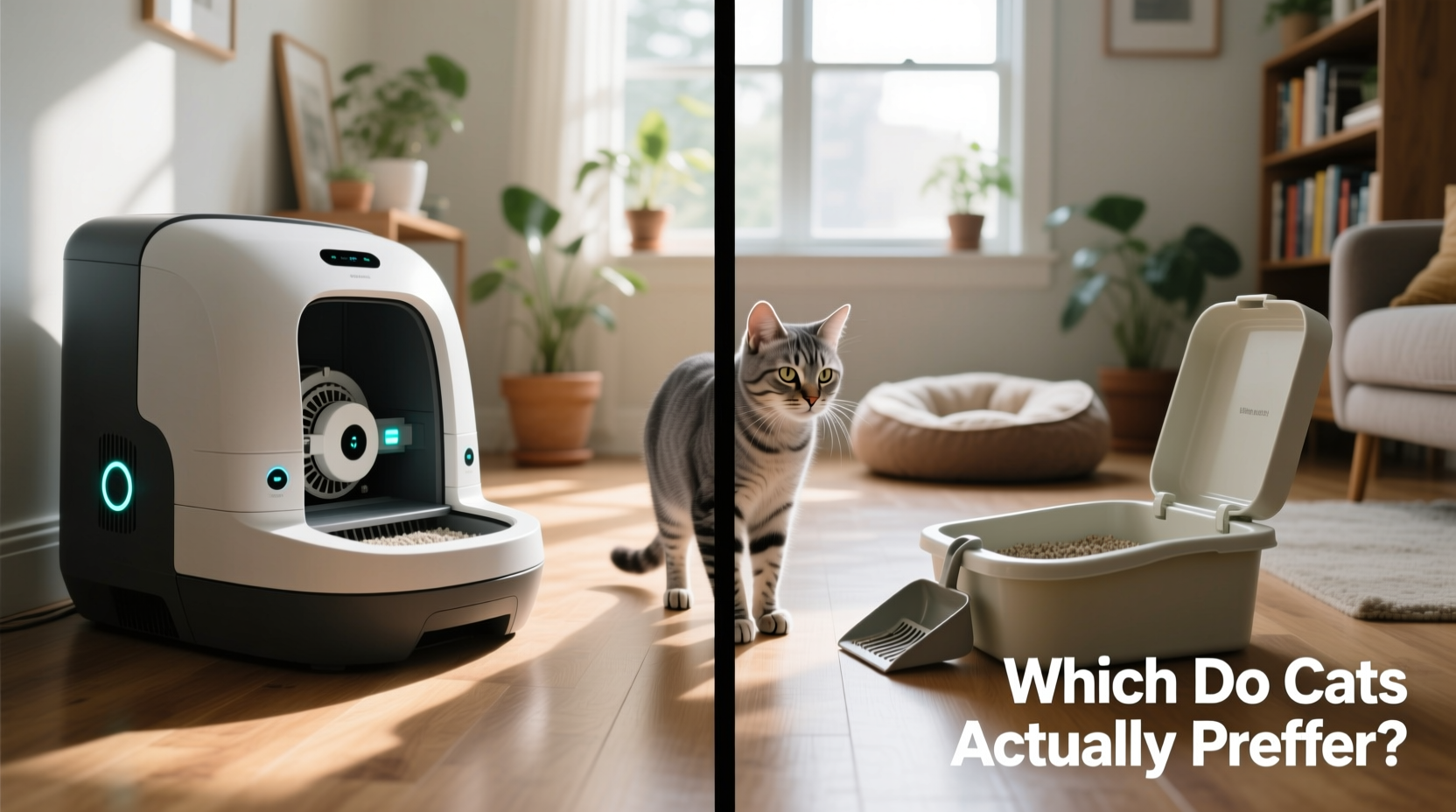
Cats are instinctively fastidious animals. In the wild, they bury their waste to avoid attracting predators, a behavior deeply embedded in their psychology. This natural inclination makes the litter box more than just a bathroom—it’s a sanctuary where safety, privacy, and cleanliness converge.
Stress from an unsuitable litter environment can lead to inappropriate elimination, one of the top reasons cats are surrendered to shelters. Factors influencing a cat’s acceptance of a litter box include:
- Size and accessibility: The box should allow full turning room and easy entry, especially for kittens, seniors, or disabled cats.
- Location: Quiet, low-traffic areas with escape routes (not dead-end corners) reduce anxiety.
- Cleanliness: Most cats refuse to use soiled boxes. Waste odor is a major deterrent.
- Litter type: Texture and scent matter—many cats dislike perfumed or dusty litters.
- Noise and movement: Sudden sounds or mechanical motion can startle even confident cats.
Automatic litter boxes introduce variables like motorized rakes, sensors, and waste compartments—all of which may interfere with a cat’s sense of security.
“Cats don’t just eliminate; they assess their environment every time they use the litter box. Any change in routine or sensation can affect their willingness to go.” — Dr. Lena Torres, Feline Behavior Specialist, American Association of Feline Practitioners
How Automatic Litter Boxes Work: Pros and Drawbacks
Automatic litter boxes use sensors and mechanical systems to detect when a cat has used the box, then initiate a cleaning cycle—typically involving sifting clumps from clean litter and depositing waste into a sealed compartment.
Popular models fall into two categories:
- Self-cleaning boxes: Use a rake or rotating mechanism after a delay (usually 7–15 minutes post-use).
- Smart boxes: Connect to apps, track usage, offer voice alerts, and some even separate urine from feces automatically.
Advantages for Owners
- Reduced daily scooping
- Better odor control due to enclosed waste bins
- Usage tracking helps monitor urinary health
- Some models minimize litter scatter
Potential Issues for Cats
- Noise sensitivity: The grinding or whirring of motors can scare cats, especially during or immediately after use.
- Timing errors: If the sensor triggers too soon, a cat still in the box may be startled by moving parts.
- Limited space: Many automatic boxes are smaller than ideal, restricting natural digging and turning behaviors.
- Unfamiliar textures: Some models require proprietary litter or mats that alter the feel under paw.
Manual Litter Boxes: Simplicity That Often Wins
A standard plastic litter box, cleaned daily with a scoop, remains the gold standard for many veterinarians and cat behaviorists. While it demands more effort from owners, it offers unmatched predictability for cats.
The consistency of a quiet, familiar box—filled with preferred litter and cleaned on a regular schedule—aligns perfectly with feline preferences. There are no surprises, no sudden movements, and no strange smells from plastic components or waste chutes.
Moreover, manual boxes are highly customizable. You can adjust size, depth of litter, location, and type of litter without being locked into a brand-specific system. This flexibility allows owners to tailor the experience precisely to their cat’s needs.
For multi-cat households, manual boxes also avoid competition issues. Automatic units often serve one cat at a time, and dominant cats may block others from using them. In contrast, placing multiple open boxes in different locations reduces tension and provides choice.
Best Practices for Manual Box Success
- Clean the box at least once per day—twice if possible.
- Replace all litter and wash the box monthly with mild soap and water.
- Use unscented, clumping litter unless your cat shows a clear preference otherwise.
- Provide one box per cat, plus one extra, placed in quiet but accessible areas.
Comparative Analysis: Automatic vs Manual
| Feature | Automatic Litter Box | Manual Litter Box |
|---|---|---|
| User Effort | Low (empty waste bin weekly) | High (daily scooping required) |
| Cat Stress Risk | Moderate to High (noise, motion, confinement) | Low (if cleaned regularly) |
| Odor Control | Good (sealed waste compartment) | Variable (depends on cleaning frequency) |
| Cost Over Time | High ($300–$700 initial + replacement parts/litter) | Low ($20–$40 per box) |
| Reliability | Medium (mechanical failures occur) | High (no moving parts) |
| Customization | Low (brand-specific litter, limited size options) | High (any litter, any size) |
| Maintenance Needs | Frequent (sensor cleaning, rake unclogging, bin emptying) | Routine (scooping, occasional washing) |
Real-World Example: A Multi-Cat Household Test
In a six-month observational study conducted by a Portland-based cat rescue, five common household setups were tested across 12 homes with 2–4 cats each. Each home rotated between high-end automatic boxes (Litter-Robot and PetKit) and standard open-top manual boxes.
Key findings included:
- Only 40% of cats consistently used the automatic box after the first week.
- 30% showed signs of stress: urinating beside the box, avoiding the room, or eliminating immediately after use.
- In multi-cat homes, subordinate cats were often blocked from accessing the automatic unit by dominant individuals.
- When given a choice, 78% of cats preferred the manual box—even when it was scooped less frequently.
- Owners appreciated reduced scooping but reported frustration with malfunctions, noise complaints, and high replacement costs.
One participant noted: “Our shy tabby refused the Litter-Robot completely. She’d go in, do her business, and run out before it started. But she uses the simple box in the basement every day without issue.”
Expert Recommendations and What Cats Actually Prefer
Despite the allure of automation, most feline experts agree: cats generally prefer manual litter boxes when given a consistent, clean, and safe option.
The key isn’t necessarily the box type—it’s predictability. Cats thrive on routine. A quiet, well-maintained manual box aligns better with their instincts than a machine that introduces noise, movement, and uncertainty.
That said, automatic boxes aren’t universally rejected. Some confident, curious cats adapt quickly—especially if introduced gradually and paired with positive reinforcement.
“We’ve seen cats who love their automatic boxes, but they’re the exception, not the rule. The technology works best when owners understand their cat’s personality first.” — Dr. Arjun Patel, DVM, Feline Medicine Director at Pacific Coast Animal Hospital
Tips for Introducing an Automatic Box (If You Choose One)
Tip: Leave the automatic function off for 1–2 weeks. Let your cat get used to the box as a static container before enabling cleaning cycles.- Place the new box beside the old one and let your cat investigate freely.
- Fill it with the same litter your cat already uses.
- Run the cycle manually when the cat is elsewhere to familiarize them with the sound.
- Use treats or toys nearby to create positive associations.
- Start with delayed cleaning (e.g., 20 minutes after exit) to avoid startling.
FAQ: Common Questions About Litter Box Preferences
Do cats hate the noise of automatic litter boxes?
Many do. The sudden activation of motors or rakes can trigger fear responses, especially in timid or older cats. Even cats that tolerate the noise may avoid the box if they associate it with unpredictability.
Are automatic litter boxes healthier for cats?
Not inherently. While they maintain cleaner litter between owner cleanings, malfunctioning sensors or clogged mechanisms can leave waste sitting longer than expected. A well-scooped manual box is equally hygienic—and sometimes more reliable.
Can I use both types together?
Yes, and it’s often recommended. Offering both an automatic and a manual box gives cats choice. Some may use the automatic for convenience, while others stick to the familiar. This is especially helpful in homes with multiple cats or varying temperaments.
Final Verdict: What Should You Choose?
The truth is, there’s no universal answer. Some cats adapt beautifully to automatic litter boxes. Others reject them outright. The deciding factor isn’t technology—it’s your cat’s individual personality, past experiences, and environmental needs.
If you value convenience and your cat is bold, curious, and adaptable, an automatic box might work well—with careful introduction. But if your cat is shy, elderly, or has a history of litter box avoidance, a simple, clean, manual box is likely the safer, more effective choice.
Ultimately, the best litter box is the one your cat uses consistently and without stress. Monitor your cat’s behavior closely when making a switch. Signs of discomfort—hesitation, elimination outside the box, excessive grooming after use—are red flags that override any technological benefit.
Checklist: Choosing the Right Litter Box for Your Cat
- ✅ Observe your cat’s current litter habits and preferences.
- ✅ Consider temperament: Is your cat skittish or confident?
- ✅ Measure available space and ensure the box allows full movement.
- ✅ Decide whether daily scooping fits your lifestyle.
- ✅ If trying automatic, introduce it slowly and monitor reactions.
- ✅ Provide multiple boxes in multi-cat homes, regardless of type.
- ✅ Prioritize cleanliness and location over gadgetry.
Conclusion: Listen to Your Cat, Not the Hype
Automatic litter boxes represent innovation in pet care, but they don’t automatically improve feline well-being. What cats actually prefer is consistency, cleanliness, and control over their environment. For many, a humble manual litter box meets those needs better than any high-tech alternative.
Before investing hundreds in automation, ask yourself: Is this for my cat’s comfort—or mine? The answer will guide you toward the right choice. Observe your cat’s behavior, respect their instincts, and make adjustments based on their feedback, not marketing promises.
💬 Have experience with automatic or manual litter boxes? Share your story in the comments—your insights could help another cat owner make a smarter, kinder choice.








