
For cat owners, few chores are as universally disliked as scooping the litter box. The daily ritual of digging through clumps, dealing with odors, and managing scattered litter is time-consuming and unpleasant. Enter the automatic litter box—a high-tech solution promising hands-free cleaning, reduced odor, and more free time. But does it live up to the hype? Or is it just an overpriced, unreliable gadget that adds more mess than convenience?
As these devices have evolved from niche novelties to mainstream pet products, they’ve drawn both passionate advocates and vocal skeptics. With prices ranging from $200 to over $700, the decision to invest isn’t trivial. This article examines the true value of automatic litter boxes by analyzing their functionality, long-term costs, practical benefits, and common pitfalls—so you can decide whether one belongs in your home.
How Automatic Litter Boxes Work
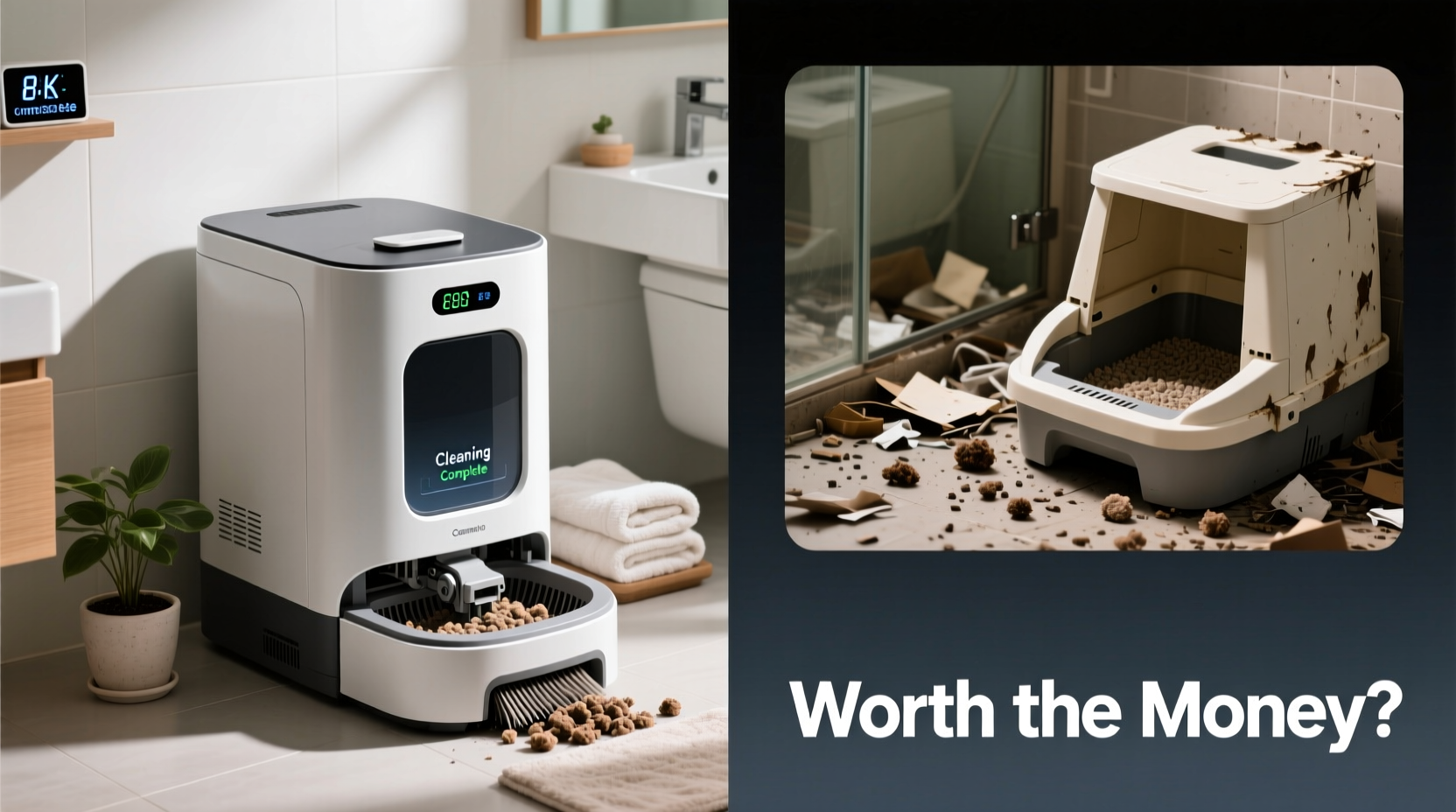
At their core, automatic litter boxes aim to eliminate the need for daily scooping by using sensors, rakes, or rotating mechanisms to detect when a cat has used the box and automatically separate waste from clean litter.
There are three primary types:
- Rake-based systems: After a delay (usually 7–15 minutes), a motorized rake moves through the litter, sifting out clumps and depositing them into a sealed waste drawer.
- Rotating sieve systems: The entire tray rotates slowly after use, allowing clean litter to fall back while waste remains trapped and is dumped into a collection bin.
- Smart modular systems: These high-end models use AI-powered sensors to recognize individual cats, track usage patterns, and send alerts to your phone when maintenance is needed.
Most units require specific types of clumping litter to function properly. Non-clumping or lightweight litters often fail to form solid clumps, leading to incomplete separation and frequent clogs.
Tip: Always use the manufacturer-recommended clumping litter to ensure optimal performance and reduce mechanical issues.The Case for Investing: Real Benefits of Automatic Litter Boxes
When they work well, automatic litter boxes deliver tangible improvements in convenience and hygiene. Here’s where they shine:
- Time savings: Eliminates daily scooping, which can add up to over 30 hours per year for multi-cat households.
- Better odor control: Sealed waste compartments significantly reduce ammonia and fecal smells compared to open trays.
- Reduced litter tracking: Many models feature covered designs and built-in mats that minimize litter scatter.
- Health monitoring: Some smart models log bathroom habits, helping detect early signs of urinary tract infections or digestive issues.
- Accessibility: Ideal for elderly, disabled, or chronically ill owners who struggle with bending or lifting.
Dr. Sarah Thompson, DVM and feline behavior specialist, notes:
“Consistent litter box maintenance is critical for urinary health. For owners who neglect scooping due to time or mobility constraints, an automatic system can actually improve a cat’s long-term wellness.” — Dr. Sarah Thompson, DVM
Real Example: A Multi-Cat Household Transformed
Take the case of the Rivera family in Portland, Oregon. With three cats and two working parents, the litter box was a constant source of tension. “We were missing scoops, the smell was bad, and our youngest cat started avoiding the box,” says Maria Rivera. After installing a mid-tier automatic model, she reports immediate changes: “No more arguments about cleaning duty. The waste drawer only needs emptying every 5–7 days. And all three cats adapted within two days.”
Their experience reflects a growing trend: families with multiple cats often see the highest return on investment, both in cleanliness and household harmony.
The Hidden Downsides: Why Some Owners Regret the Purchase
Despite their appeal, automatic litter boxes aren’t foolproof. Many users report frustrations that turn convenience into hassle:
- Mechanical failures: Rakes jam, motors stall, and sensors misfire—especially with low-quality litter or excessive hair.
- Noise sensitivity: The grinding or whirring sound during cleaning can scare skittish cats, leading to avoidance.
- High ongoing costs: Replacement parts, proprietary liners, and specialized litter increase long-term expenses.
- Limited capacity: Waste drawers fill quickly in multi-cat homes, requiring frequent emptying—sometimes more often than manual scooping.
- Cleaning complexity: Deep-cleaning an automatic unit takes longer than a standard tray due to internal components.
A 2023 survey by PetTech Review found that 34% of automatic litter box owners returned or abandoned their units within six months, citing reliability issues and unmet expectations.
Expert Insight: Not All Cats Adapt Easily
“Cats are creatures of habit. Introducing sudden noise, movement, or confined spaces can trigger stress-related behaviors like inappropriate elimination.” — Dr. Lena Cho, Feline Behavior Consultant
Experts emphasize that successful adoption depends on gradual introduction and temperament. Older cats, rescue animals, or those with anxiety may never accept an automated system.
Tip: Introduce the unit turned off first, let your cat explore it, then activate it gradually with short cycles to build comfort.Cost Analysis: Upfront Price vs. Long-Term Value
To determine if an automatic litter box is worth the money, consider both initial and recurring costs compared to traditional methods.
| Cost Factor | Manual Litter Box | Automatic Litter Box (Mid-Range) |
|---|---|---|
| Initial Cost | $15–$30 | $250–$400 |
| Monthly Litter (Clumping) | $20–$30 | $20–$30 |
| Replacement Parts/Accessories | $0 | $50–$100/year (liners, rakes, filters) |
| Electricity Usage | N/A | ~$5/year |
| Time Spent Weekly | 10–15 minutes | 5 minutes (emptying waste drawer) |
| Break-Even Point (Time Savings) | N/A | ~2.5 years (based on time valued at $15/hour) |
While the financial break-even point may take years, the value proposition often hinges on intangible benefits: peace of mind, reduced odor, and lifestyle fit. For someone traveling frequently or working long hours, the convenience may justify the cost sooner.
Step-by-Step Guide to Choosing the Right Model
If you’re considering an automatic litter box, follow this sequence to maximize success:
- Assess your cat’s personality: Is your cat curious, confident, and adaptable? Avoid automated systems if your cat is easily startled.
- Evaluate your space: Most units are larger than standard boxes. Ensure you have room, especially for covered models.
- Set a budget: Include not just the unit, but expected replacement parts and compatible litter.
- Research reliable brands: Look for models with strong customer support, replaceable components, and proven track records (e.g., Litter-Robot, PetSafe ScoopFree, CatGenie).
- Read verified owner reviews: Focus on long-term feedback (6+ months) to spot durability issues.
- Start slow: Run the unit without activation for several days, then enable partial cycles before full automation.
- Monitor behavior: Watch for signs of avoidance, stress, or accidents outside the box in the first two weeks.
Checklist: Before You Buy an Automatic Litter Box
- ✅ My cat is comfortable with enclosed spaces
- ✅ I have space for a larger-than-average litter box
- ✅ I’m prepared to use specific clumping litter
- ✅ I understand the maintenance schedule (emptying waste drawer, cleaning sensors)
- ✅ I’ve read long-term user reviews for reliability
- ✅ I have a backup litter box in case of malfunction
- ✅ I’m willing to commit 1–2 weeks to training my cat
Frequently Asked Questions
Can kittens or senior cats use automatic litter boxes?
Kittens under 6 months may be too small to trigger weight sensors, risking premature activation. Senior cats with arthritis may struggle to climb into high-entry models. Choose low-entry or adjustable units and supervise initial use.
Do automatic litter boxes work with all types of litter?
No. Most require clumping clay or plant-based clumping litter. Lightweight crystal litters (like those used in some disposable trays) do not work well with rake systems and can cause jams.
How often do I need to clean the entire unit?
Full deep-cleaning—disassembling trays, wiping sensors, and sanitizing—is recommended every 1–3 months, depending on usage. Failure to clean sensors can lead to false triggers or missed cycles.
Final Verdict: Worth It for Some, Not All
An automatic litter box isn’t inherently worth it—or a waste of money. Its value depends entirely on your household dynamics, cat temperament, and personal priorities.
For busy professionals, multi-cat homes, or individuals with physical limitations, the time saved and improved hygiene can make it a life-enhancing investment. When paired with a reliable model and proper setup, it delivers on its promise of convenience.
But for single-cat owners with a scooping routine, cats sensitive to noise, or those on a tight budget, the added cost and complexity may outweigh the benefits. Mechanical failures, ongoing expenses, and feline resistance can turn a dream gadget into a dusty closet ornament.
The key is realistic expectations. An automatic litter box reduces scooping—but doesn’t eliminate maintenance. It minimizes odor—but won’t remove it completely. It saves time—but requires troubleshooting when things go wrong.
Conclusion: Make an Informed Decision, Not an Impulsive One
Before handing over hundreds of dollars for a self-cleaning promise, ask yourself: What problem am I trying to solve? Is it time, odor, accessibility, or something else? Match your answer to the right solution—not just the shiniest gadget on the shelf.
If you proceed, choose a reputable brand, prepare your cat gently, and give the transition time. Track your satisfaction over 60 days: Are you really saving time? Is your home cleaner? Is your cat still using the box consistently?
💬 Have you tried an automatic litter box? Share your experience—what worked, what didn’t, and whether you’d buy again. Your insights could help another cat owner avoid a costly mistake.








