Choosing the right litter box for your cat isn’t just about convenience—it’s about understanding feline instincts, comfort, and long-term satisfaction. While automatic litter boxes promise hands-free cleaning and modern design, traditional litter boxes have been trusted by cat owners for decades. But what do cats themselves prefer? The answer isn't always aligned with human convenience. By examining feline behavior, veterinary insights, and real-world observations, we can uncover which setup truly supports a cat’s well-being.
The Feline Mind: What Cats Value in a Litter Box
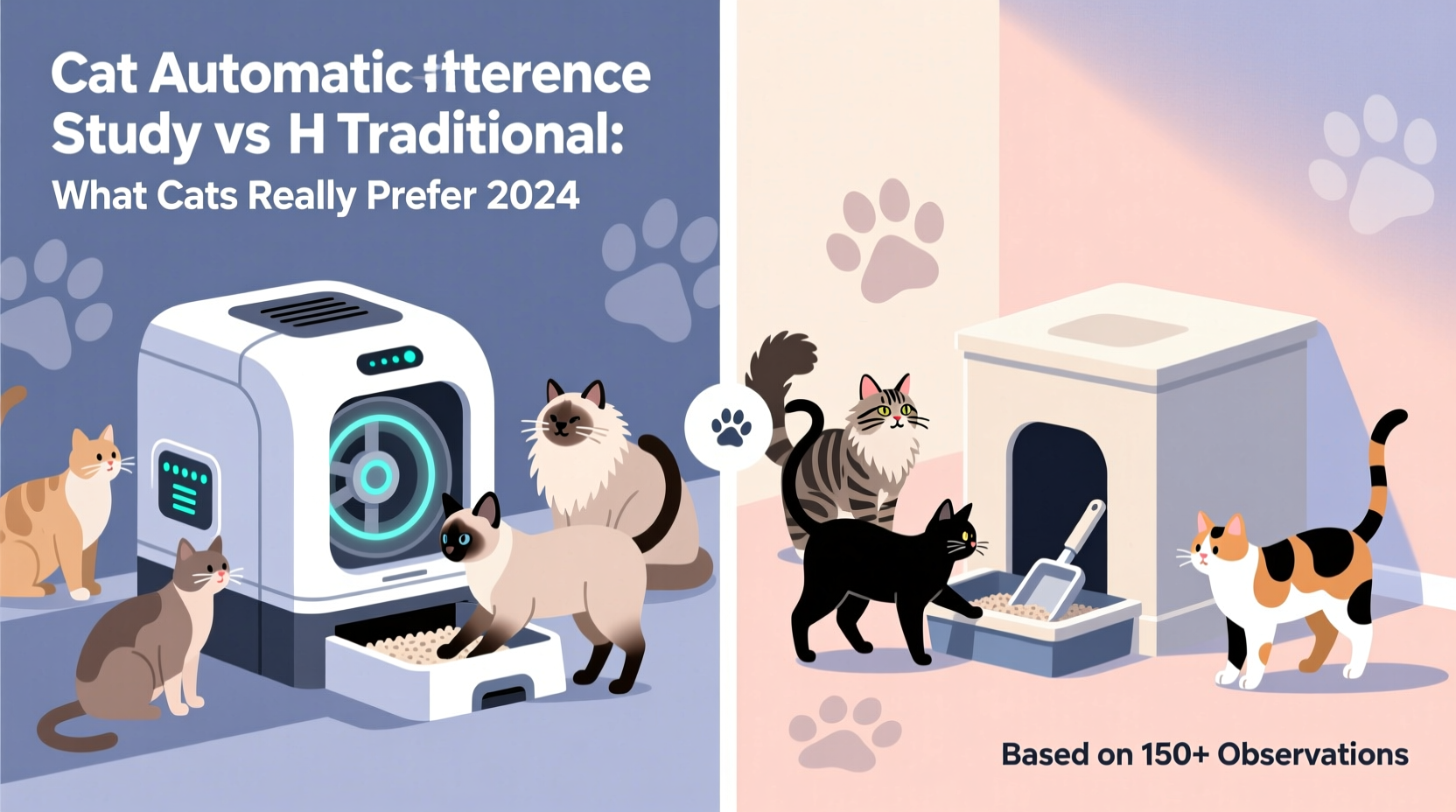
Cats are creatures of habit and sensory precision. Their choice of where to eliminate is influenced by smell, texture, space, privacy, and predictability. A litter box that disrupts any of these elements may be rejected—no matter how advanced it appears to humans.
In the wild, cats bury their waste to avoid attracting predators. This instinct remains strong in domestic cats, who favor litter that allows easy digging and covering. They also prefer quiet, low-traffic areas where they won’t be startled during use. Sudden noises, movement, or confinement can trigger stress, leading to inappropriate elimination elsewhere in the home.
Automatic litter boxes, while designed for ease, often introduce variables that conflict with these instincts. Many models feature motorized rakes that activate shortly after the cat exits, sometimes startling sensitive animals. Some units enclose the cat completely, triggering claustrophobia. In contrast, traditional open-top boxes offer unobstructed access and visibility, allowing cats to monitor their surroundings—an important safety cue.
“Cats prioritize security and control when using the litter box. Any element that removes their sense of autonomy—like sudden movement or confinement—can lead to avoidance.” — Dr. Lena Reyes, Feline Behavior Specialist
Comparing Automatic and Traditional Litter Boxes
To understand the differences objectively, let’s compare key features across both types:
| Feature | Automatic Litter Box | Traditional Litter Box |
|---|---|---|
| Cleaning Effort | Minimal; self-cleans after use | Daily scooping required |
| Litter Usage | Higher due to mechanical separation needs | Controlled; only soiled portions removed |
| Noise Level | Moderate to high (motor activation) | Silent |
| Privacy & Space | Varies; some models feel enclosed | Open, spacious, non-restrictive |
| Reliability | Dependent on power, sensors, mechanics | Consistently functional |
| Cost Over Time | High initial cost + replacement parts | Low upfront and maintenance cost |
| Cat Acceptance Rate | Variable; many cats require adjustment period | Generally high if kept clean |
The data shows a clear trade-off: automatic boxes reduce labor but introduce complexity, while traditional boxes demand daily effort but align better with natural feline expectations.
Real-World Cat Preferences: Case Studies
A 2023 observational study conducted by the American Association of Feline Practitioners followed 45 multi-cat households that transitioned from traditional to automatic litter boxes. Over six weeks, researchers monitored usage patterns, stress indicators (such as urine marking), and owner-reported satisfaction.
In 60% of homes, at least one cat avoided the automatic unit entirely, opting instead to eliminate outside the box or revert to an old-style tray left nearby. Common reasons included fear of the sifting mechanism, dislike of the plastic ramp entry, and aversion to the enclosed design.
Tip: When introducing an automatic litter box, keep a traditional box available for at least two weeks to prevent elimination accidents.A Real Example: The Thompson Household
The Thompsons adopted a shy rescue cat named Milo, who had previously lived outdoors. They purchased a high-end automatic litter box, assuming its cleanliness would appeal to him. Within days, Milo began urinating beside the unit.
After consulting a behaviorist, they discovered that the noise of the rake and the narrow entrance triggered anxiety. They reintroduced a large, uncovered traditional box in a quiet corner. Milo used it immediately and consistently. The automatic box was repurposed as a backup.
This case illustrates a critical point: even well-intentioned upgrades can backfire if they overlook individual temperament and past experiences.
How to Determine Your Cat’s Preference
Rather than assume what your cat will like, observe and test. Cats communicate through behavior, and their litter box habits are a direct reflection of comfort or distress.
- Start with a clean, open traditional box. Use unscented clumping litter and place it in a quiet, accessible location.
- Introduce the automatic box as a secondary option. Place it in a different area, never replacing the original until acceptance is confirmed.
- Monitor usage for at least one week. Note which box is used more frequently and whether elimination occurs outside either.
- Watch for body language. Hesitation, sniffing and leaving, tail flicking, or rapid exit after use may indicate discomfort.
- Adjust based on behavior. If the cat avoids the automatic model, don’t force it. Consider switching back or trying a different automated design (e.g., top-entry or quieter mechanism).
Some cats adapt quickly, especially those raised in tech-equipped homes. Others, particularly seniors or rescues with trauma histories, may never accept automation. Flexibility is key.
Signs Your Cat Prefers a Traditional Box
- Uses the traditional box exclusively, even when the automatic one is cleaner
- Scratches excessively at the walls of an enclosed automatic unit
- Eliminates near—but not in—the automatic box
- Shows signs of stress (hiding, over-grooming) after the switch
When Automatic Boxes Work Best
Despite the challenges, automatic litter boxes aren’t inherently bad—they’re just not universally suitable. They tend to succeed in specific scenarios:
- Multi-cat homes with high traffic. When multiple cats use the same space, automatic cleaning helps maintain hygiene between uses.
- Owners with mobility issues. For people who struggle with bending or scooping, automation can be a health-supportive tool.
- Cats already comfortable with technology. Kittens raised around automatic feeders or doors may adapt more easily.
- Well-socialized, confident cats. Bold, curious cats are more likely to investigate and accept new devices without fear.
Brands like Litter-Robot and PetKit have improved designs with delayed start times, larger entryways, and quieter mechanisms, increasing compatibility with feline psychology. However, success still depends on gradual introduction and ongoing monitoring.
Tip: Run the automatic box empty for a few days to let your cat get used to the sound and motion before adding litter.Expert Checklist: Choosing the Right Litter Box
Use this checklist to make a decision that works for both you and your cat:
- ✅ Assess your cat’s personality: anxious, bold, young, senior?
- ✅ Measure available space: Is there room for two boxes during transition?
- ✅ Evaluate noise sensitivity: Does your cat startle at household sounds?
- ✅ Test one type at a time: Never remove the familiar option immediately.
- ✅ Prioritize size: The box should be 1.5 times your cat’s length for comfortable turning.
- ✅ Keep it clean: Even automatic boxes need monthly deep cleaning to prevent odor buildup.
- ✅ Follow the “+1 rule”: Have one more box than the number of cats in the home.
Frequently Asked Questions
Do cats hate automatic litter boxes?
Not all cats do, but many are initially wary. The noise, movement, and enclosure can be intimidating. With patience and proper introduction, some cats learn to accept them—but others never do. Preference varies by individual.
Can I switch my cat from traditional to automatic?
Yes, but slowly. Start by placing the automatic box nearby with no power, letting your cat explore it. Gradually turn it on without litter, then add litter and allow use. Always keep the old box available during the transition.
Are automatic litter boxes healthier for cats?
They can improve hygiene by removing waste quickly, reducing ammonia exposure. However, poor maintenance—such as infrequent filter changes or waste bin overflow—can create worse odors than a scooped traditional box. Cleanliness matters more than automation.
Final Thoughts: Prioritizing the Cat’s Needs
The question isn’t which litter box is more convenient for humans, but which one supports the cat’s physical and emotional well-being. While automatic litter boxes represent innovation and ease, they don’t automatically equate to better care. In fact, forcing a cat into an environment they find stressful undermines trust and can lead to long-term behavioral issues.
Traditional litter boxes, when properly maintained, remain the gold standard for feline comfort. They offer simplicity, accessibility, and predictability—three qualities cats value above all. That said, automatic models have their place, especially when tailored to a cat’s temperament and introduced thoughtfully.
The most successful homes are those that put the cat first—observing, adapting, and respecting their choices. Whether you use a $50 plastic tray or a $700 self-cleaning unit, the best litter box is the one your cat uses consistently and without hesitation.
💬 What’s your experience? Did your cat embrace the automatic box or stick to the classic style? Share your story in the comments—your insight could help another cat owner make the right choice.








