
For cat owners, managing a litter box is one of the most unavoidable aspects of pet care. The debate between using an automatic litter box versus a traditional scooped box has grown louder in recent years as technology advances and convenience becomes a higher priority. While automatic systems promise less daily effort and better odor control, they come with their own set of challenges—especially around reliability, cost, and maintenance complexity. So, is the improved smell control really worth the potential for mechanical failures and increased upkeep stress?
This article dives deep into both options, weighing their performance on odor management, user experience, long-term costs, and emotional impact. Whether you're considering upgrading or just starting out with a new cat, understanding these trade-offs can help you make a more informed decision.
Odor Control: How Automatic Boxes Stack Up
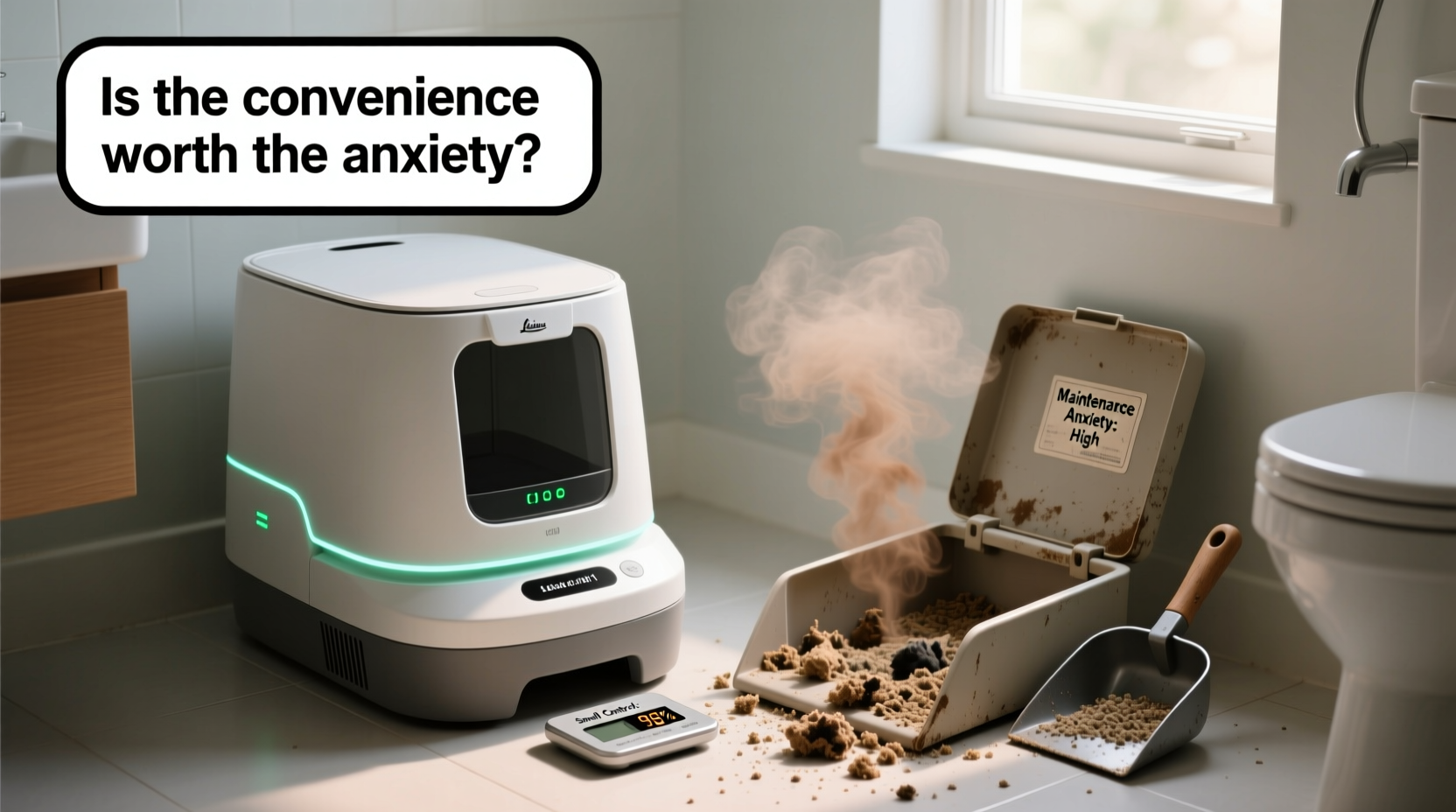
One of the primary selling points of automatic litter boxes is superior odor control. Traditional litter boxes rely heavily on clumping litter, frequent scooping, and air fresheners to manage smells. Even with diligent cleaning, ammonia buildup from urine and bacterial decomposition of waste can create persistent odors—especially in small or poorly ventilated spaces.
Automatic litter boxes address this by removing waste shortly after use. Most models sift solid and liquid waste into a sealed compartment, often lined with a disposable bag or cartridge. This immediate separation reduces exposure time between waste and air, significantly limiting odor dispersion. Some high-end models even include carbon filters, deodorizing sprays, and fully enclosed waste chambers that further suppress smells.
Tip: Place your litter box in a well-ventilated area regardless of type—this improves odor control and encourages consistent use by your cat.A 2022 study published in the *Journal of Feline Medicine and Surgery* found that households using automatic litter boxes reported a 43% reduction in perceived odor intensity compared to those using traditional boxes cleaned twice daily. However, this benefit diminishes if the waste drawer isn’t emptied regularly or if the unit malfunctions.
Maintenance Realities: Simplicity vs. Complexity
At first glance, automatic litter boxes seem like a maintenance dream: “Just let it do the work.” But in practice, they introduce new layers of responsibility. While you may scoop less frequently, you’re now responsible for ensuring sensors function correctly, waste compartments don’t overflow, rakes aren’t jammed, and power sources remain stable.
Traditional litter boxes, by contrast, require manual scooping—typically once or twice a day—but involve minimal technical knowledge. You know exactly what’s happening inside the box at all times. There are no error codes, no firmware updates, and no risk of sudden shutdowns due to sensor misreads.
The anxiety associated with automatic systems often stems from unpredictability. What happens when the rake stops mid-cycle? Or when your cat refuses to use the box because it makes noise? These aren’t hypotheticals—they’re common experiences shared across online pet forums and customer reviews.
“Technology can enhance pet care, but it should never replace observation and routine. An automatic litter box shouldn't become a black box you ignore until something goes wrong.” — Dr. Lena Patel, DVM, Feline Behavior Consultant
Comparative Breakdown: Features and Trade-offs
| Feature | Automatic Litter Box | Traditional Scoop Box |
|---|---|---|
| Daily Effort | Low (empty waste drawer every 2–7 days) | High (scoop 1–2x daily) |
| Initial Cost | $300–$700 | $20–$50 |
| Ongoing Costs | Replacement parts, branded liners, power usage | Litter only |
| Odor Control | Excellent (when functioning properly) | Fair to good (depends on frequency and litter type) |
| Reliability | Moderate (mechanical/electrical components can fail) | High (no moving parts) |
| Cat Acceptance | Variable (noise, movement, size may deter some cats) | Generally high (familiar design) |
| Maintenance Anxiety | High (fear of malfunction, cleaning cycles, alerts) | Low (transparent process) |
The data shows a clear pattern: automation reduces physical labor but increases cognitive load. Owners report spending less time scooping but more time monitoring app alerts, troubleshooting errors, and worrying about whether their cat used the box successfully.
Real-World Example: One Owner’s Journey
Sarah, a software engineer and owner of two rescue cats in Portland, Oregon, switched to an automatic litter box after struggling with chronic back pain made worse by daily bending and scooping. She invested in a premium model with app connectivity, self-cleaning cycles, and sealed waste disposal.
Initially, she loved the convenience. Her home smelled better, and she appreciated not having to handle waste directly. But within three months, the rake mechanism jammed after her larger cat urinated off-center, causing urine to pool and eventually leak onto her bathroom floor. The app sent no alert until the next morning. By then, the odor had spread, and the unit required a full disassembly to clean.
“I thought I was buying freedom,” Sarah said. “But instead, I started checking the app like it was my third job. I’d wake up wondering if the box had cycled properly. When it failed, the mess was way worse than a missed scoop.” After six months, she returned to a traditional box with a high-sided hood and premium clumping litter.
Her story reflects a growing sentiment: for some, especially those with health limitations or multi-cat homes, automatic boxes are life-changing. For others, the peace of mind from simplicity outweighs the allure of hands-off cleaning.
When Automation Makes Sense: A Step-by-Step Decision Guide
Choosing between systems isn’t about which is universally better—it’s about alignment with your lifestyle, expectations, and cat’s behavior. Follow this timeline to assess whether an automatic litter box is right for you:
- Week 1: Observe Your Current Routine – Track how often you scoop, how much time it takes, and when odors become noticeable. Note any physical strain or scheduling conflicts.
- Week 2: Evaluate Cat Behavior – Watch how your cat interacts with the litter box. Are they skittish around noises? Do they dig aggressively? Cats sensitive to motion or sound may reject automated units.
- Week 3: Research Models & Costs – Compare brands like Litter-Robot, PetSafe Scooper, and CatGenie. Read user reviews focusing on long-term reliability and customer support. Factor in replacement part costs.
- Week 4: Trial or Rent If Possible – Some companies offer rental programs or 30-day trials. Use this period to test integration into your home without full financial commitment.
- Month 2 Onward: Monitor Stress Levels – Ask yourself: Am I more relaxed, or am I constantly checking for errors? Is my cat using the box consistently? Does the smell improve sustainably?
If at any point the system causes more stress than relief, reverting to a traditional setup isn’t failure—it’s smart adaptation.
Tips for Maximizing Either System
Tip: Regardless of box type, change all litter completely every 4–6 weeks to prevent deep odor buildup and bacterial growth.- Use unscented, clumping litter – Fragranced litters can irritate cats’ sensitive noses and mask problems rather than solve them.
- Clean the box monthly with mild soap and water – Avoid harsh chemicals that leave residues and deter use.
- Provide one box per cat plus one extra – This reduces competition and increases hygiene, no matter the type.
- Position boxes in quiet, accessible locations – Avoid loud appliances or high-traffic areas that startle cats during use.
- Monitor usage patterns – Sudden changes in frequency or avoidance can signal health or behavioral issues.
Frequently Asked Questions
Do automatic litter boxes really reduce smell?
Yes—when functioning correctly. By removing waste within minutes of use and sealing it away, automatic boxes limit the time waste is exposed to air, which is the main cause of odor. However, poor maintenance (like leaving a full waste drawer) can result in stronger smells than a well-scooped traditional box.
Are automatic litter boxes safe for cats?
Most modern models include weight sensors and safety shut-offs to prevent injury. However, kittens, small cats, or curious pets may occasionally get caught in the mechanism. Always supervise initial use and choose models with proven safety records.
Can I use any type of litter in an automatic box?
No. Most manufacturers require specific clumping, low-dust litter to ensure proper sifting and prevent clogs. Using incompatible litter can void warranties and damage internal components.
Final Verdict: Weighing Smell Against Peace of Mind
The answer to whether smell control is worth the maintenance anxiety depends entirely on your personal thresholds for risk, effort, and convenience. For individuals with mobility issues, busy professionals, or those in odor-sensitive living situations (like small apartments), the benefits of an automatic litter box can be transformative.
Yet, for many others, the psychological burden of relying on a machine—coupled with its higher cost and potential for disruptive failures—outweighs the gains in odor reduction. A well-maintained traditional litter box, paired with high-quality litter and consistent scooping, can achieve surprisingly good results with far fewer unknowns.
The key is honesty: ask not just what you want, but what you’re willing to manage. Technology should simplify life, not complicate it with new worries. If checking an app notification gives you more anxiety than scooping a box, the solution might be simpler than you think.
💬 Have you tried an automatic litter box? Did it reduce odors—or increase stress? Share your experience in the comments to help fellow cat owners navigate this modern dilemma.








