For cat owners, managing a litter box is an unavoidable part of pet care. While cats are naturally clean animals, their waste still needs to be handled—and frequently. The rise of automatic litter boxes has promised a cleaner, more convenient alternative to the daily chore of scooping. But does it deliver? Or is trading manual labor for high-tech gadgetry just swapping one hassle for another? The truth lies somewhere in between, and understanding the real maintenance demands of both systems can help you make a smarter choice.
The Scoop on Traditional Litter Boxes
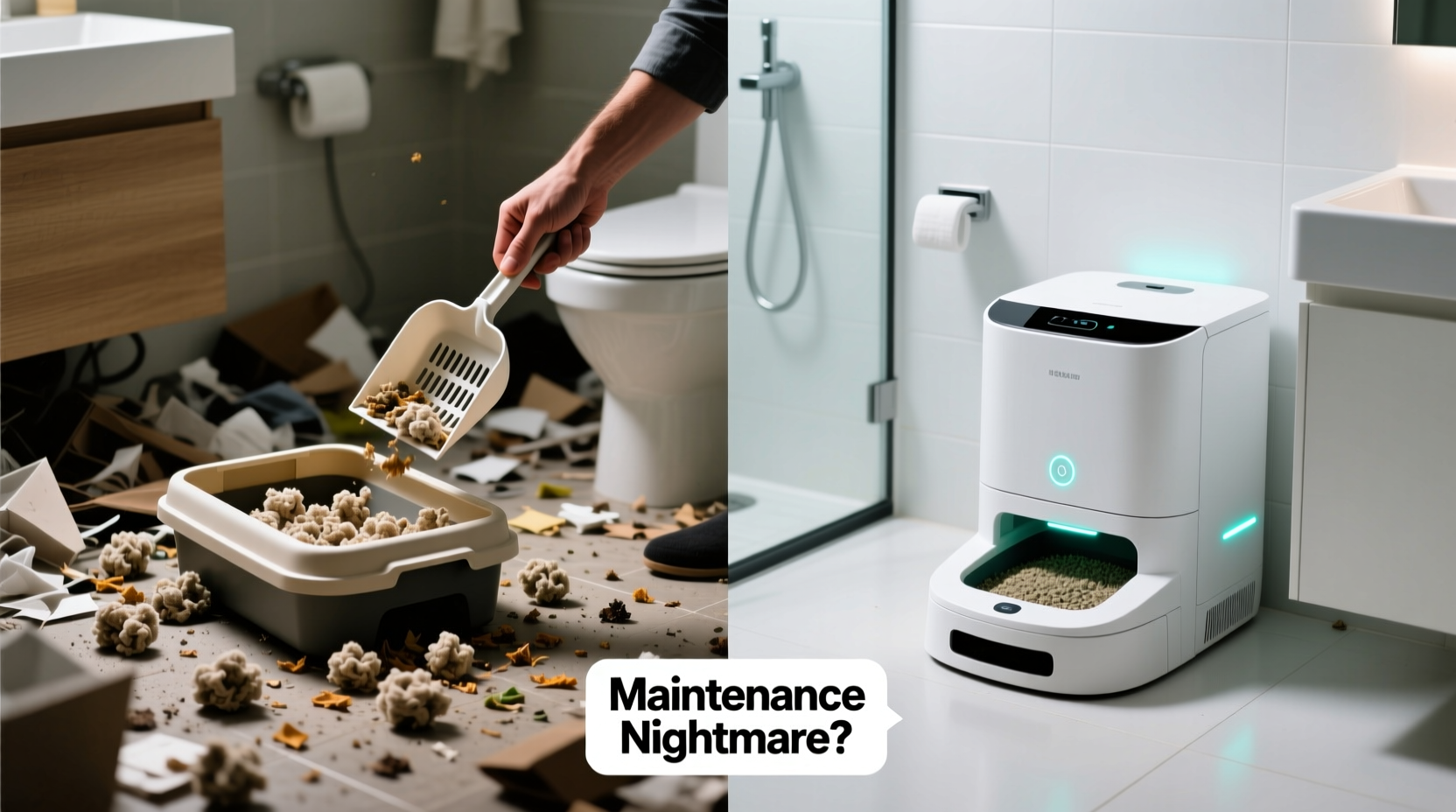
A traditional litter box is straightforward: fill it with clumping or non-clumping litter, place it in a quiet corner, and scoop out waste daily. Most veterinarians recommend cleaning it at least once a day, though twice-daily scooping is ideal for multi-cat households or sensitive felines who avoid dirty boxes.
While this method is low-tech and affordable, it’s not without drawbacks. Odor control depends heavily on litter quality and frequency of cleaning. Over time, ammonia buildup from urine can degrade the plastic, leading to lingering smells even after scrubbing. Additionally, tracking—when litter sticks to paws and spreads around the house—is common with open-top designs.
Tip: Use a dust-free, high-clumping litter and line the box with a washable liner to reduce odor and simplify cleanup.How Automatic Litter Boxes Work
Automatic litter boxes use sensors, rakes, or rotating mechanisms to detect when a cat has used the box and then sift out waste within minutes. Some models deposit clumps into a sealed waste drawer, while others use disposable trays or pods that minimize contact with soiled litter.
Popular brands like Litter-Robot, PetSafe Scooper, and CatGenie offer different approaches. The Litter-Robot uses a globe-shaped design that rotates to separate waste; the CatGenie flushes liquefied waste down a drain (requiring plumbing access); and others simply rake clumps into a hidden compartment.
On paper, these systems promise hands-off cleaning—some claim up to a week between full litter changes. But real-world performance varies based on setup, cat behavior, and model reliability.
Maintenance Requirements: What You’re Really Signing Up For
Despite marketing claims, automatic litter boxes aren’t “maintenance-free.” They require regular attention to function properly:
- Litter replacement: Even self-cleaning units need fresh litter every 1–4 weeks, depending on usage.
- Waste drawer emptying: Most models need the waste bin emptied every 2–3 days in single-cat homes, more often with multiple cats.
- Cleaning cycles: Sensors and moving parts can get clogged with fine dust or wet clumps, requiring weekly wiping and monthly deep cleans.
- Power dependency: These units need constant power. A power outage means no automatic cleaning until restored.
- Parts replacement: Filters, liners, and internal components wear out and must be replaced periodically.
“Owners often underestimate how much upkeep an automatic litter box requires. It reduces scooping, but adds technical maintenance.” — Dr. Rachel Nguyen, DVM, Feline Behavior Consultant
Comparing Effort: Time, Cost, and Long-Term Commitment
To determine whether the “maintenance nightmare” label is justified, let’s break down the two options across key categories.
| Factor | Traditional Scoop Box | Automatic Litter Box |
|---|---|---|
| Daily Time Commitment | 5–10 minutes (scooping + odor check) | 1–2 minutes (check system status, occasional wipe-down) |
| Weekly Maintenance | Spot clean, change litter every 7–10 days | Empty waste drawer, wipe sensors, refill litter |
| Initial Cost | $15–$40 | $300–$700 |
| Ongoing Costs | Litter only (~$15–$25/month) | Litter + replacement parts/filters (~$30–$60/month) |
| Reliability | High (no moving parts) | Medium (mechanical failures possible) |
| Odor Control | Depends on litter & frequency | Better short-term; poor maintenance worsens smell |
| Cat Acceptance | Generally high | Varies—some cats fear noise or motion |
The data shows a clear trade-off: automatic boxes reduce daily labor but increase financial and technical responsibilities. For someone willing to invest upfront and stay on top of maintenance, they can be a game-changer. For budget-conscious or tech-wary owners, the traditional route remains reliable and predictable.
Real-World Example: One Owner’s Experience
Sarah, a nurse in Austin with two indoor cats, switched to a Litter-Robot three years ago after struggling with back pain during daily scooping. At first, she loved the convenience—only needing to empty the waste drawer every few days and refilling litter every three weeks.
But after eight months, the unit began mis-sensing usage. One cat’s lighter weight meant the sensor didn’t always trigger, leaving waste uncleaned. She had to manually reset the cycle multiple times a week. Then, a clump broke apart during rotation, clogging the rake mechanism. Cleaning it took over 40 minutes and required disassembly.
She eventually returned to a traditional hooded box with premium clumping litter. “I spend more time scooping,” she says, “but I don’t stress about breakdowns or strange noises waking me up at night.”
Her story isn’t unique. Many users report initial enthusiasm followed by frustration when mechanical issues arise or their cats reject the new system.
When an Automatic Box Makes Sense
Not all households are the same. An automatic litter box may be worth the investment if:
- You have mobility issues or chronic pain that makes bending and scooping difficult.
- Your schedule is highly unpredictable, and consistent daily scooping is a challenge.
- You live alone with one cat and want reduced odor between cleanings.
- You’re comfortable troubleshooting minor mechanical issues or paying for repairs.
Conversely, traditional boxes remain the better choice if:
- You own multiple cats—the complexity and cost multiply quickly.
- You’re on a tight budget—both upfront and long-term.
- Your cats are skittish or dislike noise and movement near their bathroom.
- You prefer simplicity and reliability over automation.
Step-by-Step Guide to Minimizing Litter Box Maintenance
Whether you go automatic or traditional, smart routines can reduce effort and improve hygiene. Follow this weekly plan:
- Day 1 – Deep Clean (Weekly): Empty all litter, wash the box with mild soap and water, rinse thoroughly, dry completely, and refill with fresh litter.
- Days 2–6 – Daily Maintenance: Scoop waste once or twice daily. Wipe edges if tracked litter builds up. Check automatic units for error lights or clogs.
- Day 4 – Midweek Check: Top off litter if levels are low. Inspect filters (for automatic models). Replace liners if torn.
- Day 7 – Evaluate: Note any behavioral changes in your cat (avoiding the box, excessive digging). Check for lingering odors or staining. Adjust litter type or location if needed.
This routine ensures consistency, prevents odor buildup, and helps catch problems early—whether mechanical or medical (since litter box avoidance can signal health issues).
Common Pitfalls to Avoid
Both systems fail when owners cut corners. Here are frequent mistakes that turn either option into a “maintenance nightmare”:
- Infrequent cleaning: Letting waste accumulate leads to odor, bacteria growth, and cat avoidance.
- Using the wrong litter: Non-clumping or dusty litter causes clogs in automatic units. Scented litter may repel cats.
- Ignoring manufacturer guidelines: Skipping filter changes or using third-party accessories increases failure risk.
- Placing the box poorly: High-traffic areas, noisy appliances, or near food discourage use.
- One box for multiple cats: The rule of thumb is one box per cat, plus one extra. Sharing leads to territorial disputes and messes outside the box.
Frequently Asked Questions
Do automatic litter boxes really eliminate scooping?
No. While they handle the sifting process automatically, you still need to empty the waste drawer regularly (every 2–3 days), refill litter, and perform periodic deep cleans. They reduce daily effort but don’t eliminate maintenance.
Are automatic litter boxes safe for cats?
Most modern models include safety sensors to prevent activation while a cat is inside. However, some cats—especially kittens, seniors, or anxious pets—may be startled by noise or movement. Always supervise initial use and allow gradual acclimation.
Can I save money with an automatic litter box?
Unlikely in the long run. Although you might use slightly less litter, the combined cost of the unit ($500+), replacement parts, filters, and potential repairs far exceeds the lifetime cost of a traditional box and standard litter.
Final Verdict: Is the Maintenance Nightmare Real?
The idea that automatic litter boxes are a “maintenance nightmare” isn’t universally true—but it’s not baseless either. For some owners, especially those with physical limitations or demanding schedules, these devices provide meaningful relief. For others, the added complexity, cost, and risk of malfunction create more stress than they solve.
The traditional scoop box, while requiring daily attention, remains simple, reliable, and inexpensive. With good litter, proper placement, and consistent cleaning, it can be nearly as low-odor and convenient as its high-tech counterpart—without the risk of mechanical failure.
In the end, the best choice depends on your lifestyle, budget, and relationship with technology. Automation isn’t inherently better—it’s just different. And sometimes, the simplest solution is still the smartest.
🚀 Ready to make a decision? Assess your priorities: time saved vs. money spent, simplicity vs. innovation. Try a trial period if possible, and remember—your cat’s comfort matters most. Share your experience or questions below to help other pet owners navigate this messy but essential topic.








