
For pet owners navigating the ever-expanding world of canine accessories, the decision between an automatic dog feeder and a designer dog bowl isn’t just about aesthetics—it’s about function, lifestyle, and long-term pet wellness. With sleek marble pedestals, stainless steel slow-feed designs, and Wi-Fi-enabled dispensers flooding the market, it's easy to wonder: are these premium products genuinely beneficial, or just expensive trends? The answer depends on your dog’s needs, your daily routine, and what you’re trying to achieve.
The Rise of the Premium Pet Product Market
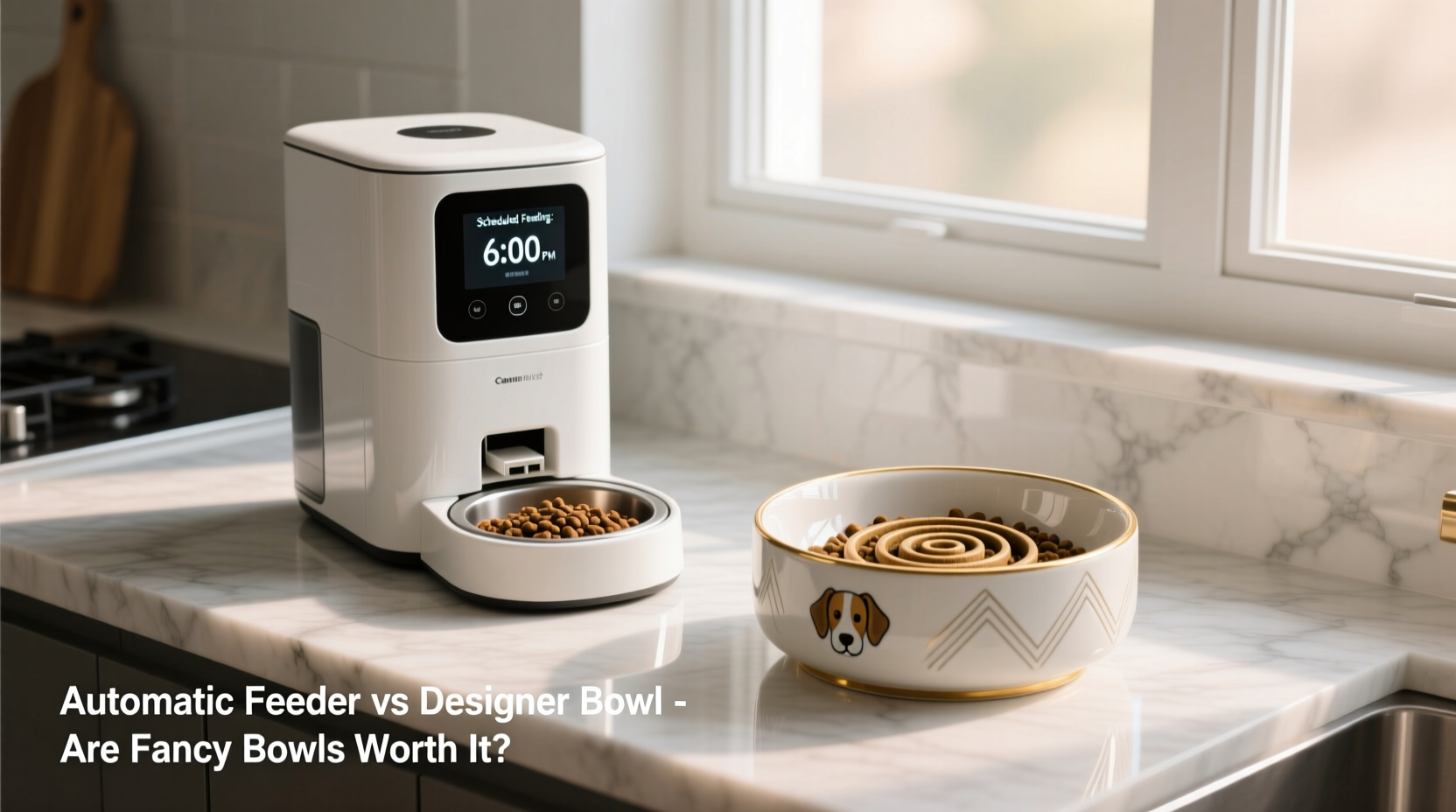
The pet industry has evolved dramatically over the past decade. No longer limited to basic kibble and plastic dishes, today’s pet owners can choose from smart feeders with portion control, anti-spill mechanisms, and even voice recording features. At the same time, designer bowls made from ceramic, granite, or elevated wood stands promise both style and ergonomic benefits. These aren't just products—they're statements of care, convenience, and companionship.
But as prices climb—some designer bowls exceed $100 while automatic feeders range from $50 to over $200—the real question emerges: do these upgrades deliver measurable benefits, or are they simply luxury indulgences?
Automatic Feeders: Function Over Form
Automatic dog feeders excel in consistency and scheduling. For busy professionals, frequent travelers, or households with multiple pets, these devices offer a reliable way to maintain feeding routines without human intervention. Most models allow pre-programmed meal times, portion control, and some even include cameras and two-way audio.
Key advantages include:
- Scheduled feeding: Ensures meals are delivered at consistent times, which supports digestive health.
- Portion control: Helps manage weight by preventing overfeeding.
- Remote access: Wi-Fi-enabled units let you monitor and adjust feeding via smartphone.
- Voice messages: Some models allow you to record a message so your dog hears your voice during feeding.
However, not all automatic feeders are created equal. Mechanical failures, jamming, or power outages can disrupt feeding schedules. Additionally, dogs that eat quickly may still gulp food unless paired with a slow-feed bowl accessory.
Designer Bowls: Style Meets Ergonomics
Designer dog bowls prioritize aesthetics and physical comfort. Elevated feeders, tilted ceramic dishes, and non-slip bases are marketed to improve posture, reduce neck strain, and minimize mess. Some brands use antimicrobial materials or claim to discourage bacterial growth.
Certain breeds benefit more than others. For example:
- Large or giant breeds (e.g., Great Danes, Mastiffs): May benefit from elevated bowls that reduce strain on joints and spine during meals.
- Dogs with brachycephalic (short) muzzles (e.g., Bulldogs, Pugs): Often do better with shallow, wide bowls that allow easier access.
- Dogs prone to bloat (gastric dilatation-volvulus): Veterinarians sometimes recommend avoiding raised bowls, contrary to popular belief.
“Elevated feeders can help large dogs maintain better posture, but they are not universally recommended—especially for deep-chested breeds at risk for bloat.” — Dr. Rebecca Nguyen, DVM, Canine Nutrition Specialist
While many designer bowls look stunning on social media, their functional value varies. A $120 marble pedestal may impress guests but offer no real advantage over a $20 stainless steel bowl with a rubber base.
Comparative Analysis: Automatic Feeder vs Designer Bowl
| Feature | Automatic Feeder | Designer Bowl |
|---|---|---|
| Primary Benefit | Consistent feeding schedule & portion control | Ergonomic design & aesthetic appeal |
| Best For | Busy owners, multi-pet homes, portion management | Large breeds, stylish interiors, messy eaters |
| Average Price | $50–$200+ | $30–$150 |
| Maintenance | Requires regular cleaning; risk of mechanical issues | Easy to clean (varies by material) |
| Health Impact | Supports weight management and routine | Potential posture improvement; limited evidence |
| Lifespan | 2–5 years (electronics may fail) | 5+ years (if high-quality material) |
Real-World Example: The Smith Family’s Experience
The Smiths adopted a rescue Labrador mix named Max who had a history of overeating and anxiety when left alone. With both parents working full-time and a young child at home, mealtimes were inconsistent. They invested in a mid-range automatic feeder with portion control and a camera. Within three weeks, Max’s digestion improved, and his begging behavior decreased significantly.
Later, they added an elevated stainless steel bowl to reduce floor-licking and neck strain. While the bowl looked great in their kitchen, they noticed only minor behavioral changes. “The feeder changed our lives,” said Sarah Smith. “The bowl is nice, but we probably could’ve saved money with a simpler option.”
When Each Option Makes Sense: A Decision Checklist
Not every dog—or owner—needs high-end feeding solutions. Use this checklist to determine what’s right for your household:
- ✅ Do you frequently miss scheduled feeding times? → Automatic feeder may help.
- ✅ Is your dog overweight or prone to gulping food? → Portion-controlled feeder + slow-feed bowl combo.
- ✅ Do you have a large or senior dog with joint issues? → Elevated or angled bowl could improve comfort.
- ✅ Are you buying a designer bowl mainly for Instagram appeal? → Consider practicality first.
- ✅ Do you travel often or work night shifts? → An automatic feeder adds real value.
- ✅ Is your dog at risk for bloat? → Consult your vet before using an elevated bowl.
Smart Buying Tips for Pet Feeding Products
Tip: Prioritize safety and functionality over looks. Stainless steel, BPA-free plastic, and dishwasher-safe materials are ideal.Before purchasing any feeding product, consider the following:
- Material Safety: Avoid lead-glazed ceramics or painted surfaces that can chip. Stainless steel is safest for long-term use.
- Size & Capacity: Ensure the feeder holds enough food for your schedule, or the bowl fits your dog’s muzzle comfortably.
- Stability: Non-slip bases prevent sliding, especially for enthusiastic eaters.
- Brand Reputation: Look for third-party testing, customer reviews, and return policies.
- Integration: Smart feeders should sync with your phone and have backup battery options.
Frequently Asked Questions
Can automatic feeders cause anxiety in dogs?
Some dogs may initially be wary of the noise or movement of an automatic feeder. Gradual introduction and pairing the device with positive reinforcement (treats, praise) usually resolves this. Models with quieter motors are available for noise-sensitive pets.
Are elevated dog bowls better for digestion?
There’s limited scientific evidence supporting improved digestion from elevated bowls. In fact, studies suggest they may increase the risk of bloat in large, deep-chested breeds. Always consult your veterinarian before making structural changes to feeding setup.
Do designer bowls prevent bacterial buildup?
Materials matter more than design. Stainless steel and glazed ceramic are easier to sanitize than porous materials like untreated wood or low-grade plastic. Regardless of style, wash bowls daily with hot, soapy water.
Final Thoughts: Value Beyond the Price Tag
The choice between an automatic dog feeder and a designer bowl ultimately comes down to purpose. An automatic feeder solves logistical challenges and promotes health through consistency. A designer bowl enhances environment and may support physical comfort—but only if chosen wisely.
Investing in your dog’s feeding experience is worthwhile, but focus on evidence-based benefits rather than trends. Sometimes, the most effective tools are simple, durable, and functional. Other times, technology fills a critical gap in care. The key is alignment: match the product to your dog’s needs, not just your decor.
💬 Have you tried an automatic feeder or designer bowl? What worked—and what didn’t? Share your experience to help fellow pet owners make smarter choices!








