
In the early 2010s, slapping a minimalist VSCO sticker on your laptop or water bottle was a quiet declaration of identity—artistic, introspective, subtly rebellious. These small, matte-finish decals became synonymous with a certain aesthetic: soft grays, muted tones, film-inspired filters, and a love for authenticity over polish. But nearly a decade later, as digital culture evolves at breakneck speed, the question arises: Are VSCO stickers still cool—or has the world moved on to something richer, more dynamic, and more personal?
The answer isn’t a simple yes or no. While VSCO stickers retain nostalgic value and cultural significance, they’ve largely been overshadowed by newer, more versatile forms of digital self-expression. The rise of interactive stickers, AR-enabled designs, and platform-native features has redefined what it means to \"stick\" something to your identity—both online and offline.
The Rise and Legacy of VSCO Stickers
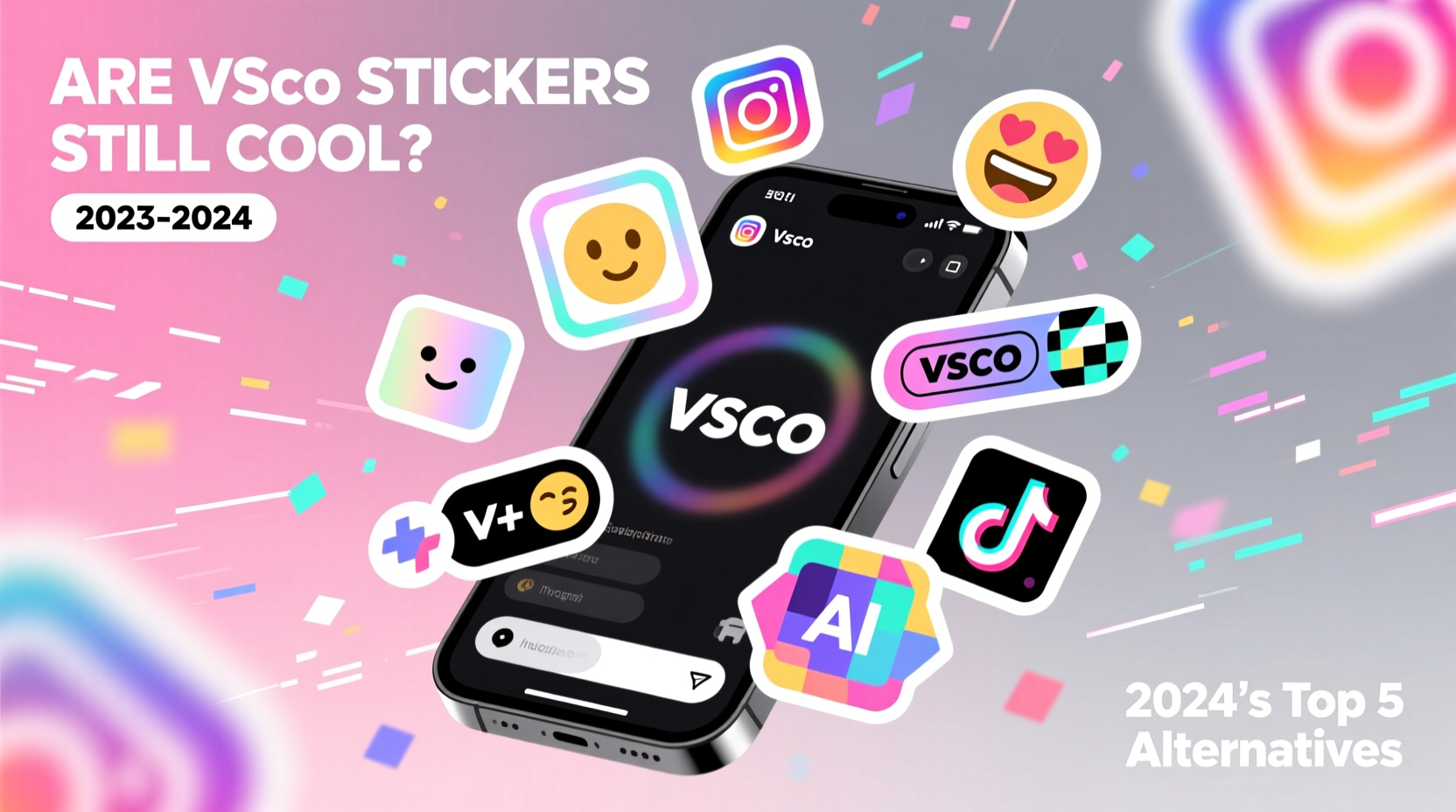
VSCO stickers emerged during the peak of the \"soft girl\" and \"indie sleaze\" aesthetics, particularly between 2013 and 2017. They weren't just accessories—they were symbols. A VSCO sticker signaled membership in a community that valued moodiness, analog nostalgia, and curated minimalism. Often featuring the brand’s signature lowercase “vsco” logo, film canister icons, or abstract shapes, these stickers were understated yet instantly recognizable.
Their appeal lay in their restraint. Unlike flashy branded merch, VSCO stickers didn’t scream for attention. They whispered. And for a generation tired of performative social media, that subtlety was powerful.
“VSCO stickers were never about the brand—it was about belonging to a visual language that rejected mainstream perfection.” — Maya Tran, Digital Culture Analyst
But as trends cycled faster and new platforms like TikTok prioritized boldness and virality, the minimalist vibe began to feel outdated. What once stood out now risks blending into the background—or worse, appearing ironic or passé.
Why VSCO Stickers Lost Their Edge
Several factors contributed to the decline in relevance:
- Over-saturation: At one point, it seemed every MacBook had the same VSCO decal. When everyone is using the same symbol, it stops being special.
- Brand stagnation: VSCO pivoted from a photo-editing app to a social network, but failed to maintain cultural momentum. Without active engagement, its iconography faded.
- Shift in aesthetic values: Gen Z favors maximalism, surrealism, and hyper-personalization—values that clash with VSCO’s subdued roots.
- Digital migration: Physical stickers are less central when expression happens primarily through apps, stories, and avatars.
Better Sticker Options in 2024 and Beyond
Today’s sticker culture is more diverse, creative, and integrated than ever. Whether you're decorating devices, journals, or digital profiles, there are far more expressive—and often more meaningful—alternatives.
1. Custom-Printed Stickers
Platforms like Sticker Mule, Inkify, and Canva allow users to design stickers from original art, photos, or typography. This shift from brand loyalty to self-authorship reflects a broader cultural move toward individuality.
2. Augmented Reality (AR) Stickers
Used heavily in Instagram and Snapchat, AR stickers respond to movement, voice, and environment. A static decal can’t compete with an animated sticker that dances when you smile.
3. Eco-Conscious & Biodegradable Stickers
Brands like EcoSticker and Noissue offer compostable vinyl and plant-based adhesives. For environmentally aware users, sustainability adds deeper meaning to their choices.
4. NFT-Based Digital Stickers
On platforms like Telegram and Discord, limited-edition digital stickers tied to blockchain ownership have become status symbols. Some sell for hundreds of dollars.
5. Community-Created Sticker Packs
Independent artists on Etsy, Gumroad, and Ko-fi sell themed packs—from cottagecore motifs to cyberpunk glitch art—allowing users to align with niche subcultures.
Comparison: VSCO vs. Modern Sticker Options
| Feature | VSCO Stickers (2015) | Modern Alternatives (2024) |
|---|---|---|
| Design Flexibility | Limited to brand templates | Fully customizable |
| Personal Expression | Indirect (brand association) | Direct (user-created content) |
| Sustainability | Standard vinyl, non-recyclable | Eco-friendly materials available |
| Interactivity | None | AR, animation, sound integration |
| Cultural Relevance | Nostalgic/retro | Current, evolving |
Real Example: From VSCO to Virtual Identity
Consider Jessa, a 22-year-old graphic designer who used to cover her laptop with VSCO and Polaroid-themed stickers in high school. By 2023, she replaced them with a sleek, transparent shell and shifted her self-expression entirely to digital spaces. On her Instagram Stories, she uses custom AR stickers that animate her illustrations. She also collects rare digital sticker packs from independent creators on Telegram, some of which she resells as part of a side hustle.
“I don’t miss the physical stickers,” she says. “They were cute, but now my stickers *do* things. They react, evolve, and even earn me money. That’s way cooler than a static logo.”
How to Upgrade Your Sticker Game: A Step-by-Step Guide
If you’re ready to move beyond legacy stickers, follow this practical timeline:
- Assess your current collection: Identify which stickers hold sentimental value versus those that are just clutter.
- Define your current aesthetic: Are you into retro futurism, dark academia, or digital surrealism? Let that guide your next choices.
- Explore creator marketplaces: Browse Etsy, Gumroad, or itch.io for unique sticker packs from indie artists.
- Create your own: Use free tools like GIMP or Canva to turn your sketches or photos into printable or digital stickers.
- Go hybrid: Pair a minimalist physical setup with rich digital layers—e.g., a clean laptop with dynamic story stickers.
- Stay sustainable: Opt for biodegradable materials and support brands with eco-certifications.
FAQ
Can I still use VSCO stickers without looking outdated?
Absolutely—if done intentionally. Treat them like vintage band tees: wear them with awareness and context. Pair them with modern elements to create contrast and depth.
What are the best platforms for digital stickers?
Telegram leads in customization, while Instagram and Snapchat offer the most accessible AR stickers. For collectible digital art, try platforms like Rarible or OpenSea for NFT sticker packs.
Are physical stickers dying?
No—but their role is changing. They’re becoming more curated, meaningful, and often paired with digital counterparts. Think of them as artifacts rather than mass accessories.
Final Thoughts: Cool Is Cyclical, Expression Is Eternal
VSCO stickers aren’t inherently uncool—they’re simply no longer at the forefront of cultural innovation. Coolness, after all, thrives on novelty, rebellion, and reinvention. What was once revolutionary becomes familiar, then nostalgic, then ripe for revival.
The real shift isn’t away from stickers altogether—it’s toward deeper, more interactive, and more personalized forms of expression. Today’s best sticker options don’t just decorate; they communicate, adapt, and connect. They reflect who you are *now*, not who you were in 2015.
🚀 Ready to redefine your style? Design your first custom sticker pack this week. Share it with friends, post it online, or stick it proudly on your gear. Authenticity beats nostalgia every time.








