
Pet subscription boxes have exploded in popularity over the past decade. Brightly colored packages arrive at doorsteps monthly, filled with toys, treats, and sometimes even matching bandanas for pets and their owners. The appeal is undeniable—curated surprises, convenience, and the joy of seeing your dog wag its tail at a new squeaky toy. But beneath the glossy wrapping and Instagram-worthy unboxing videos lies an important question: are these boxes genuinely useful for pets, or are they little more than clever marketing wrapped in adorable packaging?
The answer isn’t straightforward. For some pet owners, subscription boxes save time, introduce high-quality products, and strengthen the bond between human and animal. For others, they become a source of clutter, wasted money, and underused items. To determine whether these services deliver real value, we need to examine their benefits, drawbacks, and long-term impact on pet care routines.
What’s Inside a Typical Pet Subscription Box?
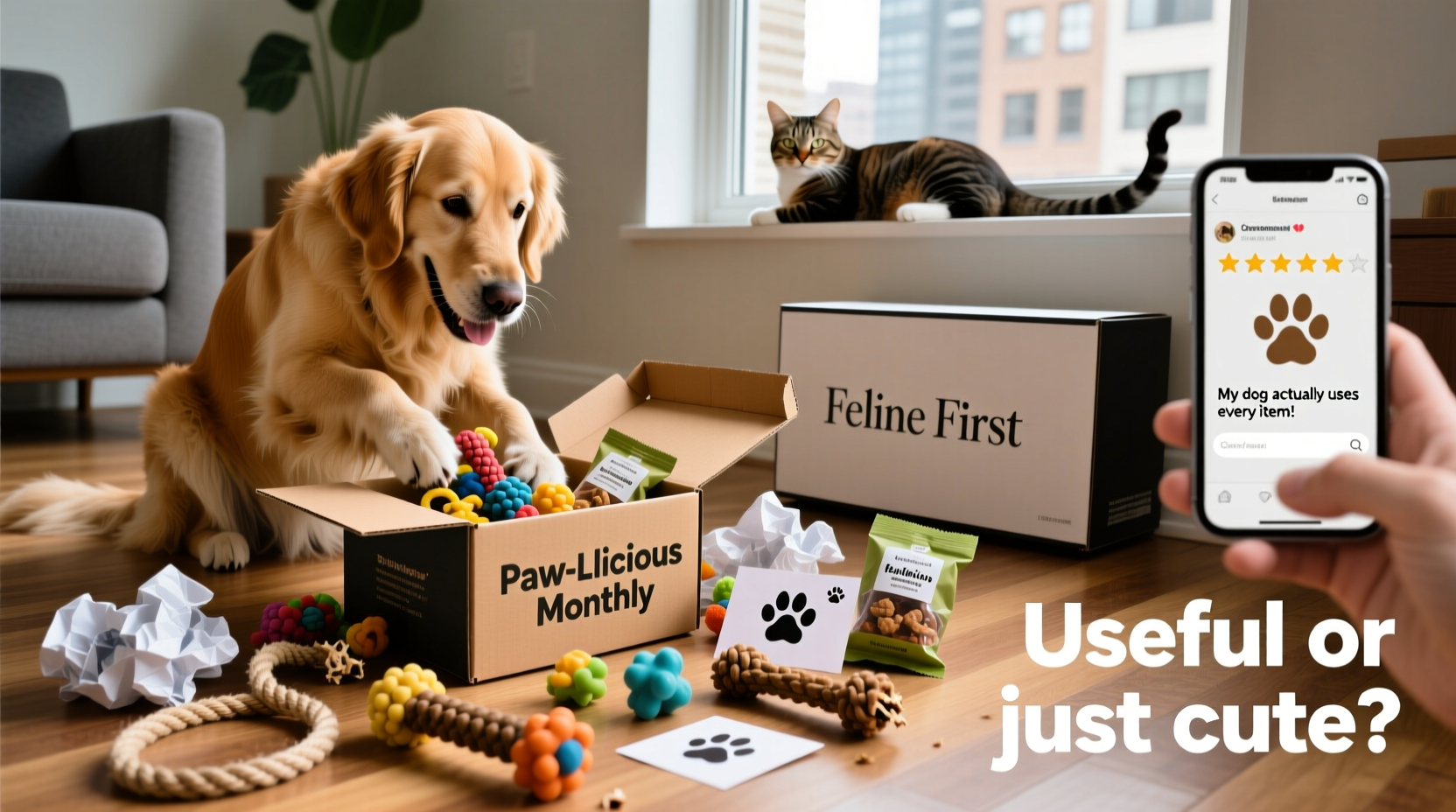
Pet subscription boxes vary widely by provider, price point, and target species. Most cater to dogs and cats, though niche services exist for rabbits, birds, and even reptiles. A standard box usually includes:
- 2–4 treats (often gourmet or limited ingredient)
- 1–2 toys (plush, chew-resistant, or puzzle-based)
- A chew or dental product (like bully sticks or dental chews)
- Sometimes accessories (bandanas, collars, grooming wipes)
Some brands emphasize natural or organic ingredients, while others focus on durability or mental stimulation. Higher-tier boxes may include premium items like freeze-dried meals or interactive feeders. The perceived value often exceeds the actual cost—many boxes advertise $60+ worth of products for a $30 monthly fee.
But how much of that value translates into real benefit for the pet?
Tip: Always check ingredient lists on treats included in subscription boxes—some \"premium\" labels still contain fillers or allergens your pet may not tolerate.The Practical Benefits of Pet Subscription Boxes
Despite skepticism, there are legitimate advantages to using a pet subscription service—if chosen wisely.
Convenience and Time Savings
For busy pet owners, having supplies delivered automatically eliminates last-minute store runs. If your dog finishes a bag of treats every few weeks, a monthly box ensures you never run out. This predictability can be especially helpful for households managing multiple pets or those with demanding schedules.
Product Discovery
Subscription boxes serve as low-risk sampling platforms. Instead of buying a full-sized bag of unfamiliar treats, you get a trial portion. This allows owners to test for palatability and digestibility without financial waste. One owner reported discovering a novel protein treat that finally agreed with her dog’s sensitive stomach after years of trial and error.
Mental Stimulation and Enrichment
Not all toys are created equal. Many subscription boxes prioritize enrichment—items that challenge pets mentally, such as puzzle feeders or treat-dispensing balls. These tools support cognitive health, particularly in senior animals or high-energy breeds prone to boredom. A 2022 study published in *Applied Animal Behaviour Science* found that dogs receiving novel toys weekly showed reduced signs of separation anxiety and destructive chewing.
“Enrichment isn’t a luxury—it’s a necessity. Regular novelty in play objects helps prevent behavioral issues.” — Dr. Lena Torres, Veterinary Ethologist
The Hidden Downsides: When Cute Packaging Masks Waste
While appealing, many subscription boxes fall short in practicality. The core issue lies in personalization—or lack thereof.
Lack of Customization
Most boxes use broad categories like “small dog” or “puppy,” ignoring critical factors such as breed-specific needs, allergies, activity level, or chewing strength. A Chihuahua doesn’t need a heavy-duty rubber Kong, nor does a Labrador benefit from a flimsy plush toy that disintegrates in minutes. Without precise targeting, up to 40% of items may go unused.
Overconsumption and Clutter
Monthly deliveries encourage accumulation. One survey by PetOwner Insights (2023) found that 57% of subscribers admitted keeping unused toys in storage “just in case.” This surplus leads to decision fatigue during playtime and reduces the novelty effect that makes toys engaging in the first place.
Environmental Impact
The packaging itself is a growing concern. Many boxes feature excessive plastic inserts, non-recyclable wraps, and branded materials that contribute to landfill waste. While some companies use eco-friendly materials, the sheer volume of monthly shipments raises sustainability questions.
| Aspect | Useful When… | Risky When… |
|---|---|---|
| Treats | Aligned with dietary needs, limited ingredients | Contain allergens or fillers like corn meal |
| Toys | Durable, size-appropriate, promote engagement | Too small, easily shredded, pose choking hazard |
| Frequency | Matches pet’s consumption rate | Outpaces usage, leads to hoarding |
| Price | Below retail value of usable contents | Higher than buying individually |
How to Make Pet Subscription Boxes Actually Useful
The key to maximizing value isn’t avoiding subscriptions altogether—but optimizing them. With thoughtful selection and management, these boxes can complement responsible pet ownership.
Step-by-Step Guide to Choosing the Right Box
- Assess your pet’s real needs: Is your dog a power chewer? Does your cat prefer feather wands over balls? Note preferences and restrictions.
- Review sample boxes: Many services publish past box contents online. Analyze whether items match your pet’s profile.
- Check customization options: Look for providers offering breed, weight, allergy, and preference filters.
- Start with a one-time purchase: Avoid auto-renewals until you’ve tested the contents.
- Evaluate usage after delivery: Track which items were used within two weeks. If less than 70% are utilized, reconsider renewal.
Real Example: How One Owner Optimized Her Subscription
Sarah, a Boston Terrier owner in Portland, initially loved her monthly dog box. But after three deliveries, she noticed a pattern: soft plush toys destroyed in minutes, grain-free treats causing mild gas, and accessories she’d never use. She canceled the subscription—then re-engaged six months later with a different brand.
This time, she completed every customization field, specified her dog’s moderate chew strength and chicken allergy, and opted for a “treat-light” plan. The first box included a slow-feeder bowl, a dental rope toy, and salmon-based training bites. All items were used regularly. By being selective, Sarah turned a wasteful habit into a functional tool.
Expert Recommendations and Industry Trends
Veterinarians and animal behaviorists remain divided on pet subscription boxes. Some praise the educational potential—many now include training tips or nutritional guidance. Others warn against normalizing constant novelty.
“The goal should be enrichment, not consumption. A new toy every month means nothing if it doesn’t engage the animal meaningfully.” — Dr. Rajiv Mehta, Board-Certified Veterinary Behaviorist
Industry trends reflect this tension. Leading providers like BarkBox and Petit & Paws now offer “snack-only” or “toy-only” plans, allowing better alignment with pet needs. Others partner with veterinarians to vet ingredients or design cognitive challenges. Transparency in sourcing and recyclable packaging are becoming competitive advantages.
However, the business model still relies on repeat customers. That creates inherent pressure to keep boxes exciting—even if that means including flashy but low-utility items. As one former product manager at a major pet box company admitted anonymously: “We once added glow-in-the-dark fetch balls because they photographed well, even though only 22% of dogs showed interest during trials.”
Frequently Asked Questions
Can subscription boxes replace regular pet supply shopping?
Not entirely. While convenient, most boxes don’t provide essentials like food, flea prevention, or litter in sufficient quantity. They work best as supplements, not replacements.
Are the treats in these boxes safe?
It depends. Reputable companies source treats from FDA-compliant facilities and list ingredients clearly. However, imported treats (especially from certain regions) have been linked to health issues in the past. Always research the brand behind each item.
How do I cancel if I’m unhappy?
Most services allow cancellation before the next billing cycle, typically via your account dashboard. Read the terms carefully—some require 48-hour notice, and a few have been criticized for making cancellations difficult.
Final Verdict: Useful Tool or Marketing Gimmick?
Pet subscription boxes sit at the intersection of genuine utility and consumer psychology. When tailored to a pet’s specific needs, they can introduce valuable products, support mental health, and simplify routine care. But too often, they prioritize aesthetics and surprise over function, leading to waste and disappointment.
Their usefulness hinges on the owner’s intentionality. Blindly accepting whatever arrives in a colorful box is no different than impulse-buying at a pet store. But approaching the service like a curated tool—evaluating contents, rotating items, and canceling when mismatched—is where real value emerges.
Ultimately, the cuteness factor sells the box. But only informed choices determine whether it serves the pet.
💬 Have you tried a pet subscription box? Share your experience—what worked, what didn’t, and whether you’d recommend it. Your insights could help other pet owners decide if these trendy deliveries are worth the hype.








