For many dog owners, mealtime is a quick event—sometimes lasting less than a minute. Fast eating isn’t just messy; it can lead to serious health issues like bloat, choking, and digestive discomfort. In response, slow feeders have gained popularity as tools designed to extend meal duration and promote healthier eating habits. But are they truly beneficial, or do they simply add unnecessary frustration for both pets and their owners? The answer depends on your dog’s breed, temperament, and specific needs.
Slow feeders come in various forms: puzzle bowls, maze-like trays, elevated platforms with obstacles, and even interactive toys that dispense food gradually. While some dogs adapt quickly and enjoy the mental stimulation, others may become stressed or disinterested. Understanding the real impact of these tools requires examining veterinary research, behavioral insights, and practical owner experiences.
The Science Behind Slow Feeding
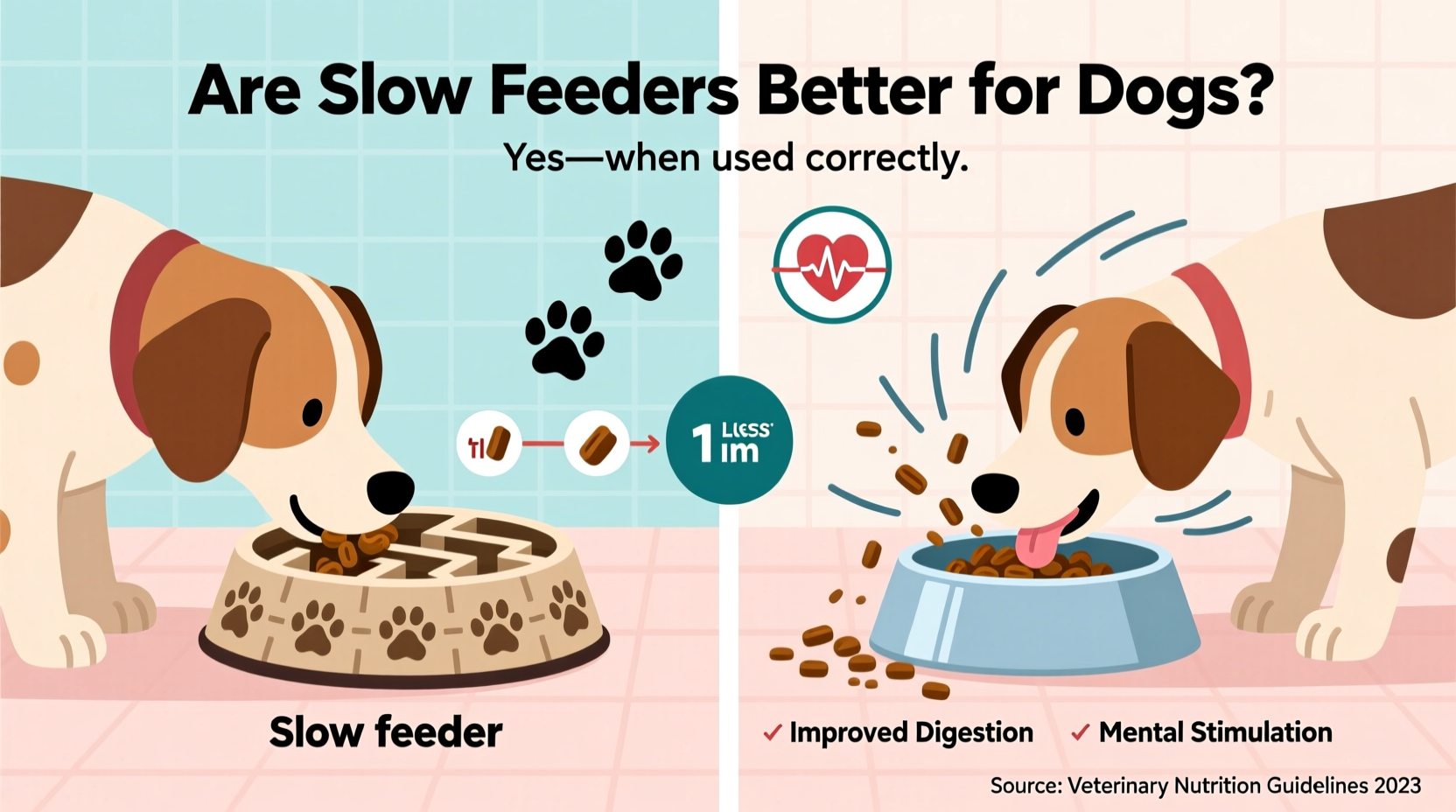
Dogs are natural scavengers, not grazers. In the wild, they spend significant time searching for and consuming food. Domestication has drastically shortened this process, often reducing feeding to mere seconds. This rapid consumption can cause several physiological problems:
- Increased risk of gastric dilatation-volvulus (GDV): Also known as bloat, this life-threatening condition occurs when a dog eats too fast, swallows excessive air, and the stomach fills with gas and twists.
- Poor digestion: Chewing and slower ingestion allow saliva and enzymes to begin breaking down food before it reaches the stomach.
- Overeating: Fast eaters may not register fullness cues in time, leading to weight gain and associated health risks.
A 2019 study published in Applied Animal Behaviour Science found that dogs using slow feeders reduced their eating speed by an average of 65%, with no signs of increased stress when introduced gradually. Veterinarians like Dr. Karen Becker emphasize that “slowing down meals isn’t just about preventing bloat—it’s about aligning feeding practices with a dog’s natural biology.”
“Slowing down meals isn’t just about preventing bloat—it’s about aligning feeding practices with a dog’s natural biology.” — Dr. Karen Becker, Integrative Veterinary Care Advocate
Benefits of Slow Feeders for Dogs
When used appropriately, slow feeders offer several tangible advantages beyond just slowing down consumption.
Mental Stimulation and Enrichment
Dogs thrive on mental engagement. A slow feeder transforms a mundane activity into a cognitive challenge, especially effective for high-energy or intelligent breeds like Border Collies or Poodles. This mental workout can reduce boredom-related behaviors such as chewing, digging, or excessive barking.
Weight Management
Portion control is easier when food is released gradually. Slow feeders help regulate intake by making dogs work for each bite, which can be particularly useful for overweight dogs on calorie-restricted diets. The extended meal duration also helps signal satiety more effectively to the brain.
Improved Digestion
Eating slowly allows for better mastication (chewing), even if minimal, and reduces aerophagia—the swallowing of air. Less air in the digestive tract means fewer instances of gas, burping, and discomfort.
Reduced Competition in Multi-Dog Households
In homes with multiple dogs, slow feeders can minimize food guarding and competitive eating. When each dog is occupied with their own puzzle bowl, the focus shifts from guarding resources to solving problems.
Tip: Introduce slow feeders during low-stress times, such as morning meals, and mix kibble with a small amount of wet food or broth to encourage interest.When Slow Feeders Can Cause Frustration
Despite their benefits, slow feeders aren’t universally effective. For some dogs, they can create confusion, anxiety, or even refusal to eat. Key factors include:
- Personality type: Nervous or anxious dogs may perceive obstacles around food as threats. Sensitive breeds like Shih Tzus or Greyhounds may give up if the challenge feels too difficult.
- Lack of proper introduction: Throwing a dog into a complex puzzle without acclimation can lead to stress and negative associations with mealtime.
- Poor design: Some feeders are too challenging or difficult to clean, leading to bacterial buildup or frustration.
Owners often report that their dogs paw at the bowl, push it away, or attempt to flip it over. In extreme cases, dogs may skip meals entirely if they associate the feeder with effort rather than reward.
Mini Case Study: Max, the Impatient Labrador
Max, a 3-year-old male Labrador Retriever, had a history of gulping his food in under 30 seconds. His owner, Sarah, was concerned after her vet mentioned the risk of bloat. She purchased a popular maze-style slow feeder and placed Max’s dinner inside. On the first night, Max sniffed the bowl, pawed at it once, then walked away. Over the next two days, he ate only half his food. Worried about malnutrition, Sarah consulted a canine behaviorist.
The solution? Start simpler. She switched to a shallow scatter mat—a rubber tray with low ridges—and hand-scattered kibble across it. Max began to engage. Within a week, she reintroduced the maze feeder with only a few pieces hidden. Gradually, Max learned to navigate the design. After three weeks, he was consistently finishing meals in 10–12 minutes—up from 25 seconds—with no signs of stress.
This case highlights a crucial point: success with slow feeders depends on gradual training, not just equipment.
Choosing the Right Slow Feeder: A Practical Guide
Not all slow feeders are created equal. Selecting the right one involves matching the design to your dog’s size, eating style, and temperament.
Step-by-Step Guide to Introducing a Slow Feeder
- Start with a simple design: Use a flat puzzle mat or a low-obstacle bowl.
- Hand-feed initial bites: Let your dog eat a few pieces directly from the feeder while you hold it to build positive association.
- Scatter kibble visibly: Place food in open areas first, then gradually move to more concealed spots.
- Increase difficulty slowly: After 3–5 successful meals, switch to a more complex model.
- Monitor behavior: Watch for signs of frustration (pawing, walking away, growling) and adjust accordingly.
- Maintain consistency: Use the feeder daily to reinforce the habit.
Checklist: Is a Slow Feeder Right for Your Dog?
- ☑ Does your dog eat faster than 1 minute per meal?
- ☑ Has your dog ever vomited shortly after eating due to overconsumption?
- ☑ Is your dog prone to bloating or belongs to a high-risk breed (e.g., Great Dane, German Shepherd)?
- ☑ Is your dog mentally under-stimulated or exhibits destructive behaviors?
- ☑ Are you willing to invest time in training and supervision during the transition?
If you answered “yes” to three or more, a slow feeder could be a valuable addition to your routine.
Comparison Table: Types of Slow Feeders
| Type | Best For | Pros | Cons |
|---|---|---|---|
| Maze Bowls | Medium to large dogs with strong snouts | Highly effective at slowing eating; durable | Hard to clean; may frustrate timid dogs |
| Scatter Mats | Nervous or new users | Easy introduction; flexible and portable | Less challenging long-term |
| Elevated Feeders with Obstacles | Dogs with joint issues or senior dogs | Promotes better posture; adjustable difficulty | Bulkier; higher cost |
| Interactive Puzzle Toys | High-energy or intelligent breeds | Provides mental stimulation; doubles as toy | Time-consuming; not ideal for full meals |
| Double Bowl Inserts (Baffle Plates) | Owners seeking affordable options | Cheap, fits standard bowls, easy to clean | Less engaging; limited effectiveness |
Frequently Asked Questions
Can slow feeders cause anxiety in dogs?
Yes, if introduced too quickly or used with dogs who are food-motivated but easily frustrated. Anxiety manifests as pacing, whining, or avoiding the bowl. To prevent this, start with easier models and use positive reinforcement during meals.
How long should a dog take to eat using a slow feeder?
An ideal meal duration is between 10 and 20 minutes. If your dog finishes in under 5 minutes, the feeder may not be challenging enough. If they take longer than 30 minutes or stop eating, it might be too difficult or uncomfortable.
Are slow feeders safe for puppies?
Yes, with caution. Puppies benefit from mental stimulation, but their jaws and teeth are still developing. Choose soft silicone or rubber models without sharp edges, and supervise closely to ensure they don’t chew and swallow parts.
Conclusion: Balancing Benefit and Frustration
Slow feeders are not a one-size-fits-all solution, but for many dogs, they offer meaningful health and behavioral benefits. They can reduce the risk of life-threatening conditions, improve digestion, and provide essential mental enrichment. However, their success hinges on thoughtful selection and patient training.
The key is to view slow feeders not as a quick fix, but as part of a broader approach to canine well-being. Just as we wouldn’t expect a child to solve a complex puzzle on the first try, dogs need time and encouragement to adapt. When introduced correctly, what might initially seem like frustration often transforms into engagement and satisfaction.
If your dog gulps food, struggles with weight, or lacks daily stimulation, a slow feeder could be a smart investment. Start simple, observe closely, and adjust based on your dog’s response. The goal isn’t to make mealtime harder—it’s to make it healthier, safer, and more enriching.
💬 Have you tried a slow feeder with your dog? Share your experience, challenges, or tips in the comments—your insights could help another pet owner make a safer, smarter choice.








