
Reptile heat lamps are essential for maintaining the proper thermal environment in terrariums and enclosures. These bulbs simulate the warmth of sunlight, helping cold-blooded animals regulate their body temperature and support vital biological functions such as digestion and immune response. However, when used in homes with young children or other household pets—especially curious cats, dogs, or birds—the presence of an exposed heat lamp raises valid safety concerns. While these devices are generally safe when properly installed and monitored, they can pose burn risks, fire hazards, and behavioral stress if not managed correctly. Understanding how to use reptile heat lamps responsibly is crucial for ensuring both animal welfare and household safety.
Understanding How Reptile Heat Lamps Work
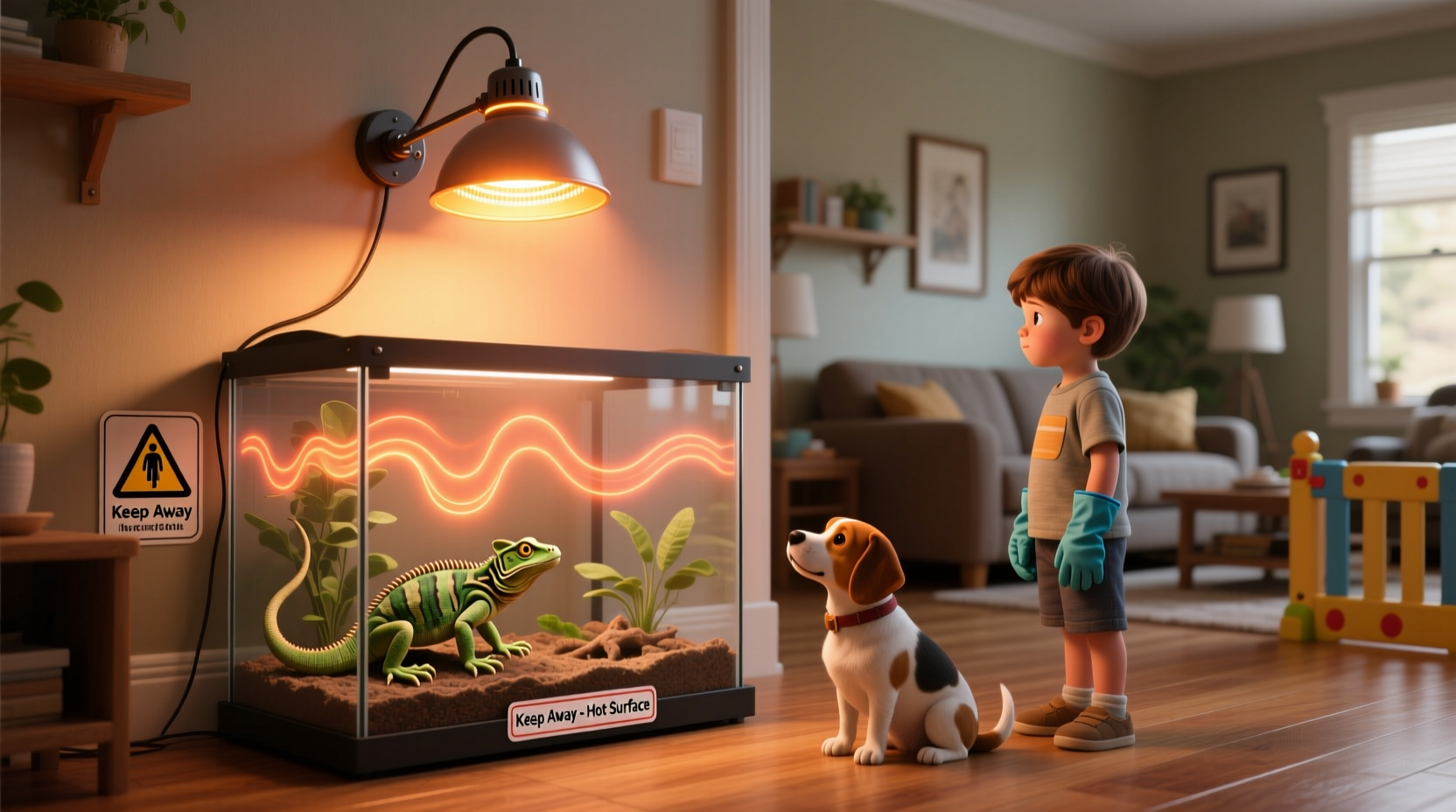
Reptiles are ectothermic, meaning they rely on external sources of heat to maintain their body temperature. In captivity, this need is often met using heat lamps that emit infrared radiation. Most commonly, these are incandescent or ceramic heat emitters mounted above or beside a reptile enclosure. The bulbs generate significant radiant heat, which warms basking surfaces without necessarily raising ambient air temperature too much.
The intensity and reach of the heat depend on several factors: bulb wattage, distance from the animal, fixture type, and duration of use. For example, a 75-watt bulb placed too close to the cage top can easily exceed 120°F (49°C) at the surface level. This creates a potentially dangerous situation if fingers, paws, or fur come into contact with the fixture.
It's also important to note that while the light may appear dim or warm rather than blindingly bright, the heat output remains high. This deceptive quality makes it especially risky for children who might not perceive danger until after touching the hot surface.
Tip: Always test the surface temperature near the lamp with a non-contact infrared thermometer before allowing access to the area.Key Risks Associated with Heat Lamps in Shared Spaces
When reptile enclosures are kept in common areas like living rooms, bedrooms, or playrooms, the proximity to children and other pets increases exposure risk. Below are the primary dangers associated with improper use of heat lamps:
- Burn injuries: Direct contact with a heat lamp or its housing can cause first- or second-degree burns within seconds.
- Fire hazard: If flammable materials (curtains, bedding, paper) are nearby, overheating can ignite fires. Faulty wiring or incompatible fixtures increase this risk.
- Thermal stress for other pets: Birds, small mammals, and even cats may be drawn to the warmth but lack the ability to self-regulate exposure, leading to overheating.
- Behavioral disruption: Constant artificial light and heat can disturb sleep cycles in nocturnal pets or cause anxiety in light-sensitive animals.
- Electrical hazards: Exposed cords or outlets near water sources (such as in humid vivarium setups) can lead to shocks, particularly with toddlers exploring their environment.
“Any heating device that reaches temperatures above 100°F should be treated as a potential burn source—especially in homes with unsupervised children or pets.” — Dr. Laura Simmons, DVM, Exotic Animal Safety Consultant
Safety Best Practices for Households with Kids and Pets
Maintaining a reptile does not require sacrificing safety elsewhere in the home. With thoughtful planning and consistent precautions, you can safely integrate a heat lamp into a family-friendly space. The following strategies reduce risk significantly:
1. Secure Enclosure Placement
Position the terrarium in a low-traffic area, out of reach from small hands and jumping animals. Avoid placing it near furniture that could be climbed, such as bookshelves or sofas. Ideally, the entire setup should be elevated on a sturdy stand and located against a wall away from walkways.
2. Use Protective Fixtures and Guards
Always install a wire mesh guard or ceramic socket cover around the bulb. These prevent direct contact and help dissipate heat more evenly. Dome-style ceramic sockets rated for high heat are preferable over plastic ones, which can degrade and melt over time.
3. Install Timers and Thermostats
Automate the lighting schedule using a programmable timer to ensure the lamp turns off during nighttime hours. Pair this with a thermostat to regulate temperature and prevent overheating due to equipment malfunction.
4. Supervise Interactions
Never allow children to interact with the enclosure unsupervised. Teach them early that the \"hot light\" is not a toy and demonstrate appropriate behavior around pets. For younger kids, consider installing a physical barrier like a baby gate around the reptile zone.
5. Regular Maintenance Checks
Inspect cords, plugs, and fixtures weekly for signs of wear, fraying, or discoloration. Replace any damaged components immediately. Dust buildup on bulbs can also cause overheating, so clean fixtures gently when cool and unplugged.
| Risk Factor | Prevention Strategy | Recommended Tool/Action |
|---|---|---|
| Burns from touching bulb | Install protective guard | Wire mesh cage or ceramic shroud |
| Fire from nearby materials | Clear 2-foot radius | Keep papers, fabrics, plants away |
| Overheating enclosure | Use thermostat control | Digital probe thermostat |
| Unsupervised access | Restrict location | Elevated stand + room door/gate |
| Electrical shock | Protect cords | Cord covers or conduit sleeves |
Real-Life Scenario: A Close Call in a Family Home
In suburban Ohio, the Martinez family set up a bearded dragon habitat in their child’s bedroom. The 5-year-old daughter loved watching her pet bask under the red glow of the heat lamp each evening. One night, while reaching into the top of the open-top tank to adjust a decoration, she accidentally brushed her forearm against the unprotected bulb housing. She screamed in pain—the metal reflector had reached nearly 140°F (60°C). Fortunately, the injury was minor: a small second-degree burn requiring only topical treatment. But the incident prompted immediate changes.
The parents moved the enclosure to a locked display cabinet in the living room, added a full wire guard, installed a digital thermostat, and began teaching their daughter about “hot zones” in the house. They also started using a motion-sensor outlet that shuts off power if someone lingers too close. Since then, no further incidents have occurred, and the educational experience strengthened the child’s awareness of household dangers.
Tip: Involve older children in monitoring temperature logs—it turns safety into a learning opportunity.How Other Pets React to Reptile Heat Lamps
Dogs and cats may view the warm, glowing bulb as an inviting spot to nap. Some owners report their cats attempting to jump onto enclosures or paw at the glass. Birds, particularly parrots, may become agitated by the constant light cycle if it disrupts their own sleep patterns. Small mammals like rabbits or guinea pigs housed nearby can suffer heat stress if the ambient temperature rises unexpectedly.
To minimize cross-species impact:
- House other pets’ enclosures at least 6 feet away from the reptile setup.
- Avoid using colored or UV-emitting bulbs during nighttime hours to preserve natural circadian rhythms.
- Monitor room temperature with a separate thermometer to ensure overall comfort levels remain stable.
- Observe behavior: if another pet shows signs of obsession, distress, or lethargy near the lamp, relocate the reptile habitat.
Step-by-Step Guide to Making Your Reptile Lamp Child- and Pet-Safe
- Assess your current setup: Identify all potential points of contact with the heat lamp or electrical components.
- Elevate the enclosure: Place the terrarium on a secure, non-climbable surface at least 3 feet off the ground.
- Add a protective barrier: Install a metal mesh guard over the bulb and ensure it cannot be dislodged.
- Route and secure cords: Use cord clips or conduit to keep wires out of reach and prevent tripping or chewing.
- Install automation tools: Connect the lamp to a timer and thermostat to eliminate human error.
- Set boundaries: Use furniture arrangement or baby gates to create a restricted zone around the enclosure.
- Educate household members: Explain the dangers clearly to children and caregivers using age-appropriate language.
- Conduct weekly checks: Inspect equipment, clean fixtures, and verify temperature readings regularly.
Frequently Asked Questions
Can I leave a reptile heat lamp on overnight?
No, most reptiles do not require continuous light-based heating at night. While some species benefit from 24/7 warmth, it should be provided via ceramic heat emitters (which produce heat without light) to avoid disrupting sleep cycles. Always follow species-specific care guidelines and use thermostats to manage nighttime temperatures safely.
Are LED bulbs safe alternatives to heat lamps?
LEDs produce minimal heat and are not suitable as primary heat sources for reptiles. They can supplement daylight simulation but cannot replace infrared or ceramic heaters. Using LEDs alone will result in inadequate basking temperatures and health issues for your pet.
What should I do if my child or pet touches a hot lamp?
Immediately remove them from contact and assess the injury. For minor burns, run cool (not cold) water over the area for 10–15 minutes. Do not apply ointments or break blisters. Seek medical or veterinary attention promptly, especially if blistering, swelling, or pain persists. Document the incident and re-evaluate your safety setup afterward.
Final Thoughts: Balancing Responsibility and Enjoyment
Keeping reptiles as pets offers unique educational and emotional benefits, especially for children learning about responsibility and biology. However, integrating specialized equipment like heat lamps into shared living spaces demands vigilance and proactive safety measures. By treating the heat lamp not just as a tool for your reptile but as a potential household hazard, you create a safer environment for everyone—two-legged, four-legged, and scaled alike.
Technology has made it easier than ever to automate and monitor conditions, reducing reliance on manual oversight. From smart thermostats to motion-detecting outlets, modern solutions empower pet owners to enjoy exotic animals without compromising safety. The key lies in consistent evaluation, clear communication, and respect for the power of heat—even when it comes from a small bulb in a glass box.
💬 Have you experienced a safety challenge with your reptile setup? Share your story or tips in the comments to help others create safer, smarter habitats for their pets and families.








