For many people, a daily makeup routine starts with the lips. Whether it's a bold red or a subtle nude, the right lip product can elevate confidence and complete a look. But as beauty trends shift toward natural, low-maintenance aesthetics, a growing number of users are turning to lip tints over traditional lipstick. While both have their place in a cosmetics collection, the question remains: are lip tints truly better for everyday wear? The answer depends on lifestyle, skin type, desired finish, and long-term comfort. This article explores the differences, advantages, and practical considerations that make lip tints a compelling option for daily use.
Understanding Lip Tints vs. Traditional Lipstick
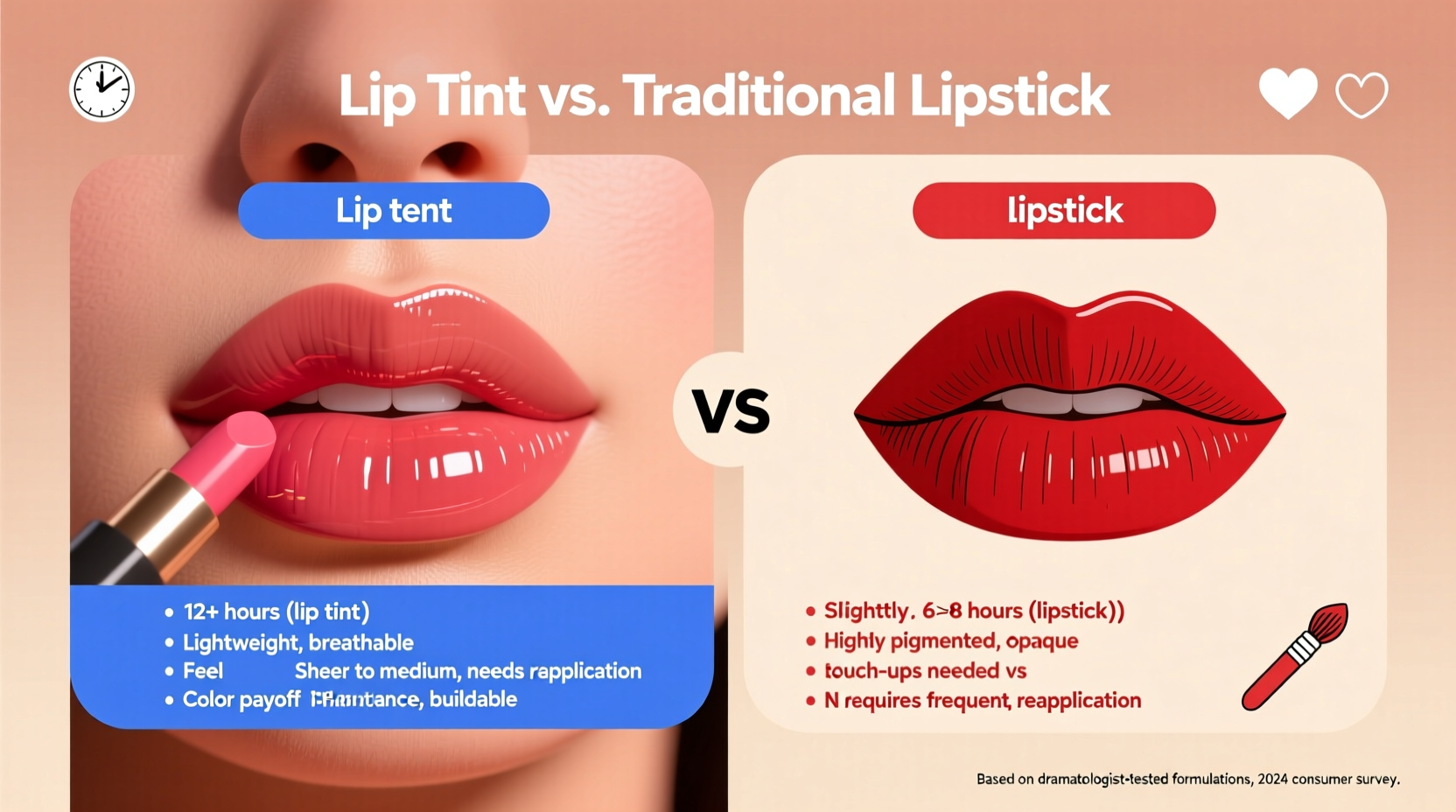
Lip tints and traditional lipsticks serve the same basic purpose—adding color to the lips—but they differ significantly in formulation, application, and longevity. Traditional lipsticks are typically wax-based, offering full coverage with a range of finishes from matte to glossy. They're designed for impact, often used for special occasions or dramatic looks. In contrast, lip tints are water-based or serum-like formulas that gradually stain the lips, creating a sheer, natural flush of color.
The key distinction lies in how each product interacts with the skin. Lipstick sits on the surface of the lips, forming a layer that can crack, feather, or wear off unevenly. Lip tints, however, penetrate slightly into the outer layers of the skin, providing a longer-lasting effect even after eating or drinking. This staining property means the color fades gradually rather than disappearing abruptly, maintaining a consistent, lived-in appearance throughout the day.
Tip: Apply lip tint before your morning coffee—it won’t transfer onto the cup like traditional lipstick.Comfort and Wearability Over Time
One of the most significant factors in choosing a daily lip product is comfort. Many users report that traditional lipsticks, especially matte formulas, can feel drying or heavy after a few hours. Ingredients like waxes, silicones, and pigments may clog pores at the lip edge or contribute to chapping, particularly in dry climates or during colder months.
Lip tints, by comparison, are often formulated with hydrating ingredients such as hyaluronic acid, glycerin, or plant extracts. Their lightweight texture feels more like a balm than makeup, making them ideal for all-day wear. Because they don’t form a thick film, they’re less likely to settle into fine lines or emphasize dry patches—a common issue with long-wear lipsticks.
A 2023 consumer survey by *Beauty Trends International* found that 72% of respondents who switched to lip tints cited \"increased comfort\" as the primary reason. One participant noted, “I wear mine from my commute to dinner without reapplying, and my lips never feel tight or flaky.” This ease of wear makes lip tints particularly suitable for professionals, parents, students, or anyone seeking a no-fuss beauty solution.
Longevity and Maintenance Comparison
When evaluating everyday usability, staying power is crucial. Traditional lipsticks vary widely in durability—glossy formulas may last an hour, while transfer-proof liquids can endure through meals. However, most require frequent touch-ups, especially after eating, drinking, or wiping the mouth.
Lip tints excel in this area due to their semi-permanent staining effect. Once applied and set (usually within 5–10 minutes), the color bonds with the skin cells and resists removal from light friction. A study conducted by Seoul National University’s Dermatology Lab showed that certain dye-based lip tints retained up to 60% of their original intensity after eight hours, even after multiple beverage sips and light facial cleansing.
This doesn’t mean lip tints are completely maintenance-free. They still benefit from occasional reapplication, particularly if a brighter tone is desired. But unlike lipstick, which often leaves noticeable ring stains on cups or requires precise liner work to prevent feathering, lip tints offer a forgiving, buildable alternative.
“Lip tints bridge the gap between skincare and color cosmetics. They provide just enough pigment to enhance natural lip tone without compromising comfort—ideal for modern, minimalist routines.” — Dr. Lena Park, Cosmetic Dermatologist & Product Formulator
Comparison Table: Lip Tint vs. Traditional Lipstick
| Feature | Lip Tint | Traditional Lipstick |
|---|---|---|
| Coverage | Sheer to medium, buildable | Medium to full, opaque |
| Texture | Lightweight, watery or gel-like | Waxy, creamy, or buttery |
| Longevity | 4–8 hours (with stain effect) | 2–6 hours (varies by formula) |
| Transfer Resistance | High (once set) | Low to high (depends on type) |
| Comfort Level | Very high, non-drying | Varies—matte types often dry |
| Application Speed | Fast, minimal precision needed | Slower, often needs liner |
| Ideal For | Daily wear, active lifestyles | Evenings, photos, formal events |
Real-Life Example: A Day in the Life of a Working Professional
Sarah, a 32-year-old project manager in Toronto, used to carry three lipsticks in her bag: one for morning meetings, one midday touch-up, and another for client dinners. She frequently dealt with smudging, feathering, and dryness by mid-afternoon. After switching to a popular cherry-toned lip tint, her routine changed dramatically.
Now, she applies the tint once during her morning skincare regimen. It dries down within minutes, allowing her to drink tea, eat lunch, and kiss her kids goodbye without worrying about mess or fading. “It looks like my lips but better,” she says. “And I don’t have to think about it again until bedtime.” Her colleagues have even commented on how “fresh” she looks during back-to-back Zoom calls, unaware that the secret lies in a product that feels more like hydration than makeup.
This scenario reflects a broader trend: consumers prioritizing efficiency and authenticity in beauty. Lip tints align well with fast-paced schedules and the desire for effortless elegance.
Step-by-Step Guide to Using Lip Tint Effectively
To get the most out of a lip tint, proper application technique matters. Unlike lipstick, which covers imperfections with opacity, lip tints reveal the natural condition of your lips. Follow these steps for optimal results:
- Exfoliate gently: Use a soft toothbrush or sugar scrub to remove dead skin. Smooth lips ensure even color distribution.
- Hydrate first: Apply a thin layer of unscented balm 5–10 minutes before the tint. Wipe off excess to avoid dilution.
- Apply precisely: Use the applicator to outline and fill in lips. Most tints come with doe-foot wands for control.
- Blot lightly (optional): For a more natural, diffused look, press lips together on a tissue after 30 seconds.
- Let it set: Wait 3–5 minutes before eating or drinking to allow the pigment to bind.
- Reapply if needed: Build intensity gradually. Avoid over-layering too quickly, which can cause stickiness.
When Traditional Lipstick Still Wins
Despite the advantages of lip tints, traditional lipstick maintains its relevance—especially in contexts where visibility and vibrancy matter. For stage performances, photography, or evening events, full-coverage lipsticks deliver unmatched richness and dimension. Some formulations also include SPF or antioxidant protection, which most tints lack.
Additionally, individuals with very pale or uneven lip tones may find that sheer tints don’t provide enough correction. In such cases, a concealer base followed by an opaque lipstick offers superior results. Similarly, those who enjoy experimenting with bold colors—like deep purples or blues—may find the palette of lip tints more limited, as many focus on pinks, corals, and nudes.
The choice isn’t always about which is better overall, but which serves the moment best. A balanced makeup collection might include both: a nourishing lip tint for weekdays and a statement lipstick for weekends.
Frequently Asked Questions
Can lip tints cause lip discoloration over time?
Most reputable lip tints use safe, cosmetic-grade dyes and do not cause permanent discoloration. However, prolonged use of products containing certain synthetic pigments (like bromo acid dyes) may lead to mild darkening in sensitive individuals. To minimize risk, choose brands that disclose ingredients and avoid alcohol-heavy formulas.
Are lip tints suitable for mature lips?
Yes, and often preferred. Because they don’t settle into fine lines or appear cracked, lip tints offer a youthful, plump-looking finish. Opt for hydrating versions with peptides or ceramides to support lip health.
How do I remove lip tint effectively?
Due to their staining nature, lip tints require a dedicated cleanser. Use an oil-based makeup remover or micellar water with gentle pressure. Avoid harsh scrubbing, which can irritate delicate lip tissue.
Checklist: Choosing the Right Lip Product for Daily Wear
- ☐ Prioritize comfort and hydration
- ☐ Assess your daily activities (eating, speaking, screen time)
- ☐ Consider climate and season (dry winters favor moisturizing formulas)
- ☐ Test longevity under real conditions (not just in-store)
- ☐ Look for clean, non-irritating ingredients
- ☐ Decide whether you want natural enhancement or bold definition
- ☐ Keep one long-wearing option (tint or liquid) for busy days
Final Thoughts
Lip tints offer a compelling upgrade for everyday wear—lightweight, comfortable, and naturally flattering. They suit modern lifestyles that value simplicity, sustainability, and skin-friendly formulations. While traditional lipsticks remain essential for certain looks and occasions, the versatility and endurance of lip tints make them a smarter default choice for daily use.
Ultimately, beauty is personal. The best product is the one that fits seamlessly into your life, enhances your features, and makes you feel confident without demanding constant attention. If you’ve been relying on lipstick out of habit, consider giving a lip tint a try. You might discover that less really is more.
🚀 Ready to simplify your routine? Swap one lipstick for a hydrating lip tint this week and notice the difference in comfort and convenience. Share your experience in the comments below!








