
Lentils have become a common ingredient in both human and pet foods, especially in grain-free and plant-forward dog diets. As pet owners increasingly scrutinize ingredient labels and seek natural, nutrient-dense options, many wonder: can dogs safely consume lentils? The short answer is yes—when properly prepared and fed in moderation. However, the full picture involves understanding the nutritional profile of lentils, potential health benefits, possible risks, and how they fit into a balanced canine diet. With rising awareness around dilated cardiomyopathy (DCM) and legume-based ingredients in commercial pet food, it's essential to separate fact from speculation. This article provides a comprehensive, science-informed analysis of lentils in canine nutrition, empowering pet owners to make informed dietary decisions.
Definition & Overview
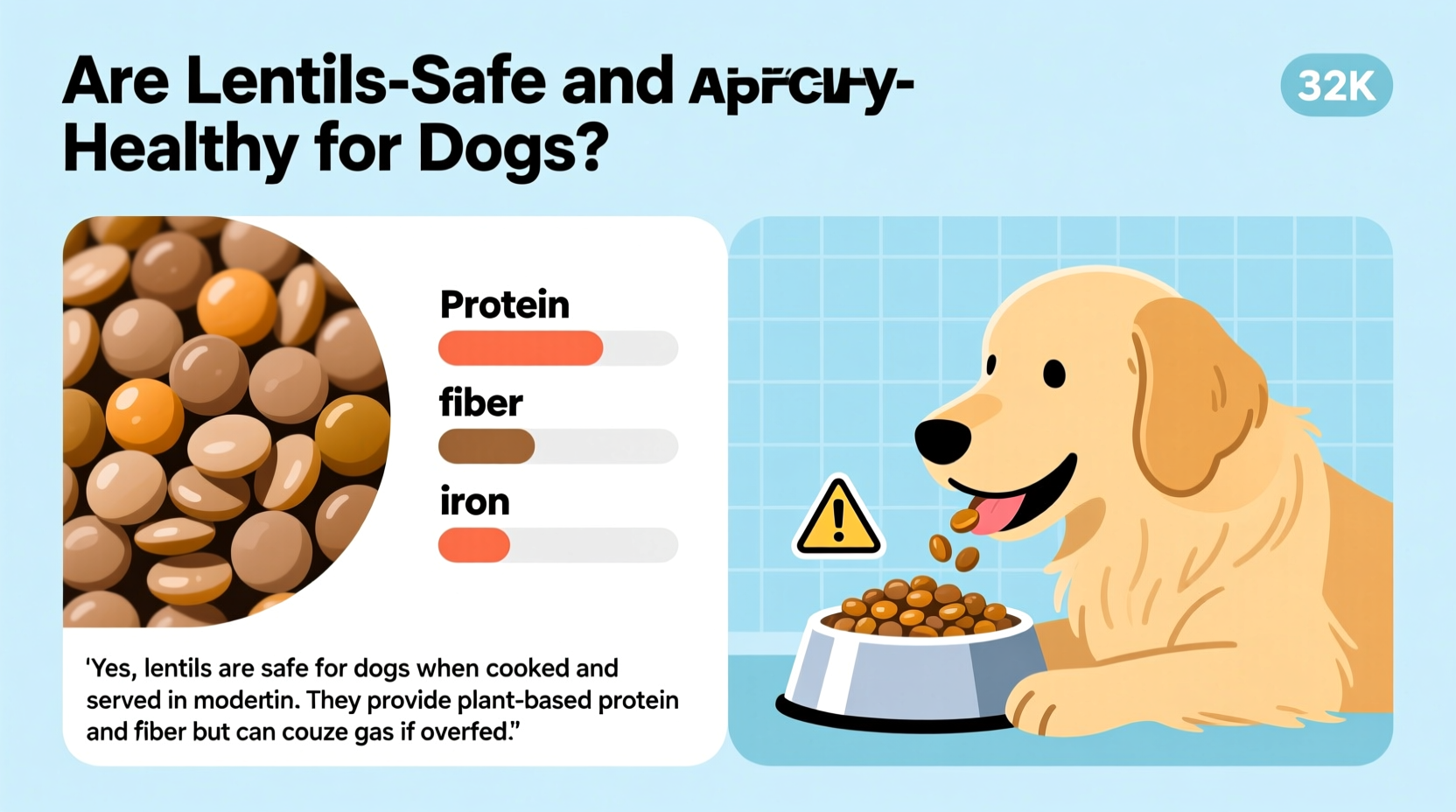
Lentils (*Lens culinaris*) are edible pulses—small, lens-shaped legumes belonging to the Fabaceae family. Originating in the Near East over 8,000 years ago, they are now a global staple due to their high protein, fiber, and micronutrient content. Commonly found in soups, stews, curries, and salads, lentils come in several varieties including green, brown, red, yellow, and black (beluga). Unlike beans or peas, lentils require no pre-soaking and cook relatively quickly, making them convenient for home cooking.
In pet nutrition, lentils are increasingly used as a carbohydrate and plant-protein source, particularly in grain-free dog foods. They offer a lower glycemic index than grains like corn or wheat and contribute essential amino acids, B vitamins, iron, and antioxidants. While not a complete protein source on their own (lacking sufficient methionine and cysteine), they complement animal proteins effectively when included in balanced formulations.
Key Characteristics of Lentils
| Characteristic | Description |
|---|---|
| Flavor Profile | Earthy, mildly nutty; red and yellow lentils are sweeter and milder, while green and brown hold a more robust, peppery note. |
| Aroma | Subtle, bean-like when raw; becomes warm and savory when cooked. |
| Color & Form | Disc-shaped seeds; colors range from olive-green and brown to bright orange and black. |
| Digestibility (Cooked) | High when fully cooked; raw or undercooked lentils are indigestible and may cause gastrointestinal upset. |
| Nutritional Function | Source of complex carbohydrates, plant-based protein, dietary fiber, folate, iron, manganese, and polyphenols. |
| Shelf Life | Up to 2–3 years when stored in a cool, dry place in an airtight container. |
Can Dogs Digest Lentils?
Dogs are primarily carnivores with omnivorous adaptations, meaning they can digest plant matter—but not all forms equally. Raw lentils contain anti-nutrients such as phytic acid and lectins, which interfere with mineral absorption and may damage the gut lining. These compounds are significantly reduced through soaking, rinsing, and thorough cooking. When prepared correctly, lentils are digestible by most healthy adult dogs.
Studies show that cooked lentils have a digestibility rate of approximately 70–80% in dogs, depending on processing method and formulation. Their soluble and insoluble fiber content supports colon health and helps regulate blood glucose levels, making them potentially beneficial for overweight or diabetic dogs when portion-controlled.
TIP: Always serve lentils well-cooked and unseasoned. Avoid garlic, onions, salt, butter, or spices, which are toxic or harmful to dogs. Introduce lentils gradually—start with one teaspoon per 10 pounds of body weight—and monitor for gas, bloating, or loose stools.
Health Benefits of Lentils for Dogs
When incorporated appropriately, lentils offer several nutritional advantages:
- Plant-Based Protein Support: Though incomplete, lentil protein contributes to overall amino acid intake, especially when combined with animal proteins like chicken, beef, or eggs.
- Fiber for Gut Health: High in both soluble and insoluble fiber, lentils promote regular bowel movements, support beneficial gut bacteria, and may reduce constipation.
- Low Glycemic Index: Lentils release glucose slowly, helping maintain stable insulin levels—ideal for diabetic dogs under veterinary supervision.
- Rich in Micronutrients: Good source of iron (supports red blood cell production), folate (cellular function), phosphorus, and manganese (bone and metabolic health).
- Antioxidant Content: Contain polyphenols like tannins and flavonoids, which combat oxidative stress and inflammation.
A 2020 study published in the *Journal of Animal Physiology and Animal Nutrition* found that dogs fed moderate amounts of cooked lentils (up to 20% of total diet) showed improved fecal quality and no adverse effects on nutrient absorption, provided the rest of the diet was nutritionally balanced.
Potential Risks and Concerns
Despite their benefits, lentils are not without controversy in canine nutrition—particularly in relation to heart health.
Dilated Cardiomyopathy (DCM) and Legumes
In 2018, the U.S. Food and Drug Administration (FDA) began investigating a potential link between grain-free dog foods containing legumes (including lentils, peas, and chickpeas) and an uptick in cases of DCM, a serious heart condition. While no definitive causal relationship has been established, the concern centers on whether high-legume diets may lead to taurine deficiency—an amino acid critical for heart function—in some dogs.
Current research suggests that certain breeds (e.g., Golden Retrievers, Cocker Spaniels, Doberman Pinschers) may be genetically predisposed to taurine deficiency when fed diets high in legumes and low in animal protein. However, most healthy dogs produce adequate taurine endogenously and do not require supplementation unless medically indicated.
\"The FDA’s findings highlight the importance of diet formulation, not individual ingredients. Lentils themselves are not dangerous, but their role in imbalanced, ultra-processed grain-free kibble warrants caution.\" — Dr. Jennifer Larsen, DVM, PhD, Board-Certified Veterinary Nutritionist, UC Davis School of Veterinary Medicine
Other Considerations
- Gas and Bloating: Lentils contain oligosaccharides (complex sugars) fermented by gut bacteria, which can cause flatulence in sensitive dogs.
- Allergic Reactions: Rare, but possible. Signs include itching, ear infections, or gastrointestinal distress after consumption.
- Portion Control: Excessive lentils displace essential animal proteins and fats, potentially leading to nutritional gaps.
- Raw Lentils Are Unsafe: Contain lectins and enzyme inhibitors that can cause nausea, vomiting, and diarrhea.
Variants & Types of Lentils for Dogs
Not all lentils behave the same in cooking or digestion. Here’s how common types compare for canine use:
| Type | Cooking Behavior | Suitability for Dogs | Notes |
|---|---|---|---|
| Brown Lentils | Hold shape well; earthy flavor | High – most common, reliable | Ideal for mixing into meals; widely available |
| Green Lentils | Firm texture, slightly peppery | High – good for structure | Takes longer to cook; excellent in chunky stews |
| Red & Yellow Lentils | Mush quickly; sweet, mild taste | Very High – easily digestible | Great for senior dogs or those with dental issues; blends smoothly |
| Black (Beluga) Lentils | Hold shape, shiny appearance | Moderate – pricier, less common | Higher anthocyanin content (antioxidants); best for special diets |
| Split Lentils | Cook fastest; break down completely | High – ideal for purees | No soaking needed; excellent for homemade dog food |
Comparison with Similar Ingredients
Lentils are often grouped with other legumes and starch sources in dog food. Understanding differences helps avoid confusion and ensures proper dietary balance.
| Ingredient | Protein Content | Fiber Level | Key Differences from Lentils |
|---|---|---|---|
| Chickpeas | ~19% | High | Harder texture; higher in fat; may cause more gas |
| Peas (green) | ~16% | Moderate | Sweeter; more commonly linked to DCM concerns in kibble |
| Rice (brown) | ~7% | Low-Moderate | Lower protein/fiber; easier to digest; hypoallergenic |
| Oats | ~13% | Moderate (soluble fiber) | Higher in beta-glucans; gentler on sensitive stomachs |
| Quinoa | ~14% | Moderate | Complete plant protein; contains saponins (must rinse) |
Lentils stand out for their high protein-to-calorie ratio and dense micronutrient profile. Compared to rice or oats, they offer more sustained energy and satiety, but may be less suitable for dogs with delicate digestion.
Practical Usage: How to Feed Lentils to Dogs
Integrating lentils into your dog’s diet requires attention to preparation, quantity, and balance. Follow these steps for safe, effective inclusion:
- Choose Whole, Unseasoned Lentils: Buy plain dried or canned (low-sodium, no additives). Rinse canned lentils thoroughly.
- Soak (Optional but Recommended): Soak for 2–4 hours to reduce phytic acid and improve digestibility.
- Cook Until Soft: Simmer in water (1:2 ratio) for 20–30 minutes until mushy. No oil, salt, or spices.
- Cool Before Serving: Mix into regular food once at room temperature.
- Start Small: Begin with 1 tsp per 10 lbs of body weight 1–2 times per week.
- Monitor Response: Watch for gas, changes in stool, or skin reactions over 3–5 days.
- Balance the Diet: Lentils should not exceed 10–15% of total daily calories. Pair with animal protein (e.g., boiled chicken, ground turkey) and healthy fats (e.g., fish oil).
RECIPE IDEA: Lentil & Chicken Dog Meal
• ½ cup cooked brown lentils
• 1 cup shredded boiled chicken
• 1 tbsp olive oil or salmon oil
• 1 tsp chopped parsley (optional)
Mix and serve cooled. Portion based on dog size: small dogs (¼ cup), medium (½ cup), large (¾–1 cup). Store leftovers up to 3 days in fridge.
Practical Tips & FAQs
Can puppies eat lentils?
Yes, but cautiously. Puppies require high-energy, highly digestible diets rich in animal protein. Lentils can be introduced in very small amounts (½ tsp) after 12 weeks of age, only if well-tolerated. Prioritize meat-based nutrition during growth phases.
How often can I feed my dog lentils?
2–3 times per week is generally safe for adult dogs. Daily feeding increases risk of digestive discomfort or nutrient imbalance unless part of a veterinarian-formulated diet.
Are canned lentils okay for dogs?
Only if labeled \"no salt added\" and thoroughly rinsed. Most canned versions contain sodium levels unsafe for dogs. Dried lentils are preferable for control and cost.
Can lentils replace meat in a dog’s diet?
No. Dogs require essential amino acids (e.g., taurine, L-carnitine), preformed vitamin A, and arachidonic acid found only in animal tissues. Plant-based diets must be carefully supplemented and are not recommended without veterinary oversight.
Do lentils help with weight management?
Yes, in moderation. Their high fiber and protein content increase satiety, reducing begging and overeating. Replace a portion of kibble with lentils (not add extra volume) to manage calorie intake.
How should I store cooked lentils?
Cool completely, then refrigerate in an airtight container for up to 5 days or freeze in portions for up to 3 months. Thaw in fridge before reheating gently.
What signs indicate my dog shouldn’t eat lentils?
Chronic gas, soft stools, vomiting, or skin irritation after consumption suggest intolerance. Discontinue use and consult your vet. Dogs with pancreatitis or inflammatory bowel disease may need to avoid legumes altogether.
Summary & Key Takeaways
Lentils are safe and nutritious for most dogs when cooked properly and fed in moderation. They provide valuable fiber, plant-based protein, and essential minerals, supporting digestive and metabolic health. However, they are not a substitute for animal-derived nutrients and should never dominate a dog’s diet.
The ongoing discussion about legumes and heart health underscores the importance of balanced, species-appropriate nutrition—not fear of single ingredients. Homemade lentil dishes can enhance variety and wellness, but commercial diets high in legumes warrant scrutiny, especially for at-risk breeds.
To safely incorporate lentils:
- Always cook them thoroughly—never serve raw.
- Avoid seasoning, salt, garlic, or onions.
- Introduce slowly and monitor for adverse reactions.
- Limit to 10–15% of total caloric intake.
- Pair with high-quality animal protein sources.
- Consult your veterinarian before making significant dietary changes, especially for dogs with medical conditions.
Final Note: Food is medicine—but context matters. Lentils are a tool, not a trend. Used wisely, they can contribute to a diverse, nourishing diet. When in doubt, prioritize whole, minimally processed ingredients and professional guidance over marketing claims.









