Fragrance diffusers have become a popular way to enhance indoor air quality and create a calming atmosphere in homes. With their subtle scents and elegant designs, they offer an appealing alternative to candles or sprays. However, for households with birds or other sensitive indoor pets, the use of these devices raises serious health concerns. Unlike humans, many animals—especially birds—have extremely delicate respiratory systems that can be severely affected by airborne chemicals, even in small concentrations. Understanding the risks associated with fragrance diffusers is not just about comfort; it’s a matter of safety and responsible pet ownership.
Why Birds Are Especially Vulnerable
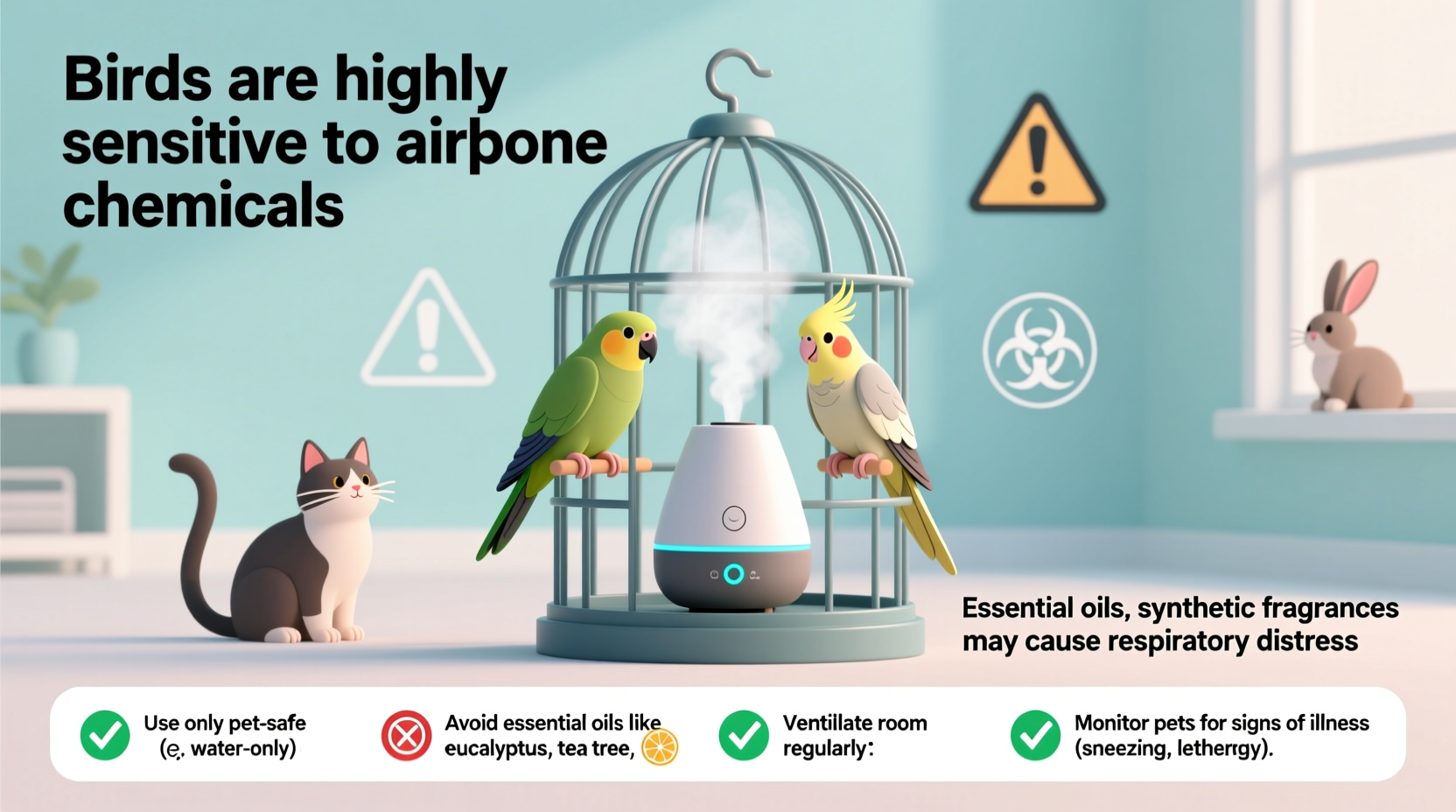
Birds possess one of the most efficient respiratory systems in the animal kingdom. Their lungs are connected to a network of air sacs that allow for continuous airflow and high oxygen absorption—ideal for flight, but dangerously reactive to airborne pollutants. This efficiency means they absorb toxins more rapidly than mammals, making them highly susceptible to respiratory distress from volatile organic compounds (VOCs), essential oils, and synthetic fragrances commonly found in diffusers.
Unlike dogs or cats, birds do not have a diaphragm and rely on precise air pressure changes for breathing. When exposed to irritants, inflammation can quickly compromise their ability to breathe, leading to labored respiration, wheezing, or even sudden death. According to avian veterinarians, birds can show signs of toxicity within minutes of exposure to diffused oils like tea tree, eucalyptus, citrus, or cinnamon—all common ingredients in commercial diffuser blends.
“Birds are sentinels of air quality. If a substance affects them, it’s likely affecting everyone in the household—even if they don’t notice it.” — Dr. Jennifer Graham, DVM, Diplomate ACZM, Purdue University College of Veterinary MedicineTip: Never use any type of aerosol, vaporizer, or diffuser in a room where birds are housed, even if ventilation seems adequate.
Common Diffuser Ingredients and Their Risks to Pets
The danger doesn’t come solely from the scent itself, but from how it’s delivered. Ultrasonic diffusers disperse microscopic oil particles into the air, which can settle on feathers, be ingested during preening, or be inhaled deep into the lungs. Reed diffusers release fragrance continuously through evaporation, creating a low-level but persistent exposure.
Below is a comparison of common diffuser ingredients and their known effects on birds and other indoor pets:
| Ingredient | Risk to Birds | Risk to Cats | Risk to Dogs |
|---|---|---|---|
| Tea Tree Oil | High – causes respiratory failure, neurological symptoms | High – toxic if absorbed through skin or ingested | Moderate – skin irritation, vomiting if licked |
| Eucalyptus Oil | High – severe respiratory irritation | Moderate – gastrointestinal upset, lethargy | Low to Moderate – drooling, vomiting |
| Lavender Oil | Moderate – may cause drowsiness, breathing difficulty | Moderate – potential liver damage with prolonged exposure | Low – generally safe in very low concentrations |
| Citrus Oils (Lemon, Orange) | High – phototoxicity, lung irritation | High – skin sensitivity, liver toxicity | Moderate – gastrointestinal issues |
| Synthetic Fragrances | High – unknown chemical mixtures often include VOCs | Unknown – may trigger asthma or allergies | Low – but long-term effects unclear |
Even \"natural\" or \"organic\" labels do not guarantee safety. Essential oils are concentrated plant extracts and are inherently potent. What may smell pleasant to humans can overwhelm a bird’s system or trigger toxic reactions in cats, who lack certain liver enzymes needed to metabolize terpenes and phenols found in many oils.
Signs of Respiratory Distress in Birds and Other Pets
Early detection is critical. Because birds instinctively hide illness as a survival mechanism, symptoms may only appear when the condition is advanced. Watch for the following warning signs after using a diffuser:
- In birds: Tail bobbing while breathing, sneezing, nasal discharge, puffed-up feathers, lethargy, loss of appetite, or sudden death.
- In cats: Excessive drooling, vomiting, difficulty walking, tremors, or labored breathing.
- In dogs: Coughing, gagging, watery eyes, or unexplained fatigue.
If any of these symptoms occur, immediately turn off the diffuser, ventilate the area, and remove the pet from the environment. Contact a veterinarian without delay—especially for birds, whose conditions can deteriorate within hours.
A Real-Life Example: The Canary Incident
In 2022, a family in Portland introduced a lavender-scented ultrasonic diffuser into their living room, unaware that their pet canary was in an adjacent sunroom with shared airflow. Within two hours, the bird became listless and began tail-bobbing. The owners rushed it to an emergency avian clinic, where the vet diagnosed acute respiratory irritation due to essential oil inhalation. Despite treatment, the bird passed away the next day. A follow-up consultation revealed that even though the diffuser wasn’t in the same room, airborne particles had circulated through the house’s HVAC system. This case underscores how easily diffusion can impact pets—even at a distance.
Safer Alternatives for Scenting Your Home
You don’t have to sacrifice a fresh-smelling home to keep your pets safe. Several non-toxic, pet-friendly options exist that provide pleasant aromas without risking respiratory health.
Tip: Open windows regularly to refresh indoor air naturally—free and effective.Step-by-Step Guide: Creating a Pet-Safe Scented Environment
- Assess your pet’s sensitivity: Birds and cats should always be prioritized due to their fragile metabolisms.
- Eliminate all diffusers from pet areas: This includes bedrooms, living rooms, and any space with shared air circulation.
- Use natural odor absorbers: Place bowls of baking soda, activated charcoal, or coffee grounds in problem areas.
- Simmer pot method: Boil citrus peels, cinnamon sticks, and cloves on the stove—only when pets are not present and never leave unattended.
- Wash fabrics frequently: Use pet-safe detergents to eliminate odors at the source rather than masking them.
- Invest in an air purifier: Choose a HEPA filter with no ionizer function, as ionizers can produce ozone—a lung irritant for birds.
For those who still wish to enjoy scented products, consider using a single, short burst of a natural linen spray in a room where pets do not spend time—and only when they are absent. Always allow ample time for ventilation before allowing pets back into the space.
What the Experts Recommend
Veterinary organizations such as the American Bird Veterinary Association (ABVA) and the ASPCA strongly advise against the use of essential oil diffusers in homes with birds or cats. Dr. Laurie Hess, a board-certified avian veterinarian, emphasizes that “there is no safe level of exposure” for many essential oils when it comes to birds.
“The concept of ‘aromatherapy’ does not apply to birds. Their physiology makes them uniquely vulnerable. What’s relaxing for us can be fatal for them.” — Dr. Laurie Hess, Director of the Foster Hospital for Small Animals, Tufts University
Even intermittent or occasional use poses a risk. Studies have shown that repeated low-level exposure can lead to chronic respiratory disease, weakened immunity, and shortened lifespans in caged birds.
Pet Owner Checklist: Safe Home Scenting Practices
- ✅ Remove all diffusers from rooms occupied by birds or cats.
- ✅ Avoid plug-ins, reed diffusers, and scented candles near pet enclosures.
- ✅ Read labels: Avoid products containing phenols, terpenes, or limonene.
- ✅ Use mechanical ventilation (fans, open windows) instead of chemical air fresheners.
- ✅ Monitor pets closely after introducing any new product into the home.
- ✅ Keep emergency vet contacts accessible, especially for exotic pets.
- ✅ Educate family members and guests about the dangers of diffusers around pets.
Frequently Asked Questions
Can I use a diffuser if my bird is in another room?
No. Airborne particles from diffusers can travel through ventilation systems, door gaps, and HVAC ducts. Even distant exposure can be harmful. Birds’ lungs are so sensitive that indirect diffusion has been linked to respiratory failure.
Are there any essential oils that are safe around birds?
There are no essential oils universally considered safe for birds. While some sources claim diluted lavender or chamomile may be acceptable in rare cases, the margin for error is too narrow. Given the high risk and lack of research proving safety, veterinarians recommend avoiding all essential oils entirely.
What about electric air fresheners or scented plugins?
These are also unsafe. Most contain synthetic fragrances and solvents that release VOCs into the air. Like diffusers, they continuously pollute the indoor environment and pose similar risks, particularly to birds and cats with heightened sensitivity.
Conclusion: Prioritizing Pet Health Over Scent
The desire for a pleasant-smelling home is understandable, but not at the expense of your pets’ well-being. Birds, in particular, are incredibly sensitive creatures whose lives depend on clean, uncontaminated air. The convenience of a fragrance diffuser is simply not worth the risk of respiratory damage, chronic illness, or sudden loss.
By choosing safer, non-aerosol methods of odor control and remaining vigilant about airborne toxins, you create a healthier environment for all household members—feathered, furred, and human alike. Responsible pet ownership means making informed choices, even when they require small sacrifices in lifestyle preferences.
💬 Your pets can't speak up—so speak up for them. Share this information with fellow pet owners and help spread awareness about the hidden dangers of fragrance diffusers. Have questions or experiences to share? Leave a comment below.








