Walk into any toy store or scroll through online marketplaces, and you’ll see plush dolls ranging from $5 impulse buys to collectible editions priced over $100. The disparity raises a legitimate question: is there real value behind the higher price tags, or are budget plushes just as good? For parents, collectors, and gift-givers alike, understanding what drives these differences can save money—and heartache—down the line.
The answer isn’t binary. While some inexpensive plush dolls perform admirably, others fall apart after minimal use. Conversely, high-end plushes aren’t immune to flaws, but they often offer superior materials, craftsmanship, and emotional resonance. This article breaks down the key factors that separate luxury plushes from bargain-bin options, helping you make informed decisions without falling for marketing hype.
Material Quality: What You’re Actually Paying For
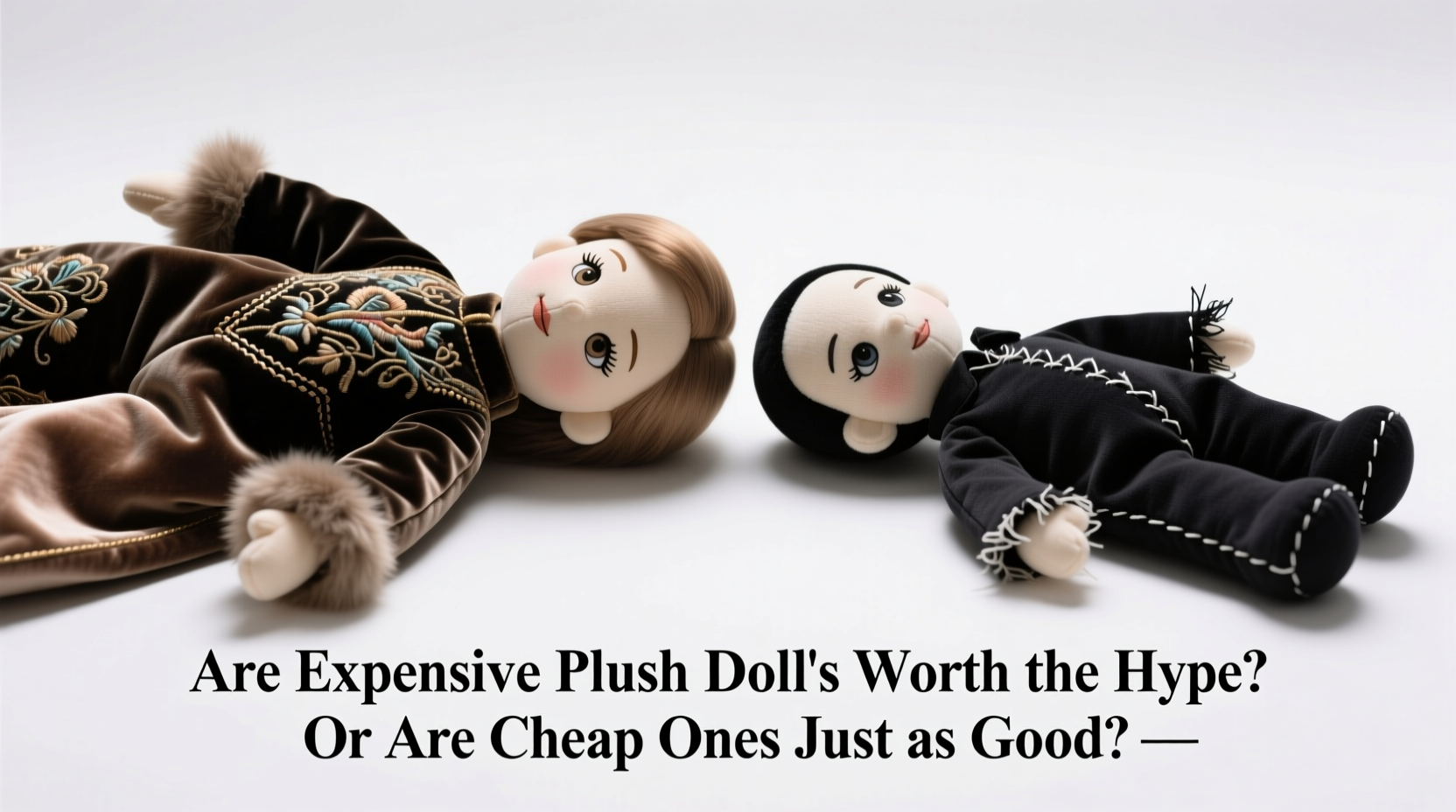
The most significant difference between expensive and cheap plush dolls lies in the materials used. Premium plushes typically use high-grade fabrics like organic cotton, bamboo fleece, or ultra-soft minky polyester. These materials feel luxurious, resist pilling, and maintain their texture after repeated washing.
Budget plushes, on the other hand, often rely on lower-density polyester fibers, which can feel rougher, shed easily, or flatten over time. Some may even contain synthetic blends that trap odors or irritate sensitive skin. Stitching quality also varies: cheaper models frequently feature loose seams or uneven stuffing distribution, while pricier versions boast reinforced stitching and consistent fluffiness.
Tip: Run your fingers over the fabric before buying. If it feels thin or scratchy, it’s likely a short-term investment.Safety and Certifications: A Hidden Cost of Cheap Plush
When it comes to children’s toys, safety isn’t negotiable. High-end plush manufacturers often comply with strict international standards such as ASTM F963 (U.S.), EN71 (Europe), or OEKO-TEX® certification, ensuring that dyes, fabrics, and fillers are free from harmful chemicals like lead, phthalates, or formaldehyde.
Cheap plush dolls—especially those from unregulated marketplaces—may skip third-party testing altogether. In 2021, the U.S. Consumer Product Safety Commission recalled over 50,000 imported plush toys due to excessive levels of cadmium in surface coatings. While not all low-cost plushes are hazardous, the risk increases when transparency about sourcing is lacking.
“Parents should treat plush toys like food: know where they come from, who made them, and what’s inside.” — Dr. Lena Torres, Pediatric Environmental Health Specialist
Comparison: Premium vs. Budget Plush Dolls
| Feature | Expensive Plush Dolls | Cheap Plush Dolls |
|---|---|---|
| Fabric Type | Minky, organic cotton, bamboo fleece | Low-grade polyester, synthetic blends |
| Stitching Quality | Double-stitched, reinforced joints | Single-stitched, prone to unraveling |
| Fill Material | Hypoallergenic, evenly distributed | Lumpy, compresses quickly |
| Safety Certifications | OEKO-TEX®, ASTM F963, CE marked | Often unverified or missing |
| Lifespan | 3–10+ years with care | 6 months to 2 years |
Real-World Example: The Bear That Lasted a Decade
Sarah M., a mother of two from Portland, Oregon, bought a $95 Steiff bear for her son’s first birthday. “It was a splurge,” she admits. “But he carried that bear everywhere—through daycare, road trips, even a move across states.” Ten years later, the bear still sits on his bed, its fur slightly worn but intact, seams tight, eyes secure.
In contrast, she recalls buying three $12 bears during holiday sales. One lost an eye within weeks. Another split at the seam after being washed twice. “The cheap ones looked cute in the package,” Sarah says, “but none survived past toddlerhood.” Her experience reflects a broader trend: initial savings often give way to replacement costs and disappointment.
Collector Value and Emotional Resonance
For adult collectors, plush dolls aren’t just toys—they’re sentimental artifacts. Limited-edition releases from brands like Mary Meyer, Gund, or Jellycat often appreciate in value, especially if kept in original packaging. A retired Jellycat Bashful Bunny sold for over $200 on resale platforms in 2023, despite its original retail price of $34.
Emotional connection amplifies perceived worth. A well-made plush becomes a comfort object, passed down through generations. Its durability supports long-term bonding, whereas a deteriorating toy can disrupt attachment. Psychologists note that consistent tactile experiences help children regulate emotions—a benefit undermined when a beloved doll falls apart prematurely.
Tip: For gifts, consider longevity over novelty. A durable plush outlasts fleeting trends.Step-by-Step Guide: Choosing the Right Plush Doll
- Define the purpose: Is it for a child, a collector, or a gift? Purpose guides budget and expectations.
- Check labels: Look for material composition, care instructions, and safety certifications.
- Inspect construction: Squeeze the plush to test stuffing density. Wiggle limbs to check joint strength.
- Research the brand: Established names like Steiff, Aurora, or Douglas have track records of quality.
- Read reviews: Focus on long-term feedback—how does it hold up after six months?
- Consider care needs: Can it be machine-washed? Will frequent cleaning degrade the fabric?
Frequently Asked Questions
Can I trust plush dolls from major retailers like Amazon or Walmart?
You can—but with caution. Even reputable stores carry third-party sellers offering uncertified products. Stick to known brands or read verified purchase reviews that mention durability and safety.
Do expensive plush dolls last longer than cheap ones?
Generally, yes. Higher manufacturing standards, better materials, and attention to detail contribute to extended lifespans. However, proper care plays a crucial role regardless of price.
Are handmade plush dolls worth the extra cost?
Handmade plushes from artisans often use premium fabrics and unique designs. They may lack mass-market certifications but can offer superior craftsmanship. Buy from trusted sellers with clear material disclosures.
Final Verdict: When to Splurge and When to Save
The truth is, not every plush needs to be a luxury item. For temporary gifts, party favors, or novelty items, affordable options make sense. But when the plush serves as a daily companion, emotional anchor, or heirloom piece, investing in quality pays off.
Think of it like footwear: you wouldn’t buy dollar-store shoes for a marathon. Similarly, a child’s favorite toy deserves materials and construction that endure tears, hugs, and wash cycles. The upfront cost may sting, but spread over years of use, the cost-per-use of a $80 plush lasting eight years is less than $10 annually—often cheaper than replacing multiple $15 dolls every year.
Ultimately, value isn’t defined by price alone, but by performance, safety, and emotional significance. The most expensive plush isn’t always the best, and the cheapest rarely offers lasting satisfaction. Your decision should align with intent: disposable fun or enduring comfort.
💬 Have a plush doll that’s stood the test of time? Share your story in the comments—your experience could help others choose wisely.








