
Essential oil diffusers have become a staple in modern homes, prized for their ability to freshen the air, reduce stress, and promote relaxation. However, what many pet owners don’t realize is that the very scents they find soothing can pose serious health risks to their animals. Cats, dogs, birds, and even small mammals like rabbits and guinea pigs are far more sensitive to airborne chemicals than humans. The aromatic compounds released by diffusers—especially certain essential oils—can lead to respiratory distress, liver damage, or worse.
This article examines the science behind essential oil toxicity in pets, identifies the most dangerous oils, and provides practical guidance for using diffusers safely in households with animals. Whether you’re a long-time aromatherapy enthusiast or just considering trying a diffuser, understanding these risks is critical to protecting your furry family members.
The Science Behind Essential Oil Toxicity in Pets
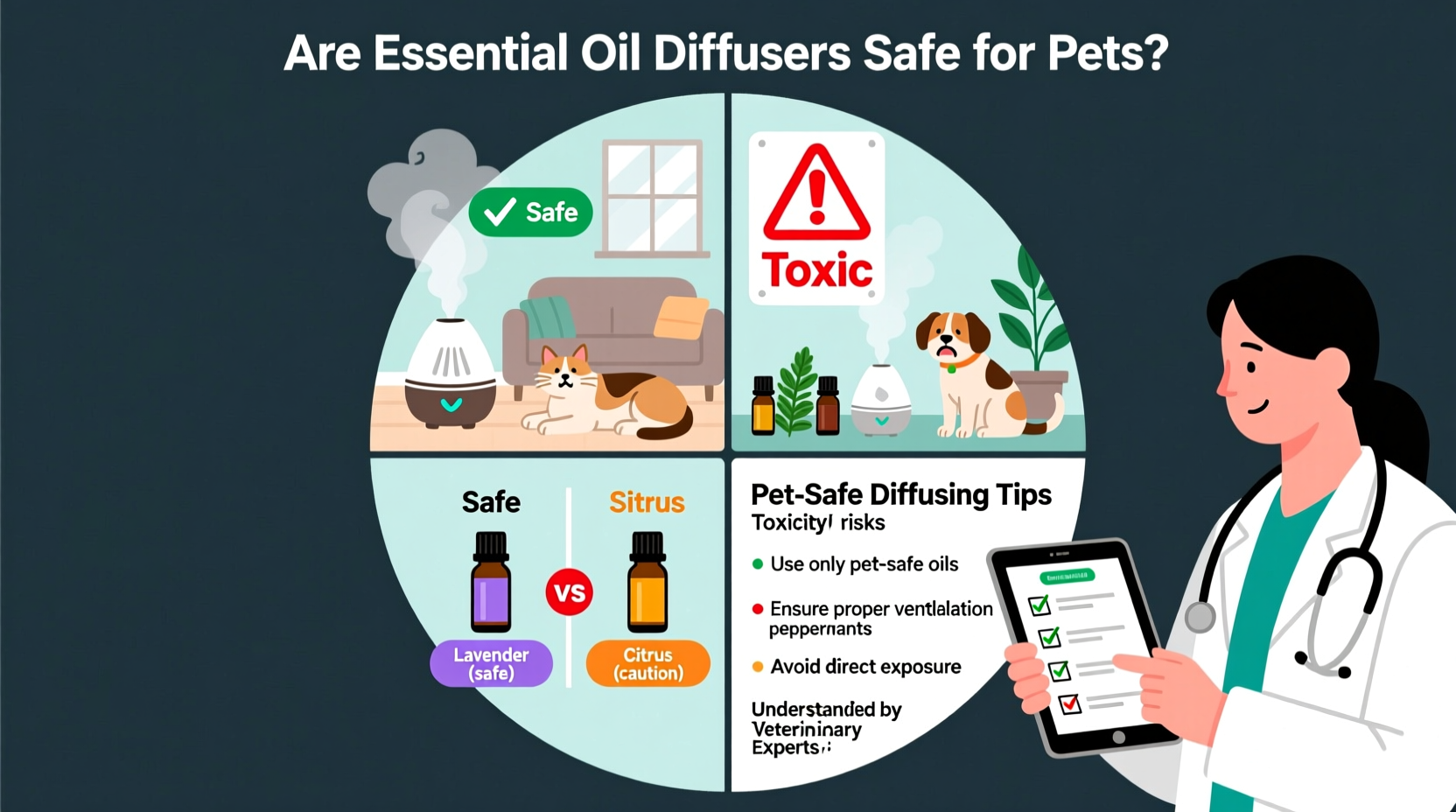
Essential oils are concentrated plant extracts that retain the natural scent and flavor of their source. While they may be “natural,” this does not equate to safety—especially when inhaled in enclosed spaces or absorbed through the skin. Many essential oils contain volatile organic compounds (VOCs) such as phenols, terpenes, and ketones, which can irritate mucous membranes and disrupt cellular function in animals.
Pets metabolize these compounds differently than humans. For example, cats lack a crucial liver enzyme called glucuronyl transferase, which is needed to break down phenolic substances found in oils like tea tree, eucalyptus, and thyme. This deficiency makes them exceptionally vulnerable to poisoning. Even brief exposure can overwhelm their system, leading to organ failure.
Dogs, while more resilient than cats, are still at risk—particularly smaller breeds or those with preexisting respiratory conditions. Inhalation of oil particles can cause coughing, wheezing, and inflammation of the lungs. Birds, with their highly efficient respiratory systems, are among the most sensitive; even low concentrations of diffused oils can trigger fatal respiratory collapse.
“Essential oils should never be used around birds or reptiles. Their respiratory anatomy makes them extremely susceptible to aerosolized toxins.” — Dr. Sarah Wooten, DVM, Veterinary Advisor at Pumpkin Pet Insurance
Oils That Are Dangerous for Pets: A Risk Assessment Table
Not all essential oils are equally harmful, but several common varieties pose significant threats. The table below outlines high-risk oils, their toxic components, and the species most affected.
| Essential Oil | Toxic Compounds | High-Risk Species | Potential Symptoms |
|---|---|---|---|
| Tea Tree (Melaleuca) | Terpinene-4-ol, cineole | Cats, dogs | Vomiting, lethargy, tremors, liver damage |
| Eucalyptus | 1,8-cineole | All pets, especially birds | Respiratory distress, drooling, seizures |
| Peppermint | Menthol | Cats, small mammals | Difficulty breathing, muscle weakness |
| Lavender | Linalool, linalyl acetate | Cats (in high concentrations) | Skin irritation, vomiting, ataxia |
| Citrus (Lemon, Orange, Grapefruit) | Limonene, psoralens | Cats, birds | Photosensitivity, GI upset, liver toxicity |
| Cinnamon | Cinnamaldehyde | All pets | Burning sensation, oral ulcers, liver failure |
Real-Life Example: A Close Call with a Tea Tree Diffuser
In Boulder, Colorado, a cat owner named Lisa introduced a new lavender and tea tree oil blend into her living room diffuser to help with seasonal anxiety. Within hours, her 3-year-old domestic shorthair, Milo, began acting unusually—hiding under the bed, drooling, and struggling to walk steadily. Concerned, she rushed him to the emergency vet.
Blood tests revealed elevated liver enzymes and signs of neurological depression. The veterinarian diagnosed mild essential oil toxicity, likely from inhalation and grooming-induced ingestion (Milo had licked oil residue from his fur after brushing against a nearby surface). After 48 hours of IV fluids and supportive care, Milo recovered—but the experience was a wake-up call.
Lisa removed all diffusers from her home and switched to pet-safe alternatives like passive ventilation and unscented air purifiers. Her story underscores how quickly a seemingly harmless wellness habit can endanger a pet—even when “natural” ingredients are used.
Safe Use Guidelines: How to Minimize Risk with Pets in the Home
If you choose to use an essential oil diffuser despite having pets, strict precautions are necessary. The following step-by-step guide outlines how to reduce exposure and protect animal health.
- Choose pet-safe oils only. Oils like chamomile, frankincense, and diluted cedarwood are generally considered lower risk, but always verify with your veterinarian.
- Diffuse in short intervals. Limit diffusion to 15–30 minutes at a time, followed by several hours without use to allow air circulation.
- Use in well-ventilated areas. Open windows or run fans to disperse oil particles and reduce concentration.
- Keep pets out of the room during and after diffusion. Wait at least 2–4 hours before allowing animals back in, especially cats and birds.
- Avoid ultrasonic diffusers in multi-pet homes. These create fine mists that linger in the air and settle on fur, increasing the risk of ingestion during grooming.
- Never apply oils directly to pets. Topical use, including collars or sprays, is strongly discouraged without veterinary approval.
- Monitor your pet closely. Watch for signs of distress such as sneezing, panting, lethargy, or excessive drooling.
“Even oils labeled ‘pet-friendly’ can be harmful if used improperly. There is no universal standard for these claims.” — Dr. Jennifer Coates, DVM, Veterinary Advisor for PetMD
Checklist: Is Your Home Safe for Pets When Using Diffusers?
- ✅ I’ve consulted my veterinarian about essential oil safety for my specific pet(s).
- ✅ I avoid using diffusers around birds, reptiles, or small mammals.
- ✅ I only diffuse oils known to be low-risk and use them sparingly.
- ✅ My diffuser is placed in a room pets cannot access during and after use.
- ✅ I ensure good airflow and limit diffusion sessions to under 30 minutes.
- ✅ I watch for any signs of respiratory or behavioral changes in my pets.
- ✅ I have emergency vet contact information readily available.
Frequently Asked Questions
Can I use a diffuser if I have a dog?
It depends on the oil and your dog’s size and health. Larger, healthy dogs may tolerate brief exposure to mild oils like frankincense or cedarwood. However, avoid oils containing phenols or monoterpene hydrocarbons. Always diffuse in a separate room and monitor your dog for symptoms like coughing or lethargy.
Are there any completely safe essential oils for cats?
No essential oil is entirely safe for cats due to their unique metabolism. Even oils like lavender and chamomile can be toxic in concentrated or prolonged exposure. The safest approach is to avoid diffusing oils around cats altogether. If you must use aromatherapy, consider non-oil alternatives like pheromone diffusers designed specifically for feline well-being.
What should I do if my pet shows signs of essential oil poisoning?
Immediately stop using the diffuser, remove your pet from the area, and ventilate the space. Contact your veterinarian or the ASPCA Animal Poison Control Center (888-426-4435) right away. Do not induce vomiting unless instructed. Bring the oil bottle or diffuser contents with you to the clinic for identification.
Alternatives to Essential Oil Diffusers
For pet owners who want a fresh-smelling home without risking animal health, several safer options exist:
- Passive ventilation: Open windows regularly to circulate fresh air.
- Activated charcoal or HEPA air purifiers: These remove odors and allergens without releasing chemicals.
- Baking soda boxes: Place in closets or near litter boxes to absorb smells naturally.
- Simmer pots: Boil citrus peels, cinnamon sticks, or cloves in water briefly—only when pets are elsewhere—and never leave unattended.
- Veterinary-approved calming products: Pheromone diffusers like Feliway (for cats) or Adaptil (for dogs) are specifically formulated to be safe and effective.
Conclusion: Prioritizing Pet Safety Without Sacrificing Wellness
Essential oil diffusers offer undeniable benefits for human well-being, but those benefits must be weighed against the potential harm to household pets. The truth is, many commonly used oils are toxic to animals, and even cautious use carries inherent risks. With their heightened sensitivity to airborne chemicals, pets cannot communicate discomfort until symptoms become severe.
As responsible pet owners, we must recognize that creating a peaceful environment shouldn’t come at the expense of our animals’ health. By choosing pet-safe alternatives, adhering to strict usage guidelines, and staying informed, it’s possible to enjoy a pleasant home atmosphere while keeping every member of the family safe.
💬 Your pets rely on you to make safe choices. Share this information with fellow pet owners and help spread awareness about essential oil risks. Have questions or experiences to share? Leave a comment below.








