
Essential oil diffusers have surged in popularity for their calming scents and potential wellness benefits. Many people use them to reduce stress, improve sleep, or freshen indoor air. However, what feels soothing for humans may pose serious risks to pets. Cats, dogs, birds, and small mammals have highly sensitive respiratory systems and metabolisms that react differently to aromatic compounds. As a result, using essential oil diffusers without caution can lead to accidental poisoning, respiratory distress, or long-term health complications in animals.
Veterinarians increasingly report cases of essential oil toxicity in household pets, often linked to seemingly harmless home aromatherapy practices. While not all essential oils are dangerous, many commonly used ones contain volatile organic compounds that animals cannot process efficiently. This article outlines vet-approved safety guidelines, identifies high-risk oils, and offers practical, pet-friendly alternatives to maintain a pleasant home environment—without compromising your pet’s well-being.
Understanding How Essential Oils Affect Pets
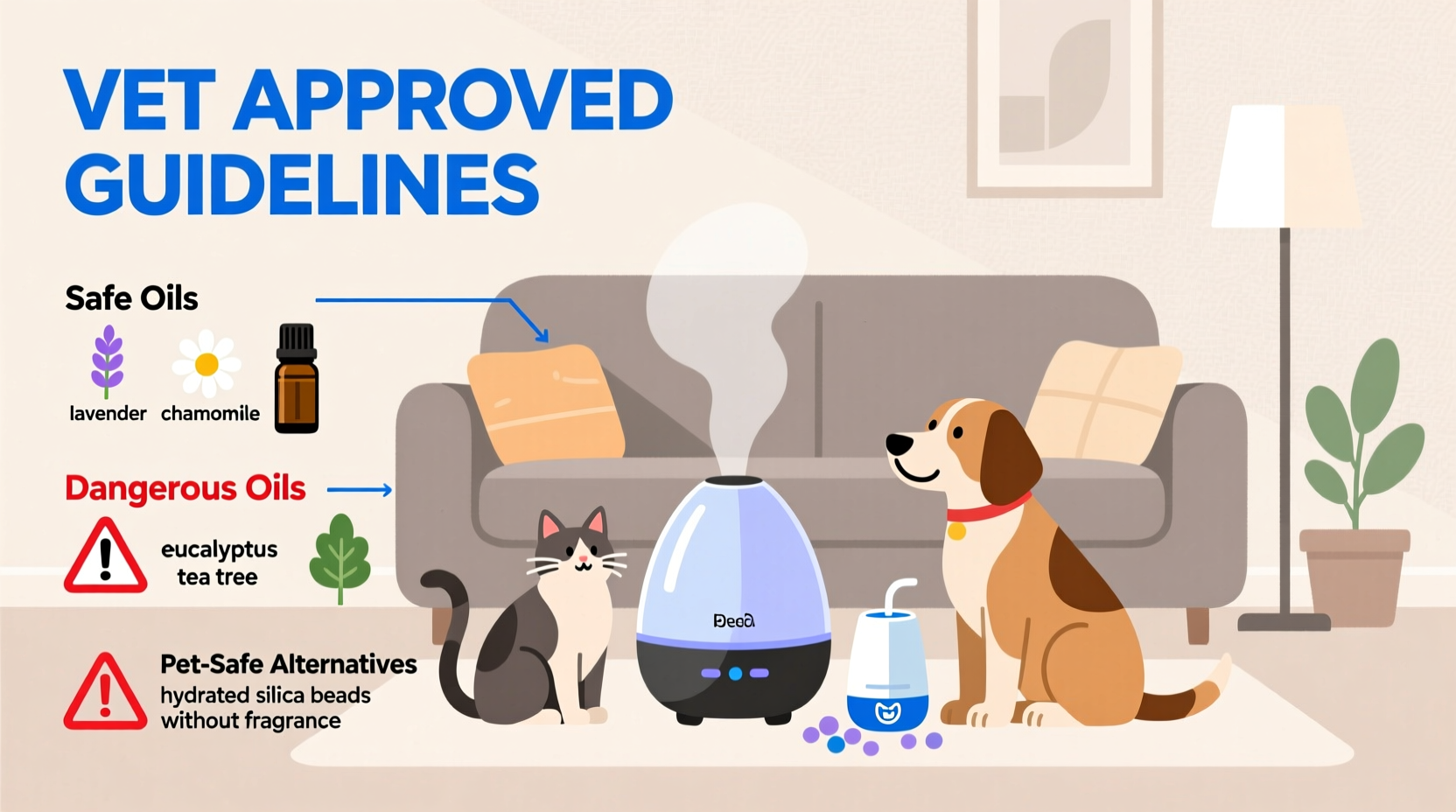
Animals process chemicals differently than humans. Dogs and cats, for example, lack certain liver enzymes—such as glucuronyl transferase—that are crucial for breaking down phenols and terpenes found in many essential oils. When these compounds accumulate, they can cause liver damage, neurological issues, or respiratory irritation.
Inhalation is a primary concern with diffusers. The fine mist disperses microscopic oil particles into the air, which pets inhale directly. Because pets are closer to the ground and often spend more time indoors, they may be exposed to higher concentrations than humans. Additionally, topical exposure occurs when oils settle on fur or skin, leading animals to ingest them during grooming.
Birds are especially vulnerable due to their highly efficient respiratory systems. Their air sacs allow for rapid gas exchange, making them extremely sensitive to airborne irritants. Even brief exposure to diffused oils can trigger breathing difficulties, weakness, or sudden death in birds.
Tip: Always diffuse oils in a room your pet does not access, and never leave the diffuser running unattended.Vet-Approved Guidelines for Using Diffusers Around Pets
The American Veterinary Medical Association (AVMA) and veterinary toxicologists advise extreme caution when using essential oils around animals. While complete avoidance is safest, some pet owners may still wish to use diffusers under strict conditions. The following guidelines reflect recommendations from board-certified veterinarians and clinical toxicology experts:
- Use only pet-safe oils in limited quantities. Not all essential oils are equally hazardous. Some, like lavender (in very low concentration), may be tolerated by dogs if properly diluted and used briefly.
- Avoid continuous diffusion. Limit sessions to 15–30 minutes, followed by several hours of ventilation. Never run a diffuser overnight or when you're away from home.
- Ensure proper ventilation. Open windows or use fans to disperse oil particles and prevent buildup in enclosed spaces.
- Keep pets out of the room during and after diffusion. Wait at least 2–4 hours before allowing pets back into the space, depending on room size and airflow.
- Never apply oils directly to pets. Topical use, including collars or sprays containing essential oils, is strongly discouraged unless prescribed by a veterinarian.
- Monitor for signs of distress. Watch for coughing, sneezing, lethargy, drooling, or wobbling—these may indicate toxicity.
“Essential oils are concentrated plant extracts, not benign scents. In pets, even 'natural' doesn’t mean safe. Inhalation risk is real and often underestimated.” — Dr. Karen Moriello, DVM, Diplomate ACVD, University of Wisconsin School of Veterinary Medicine
Essential Oils That Are Toxic to Pets: A Safety Table
The following table summarizes common essential oils and their risk levels for different types of pets, based on data from the ASPCA Animal Poison Control Center and the Pet Poison Helpline.
| Essential Oil | Risk to Dogs | Risk to Cats | Risk to Birds | Notes |
|---|---|---|---|---|
| Tea Tree (Melaleuca) | High | Very High | Extreme | Linked to tremors, liver failure, and death in cats even at low doses. |
| Eucalyptus | High | Very High | Extreme | Causes respiratory irritation; fatal in birds. |
| Peppermint | Moderate | High | Extreme | Can cause gastrointestinal upset and central nervous system depression. |
| Lavender | Low (when diluted) | Moderate | High | Contains linalool, which cats struggle to metabolize. |
| Lemon / Citrus Oils | Moderate | High | Extreme | Limonene and psoralens are phototoxic and hepatotoxic. |
| Cinnamon | High | Very High | Extreme | Severe mucous membrane irritation and liver damage. |
| Ylang Ylang | High | High | Extreme | Reported to cause seizures in dogs. |
This table underscores that no essential oil is universally safe for all pets. Birds and cats are particularly susceptible, but dogs are not immune to adverse reactions.
Real-Life Case: When Aromatherapy Went Wrong
In 2021, a family in Colorado began using a eucalyptus diffuser nightly to help with seasonal allergies. Within days, their two parakeets became lethargic and stopped eating. One bird died suddenly; the other was rushed to an avian vet. Diagnosis: acute respiratory failure due to inhalation of eucalyptus compounds. Despite treatment, the surviving bird never fully recovered lung function.
The owners were unaware that birds’ respiratory systems are up to 20 times more efficient than mammals’, making them hyper-sensitive to airborne toxins. What seemed like a mild scent to humans created a toxic environment for the birds. This case, reported by the Avian & Exotic Animal Clinic of Kansas City, highlights how quickly passive exposure can turn deadly—even with short-term, intermittent use.
Pet-Safe Alternatives to Essential Oil Diffusers
You don’t need essential oils to create a relaxing or fresh-smelling home. Several safer, vet-approved alternatives can provide similar ambiance without endangering your pets.
1. Passive Scent Diffusers with Non-Toxic Ingredients
Gel-based or reed diffusers using non-volatile, alcohol-free fragrances can offer subtle scenting. Choose products labeled “pet-safe” and avoid those with phthalates or synthetic musks. Place them in areas pets cannot reach.
2. Baking Soda + Natural Scents
Create DIY odor absorbers by mixing baking soda with a few drops of vanilla extract or dried herbs like rosemary or mint. Place in open containers around the house. These release minimal volatile compounds and pose little risk if accidentally ingested in small amounts.
3. Indoor Plants for Natural Fragrance
Some houseplants naturally purify air and emit mild, pleasant scents. Examples include:
- Spider Plant – Removes formaldehyde, safe for pets.
- Parlor Palm – Humidifies air, non-toxic.
- Rosemary (in moderation) – Mild herbal aroma, generally safe if not chewed excessively.
4. Activated Charcoal Air Purifiers
These chemical-free filters absorb odors and pollutants without releasing any fragrance. They require no electricity and are completely safe around all pets. Replace every 2–3 months for optimal performance.
5. Regular Cleaning and Ventilation
Often overlooked, simple habits like opening windows, washing pet bedding, and vacuuming carpets can eliminate odors at the source. A clean home smells fresher than one masked by artificial or natural fragrances.
Tip: Use white vinegar and water to clean floors and surfaces—it neutralizes odors without toxic residues.Step-by-Step: Creating a Pet-Safe Home Scenting Routine
If you want to enjoy a pleasant-smelling home while keeping your pets safe, follow this vet-informed routine:
- Assess your pets’ species and sensitivity. Birds and cats require the strictest precautions. Puppies, seniors, and pets with asthma or heart conditions are also high-risk.
- Remove all essential oil products from accessible areas. Store them in sealed cabinets out of reach.
- Switch to non-diffusing alternatives. Try baking soda bowls or activated charcoal filters in problem areas like litter boxes or near pet beds.
- Introduce any new scent gradually. Observe your pet for 24 hours after introducing a new product, even if labeled “natural.”
- Consult your veterinarian. Discuss your pet’s medical history and ask for personalized recommendations, especially if they have chronic conditions.
Frequently Asked Questions
Can I use a diffuser if my cat stays in another room?
It’s not recommended. Cats often explore freely, and oil particles can linger in fabrics and air for hours. Even brief exposure can be harmful. If you must diffuse, ensure the cat is in a separate, well-ventilated home or building—and wait at least four hours before reunification.
Are “pet-safe” essential oil blends truly safe?
Most are not. Marketing terms like ���pet-safe” are unregulated. Even diluted blends may contain unsafe compounds. Veterinarians overwhelmingly advise against any essential oil use around cats and birds. For dogs, proceed with extreme caution and always consult your vet first.
What should I do if my pet shows signs of essential oil exposure?
Immediately remove your pet from the area, ventilate the space, and contact your veterinarian or the ASPCA Animal Poison Control Center (888-426-4435). Do not induce vomiting unless instructed. Bring the product label for identification.
Final Thoughts: Prioritizing Pet Health Over Scent Trends
The desire for a naturally scented home is understandable, but it should never come at the cost of your pet’s health. Essential oil diffusers, while popular, carry significant risks that many pet owners underestimate. Unlike humans, pets cannot communicate discomfort until symptoms become severe. By the time warning signs appear—such as labored breathing or loss of coordination—damage may already be done.
Veterinarians agree: when in doubt, leave it out. Safer, effective alternatives exist that don’t compromise your pet’s safety. Simple changes in cleaning routines, improved ventilation, and thoughtful use of non-toxic materials can create a healthier, more harmonious living environment for everyone in your household—two-legged and four-legged alike.
💬 Your pet’s safety matters. Share this guide with fellow pet owners to spread awareness about essential oil risks and promote safer homes for all animals.








