Dog collars are more than just accessories—they’re essential tools for identification, control, and expression of your pet’s personality. With options ranging from $5 drugstore picks to $100+ designer pieces, pet owners face a real dilemma: Is spending more on a high-end collar justified, or can a budget-friendly option perform just as well?
The answer isn’t universal. It depends on your dog’s size, behavior, lifestyle, and even your own values around craftsmanship and sustainability. While a basic nylon collar might suffice for a small, well-behaved dog, a large, energetic breed pulling on walks may need something far more durable and thoughtfully engineered.
This article examines the practical, financial, and emotional factors behind dog collar choices. We’ll compare materials, safety features, longevity, and real-world performance—helping you determine whether a designer collar is a smart investment or simply an overpriced accessory.
Material Quality and Longevity
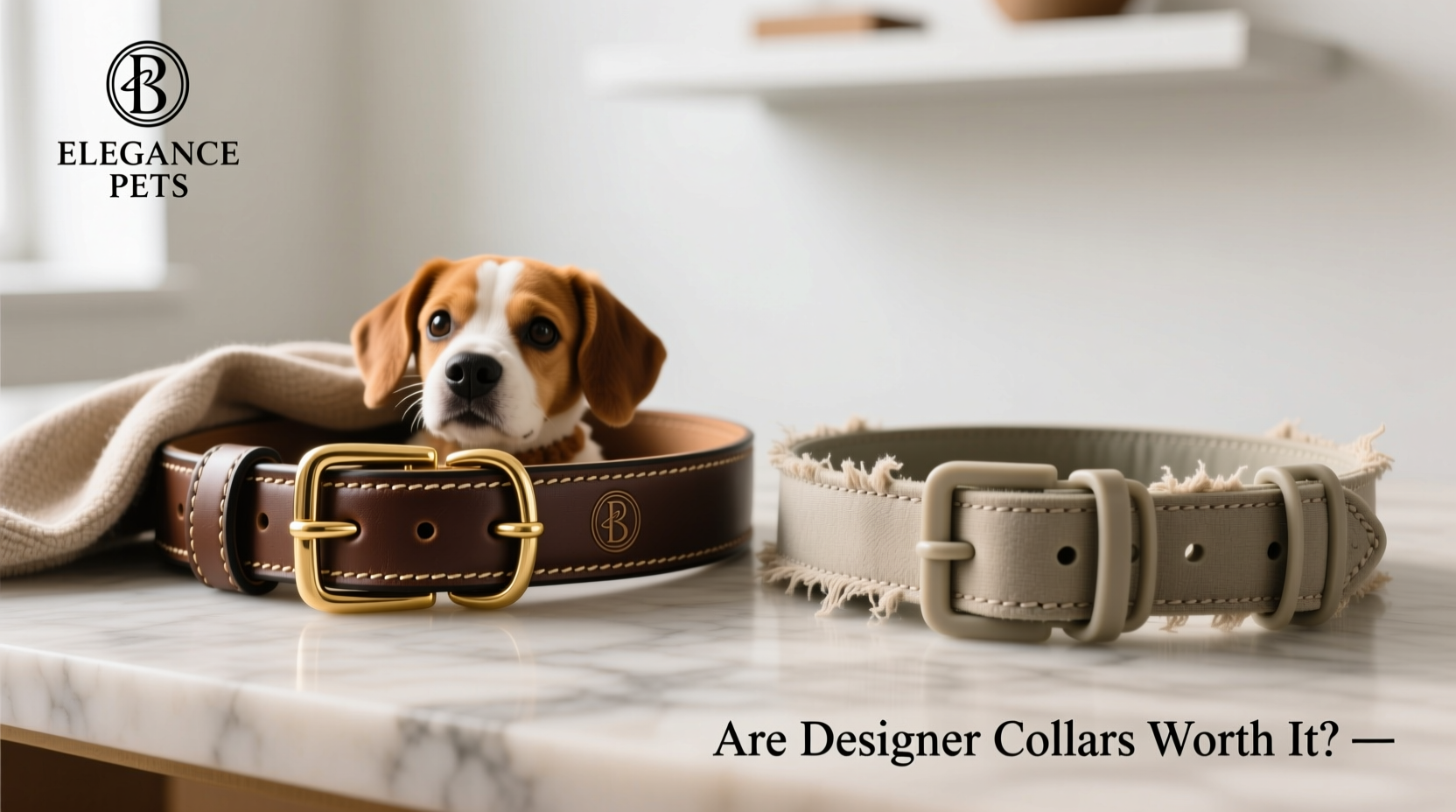
The most noticeable difference between budget and designer collars lies in the materials used. Cheap collars are typically made from thin nylon webbing, low-grade plastic buckles, and flimsy metal hardware. These components degrade quickly under sun exposure, moisture, and strain—especially if your dog swims, rolls in dirt, or pulls on leash.
In contrast, premium collars often use:
- Full-grain leather – Resistant to cracking, develops a rich patina over time.
- Recycled marine plastics – Used by eco-conscious brands like Wild One or LupinePet.
- Heavy-duty biothane – Waterproof, odor-resistant, and UV-stable—ideal for outdoor dogs.
- Stainless steel or solid brass hardware – Won’t rust or snap under pressure.
A poorly constructed $8 collar might fray at the stitching within months. A $60 designer collar, however, can last three to five years with minimal wear. Over time, this makes the higher-priced option more cost-effective per year of use.
Tip: Check the stitching tension—tight, double-stitched seams indicate better quality control than loose or single-thread lines.Safety and Functionality: Beyond Aesthetics
While appearance matters, safety should be non-negotiable. Designer collars often incorporate functional design elements that cheaper models lack:
- Breakaway mechanisms – Some premium cat-style collars for small dogs include quick-release features to prevent strangulation.
- Reflective threading or trim – Enhances visibility during evening walks.
- Ergonomic padding – Reduces friction and pressure on sensitive neck areas.
- Secure side-release buckles – Less likely to accidentally open than generic clips.
According to Dr. Lena Patel, a veterinary behaviorist based in Portland, “We see too many cases where a dog escapes because a cheap buckle failed. For strong pullers or escape artists, investing in a reliable closure system isn’t vanity—it’s prevention.”
“Even one incident of a collar breaking can result in injury, stress, or permanent loss. That alone makes the upgrade worth considering.” — Dr. Lena Patel, DVM, Veterinary Behavior Consultant
Comparative Breakdown: Budget vs. Designer Collars
| Feature | Budget Collar ($5–$15) | Designer Collar ($40–$100+) |
|---|---|---|
| Materials | Nylon webbing, plastic hardware | Leather, biothane, stainless steel |
| Lifespan | 3–12 months | 2–5 years |
| Water Resistance | Poor; absorbs moisture | Excellent; dries quickly, mildew-resistant |
| Comfort | Basic; may chafe with heavy use | Padded, contoured, breathable |
| Safety Features | Limited or none | Reflective strips, secure buckles, breakaway options |
| Style & Customization | Few colors/patterns | Personalized engraving, seasonal collections |
| Cost Per Year (Est.) | $10–$30/year | $10–$20/year |
Note: The long-term cost comparison reveals that while designer collars have a higher upfront price, their extended lifespan often results in lower annual costs—especially when factoring in replacement frequency of cheaper alternatives.
Real-World Example: Max the Escape Artist
Consider Max, a 45-pound Australian Cattle Dog mix known for slipping out of his collar during squirrel chases. His owner, Sarah, cycled through four different $12 nylon collars in less than a year—each failing either at the buckle or due to fraying near the tag holder.
Frustrated and worried about losing Max, she invested in a $75 engraved leather collar with a reinforced side-release buckle from a reputable brand. She also added a reflective strip for night walks. Over two years later, the collar shows only minor scuffing and remains fully functional.
“I was skeptical at first,” Sarah admits. “But after nearly losing Max twice, I realized I wasn’t just buying a collar—I was buying peace of mind. And honestly, he looks sharper too.”
Max’s case illustrates how behavioral traits—like pulling, scratching, or escaping—can make budget collars impractical regardless of initial cost savings.
When Cheap Collars Work Just Fine
Not every dog needs a designer collar. For certain pets and situations, affordable options are perfectly adequate:
- Small, calm indoor dogs – Chihuahuas, Pomeranians, or senior pets with limited outdoor activity rarely stress their collars.
- Backup or travel collars – Having a spare inexpensive collar for hikes or boarding avoids risking your primary one.
- Puppies in growth phases – Frequent size changes mean you’ll replace collars often anyway.
- Temporary use – Post-surgery recovery collars or short-term ID tags don’t require luxury materials.
If your dog doesn’t pull, swim, or chew their gear, a well-made mid-range collar ($15–$25) from a trusted pet brand can strike the right balance between function and affordability.
Tip: Always check for proper fit—two fingers should slide comfortably between the collar and your dog’s neck. A poorly fitted collar, no matter the price, poses risks.What to Look for When Choosing Any Collar
Whether shopping budget or premium, focus on these key criteria:
- Strength-to-weight ratio – Should feel sturdy without being bulky.
- Adjustability – At least five sizing holes for a precise fit.
- Tag silencer or loop – Prevents jingling that can annoy noise-sensitive dogs.
- Manufacturer warranty – Reputable brands often offer lifetime guarantees against defects.
- Eco-transparency – Increasingly important; some brands disclose sourcing and carbon footprint.
Avoid collars with glued-on embellishments, uneven stitching, or wobbly D-rings. These are red flags regardless of price point.
Step-by-Step: How to Evaluate Your Dog’s Collar Needs
Follow this decision-making process to determine whether a designer collar is right for your situation:
- Assess your dog’s behavior: Does he pull, dig, swim, or chew? High-impact habits demand durable materials.
- Review current collar issues: Is it fading, fraying, or uncomfortable? Identify failure points.
- Determine usage frequency: Daily walkers need sturdier gear than occasional leasers.
- Set a realistic budget: Consider total ownership cost, not just sticker price.
- Research brands with proven track records: Look for customer reviews, third-party testing, and veterinarian recommendations.
- Try before committing (if possible): Borrow or rent a premium collar to test comfort and function.
- Make the decision: Choose based on performance needs—not just aesthetics.
This methodical approach helps avoid impulse buys and ensures your choice aligns with both practicality and peace of mind.
Checklist: Is a Designer Collar Right for You?
Use this checklist to guide your decision:
- ☐ My dog pulls strongly on walks
- ☐ I want a collar that lasts 3+ years
- ☐ I value eco-friendly or sustainable materials
- ☐ I prefer minimalist design or personalized details
- ☐ My dog frequently gets wet or dirty
- ☐ I’ve had bad experiences with cheap collars failing
- ☐ I’m willing to invest more upfront for long-term savings
If you checked three or more boxes, a designer collar is likely a worthwhile investment.
Frequently Asked Questions
Can a cheap collar hurt my dog?
Yes—if it breaks during a walk, causes skin irritation due to rough edges, or lacks reflectivity in low-light conditions. Poorly made collars can also slip off easily, increasing the risk of your dog getting lost.
Do designer collars improve training?
Not directly. However, a more comfortable, secure collar can reduce distractions and discomfort that interfere with focus. For example, padded collars help dogs with tracheal sensitivity stay calm during leash training.
Should I get matching collars and leashes?
It’s not necessary, but pairing matching sets from the same brand often ensures material consistency and balanced strength. Many designer brands sell coordinated kits for convenience and aesthetic appeal.
Final Verdict: Value Over Price
The question isn’t whether all dogs need designer collars—but whether you value reliability, longevity, and thoughtful design enough to pay for it. For many owners, especially those with active, large, or hard-to-fit dogs, the benefits far outweigh the initial cost.
Cheap collars aren’t inherently bad, but they come with trade-offs: shorter lifespans, higher replacement frequency, and greater risk of failure. When safety and daily usability are priorities, spending more upfront often saves money and stress down the line.
Ultimately, the best collar is one that fits well, functions safely, and suits your dog’s lifestyle—regardless of label. But if you're tired of replacing worn-out gear every few months, it may be time to consider what a truly well-made collar can offer.
🚀 Ready to upgrade your dog’s gear? Audit your current collar today—check for wear, fit, and functionality. If it’s failing in any area, explore one highly rated designer option as a long-term replacement. Your dog (and future self) will thank you.








