Cats are notoriously picky about their water. Some refuse to drink from bowls that have been sitting out for more than a few hours. Others seem drawn to running faucets, dripping sinks, or even toilets. This behavior has led many pet owners to consider cat water fountains as a solution. But while these devices promise fresher, flowing water, they also come with concerns—especially around cleanliness. Are they truly beneficial, or do they just become breeding grounds for slime and bacteria if not cleaned properly?
The truth lies somewhere in the middle. Cat water fountains can be excellent tools for encouraging hydration, which is crucial for urinary and kidney health. However, their effectiveness depends heavily on consistent maintenance. Without proper cleaning, yes, they can get slimy. But with the right routine, they remain hygienic, appealing to cats, and far superior to stagnant water bowls.
Why Cats Prefer Moving Water
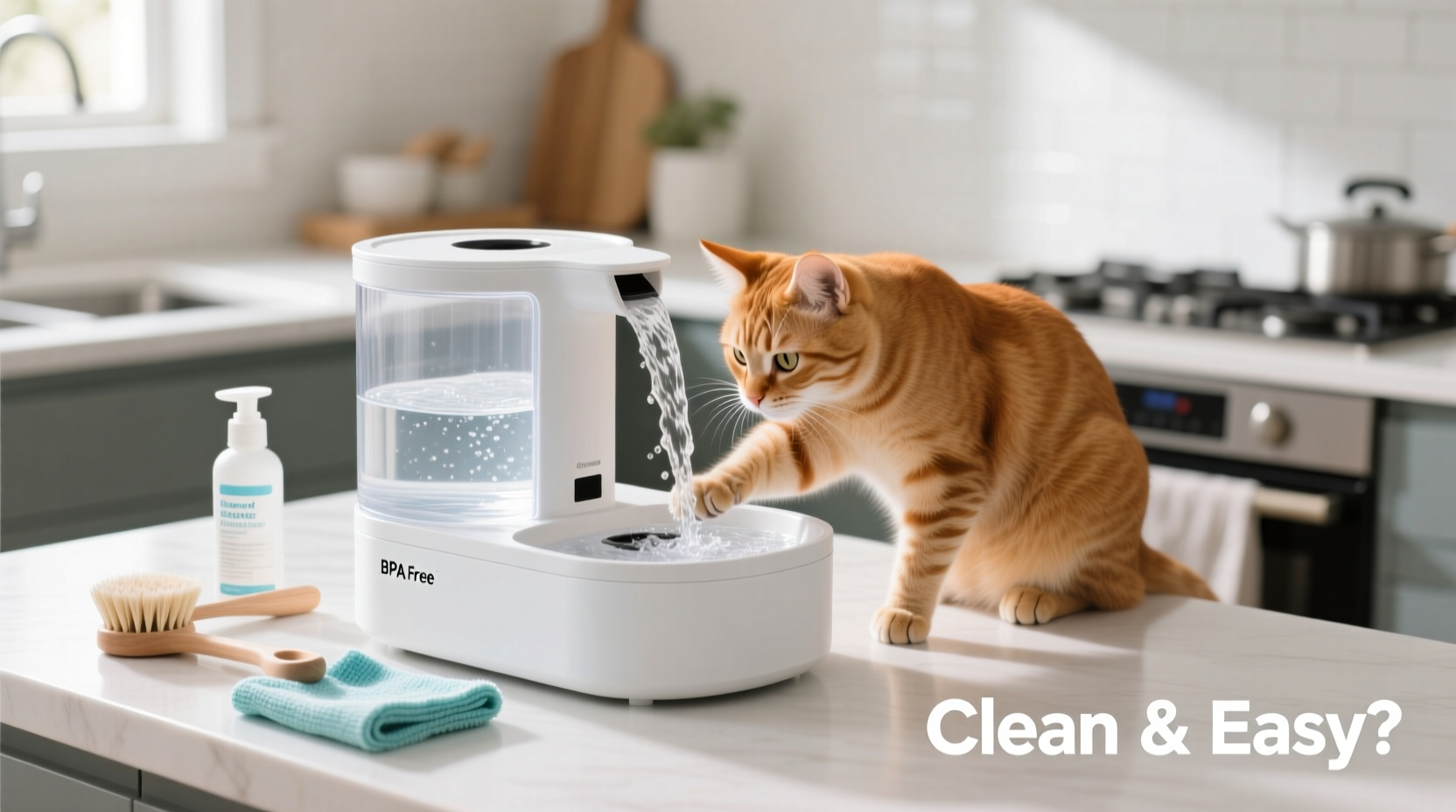
In the wild, cats instinctively avoid still water because it may be contaminated. Flowing water signals freshness and safety. This evolutionary preference explains why so many domestic cats are fascinated by running taps. A water fountain mimics this natural attraction, offering a continuous stream that entices cats to drink more.
Increased water intake supports kidney function, helps prevent urinary tract infections (UTIs), and reduces the risk of crystal formation in the bladder—common issues in cats, especially those on dry food diets. Veterinarians often recommend fountains specifically for cats prone to urinary problems.
“Cats evolved to get most of their moisture from prey. With dry kibble dominating modern diets, we must find ways to boost hydration. Fountains are one of the most effective tools.” — Dr. Rebecca Nguyen, DVM, Feline Internal Medicine Specialist
The Slime Problem: Myth vs. Reality
The biggest complaint about cat water fountains is that they “get slimy.” And yes, under certain conditions, biofilm—a slippery layer of bacteria and microorganisms—can form on internal parts like pumps, filters, and tubing. But this isn’t unique to fountains. Any container holding water can develop biofilm if left uncleaned.
The key difference is visibility. In a bowl, slime forms on the surface and is easily seen. In a fountain, much of the buildup occurs inside hidden components, making it less obvious until it becomes a problem. This doesn’t mean fountains are inherently dirty—it means they require a different kind of care.
Tip: Use distilled or filtered water to reduce mineral buildup and slow biofilm formation, especially if you live in a hard water area.Maintenance That Actually Works
Many owners abandon fountains after one messy cleaning session. The secret to long-term success is building a simple, sustainable cleaning routine. Here’s what actually works:
- Daily Top-Off & Visual Check: Add fresh water daily and inspect for debris, hair, or cloudiness.
- Weekly Full Clean: Disassemble the fountain and wash all parts in warm, soapy water. Use a soft brush (an old toothbrush works well) to scrub crevices.
- Monthly Deep Sanitize: Soak components in a vinegar-water solution (1:3 ratio) for 30 minutes, then rinse thoroughly.
- Filter Replacement: Change carbon and foam filters every 2–4 weeks, depending on usage and number of pets.
- Pump Care: Rinse the pump gently; never submerge it unless specified by the manufacturer.
Stainless steel or ceramic fountains are easier to keep clean than plastic ones, which can harbor bacteria in microscopic scratches over time. If you're concerned about durability and hygiene, investing in a non-porous material is worth the extra cost.
Step-by-Step Weekly Cleaning Routine
- Unplug the fountain and empty all water.
- Disassemble: remove the pump, filter, fountain cap, and any detachable trays.
- Wash each piece with mild dish soap and warm water using a soft brush.
- Rinse thoroughly to remove all soap residue.
- Wipe the base reservoir with a damp cloth.
- Reassemble and refill with fresh water.
- Plug back in and ensure the flow is steady.
Do’s and Don’ts of Fountain Maintenance
| Do’s | Don’ts |
|---|---|
| Use filtered water to reduce limescale | Use bleach or harsh chemicals unless recommended |
| Clean weekly with a soft brush | Ignore the pump chamber—this is where gunk hides |
| Replace filters regularly | Let algae grow—direct sunlight accelerates this |
| Store disassembled parts on a drying rack | Leave water sitting for more than a week without cleaning |
| Choose models with easy-to-replace parts | Force components together—misalignment causes leaks |
Real Example: How One Household Solved Chronic Dehydration
Sarah, a pet owner in Portland, struggled for months with her 7-year-old tabby, Milo, who was diagnosed with early-stage kidney disease. Despite multiple vet visits, his water intake remained low. She tried moving his bowl, switching materials, and even adding ice cubes—but nothing worked.
On her vet’s recommendation, she purchased a stainless steel fountain with a quiet pump. At first, Milo ignored it. But within three days, he began pawing at the stream and eventually started drinking regularly. Sarah committed to a Sunday evening cleaning ritual, pairing it with her own self-care routine—lighting a candle, playing music, and turning fountain maintenance into a calming habit.
After six weeks, Milo’s urine concentration improved significantly. His vet noted better hydration markers and reduced strain on his kidneys. For Sarah, the fountain wasn’t just a gadget—it became part of a larger wellness strategy for her cat.
“The fountain didn’t fix everything overnight. But combined with consistent care, it made a measurable difference in my cat’s health.” — Sarah T., Oregon pet owner
Are All Fountains Created Equal?
No. The design, materials, and ease of disassembly vary widely between brands. Some budget models have complex internals that make cleaning a chore, while higher-end versions prioritize user-friendly maintenance.
When choosing a fountain, consider:
- Material: Stainless steel and ceramic resist bacteria better than plastic.
- Flow Settings: Adjustable streams let you match your cat’s preference.
- Noise Level: Quiet pumps prevent skittish cats from avoiding the fountain.
- Size & Capacity: Larger homes with multiple cats need bigger reservoirs (50+ oz).
- Filter System: Look for multi-stage filtration (foam + carbon + ion exchange).
Brands like PetKit, Catit, and Pioneer Pet (Drinkwell) offer models known for reliability and accessibility of replacement parts. Avoid no-name brands with poor customer support—when a pump fails, you want to be able to replace it without buying an entirely new unit.
FAQ: Common Concerns About Cat Water Fountains
How often should I clean my cat’s water fountain?
Perform a full disassembly and cleaning at least once a week. If you have multiple pets or notice debris quickly, consider cleaning every 4–5 days. Filters should be replaced every 2–4 weeks.
Can I run the fountain 24/7?
Yes, most modern fountains are designed for continuous operation. Just ensure the water level stays above the minimum line to prevent the pump from overheating. Always use the correct voltage adapter and plug into a surge-protected outlet.
My fountain smells bad even after cleaning—what should I do?
A lingering odor usually means biofilm remains in hard-to-reach areas. Try soaking all parts (except the motor) in a 1:3 white vinegar and water solution for 30 minutes. Scrub again, rinse thoroughly, and air-dry completely before reassembling. If the smell persists, replace the pump or consider upgrading to a stainless steel model.
Checklist: Is a Cat Water Fountain Right for You?
Answer these questions to determine if a fountain fits your lifestyle:
- ✅ Does your cat drink too little water, especially on dry food?
- ✅ Are you willing to commit to weekly cleaning?
- ✅ Do you prefer quieter appliances (look for low-decibel pumps)?
- ✅ Are you open to spending $40–$100 upfront for a quality model?
- ✅ Do you have space for a fountain that stays plugged in?
- ✅ Can you store spare filters or replacement pumps?
If you answered “yes” to most of these, a fountain is likely a worthwhile investment. If maintenance feels overwhelming, start with a simpler model or try a smaller version to build confidence.
Conclusion: Worth It—with Conditions
Cat water fountains aren’t magic. They won’t solve every hydration issue, nor will they stay clean without effort. But when used correctly, they offer real benefits: increased water consumption, better urinary health, and peace of mind for owners.
The idea that fountains “just get slimy” stems from inconsistent care, not inherent flaws. Like a coffee maker or humidifier, they require attention. But unlike those appliances, the payoff is measured in your cat’s vitality and longevity.
If you’re ready to take hydration seriously, choose a well-designed fountain, establish a cleaning rhythm, and monitor your cat’s response. The initial effort pays off in fewer vet visits, healthier kidneys, and a cat that drinks with enthusiasm instead of reluctance.
🚀 Take action today: Research one high-quality fountain, add a cleaning reminder to your calendar, and observe how your cat responds. Small changes can lead to big health gains.








