Cats are notoriously selective about their drinking habits. Some lap at puddles on the floor, others sip from faucets, and many barely touch their water bowl—despite fresh water being available all day. This behavior has led pet owners to explore alternatives, with cat water fountains emerging as a popular solution. But are they truly beneficial, or just another overpriced gadget marketed to anxious pet parents? The answer lies in understanding feline instincts, hydration needs, and how moving water influences their behavior.
Unlike dogs, cats evolved from desert-dwelling ancestors who obtained most of their moisture from prey. As a result, they have a naturally low thirst drive, which can lead to chronic dehydration—especially in indoor cats eating dry food. Proper hydration is critical for kidney and urinary tract health, both of which are common issues in domestic cats. A cat water fountain may not be magic, but it does address several behavioral and physiological factors that influence how much water a cat consumes.
The Science Behind Cats and Moving Water
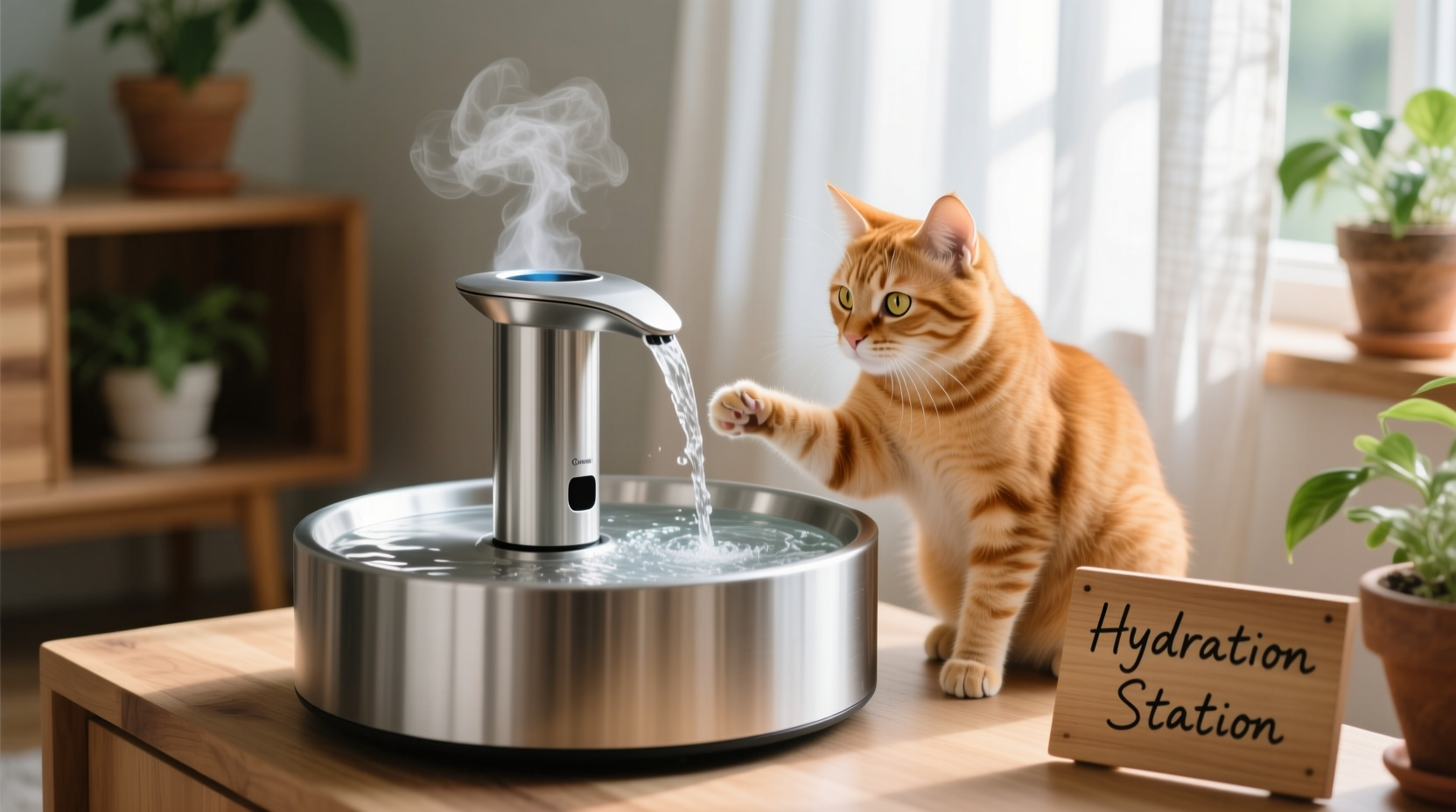
In the wild, flowing water signals freshness and safety. Stagnant pools can harbor bacteria, parasites, or contaminants, so evolution has wired cats to prefer running sources. This instinct persists in domesticated cats, even when tap water is perfectly clean. Many owners report their cats ignoring still water but eagerly drinking from dripping faucets—a behavior that’s both frustrating and telling.
A study published in the *Journal of Feline Medicine and Surgery* found that cats provided with flowing water sources consumed up to 30% more water daily than those with standard bowls. Increased intake directly supports urinary health, reducing the risk of conditions like feline lower urinary tract disease (FLUTD), which affects nearly 10% of cats at some point in their lives.
“Cats are hardwired to distrust still water. A fountain taps into their natural preference for moving, oxygenated water, making them more likely to drink consistently.” — Dr. Rebecca Greenfield, DVM, Feline Health Specialist
Benefits of Cat Water Fountains
Modern cat fountains are designed with multiple features that go beyond mere aesthetics. Most include filters, pumps, and reservoirs that keep water circulating, filtered, and aerated. Here's how these elements contribute to better hydration:
- Continuous filtration: Activated carbon and foam filters remove hair, debris, chlorine, and odors, improving taste and cleanliness.
- Oxygenation: The movement of water increases oxygen levels, giving it a fresher taste that many cats find more appealing.
- Consistent flow: Mimics natural streams, triggering instinctive interest and encouraging repeated visits.
- Larger capacity: Reduces refill frequency and maintains a steady supply, especially useful in multi-cat households.
Common Misconceptions and Gimmicks
Not all cat fountains are created equal. The market is flooded with models made from low-grade plastic, weak pumps, or poor filter designs that do little to improve water quality. Some owners invest in flashy fountains only to find their cats ignore them—or worse, the device breaks within weeks.
Additionally, marketing often exaggerates benefits. Claims like “extends your cat’s lifespan by 3 years” or “cures urinary crystals” are misleading. While improved hydration supports overall health, no fountain is a substitute for veterinary care or proper diet.
The key is distinguishing between legitimate functionality and gimmicks. Features like LED lights, smartphone connectivity, or musical chimes add cost without benefit. Focus instead on durability, ease of cleaning, noise level, and filtration efficiency.
Real-World Impact: A Mini Case Study
Sarah, a pet owner in Portland, noticed her 7-year-old tabby, Milo, was urinating frequently and seemed lethargic. A vet visit revealed early signs of kidney stress due to mild dehydration. Despite offering fresh water twice daily, Milo drank very little. On her vet’s recommendation, Sarah purchased a stainless steel fountain with a triple-stage filter.
Within three days, Milo was visiting the fountain regularly. Over the next month, his urine concentration improved significantly, and follow-up bloodwork showed stabilized kidney values. “It wasn’t a miracle,” Sarah said, “but it made hydration effortless. He used to walk past his bowl; now he stops by constantly.”
This case illustrates a crucial point: fountains don’t replace medical treatment, but they can support preventive care by addressing a fundamental issue—low water intake.
Choosing the Right Fountain: A Buyer’s Checklist
If you’re considering a cat water fountain, use this checklist to avoid wasting money on ineffective models:
- ✅ Made from BPA-free materials (stainless steel, ceramic, or high-quality plastic)
- ✅ Has a reliable, quiet pump (look for submersible motors with positive reviews)
- ✅ Includes replaceable filters (carbon + foam layers preferred)
- ✅ Easy to disassemble and clean (fewer parts = less maintenance hassle)
- ✅ Holds at least 64 ounces (2 liters) for multi-cat homes
- ✅ Offers adjustable flow settings (some cats prefer gentle bubbling over strong jets)
- ✅ Low energy consumption (most use less power than a nightlight)
Comparison: Fountain vs. Bowl – What’s Best?
| Feature | Cat Water Fountain | Traditional Water Bowl |
|---|---|---|
| Water Freshness | High (filtered and circulating) | Low (stagnates quickly) |
| Hydration Encouragement | High (moving water attracts cats) | Low (often ignored) |
| Maintenance Frequency | Weekly cleaning recommended | Daily refills and rinsing needed |
| Initial Cost | $30–$80 | $5–$15 |
| Lifespan | 1–3 years (with care) | 1+ years (if not cracked) |
| Ideal for Dry Food Diets? | Yes (compensates for low moisture intake) | No (unless closely monitored) |
While bowls are cheaper upfront, they require constant attention to remain clean and appealing. Fountains, though an investment, promote autonomy and consistent access to fresh water—critical for long-term wellness.
Step-by-Step Guide to Introducing a Cat Fountain
Even the best fountain won’t help if your cat refuses to use it. Follow this timeline to ensure a smooth transition:
- Week 1: Dual Setup – Place the fountain beside the existing bowl. Let your cat investigate without removing the old option.
- Day 3–4: Demonstrate Flow – Turn on the fountain when your cat is nearby. Some cats respond to the sound or sight of moving water.
- Week 2: Encourage Use – Add a few ice cubes or a teaspoon of tuna juice (unsalted) to the fountain to entice curiosity.
- Week 3: Phase Out Bowl – Gradually move the bowl farther away, then remove it once the cat uses the fountain regularly.
- Ongoing: Maintain Rigorously – Clean every 5–7 days, replace filters monthly, and check pump function weekly.
Patience is key. Some cats adapt in hours; others take weeks. Never force interaction—positive reinforcement works best.
Frequently Asked Questions
Do all cats prefer water fountains?
No. While most cats show increased interest in flowing water, individual preferences vary. Some may ignore the fountain entirely, while others become devoted users. Age, past experiences, and personality play a role.
Can a water fountain replace wet food for hydration?
Not entirely. Wet food contains about 70–80% moisture, compared to 10% in dry kibble. A fountain helps, but feeding moisture-rich diets remains the most effective way to boost hydration.
Are cat fountains safe to leave on all the time?
Yes, most modern fountains are designed for continuous operation. Ensure the unit has dry-run protection (so the pump doesn’t burn out if water runs low) and plug it into a grounded outlet.
Conclusion: Necessity or Gimmick?
Cat water fountains are neither universally essential nor pointless gadgets. For cats on dry diets, prone to urinary issues, or indifferent to still water, a well-chosen fountain can make a meaningful difference in hydration and long-term health. It aligns with their instincts, improves water quality, and encourages consistent drinking—often without direct owner intervention.
However, they are not a cure-all. A fountain won’t compensate for poor diet, lack of veterinary care, or neglect. And for cats already drinking well from bowls, switching may offer minimal benefit.
The decision ultimately depends on your cat’s behavior, health status, and lifestyle. If your cat licks condensation off windows or drinks from the sink nightly, a fountain isn’t a gimmick—it’s a practical solution rooted in biology. When selected wisely and maintained properly, it becomes less of a luxury and more of a smart tool for proactive pet care.
💬 Have experience with cat water fountains—good or bad? Share your story in the comments to help fellow cat owners make informed choices.








