Dog owners know the routine: leash, walk, clean up. With over 90 million pet dogs in the U.S. alone, millions of plastic bags are used each year to collect canine waste. As environmental awareness grows, many pet parents are switching to biodegradable dog waste bags—marketed as a greener alternative. But are they really better for the planet? And do they perform as well as traditional plastic? The answer isn’t as straightforward as marketing slogans suggest.
The promise of “biodegradable” sounds reassuring. But without understanding what that term means, under what conditions decomposition occurs, and how these bags are tested, consumers may be misled into thinking they’re making a sustainable choice when they might not be.
What Does \"Biodegradable\" Actually Mean?
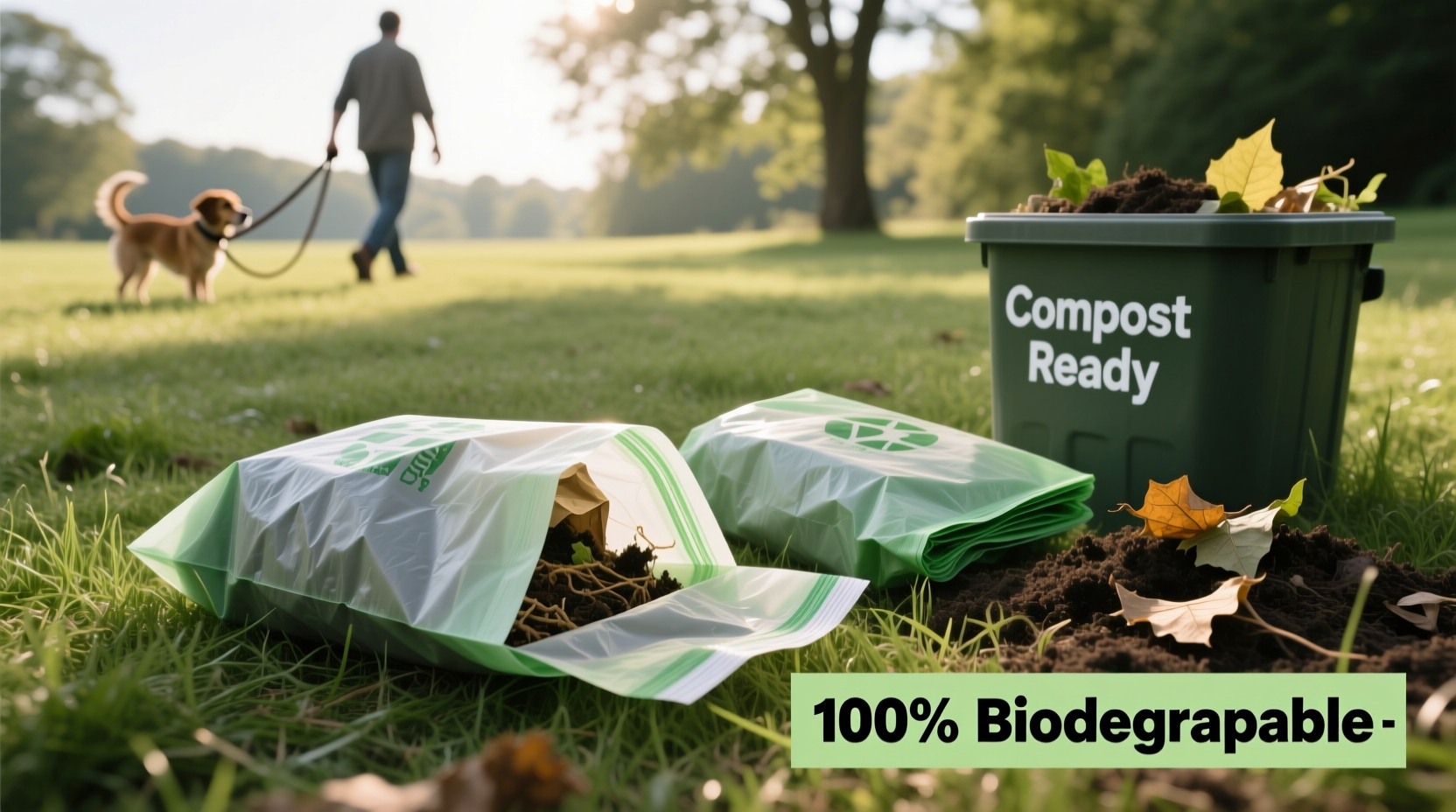
At its core, “biodegradable” means a material can be broken down by microorganisms like bacteria and fungi into water, carbon dioxide, and biomass. In theory, this sounds ideal. But the key lies in the details: time, environment, and certification.
Not all biodegradation is equal. A plastic bag labeled “biodegradable” might decompose in an industrial composting facility in 90 days but remain intact in a backyard compost pile or landfill for years. This discrepancy leads to confusion and greenwashing—the practice of overstating environmental benefits.
“Just because something is labeled biodegradable doesn’t mean it will break down in your local environment.” — Dr. Laura Allen, Environmental Scientist and Waste Management Consultant
The lack of universal regulation allows manufacturers to use vague claims. Some bags degrade only under high heat (over 135°F) and controlled humidity—conditions found in commercial composters, not parks or landfills.
Types of Dog Waste Bags and How They Break Down
To understand effectiveness and environmental impact, it’s essential to distinguish between different types of dog waste bags:
- Traditional Plastic (LDPE): Made from petroleum, these take hundreds of years to break down and contribute significantly to plastic pollution.
- Oxo-biodegradable: Contain additives that cause fragmentation when exposed to UV light or heat. However, they often break into microplastics rather than fully mineralizing, posing long-term ecological risks.
- Compostable (Certified): Designed to decompose in industrial composting facilities. Must meet standards like ASTM D6400 or EN 13432.
- Home-compostable: Rarer and more rigorously tested; designed to break down in cooler, less controlled backyard compost systems.
How Certification Standards Work
Certifications are critical for verifying environmental claims. Here’s what they mean:
| Certification | Standard | Decomposition Environment | Timeframe |
|---|---|---|---|
| BPI (U.S.) | ASTM D6400 | Industrial composting | ≤ 180 days |
| TÜV Austria OK Compost INDUSTRIAL | EN 13432 | Industrial composting | ≤ 180 days |
| TÜV Austria OK Compost HOME | EN 17033 | Backyard compost | ≤ 12 months |
| No certification | None | Uncertain | Unknown |
Without certification, a bag labeled “eco-friendly” or “degradable” may simply fragment into smaller pieces of plastic without full biological assimilation.
Effectiveness: Do Biodegradable Bags Hold Up?
Beyond environmental claims, practical performance matters. No one wants a bag that rips mid-scoop or leaks odor.
Many users report mixed experiences. Some premium biodegradable bags are strong, odor-resistant, and easy to dispense—on par with conventional plastic. Others, especially cheaper options, may be thinner, harder to open, or prone to tearing when wet or overloaded.
Factors Influencing Performance
- Material blend: Most biodegradable bags use plant-based polymers like PLA (polylactic acid) derived from corn starch, combined with PBAT (a biodegradable polyester). The ratio affects strength and flexibility.
- Thickness: Measured in microns. Bags under 15 microns may lack durability; optimal range is 18–25 microns.
- Seal integrity: Heat-sealed edges prevent leaks. Poor manufacturing can compromise this.
- Scent masking: Some brands add natural fragrances (e.g., lavender, green tea) to reduce odor, though effectiveness varies.
In independent tests conducted by consumer review platforms, top-rated biodegradable bags performed nearly as well as standard plastic in tensile strength and leak resistance—provided they were from reputable, certified brands.
Real-World Impact: What Happens After You Bin the Bag?
This is where the rubber meets the road. Even the most perfectly compostable bag fails to deliver environmental benefits if disposed of incorrectly.
Most municipal waste systems do not accept pet waste in compost bins due to pathogen concerns. Instead, dog waste typically ends up in landfills—dark, oxygen-poor environments where biodegradation is extremely slow, even for certified compostable materials.
In landfills, organic matter decomposes anaerobically (without oxygen), producing methane—a greenhouse gas 25 times more potent than CO₂ over a 100-year period. If biodegradable bags enhance this process, they could inadvertently increase emissions unless captured by landfill gas systems (which many are not).
“If your city doesn’t have a pet waste composting program, putting a ‘compostable’ bag in the trash means it likely won’t break down any faster than plastic—and may produce more methane.” — Sarah Kim, Sustainability Director at Urban Compost Initiative
Mini Case Study: The Portland Pilot Program
In 2020, Portland, Oregon launched a pilot program allowing residents to place certified compostable dog waste bags in green curbside compost bins. Over 18 months, the city collected 12 tons of pet waste, processed at an industrial composting facility operating above 140°F for sustained periods.
Testing showed complete breakdown of bags within 90 days, with no residual microplastics detected. Pathogen levels were reduced to safe thresholds through thermophilic composting. However, participation remained low—only 15% of households joined—due to confusion about eligibility and concerns about hygiene.
The takeaway: infrastructure and public education are just as important as the product itself.
Are Biodegradable Dog Waste Bags Truly Eco-Friendly? A Balanced Answer
The truth is nuanced. Biodegradable dog waste bags can be more environmentally responsible—but only under specific conditions:
- They must be certified compostable (not just “biodegradable”)
- They should be disposed of in industrial composting systems
- They need to be made without harmful additives or microplastics
If any of these conditions aren’t met, the environmental advantage diminishes or disappears. In fact, some studies suggest that if compostable bags end up in landfills, their climate impact may be worse than conventional plastic due to methane generation.
Additionally, the production of plant-based plastics requires agricultural resources—land, water, fertilizers—that carry their own environmental costs. Corn-based PLA, for example, is often grown as a monoculture crop, contributing to soil degradation and pesticide runoff.
Do’s and Don’ts of Choosing Eco-Friendly Dog Waste Bags
| Do | Don’t |
|---|---|
| Choose bags with BPI, OK Compost INDUSTRIAL, or OK Compost HOME certification | Buy bags labeled “biodegradable” without checking for certification |
| Check local waste guidelines—can your area compost pet waste? | Assume compostable bags can go in your backyard compost (most pet waste shouldn’t) |
| Opt for thicker bags (18+ microns) for reliability | Use ultra-thin “flushable” bags (many clog pipes and harm septic systems) |
| Support brands transparent about sourcing and testing | Trust vague terms like “eco-conscious” or “planet-friendly” without evidence |
Step-by-Step Guide to Making a Sustainable Choice
Follow this sequence to ensure your dog waste routine aligns with genuine sustainability goals:
- Research your local waste system: Contact your municipality to determine if pet waste is accepted in curbside compost programs.
- Select certified bags: Choose products with BPI, TÜV OK Compost, or equivalent third-party verification.
- Verify disposal method: If composting isn’t available, consider whether reducing overall plastic use (e.g., reusing grocery bags) might be more impactful than switching to biodegradable options.
- Evaluate performance: Test a small pack first. Check for strength, ease of use, and odor control.
- Advocate for change: Push local officials to expand composting infrastructure to include pet waste, which makes up nearly 4% of urban organic waste streams.
FAQ
Can I compost dog waste at home?
It’s not recommended for most backyard systems. Dog feces contain pathogens like E. coli and parasites (e.g., roundworms) that require sustained high temperatures (above 160°F) to neutralize—conditions rarely achieved in home compost piles. Only specialized pet-waste composters or municipal facilities should handle it safely.
Are flushable dog waste bags a good alternative?
Generally no. Despite marketing claims, most “flushable” bags don’t dissolve quickly and can clog plumbing or overwhelm septic systems. The EPA advises against flushing pet waste due to water contamination risks.
Do biodegradable bags cost more?
Yes, typically 20–50% more than standard plastic. A 100-count roll of conventional bags averages $5–$7, while certified compostable versions range from $8–$12. However, prices are decreasing as production scales and competition increases.
Conclusion: Moving Beyond Green Labels Toward Real Impact
Biodegradable dog waste bags aren’t a magic solution. Their effectiveness and eco-friendliness depend on certification, disposal methods, and broader waste management infrastructure. For now, they offer a step forward—but only when used correctly and supported by systemic change.
The most sustainable choice isn’t just about swapping materials—it’s about rethinking the entire lifecycle of pet waste. Until widespread composting access becomes reality, the best environmental strategy may combine certified compostable bags with advocacy for better urban waste systems.
As a pet owner, your voice matters. Demand transparency from brands, question green claims, and push for policies that turn “eco-friendly” from a label into a reality.
🚀 Ready to make a difference? Start by checking your local composting rules, then switch to a certified compostable bag—if your community supports it. Share this article to help other pet owners separate fact from fiction in the quest for a cleaner planet.








