
For many cat owners, the daily chore of scooping the litter box ranks among the least enjoyable parts of pet care. Automatic litter boxes promise a solution—hands-free cleaning, odor control, and more convenience. But do they deliver on that promise, or do they simply trade one kind of labor for another? The answer isn’t straightforward. While these high-tech litter boxes can reduce daily effort, they often come with their own set of maintenance demands, costs, and potential complications. Whether an automatic litter box is worth the hassle depends on your lifestyle, your cat’s behavior, and how you define “maintenance.”
The Promise of Automation: What These Boxes Claim to Do
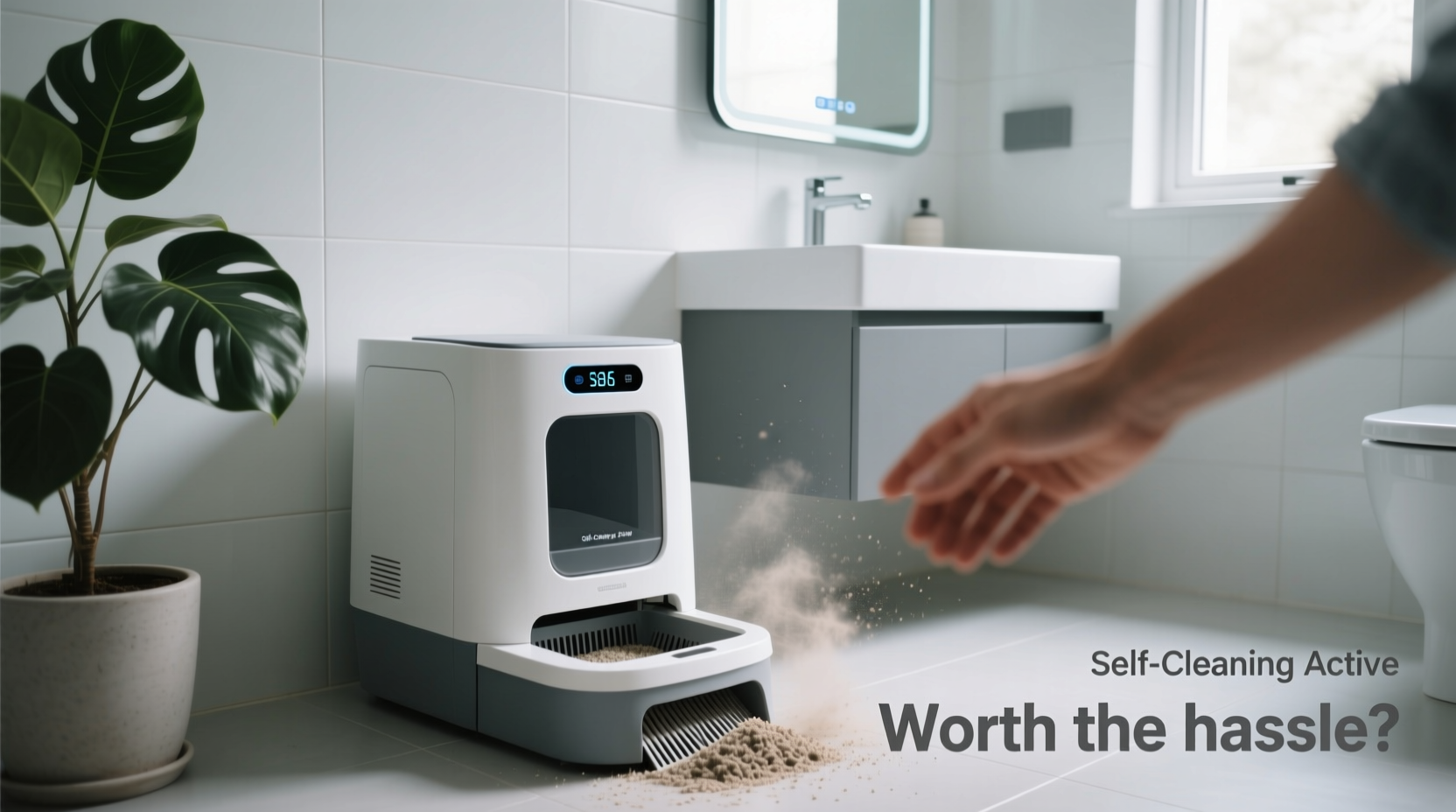
Automatic litter boxes are designed to sift out waste shortly after your cat exits the unit. Most models use motion sensors or timers to activate a raking mechanism that separates clumps from clean litter, depositing soiled material into a sealed waste drawer. Some advanced versions even notify you via smartphone when the tray needs emptying or when your cat has used it multiple times in a short period.
Manufacturers emphasize benefits like:
- Reduced odor due to enclosed designs and timely waste removal
- Fewer daily scoops—sometimes none at all
- Better hygiene by limiting direct contact with waste
- Convenience for busy or mobility-limited owners
On paper, this sounds ideal. But in practice, the reality is more nuanced. Automation doesn’t eliminate maintenance—it redistributes it.
Hidden Maintenance Demands of Automatic Litter Boxes
While you may not scoop every day, automatic litter boxes require consistent attention to function properly. Neglecting these tasks can lead to malfunctions, unpleasant smells, or even cats refusing to use the box altogether.
Regular Cleaning Beyond Waste Removal
Even though the machine removes clumps, the entire unit still needs periodic deep cleaning. Urine residue can build up in corners, tracks, and under moving parts. Over time, ammonia odors intensify if not thoroughly wiped down. Most manufacturers recommend a full clean every 2–4 weeks, which involves disassembling components, scrubbing surfaces, and replacing filters (if applicable).
Litter Compatibility and Usage
Not all litters work well in automated systems. Clumping clay litter is usually required, but some brands form softer clumps that break apart during sifting, leading to clogs. Silica crystals, while low-tracking, don’t always trigger sensors correctly. Owners often find themselves testing different brands to strike a balance between performance and compatibility.
Tip: Stick to medium-grain, high-clumping litter and avoid scented varieties—they can interfere with sensors and irritate your cat’s respiratory system.Mechanical Failures and Repairs
These units contain motors, gears, and electronic sensors—all of which can fail. A jammed rake, misaligned sensor, or power issue can halt operation entirely. When this happens, the box stops cleaning itself, turning into a stagnant, smelly trap until fixed. Some models offer error alerts, but troubleshooting often requires technical know-how or customer support calls.
“Owners assume automation means zero effort, but I’ve seen more litter box avoidance cases linked to malfunctioning self-cleaning units than any other type.” — Dr. Lena Reyes, DVM, Feline Behavior Consultant
Comparing Effort: Manual vs. Automatic Litter Box Maintenance
To determine whether an automatic litter box is worth it, compare the actual time and effort involved in both types over a month.
| Maintenance Task | Manual Litter Box (Daily) | Automatic Litter Box (Weekly/Monthly) |
|---|---|---|
| Daily Scooping | 5–10 minutes per day (total: ~4 hours/month) | Nearly eliminated |
| Full Litter Change | Every 2–4 weeks (~1 hour) | Every 3–4 weeks (~1.5 hours, including disassembly) |
| Cleaning Mechanism | None | Check rake weekly, clean rails monthly (~30 min/month) |
| Troubleshooting | Rare (odor, tracking) | Occasional jams, resets, error codes (~1 hour/month) |
| Total Estimated Monthly Time | ~5 hours | ~4.5–6 hours |
As the table shows, the time savings are marginal. While daily scooping disappears, it’s replaced with longer, more complex monthly tasks and intermittent troubleshooting. For some, eliminating the daily chore is worth the trade-off. For others, especially those who already have a quick scooping routine, the benefit feels underwhelming.
Real-World Case: Two Cats, One Apartment, and a Month with Automation
Sarah, a software engineer in Seattle, decided to try an automatic litter box after adopting a second cat. With a tight schedule and persistent odor complaints from her roommate, she invested in a premium model with app connectivity and dual-waste compartments.
At first, it worked flawlessly. No scooping. Minimal smell. Her cats adapted quickly. But by week three, one cat began urinating beside the box. Sarah checked the logs—both cats were using it regularly. Upon inspection, she found the rake had missed several clumps due to a buildup of fine dust along the track. The missed waste created a lingering scent that repelled the more sensitive cat.
After a deep clean and adjustment, usage resumed—but two weeks later, the motor stalled mid-cycle. Customer support sent a replacement part, but it took five days to arrive. During that time, Sarah reverted to manual scooping while also managing a full bin that wouldn’t close properly.
In the end, she kept the unit but now performs preventive maintenance every Sunday: wiping rails, checking alignment, and emptying the drawer before it’s full. “It saves me time on most days,” she says, “but only because I’ve turned upkeep into its own weekly ritual.”
Who Benefits Most from Automatic Litter Boxes?
These devices aren’t universally effective, but they shine in specific situations:
- Multi-cat households: With two or more cats, daily waste volume increases significantly. An automatic box can prevent overflow between scoops.
- People with physical limitations: Arthritis, back pain, or mobility issues make bending and scooping difficult. Automation offers genuine relief.
- Busy professionals: Those with unpredictable schedules appreciate not needing to scoop at a specific time each day.
- Odor-sensitive environments: In small apartments or shared living spaces, sealed waste drawers help contain smells better than open trays.
However, they’re less suitable for:
- Kittens or elderly cats: Unpredictable movements may confuse sensors, triggering false cycles.
- Nervous or noise-sensitive cats: The sound of the rake activating can scare some cats, leading to avoidance.
- Budget-conscious owners: Units range from $150 to over $700, with ongoing costs for proprietary liners or filters.
Step-by-Step Guide to Minimizing Maintenance Hassles
If you choose an automatic litter box, follow this routine to keep it running smoothly and reduce long-term headaches:
- Week 1: Setup and Monitoring
Place the box in a quiet, accessible area. Let your cat explore it without activation. Run test cycles manually to demonstrate safety. - Day 3–7: Observe Usage Patterns
Watch how your cat enters and exits. Adjust sensor sensitivity if the rake starts too early or too late. - Weekly: Empty Waste Drawer
Don’t wait until it’s full. Empty every 5–7 days to prevent overflow and odor seepage. - Biweekly: Clean Rake and Rails
Wipe down the sifting mechanism with a damp cloth. Remove hair and dust buildup that could cause jams. - Monthly: Full Disassembly and Sanitization
Take apart removable components. Wash with mild soap and water. Inspect for wear and tear. - Ongoing: Use Compatible Litter
Stick to one reliable brand. Avoid switching frequently, as different densities affect performance.
FAQ: Common Questions About Automatic Litter Box Maintenance
Do automatic litter boxes really eliminate daily scooping?
Most of the time, yes—but only if the unit is functioning correctly. Mechanical failures, sensor errors, or power interruptions can leave waste uncollected. It’s wise to check the box once a day, even if just visually, to ensure it’s working.
How often do I need to replace parts?
Depends on the model and usage. Rakes and gears typically last 1–2 years with regular cleaning. Filters (in models that have them) should be replaced every 1–3 months. Always check manufacturer guidelines and keep spare parts on hand if possible.
Can I use regular trash bags instead of proprietary liners?
Some owners do, but custom-fit liners often seal better and reduce leakage. Generic bags may shift or tear during raking. If you improvise, opt for thicker, drawstring kitchen bags and secure them tightly.
Final Checklist Before You Buy
Before investing in an automatic litter box, ask yourself:
- ✅ Is my cat comfortable with noise and movement?
- Test with quieter models or those with delayed start options.
- ✅ Do I have space for a larger, heavier unit?
- Most automatic boxes are bulkier than standard trays. Measure your area.
- ✅ Am I prepared for occasional repairs?
- Research warranty terms and part availability.
- ✅ Can I commit to monthly deep cleaning?
- If you dread detailed chores, automation may not suit you.
- ✅ Is the cost justified for my situation?
- Weigh the price against your time savings and quality-of-life improvement.
Conclusion: Weighing Convenience Against Commitment
Automatic litter boxes aren’t magic. They don’t erase maintenance—they transform it. Instead of daily scooping, you invest in preventive care, technical oversight, and periodic deep cleaning. For some cat owners, especially those with physical constraints or multiple pets, that trade is worthwhile. For others, particularly those with simple routines or sensitive cats, the added complexity may not justify the cost.
The key is honest self-assessment. Are you someone who enjoys optimizing systems and doesn’t mind tinkering? Then an automatic litter box might become a valued tool. But if you prefer simplicity and reliability above all, a good old-fashioned scoop and a quality clumping litter may still be your best bet.
💬 Have experience with automatic litter boxes—good or bad? Share your story in the comments. Your insights could help another cat owner decide whether the hassle is worth it.








