For cat owners, few chores spark more dread than scooping a soiled litter box. The smell, the mess, the frequency—it’s no wonder automatic litter boxes have surged in popularity. Marketed as high-tech solutions that eliminate manual labor, these devices promise convenience and cleaner homes. But beneath the sleek design and motorized rakes lies a critical question: Are they actually hygienic, or are they simply trading effort for illusion?
The answer isn’t straightforward. While automatic litter boxes offer undeniable ease, their impact on hygiene depends heavily on usage, maintenance, and model quality. To separate marketing claims from reality, it’s essential to examine how these systems work, what risks they may introduce, and whether they truly improve sanitation—or merely mask it.
How Automatic Litter Boxes Work
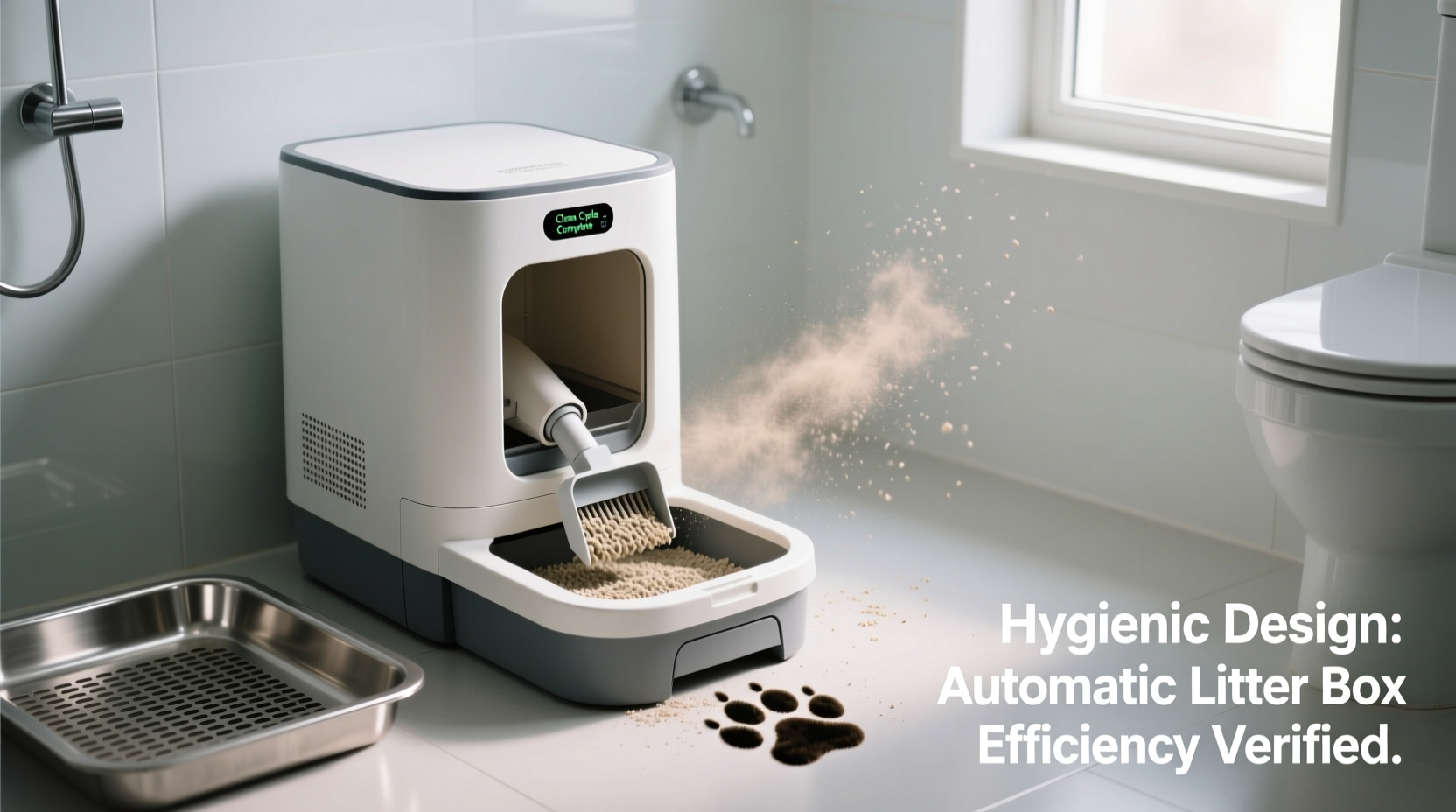
Automatic litter boxes operate using sensors and mechanical components to detect when a cat has used the box. After a set delay—usually 7 to 15 minutes—the unit activates a sifting mechanism that separates clumps from clean litter and deposits waste into a sealed compartment. Some models use rotating sifters; others employ rake-like arms. Once complete, the box resets, ready for the next use.
This automation reduces direct human contact with waste and eliminates daily scooping. However, the internal mechanics also create new surfaces where bacteria, moisture, and odor can accumulate if not properly maintained. Unlike traditional boxes cleaned entirely every week or two, automatic units often retain waste inside a closed bin for days at a time, raising concerns about bacterial growth and odor control.
Tip: Always check the waste drawer daily—even if the box is self-cleaning—to prevent overflow and odor buildup.The Hygiene Promise vs. Reality
Manufacturers claim that automatic litter boxes enhance hygiene by reducing exposure to feces and urine, minimizing cross-contamination, and containing odors better than open trays. In theory, this makes sense. Less handling means fewer chances for germs to spread. A sealed waste compartment should theoretically limit airborne particles and bacterial dispersion.
But independent studies and veterinary experts caution against assuming these systems are inherently cleaner. Dr. Lena Patel, a feline health specialist, explains:
“Just because a machine removes waste doesn’t mean the environment stays sanitary. The litter itself remains exposed, and without full replacement, ammonia and pathogens can build up over time.”
In fact, one study published in the *Journal of Feline Medicine and Surgery* found that enclosed automatic boxes had higher concentrations of airborne ammonia after seven days compared to open, manually cleaned alternatives. The reason? Poor ventilation combined with retained moisture in the waste compartment created ideal conditions for bacterial proliferation.
Moreover, many automatic systems reuse the same litter repeatedly, only removing clumps. Over time, microscopic urine residues saturate the remaining granules, degrading odor control and increasing microbial load. This contrasts sharply with deep-cleaning routines typical of traditional litter management, where all contents are replaced weekly.
Convenience Without Compromise: Key Features That Matter
Not all automatic litter boxes are equal. The degree to which they support hygiene depends on several design and functional factors. When evaluating models, consider the following features that influence both cleanliness and usability:
| Feature | Hygiene Benefit | Common Pitfalls |
|---|---|---|
| Sealed Waste Drawer | Contains odor and limits bacterial spread | Must be emptied frequently; can leak if overfilled |
| Carbon Filters | Reduces airborne odors and volatile compounds | Loses effectiveness over time; needs monthly replacement |
| Ventilation Design | Prevents humidity buildup and ammonia accumulation | Poor airflow leads to mold risk in humid environments |
| Washable Interior Surfaces | Allows thorough cleaning between litter changes | Hard-to-reach crevices may harbor biofilm |
| Clump Detection Accuracy | Ensures timely cleaning; prevents missed waste | Sensitivity issues may leave waste behind |
High-end models like the Litter-Robot or PetSafe ScoopFree Ultra incorporate multiple layers of filtration, easy-disassembly designs, and smart alerts for maintenance. These features significantly improve hygiene outcomes—but only when users follow recommended care protocols.
Real Example: A Household Case Study
Sarah Thompson, a software engineer and owner of two cats in Portland, Oregon, switched to an automatic litter box six months ago. She initially praised the convenience: “I loved not having to scoop every morning. My bathroom smelled better, and I didn’t have to touch waste anymore.”
However, after three months, she noticed her older cat, Milo, began avoiding the box. He started urinating beside it. Concerned, Sarah consulted her vet, who suggested stress or discomfort related to the litter box environment. Upon inspection, she discovered a faint but persistent ammonia smell emanating from the base unit—a sign of lingering moisture and inadequate ventilation.
After deep-cleaning the entire system and switching to a more absorbent, low-dust litter, Milo returned to normal. Sarah now empties the waste drawer every other day instead of weekly and wipes down internal surfaces biweekly. “It’s still easier than scooping,” she says, “but I realize it’s not zero-maintenance. If you ignore it, it gets gross fast.”
Maintenance Checklist for Optimal Hygiene
To ensure your automatic litter box remains sanitary, follow this practical checklist:
- Empty the waste drawer every 1–3 days depending on number of cats and usage frequency.
- Replace carbon filters monthly or as recommended by the manufacturer.
- Deep-clean the entire unit every 2–4 weeks using mild pet-safe disinfectant.
- Rinse and dry the waste compartment thoroughly to prevent bacterial residue.
- Inspect sensors and moving parts regularly for clogs or debris interference.
- Use clumping litter designed for automatic systems to avoid jams and poor separation.
- Monitor your cat’s behavior for signs of avoidance, which may indicate odor or noise issues.
Step-by-Step Guide: Deep Cleaning Your Automatic Litter Box
Even with daily maintenance, periodic deep cleaning is essential to prevent biofilm formation and odor retention. Follow this timeline to keep your unit truly hygienic:
- Unplug the device and remove all litter. Dispose of used litter safely.
- Detach the waste drawer and empty contents into a sealed bag. Wash with warm, soapy water and dry completely.
- Remove the sifting mechanism or rake assembly per manufacturer instructions. Soak in a pet-safe disinfectant solution for 10 minutes.
- Wipe down the interior basin with a damp cloth and mild cleaner. Avoid harsh chemicals that could damage plastic or sensors.
- Clean around sensor zones and edges where urine spray may accumulate. Use a soft brush for tight spaces.
- Rinse and dry all components thoroughly before reassembling. Moisture left inside can promote mold.
- Reassemble and refill with fresh litter, ensuring not to exceed the maximum fill line.
- Test the unit with a manual cycle to confirm proper operation.
This process should take 30–45 minutes and is best done every month for single-cat households, or every two weeks for multi-cat homes.
Common Misconceptions About Automatic Litter Box Sanitation
Despite their popularity, several myths persist about the hygiene of automatic systems:
- Myth: They’re completely hands-off. Reality: Users must still empty waste, replace filters, and perform deep cleans.
- Myth: They eliminate odor permanently. Reality: Odor control is temporary and diminishes without consistent maintenance.
- Myth: All litters work equally well. Reality: Non-clumping or dusty litters can clog mechanisms and reduce hygiene efficiency.
- Myth: They’re safer for kittens and small cats. Reality: Some models pose entrapment or injury risks if safety sensors fail.
Understanding these limitations helps set realistic expectations. Convenience should never come at the cost of feline health or household cleanliness.
Frequently Asked Questions
Can automatic litter boxes make my home less hygienic?
Potentially, yes—if not maintained properly. A neglected automatic box can become a reservoir for bacteria, mold, and ammonia gas, especially in poorly ventilated areas. Regular cleaning and timely waste removal are crucial to preventing this.
Do veterinarians recommend automatic litter boxes?
Many vets acknowledge their convenience but emphasize responsible use. As Dr. Alan Reyes, DVM, notes:
“These devices can support good litter habits, but they’re not a substitute for vigilant hygiene. Owners must stay proactive.”Some vets advise against them for households with very young, elderly, or anxious cats who may be startled by movement or noise.
Are there health risks for humans using automatic litter boxes?
Immunocompromised individuals or those with respiratory conditions should exercise caution. Prolonged exposure to airborne litter dust and ammonia—even in filtered systems—can exacerbate asthma or allergies. Placing the unit in a well-ventilated area and wearing gloves during maintenance reduces risk.
Conclusion: Balancing Convenience and Cleanliness
Automatic litter boxes are neither inherently hygienic nor universally unclean. Their value lies in how they are used. For busy pet owners, they offer a practical way to manage waste with less daily effort. But convenience should not be mistaken for cleanliness. Without disciplined maintenance, these systems can compromise rather than improve household hygiene.
The most effective approach combines technological ease with old-fashioned diligence. Choose a high-quality model with strong ventilation and easy cleaning access. Stick to a strict maintenance schedule. Pay attention to your cat’s behavior as an early warning system. And remember: no machine replaces the importance of observation, care, and consistency.
🚀 Ready to upgrade your cat’s litter experience? Evaluate your current routine, research models with proven hygiene features, and commit to a maintenance plan that keeps both your pet and your home truly clean.








