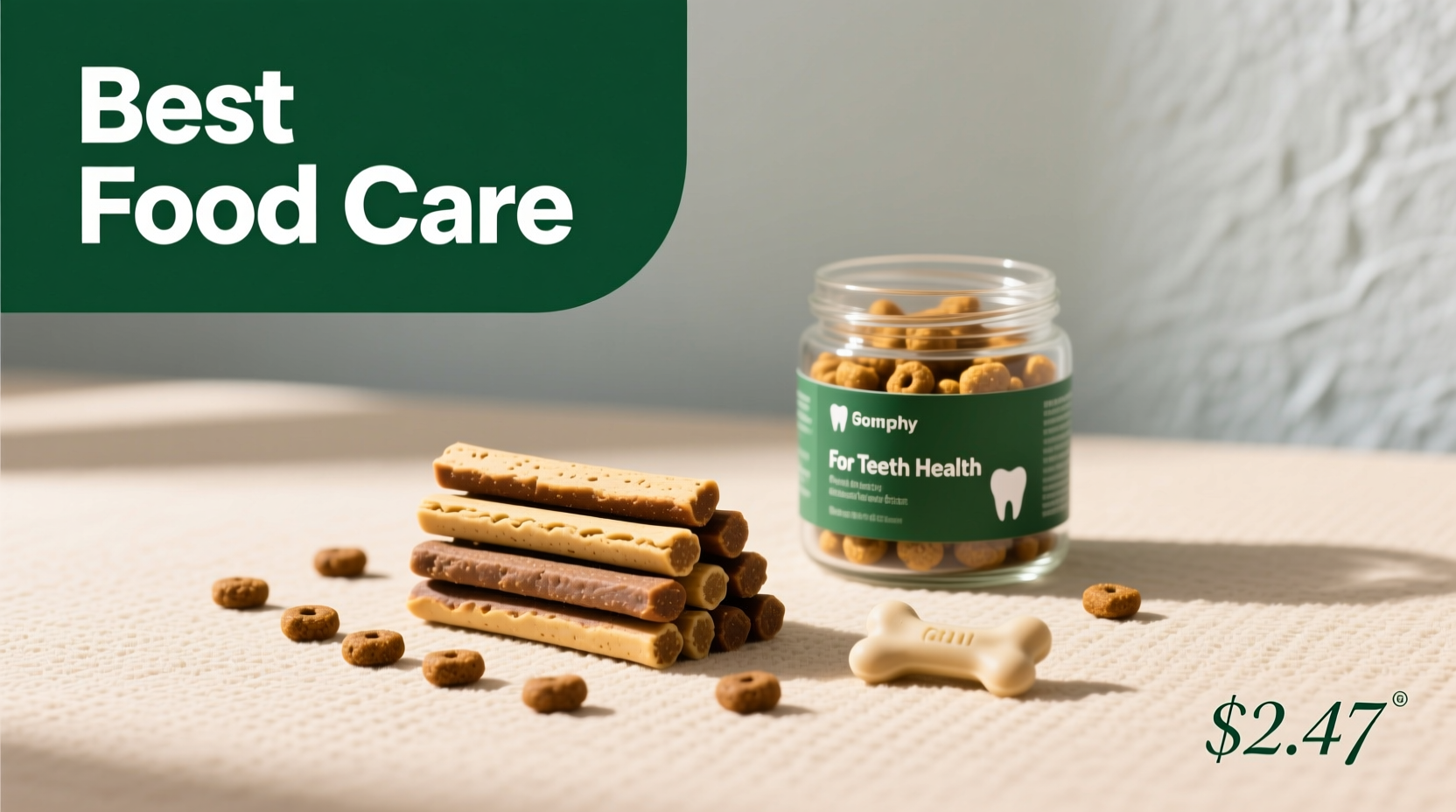
Dental health is a critical yet often overlooked aspect of pet wellness. Plaque buildup, gingivitis, and tooth decay can lead to serious systemic issues in dogs and cats, including heart and kidney disease. While professional cleanings are effective, they come with high costs. Fortunately, preventive care through diet and treats offers an accessible solution. The good news? You don’t need to spend hundreds to protect your pet’s smile. High-quality dental treats and food formulations now start as low as $2.47 per month when purchased strategically. This guide explores budget-friendly, vet-backed options that deliver real results.
Why Dental Health Matters for Pets
Over 80% of dogs and 70% of cats show signs of dental disease by age three, according to the American Veterinary Dental College. Unlike humans, pets rarely receive regular brushing, making them more susceptible to plaque accumulation. Bad breath is often the first clue, but deeper problems like gum recession, loose teeth, and infection can follow silently.
Ignoring oral hygiene doesn’t just affect the mouth. Bacteria from inflamed gums can enter the bloodstream, potentially damaging vital organs. Preventive care isn't optional—it's essential. And while toothbrushing remains the gold standard, not all pets tolerate it. That’s where functional treats and dental diets step in as practical allies.
“Daily dental intervention—whether through brushing or specially designed treats—can delay professional procedures by years.” — Dr. Laura Lefebvre, DVM, Board-Certified Veterinary Dentist
How Dental Treats Work: Science Behind the Crunch
Effective dental treats aren’t just flavored biscuits. They’re engineered with mechanical and enzymatic actions in mind:
- Mechanical Abrasion: A firm, textured surface scrapes plaque off teeth as the pet chews.
- Enzyme Action: Ingredients like zinc gluconate or chlorophyll neutralize odor-causing bacteria.
- Slow Chew Design: Longer chewing time increases contact with molars, where tartar builds fastest.
The Veterinary Oral Health Council (VOHC) awards seals of acceptance to products proven to reduce plaque or tartar by at least 10–20% in clinical trials. Look for this seal when shopping—it separates marketing claims from measurable results.
Tip: Choose treats labeled with VOHC approval. These have undergone independent testing and meet strict efficacy standards.Affordable Dental Treats Starting at $2.47
Price shouldn’t be a barrier to dental care. Many effective treats cost less than $0.10 per day when bought in bulk. Below is a comparison of budget-friendly, VOHC-approved options available at major retailers.
| Treat Name | Size/Count | Price (USD) | Cost Per Treat | VOHC Approved | Key Feature |
|---|---|---|---|---|---|
| Purina DentaLife Daily Oral Care | 30-count | $7.49 | $0.25 | Yes | Hollow texture cleans down to gumline |
| Greenies Regular Dental Treats | 44-count | $14.99 | $0.34 | Yes | Soft texture, highly palatable |
| VetIQ Dental Chew Sticks | 60-count | $8.99 | $0.15 | No | Budget bulk option with parsley extract |
| Blue Buffalo Blue Bits Dental | 12 oz bag (~120 pieces) | $6.99 | $0.06 | No | Small training-sized, grain-free |
| CET VEGGIE DENTAL Chews | 30-count | $12.00 | $0.40 | Yes | Vegetarian formula, enzymatic action |
Note: The most cost-effective routine uses smaller, daily treats. For example, feeding one Blue Bits piece daily costs just **$2.47 per month**—making it one of the most affordable entry points into consistent dental care.
Best Food Care Practices to Support Dental Health
Treats alone aren’t enough. Diet plays a foundational role. Dry kibble, especially larger or fibrous varieties, encourages chewing and provides mild abrasion. However, not all kibbles are equal.
Look for foods with:
- Kibble Size & Shape: Larger, irregular pieces require more chewing.
- Texture: Porous or layered textures increase plaque-scraping effect.
- Additives: Sodium hexametaphosphate or zinc compounds inhibit tartar formation.
Brands like Hill’s Science Diet Oral Care, Purina Pro Plan Dental, and Royal Canin Dental Care are VOHC-approved and integrate these features. While pricier upfront, buying in bulk or using auto-ship discounts reduces long-term cost.
Step-by-Step: Building a Low-Cost Dental Care Routine
- Assess your pet’s current dental state. Check for bad breath, yellow buildup, or red gums.
- Select one daily dental treat under $0.25 per unit. Prioritize VOHC-approved options when possible.
- Switch to a dental-support kibble or mix in dry food with regular meals. Even partial replacement helps.
- Establish consistency. Administer the treat at the same time daily—after dinner works well.
- Monitor changes monthly. Note improvements in breath or visible tartar reduction.
- Pair with occasional brushing. Use a finger brush and pet-safe toothpaste once a week for enhanced results.
Real Example: How Max Reduced Tartar on a Budget
Max, a 5-year-old mixed terrier, had persistent bad breath and yellow teeth. His owner, Maria, couldn’t afford a $300 dental cleaning. Instead, she started a low-cost regimen: one Blue Buffalo Blue Bit daily ($0.06), mixed with her dog’s regular food, plus weekly brushing using a free sample toothpaste from her vet.
After three months, Max’s vet noted a visible reduction in plaque along the premolars. “It’s not a full clean,” the vet said, “but the progression has slowed significantly.” Maria spent under $10 total—proof that small, consistent actions yield real outcomes.
Checklist: Affordable Dental Care Plan
Use this checklist to launch an effective, low-cost dental routine:
- ☐ Assess your pet’s breath and teeth weekly
- ☐ Choose a dental treat under $0.25 per piece
- ☐ Confirm VOHC approval if possible
- ☐ Set a daily reminder to give the treat
- ☐ Consider switching to a dental kibble or supplementing with dry dental bites
- ☐ Schedule a vet checkup annually to monitor progress
- ☐ Use subscription discounts and coupons to lower costs
Frequently Asked Questions
Are cheap dental treats effective?
Some lower-cost treats lack clinical backing, but many—like Blue Buffalo Blue Bits or VetIQ—use physical scrubbing action to reduce plaque. While not VOHC-approved, they offer value as part of a broader routine. For best results, combine with other strategies like dry food and occasional brushing.
Can I use human toothpaste for my pet?
No. Human toothpaste contains xylitol, which is toxic to dogs, and high sodium levels unsafe for cats. Always use pet-specific toothpaste, which is enzymatic and safe to swallow.
How soon will I see results?
Most owners notice fresher breath within 2–4 weeks. Visible tartar reduction typically takes 2–3 months of daily use. Consistency is key—skipping days reduces effectiveness.
Final Thoughts: Small Steps, Big Impact
Dental care doesn’t have to be expensive to be effective. With smart choices, even pet owners on tight budgets can prevent costly veterinary procedures down the line. Starting at just $2.47 per month, simple additions like affordable dental treats and supportive foods make a measurable difference. The goal isn’t perfection—it’s sustainability. By integrating one treat a day and making mindful food choices, you’re investing in your pet’s long-term health and comfort.
💬 What’s your go-to affordable dental treat? Share your experience or ask questions in the comments—your tip could help another pet parent save money and improve their pet’s health!








