
Bengal kittens are known for their striking appearance, energetic personalities, and high metabolic needs. Their wild ancestry means they thrive on a diet rich in animal-based proteins and essential nutrients. While premium cat foods often dominate recommendations, many pet owners seek affordable alternatives that don’t compromise quality. The good news is that it’s entirely possible to feed your Bengal kitten well without overspending—by making informed choices based on nutritional science and real-world value.
Nutritional Needs of Bengal Kittens
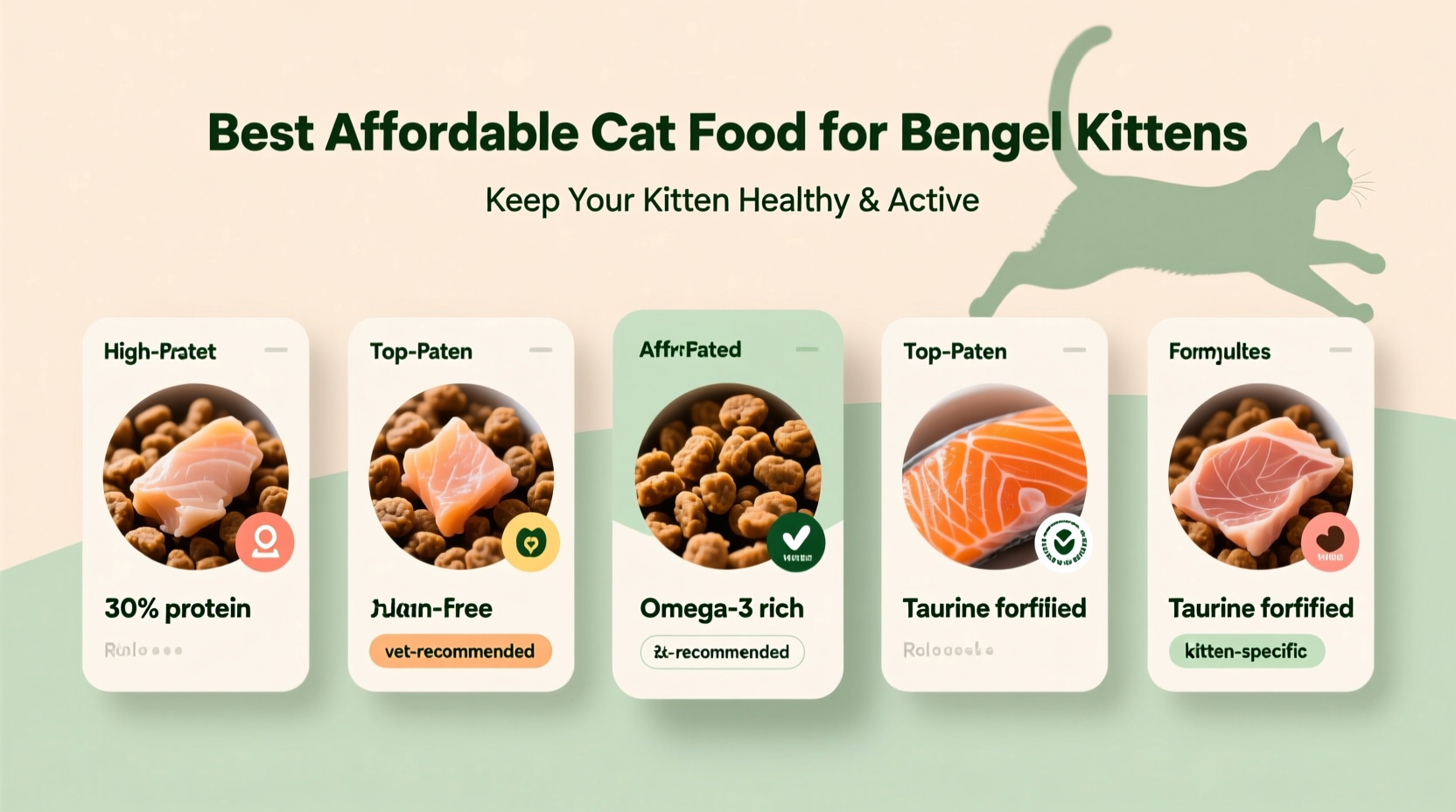
Bengal kittens grow rapidly during their first year, requiring more calories, protein, and specific amino acids than adult cats. Unlike some domestic breeds, Bengals have a higher activity level and lean muscle mass, which increases their demand for bioavailable protein and taurine. A diet lacking in these essentials can lead to poor coat condition, sluggish development, or even heart issues later in life.
Key nutritional components for Bengal kittens include:
- High animal protein (30–40% crude protein): Supports muscle development and sustained energy.
- Taurine: An essential amino acid critical for vision, heart function, and reproduction.
- Omega-3 and Omega-6 fatty acids: Promote healthy skin, a shiny coat, and cognitive development.
- Low carbohydrate content: Cats are obligate carnivores; excessive carbs can lead to obesity and digestive strain.
- Vitamins A, D, and B complex: Support immune function, bone growth, and metabolism.
“Bengal kittens require a nutrient-dense diet from day one. Skimping on quality protein sources can hinder both physical and neurological development.” — Dr. Laura Bennett, DVM, Feline Nutrition Specialist
Affordable Yet High-Quality Cat Food Brands
Price doesn’t always reflect nutritional adequacy. Several mid-tier brands meet AAFCO guidelines for kitten growth while remaining budget-friendly. Below is a comparison of five reliable, accessible options that balance cost and nutrition effectively.
| Brand & Product | Protein Source | Crude Protein (%) | Price per Pound | Notable Features |
|---|---|---|---|---|
| Purina Pro Plan Kitten Chicken & Rice | Chicken | 40% | $3.50 | DHA for brain development, probiotics, widely available |
| Blue Buffalo Wilderness Kitten Chicken | Deboned Chicken | 38% | $4.10 | Grain-free, LifeSource Bits for immunity, no artificial preservatives |
| Iams ProActive Health Kitten | Chicken | 36% | $2.75 | Contains DHA, beet pulp for digestion, affordable at major retailers |
| Nutro Wholesome Essentials Kitten | Chicken | 35% | $3.20 | No chicken by-product meal, non-GMO ingredients, omega-rich |
| Wellness Complete Health Kitten Deboned Chicken | Deboned Chicken | 40% | $4.30 | Grain-inclusive but balanced, taurine-enriched, no artificial flavors |
While Purina Pro Plan and Iams sit at the lower end of the price spectrum, they still deliver complete nutrition when fed consistently. For those seeking grain-free options, Blue Buffalo and Wellness offer strong profiles, though slightly above average cost. The key is consistency—switching foods too often can disrupt digestion and mask underlying sensitivities.
Tip: Buy larger bags (5–10 lbs) when possible and split into airtight containers to reduce oxidation and save money over time.Smart Feeding Practices on a Budget
Choosing the right food is only part of the equation. How you feed matters just as much. Overfeeding or improper portion control can lead to waste and unnecessary expenses—even with affordable brands.
A typical Bengal kitten between 8–12 weeks needs about 4–5 small meals per day, totaling roughly ½ to ¾ cup of dry food daily (adjusted for wet food inclusion). By 6 months, this reduces to 2–3 meals, with total intake increasing due to growth but frequency decreasing.
Step-by-Step Feeding Timeline for First Year
- 8–12 Weeks: Offer moistened kibble 4–5 times daily; introduce wet food gradually.
- 3–5 Months: Transition to dry kibble with one wet meal per day; monitor weight weekly.
- 6–9 Months: Feed twice daily with measured portions; add occasional cooked lean meat (e.g., boiled chicken) as supplement.
- 10–12 Months: Begin transitioning to adult formula if recommended by vet; maintain consistent schedule.
Mixing wet and dry food enhances hydration and palatability without significantly raising costs. A single pouch of wet food every other day complements a dry food base and helps prevent urinary tract issues—a common concern in active breeds like Bengals.
Real Example: Feeding Luna, a 10-Week-Old Bengal Kitten
Sarah adopted Luna from a local breeder and was overwhelmed by feeding advice. With a tight budget, she opted for Iams ProActive Health Kitten after researching its AAFCO compliance and ingredient list. She started with four small meals: ¼ cup softened kibble morning and night, plus two 1.5 oz pouches of Iams canned kitten food midday and evening.
By month four, Luna was thriving—her coat glossy, energy levels high, and vet checkups showed excellent weight gain. Sarah saved further by buying a 15-lb bag online with subscription discounts and storing portions in sealed glass jars. Her monthly food cost stayed under $35, proving affordability and quality aren't mutually exclusive.
Checklist: Choosing Affordable, Healthy Food for Your Bengal Kitten
- ✅ Confirm the food meets AAFCO kitten nutrient profiles.
- ✅ Prioritize named animal proteins (e.g., “chicken,” not “meat by-products”).
- ✅ Check for taurine and DHA in the ingredient list.
- ✅ Avoid foods with corn, soy, or artificial colors/flavors.
- ✅ Compare cost per ounce across brands, not just package price.
- ✅ Introduce new food slowly over 7–10 days to avoid digestive upset.
- ✅ Consult your veterinarian before adding supplements.
Frequently Asked Questions
Can I feed my Bengal kitten human-grade meat instead of commercial food?
You can offer small amounts of plain, cooked meat (like chicken or turkey) as a supplement, but not as a full replacement. Homemade diets often lack balanced nutrients unless carefully formulated by a veterinary nutritionist. Relying solely on meat may cause deficiencies in calcium, vitamins, and taurine.
Is grain-free always better for Bengal kittens?
Not necessarily. While some kittens do better without grains, there's no evidence that grain-free diets are inherently superior. What matters most is protein quality and digestibility. In fact, recent FDA investigations have linked certain grain-free diets to dilated cardiomyopathy (DCM), so choose such foods cautiously and consult your vet.
How do I know if my kitten is getting enough nutrition?
Signs of proper nutrition include steady weight gain, bright eyes, clean coat, firm stools, and playful behavior. If your kitten seems lethargic, has dull fur, or experiences frequent digestive issues, reassess the diet with your veterinarian.
Final Thoughts and Action Steps
Feeding a Bengal kitten well doesn’t require luxury branding or sky-high prices. What it does require is attention to detail—reading labels, understanding nutritional basics, and maintaining consistency. Brands like Iams, Purina Pro Plan, and Nutro prove that affordability and quality can coexist when backed by sound formulation and responsible sourcing.
The foundation of a healthy Bengal isn’t found in the priciest bag on the shelf, but in daily care, informed choices, and a commitment to long-term wellness. Start today by reviewing your current food against AAFCO standards, measuring portions accurately, and planning gradual transitions if needed.
💬 Have you found an affordable kitten food that works for your Bengal? Share your experience in the comments—your insight could help another pet parent make a confident choice.








