For cat owners, managing litter box maintenance is one of the less glamorous but unavoidable parts of pet ownership. Scooping daily, dealing with odors, and ensuring hygiene can become time-consuming and unpleasant. Automatic litter boxes offer a modern solution—automating waste separation, reducing odor, and minimizing manual labor. While high-end models dominate marketing campaigns, many budget-conscious pet parents are searching for options that balance affordability, reliability, and ease of use. The good news: such models exist. With thoughtful selection, you can enjoy the benefits of automation without overspending.
What Makes an Automatic Litter Box Worth It?
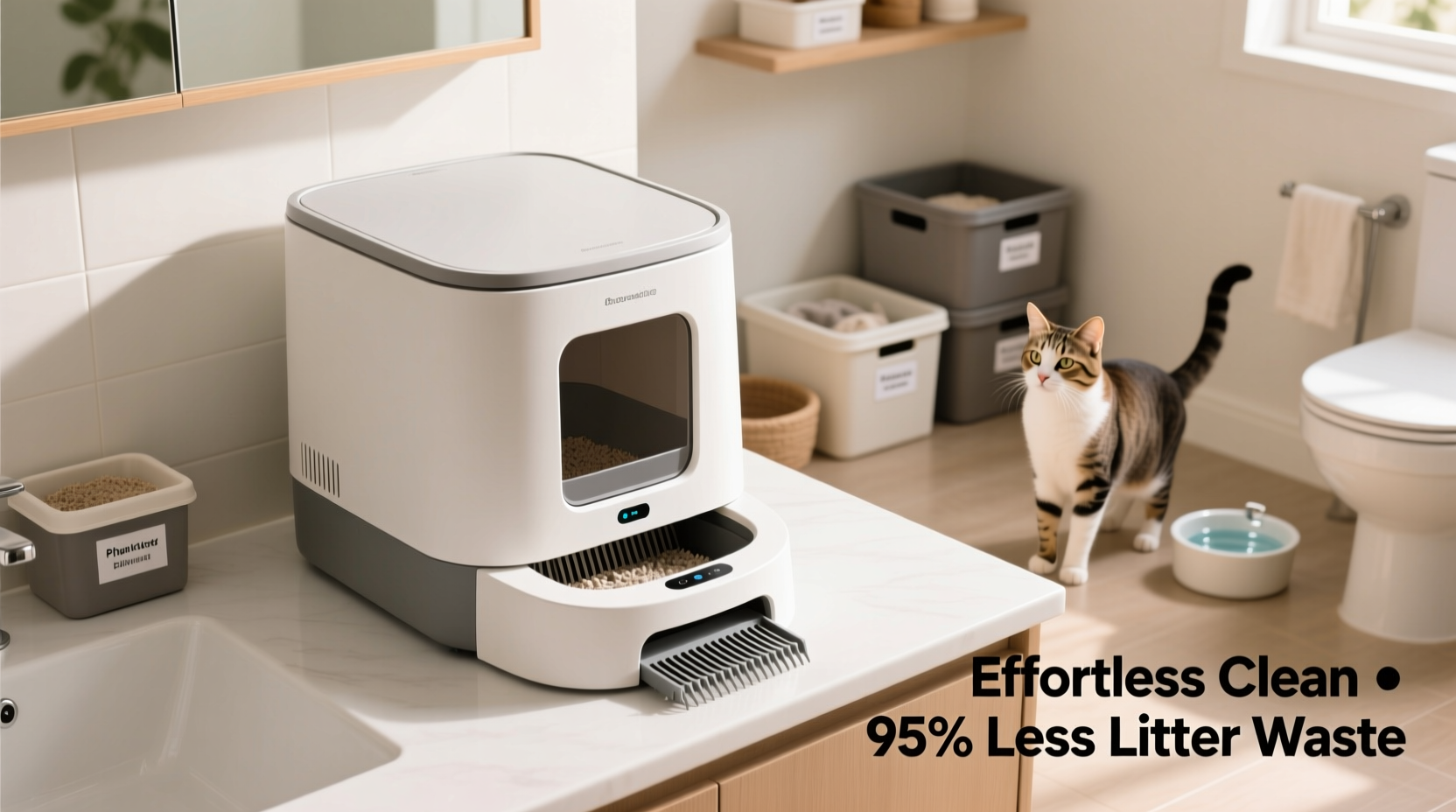
An effective automatic litter box should do more than just look futuristic. It must reliably separate waste from clean litter, contain odors, operate quietly, and require minimal maintenance. Most importantly, your cat must be willing to use it. A model may boast advanced sensors and app connectivity, but if your cat avoids it, the investment fails.
Reliability often comes down to mechanical simplicity. Units with fewer moving parts tend to last longer and encounter fewer malfunctions. Affordable doesn’t have to mean low quality—many mid-tier brands use proven raking or sifting mechanisms that work consistently over time.
Tip: Introduce any new litter box gradually. Place it beside the old one and let your cat explore at their own pace.Top Features to Look for in Budget-Friendly Models
When shopping for an affordable automatic litter box, prioritize features that enhance functionality without inflating the price. Here’s what matters most:
- Automatic Raking System: After your cat exits, a rake sifts through the litter, pulling clumps into a sealed waste drawer. This is the core function—ensure it’s consistent and quiet.
- Odor Control: Look for enclosed designs with carbon filters or removable waste compartments that seal tightly.
- Litter Compatibility: Most models work best with clumping clay litter. Avoid those requiring proprietary or expensive specialty litters.
- Capacity: Should accommodate your cat’s size and usage frequency. Larger cats need deeper trays and wider entry points.
- Low Maintenance Design: Easy-to-clean surfaces, removable components, and accessible waste drawers reduce long-term effort.
“Automation isn’t about luxury—it’s about consistency. A dependable system ensures cleanliness even on days when you’re too busy to scoop.” — Dr. Lena Patel, Feline Behavior Consultant
Comparison of Affordable and Reliable Models
The following table compares five well-reviewed automatic litter boxes priced under $300, focusing on value, reliability, and user satisfaction.
| Model | Price Range | Auto-Cleaning Delay | Waste Drawer Capacity | Key Advantage | Consideration |
|---|---|---|---|---|---|
| Levoit Core 300 | $179–$199 | 7 minutes | Holds up to 10 days (single cat) | Excellent odor control, quiet motor | Requires Levoit carbon filter refills |
| PetKit Pura X | $229–$249 | 5–15 min (adjustable) | ~7 days | App monitoring, dual-sensor entry detection | Slightly louder than others |
| SureLittler 300S | $149–$169 | 10 minutes | Up to 14 days | No subscription or app needed; simple mechanics | Manual reset required after power loss |
| IRIS XP-100 | $129–$149 | 15 minutes | ~7 days | Most affordable fully automatic option | Smaller interior; not ideal for large cats |
| GoHealthyPets Self-Cleaning Box | $199–$219 | 8 minutes | 10–14 days | Works with standard clumping litter; no proprietary supplies | Heavier unit, harder to move |
Step-by-Step Guide to Setting Up Your Automatic Litter Box
Proper setup increases the likelihood of success. Follow these steps to ensure smooth integration into your home:
- Choose the Right Location: Place the box in a quiet, low-traffic area with a hard floor surface. Avoid corners where noise might echo or spaces near loud appliances.
- Assemble According to Instructions: Follow the manufacturer’s guide precisely. Misaligned rakes or sensors can cause errors.
- Add the Correct Litter: Use unscented, medium-grain clumping litter unless specified otherwise. Fill to the marked line—overfilling disrupts the mechanism.
- Test the Mechanism: Run a dry cycle without your cat present to verify the rake moves smoothly and the waste drawer opens correctly.
- Introduce Gradually: Let your cat sniff and explore the unit. You may place a small amount of used litter inside to encourage familiarity.
- Monitor Initial Use: Watch how your cat enters and exits. If they hesitate, consider leaving the old box nearby for a transition period.
Real-Life Example: One Family’s Switch to Automation
The Thompson family adopted two rescue cats within six months. Managing litter duty quickly became overwhelming—especially with a toddler in the house who mimicked “cleaning” by dumping litter everywhere. They researched solutions and settled on the SureLittler 300S due to its straightforward operation and lack of recurring subscription fees.
At first, their older cat avoided the new box. They placed treats around it and sprinkled some old litter inside. Within three days, both cats were using it regularly. The automatic rake runs every 10 minutes after exit, and the sealed waste drawer keeps odors contained. They empty it about once a week. “It’s not flashy,” says Sarah Thompson, “but it works every time. We’ve saved hours each month, and the house smells better.”
Essential Checklist Before Buying
Use this checklist to evaluate whether a model fits your needs and budget:
- ✅ Does it support standard clumping litter? (Avoid proprietary systems.)
- ✅ Is the waste drawer large enough for your cat(s)?
- ✅ Can it handle your cat’s weight and size? (Check max weight specs.)
- ✅ Is the cleaning cycle delayed enough to let your cat exit safely?
- ✅ Are replacement parts (filters, rakes) available and affordable?
- ✅ Does it have positive long-term reviews regarding durability?
- ✅ Is assembly and cleaning manageable for your household?
Frequently Asked Questions
Are affordable automatic litter boxes durable?
Yes, many models under $250 are built with durable plastic and reliable motors. Brands like SureLittler and IRIS have users reporting 2+ years of consistent performance with basic maintenance. Durability depends more on regular cleaning and proper use than price alone.
Will my cat accept an automatic litter box?
Most cats adapt well, especially if introduced slowly. Ensure the entrance is wide and low enough for easy access. Avoid units with loud grinding noises or sudden movements. Some cats prefer open-top designs initially, so consider models with optional covers.
Do I still need to clean the box manually?
Yes, but far less frequently. You’ll still need to wipe down the tray monthly, replace carbon filters, and occasionally deep-clean the rake and housing. However, daily scooping becomes unnecessary, saving significant time and contact with waste.
Final Thoughts: Smart Investment, Lasting Benefits
An automatic litter box shouldn’t be a luxury reserved for high-income households. As technology matures, genuinely affordable and dependable options are now accessible to everyday pet owners. The key is focusing on core functionality—consistent raking, odor containment, and cat-friendly design—rather than gimmicks like app alerts or voice commands.
By selecting a model that balances cost and reliability, you gain more than convenience. You improve hygiene, reduce household odors, and create a cleaner environment for both pets and people. For multi-cat homes or busy families, the time savings alone justify the investment.
🚀 Ready to simplify your routine? Explore the models listed, compare based on your cat’s habits, and take the step toward a cleaner, easier litter experience today.








