Ragdoll cats are known for their striking blue eyes, calm temperament, and, above all, their long, silky coats. While their fur is soft to the touch, it’s also highly prone to matting, shedding, and tangles—especially without consistent grooming. Regular brushing isn’t just about appearance; it’s essential for preventing skin irritation, reducing hairballs, and strengthening the bond between you and your feline companion. However, not all brushes are created equal. For Ragdolls, gentleness is as important as effectiveness. The ideal tool must detangle without pulling, remove loose undercoat without irritating the skin, and be easy to use during daily sessions—all at a price that won’t strain your budget.
Why Ragdoll Cats Need Specialized Grooming Tools
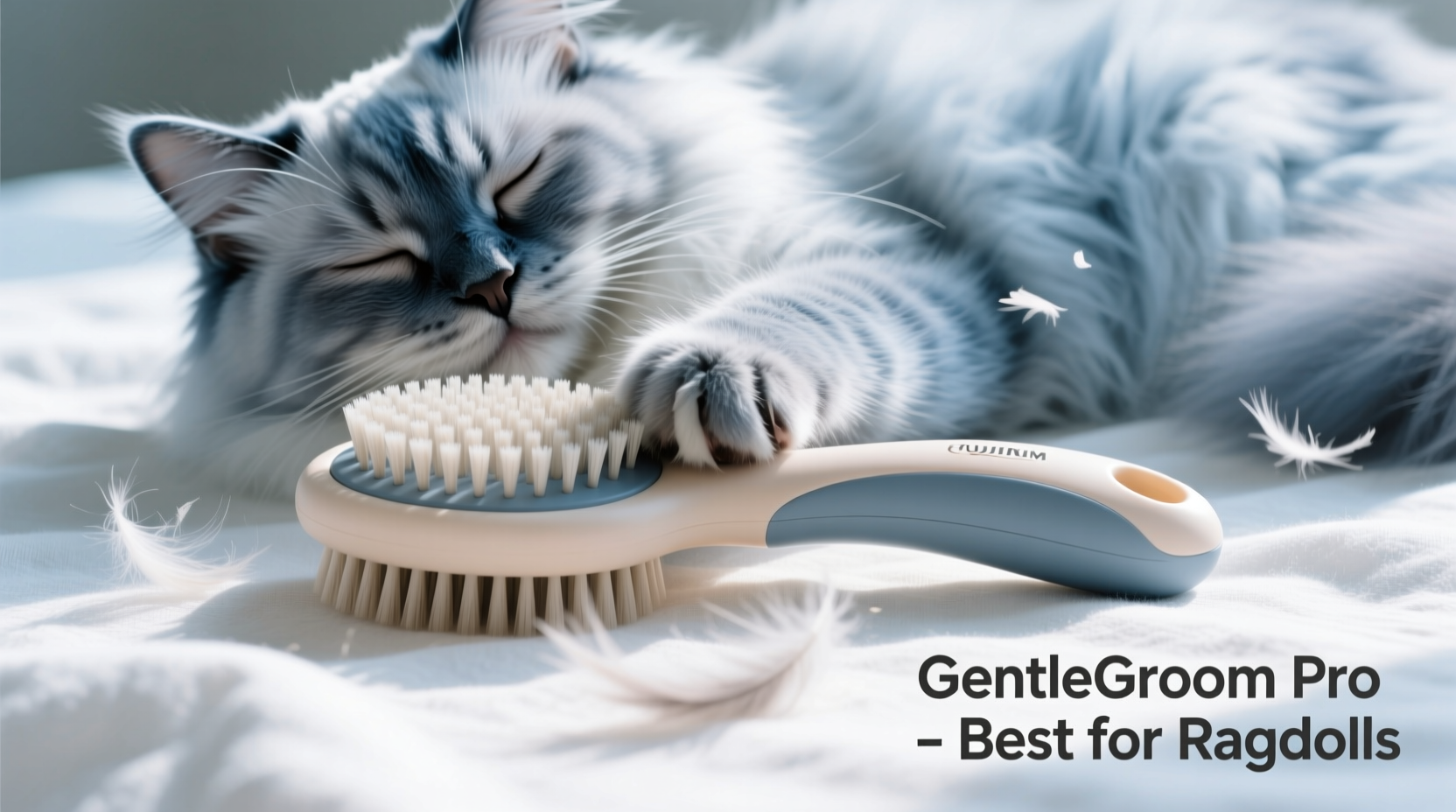
Ragdolls have a semi-long double coat: a plush underlayer and a slightly longer outer coat. This combination traps loose fur, debris, and moisture, making them susceptible to mats behind the ears, under the legs, and along the belly. Unlike short-haired breeds, Ragdolls benefit from daily brushing to maintain coat health. However, their skin is delicate, and aggressive tools like metal combs with sharp teeth or low-quality slicker brushes can cause discomfort or even micro-tears.
The goal isn’t just to groom but to do so in a way that feels pleasant for the cat. A stressed or uncomfortable Ragdoll may resist future grooming, turning a necessary routine into a battle. That’s why the ideal brush must balance efficiency with comfort—and affordability ensures that quality care doesn’t come with a premium price tag.
Tip: Introduce brushing gradually. Start with short 2–3 minute sessions and reward your cat with treats to build positive associations.Key Features of the Best Brush for Ragdolls
When selecting a brush for your Ragdoll, consider these critical factors:
- Soft Bristles or Pins: Look for fine, bent wire pins or soft nylon bristles that glide through fur without snagging.
- Ergonomic Handle: Ensures comfort during extended brushing, especially if you’re working on a wiggly or large cat.
- Deshedding Capability: Must reach the undercoat to reduce shedding and prevent mat formation.
- Easy to Clean: Brushes that trap fur should allow quick removal to maintain hygiene and performance.
- Affordability: High-quality doesn’t have to mean high cost. Many effective brushes are priced under $20.
A common misconception is that expensive tools are always better. In reality, many budget-friendly brushes outperform pricier models because they prioritize function over branding.
Top Affordable & Gentle Brushes Compared
| Brush Model | Type | Gentleness | Price Range | Best For |
|---|---|---|---|---|
| Hertzko Self-Cleaning Slicker Brush | Slicker | ★★★★☆ | $12–$15 | Daily detangling, sensitive skin |
| ANDI6 Cat Deshedding Tool | Undercoat Rake | ★★★☆☆ | $10–$13 | Heavy shedding seasons |
| Premium Pet CoMagic Comb | Double-sided Comb | ★★★★★ | $14–$17 | Precise work around ears and legs |
| FURminator deShedding Edge (Small) | Undercoat Tool | ★★★☆☆ | $25–$30 | Deep deshedding (use sparingly) |
| GoPets ZoomGroom | Rubber Curry Brush | ★★★★☆ | $8–$11 | Light grooming, massage effect |
Among these, the Hertzko Self-Cleaning Slicker Brush stands out for its optimal blend of gentleness, effectiveness, and value. Its fine, angled pins penetrate the topcoat without pressing too hard on the skin, while the self-cleaning button makes fur removal effortless. It’s particularly effective for daily maintenance and works well on both surface tangles and light undercoat buildup.
“Choosing the right brush is half the battle in cat grooming. For long-haired breeds like Ragdolls, a soft-tipped slicker brush used daily can prevent 90% of matting issues.” — Dr. Lena Torres, Feline Dermatology Specialist
Step-by-Step Grooming Routine for Your Ragdoll
Grooming should be a calming ritual, not a chore. Follow this simple process using an affordable, gentle brush:
- Choose a quiet time: Pick when your cat is relaxed—after napping or eating.
- Start with the back: Use smooth, long strokes from neck to tail. Avoid pressing too hard.
- Move to the sides and legs: Lift the fur gently to check for hidden mats. Work in the direction of hair growth.
- Address problem areas: Behind the ears, underarms, and belly require extra care. Use a fine comb here if needed.
- Finish with the tail: Hold it lightly and brush from base to tip.
- Check and clean the brush: Remove trapped fur to keep it effective for next time.
- Offer a treat: Reinforce positive behavior immediately after.
This entire process should take no more than 10–15 minutes daily. Consistency prevents the need for drastic measures like clipping later on.
Real-Life Example: How Sarah Saved Her Ragdoll from Matting
Sarah adopted a 2-year-old Ragdoll named Luna who had been poorly groomed by her previous owner. Within weeks, Luna developed thick mats along her flanks and underbelly. A vet visit revealed early signs of skin inflammation. Instead of opting for a full shave, Sarah committed to a daily grooming routine using the Hertzko slicker brush she found online for $13.
She started with 3-minute sessions, focusing only on the least tangled areas. Over two weeks, she gradually increased duration and coverage. She paired brushing with tuna-flavored treats and soft praise. After one month, the mats had loosened enough to comb out gently. By week six, Luna’s coat was smooth and mat-free. Sarah now maintains her grooming with just five minutes a day. “It’s become our bonding time,” she says. “And the brush costs less than a coffee a week.”
Common Mistakes to Avoid
- Skipping grooming because the cat resists: Build tolerance slowly instead of giving up.
- Using human brushes or cheap plastic combs: These often pull fur and break easily.
- Only brushing during shedding season: Daily care prevents seasonal overload.
- Ignoring the undercoat: Even if the top looks fine, trapped undercoat leads to mats.
- Overusing deshedding tools: Tools like the FURminator should be used weekly at most to avoid skin irritation.
FAQ: Common Questions About Ragdoll Grooming Brushes
How often should I brush my Ragdoll cat?
Daily brushing is ideal. Even 5–10 minutes a day prevents tangles and reduces shedding around the house. During spring and fall shedding seasons, increase frequency or add a weekly undercoat rake session.
Can I use a human brush on my Ragdoll?
No. Human brushes aren’t designed for dense double coats and often pull rather than glide. They can damage both fur and skin. Always use a brush specifically made for cats, preferably long-haired breeds.
Are expensive brushes worth it for a Ragdoll?
Not necessarily. While some premium tools perform well, many affordable options deliver excellent results. Focus on design and materials rather than brand name. A $12 slicker brush with fine, flexible pins often outperforms a $30 branded model with stiff bristles.
Final Thoughts: Gentle Care Doesn’t Have to Be Expensive
Caring for a Ragdoll’s magnificent coat doesn’t require luxury tools or professional spa visits. With the right affordable brush—like the Hertzko slicker or GoPets ZoomGroom—you can maintain a healthy, tangle-free coat while keeping your cat comfortable and happy. The key is consistency, technique, and choosing tools designed for sensitivity and effectiveness.
Grooming becomes more than maintenance; it turns into a moment of connection, trust, and wellness. Whether you’re a new Ragdoll parent or a seasoned owner, investing a few minutes a day with the right brush pays off in your cat’s comfort, appearance, and overall health.
💬 Have a favorite affordable brush that works for your Ragdoll? Share your experience in the comments and help fellow cat owners make informed choices!








