
Cats are naturally curious and predatory animals. Even the most laid-back indoor feline thrives on stimulation, movement, and the thrill of the chase. Without proper engagement, boredom can lead to destructive behavior, overgrooming, or even weight gain. Automated cat toys offer a smart solution—providing consistent entertainment whether you're working from home or out running errands.
The market is flooded with options, but not all automated toys deliver equal value. Some are overpriced, underperforming, or too complex for everyday use. The key is finding models that balance affordability, durability, and genuine engagement. This guide highlights top-rated, budget-friendly automated toys that truly captivate cats—and explains why they work so well.
Why Automated Toys Matter for Indoor Cats
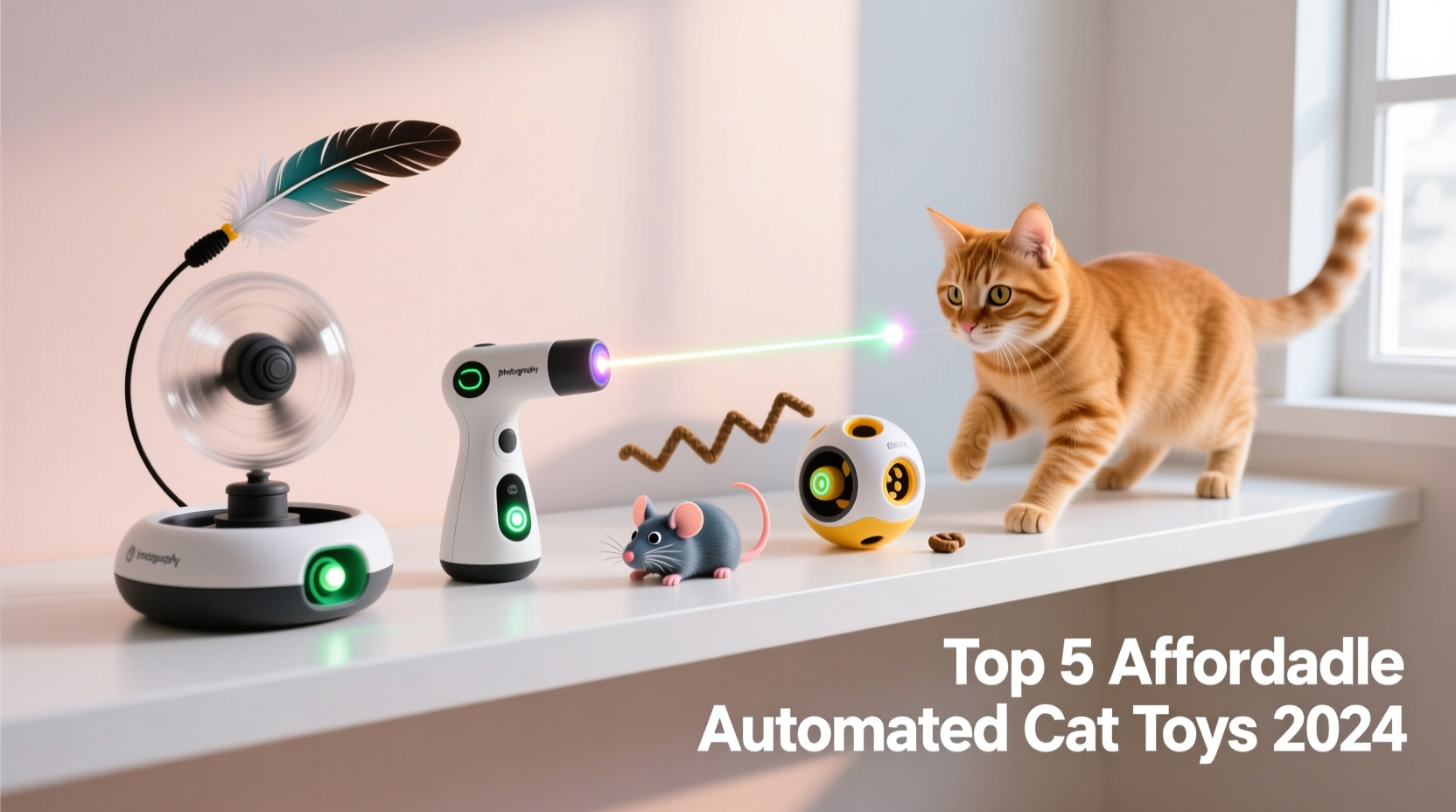
Indoor cats live longer, safer lives, but they often miss out on the natural hunting behaviors that keep them physically and mentally sharp. Unlike dogs, cats don’t rely on social interaction alone—they need environmental enrichment that mimics stalking, pouncing, and capturing prey.
Automated toys simulate unpredictable motion, triggering a cat’s instinctual response. These movements encourage exercise, reduce stress, and help prevent obesity—a growing concern among housecats. According to Dr. Sarah Ellis, co-author of *The Trainable Cat*, “Environmental predictability is one of the biggest stressors for domestic cats. Introducing variable stimuli like moving toys helps restore cognitive balance.”
“Even 10 minutes of daily play with an automated toy can significantly improve a cat’s mental health and physical fitness.” — Dr. Lena Torres, Feline Behavior Specialist
Top 5 Affordable & Engaging Automated Cat Toys
After testing multiple models and reviewing owner feedback across pet forums, veterinary resources, and consumer reports, these five automated toys stand out for performance, reliability, and price (all under $40).
| Toys | Key Features | Price Range | Best For |
|---|---|---|---|
| PetSafe FroliCat Dash | Laser + rolling ball combo; 3 modes; automatic shutoff | $29–$35 | Cats who love chasing light and objects |
| SmartyKat Hot Pursuit | Rotating wand inside tunnel; replaceable feather attachments | $22–$28 | Shy or playful kittens and adults alike |
| PlayDay Motion-Activated Ball | Rolls when nearby motion detected; erratic pattern | $15–$20 | Cats who ambush moving objects |
| GoCat Da Bird Wand with Motor Base | Fly-like feather teaser on motorized pole; realistic flapping | $30–$38 | Bird-chasing enthusiasts |
| VonHaus Rolling Track Toy | Ball-in-tube design with random speed changes; quiet motor | $25–$32 | Multi-cat households or noise-sensitive homes |
How to Choose the Right Toy for Your Cat’s Personality
Not all cats respond to the same stimuli. A successful toy matches your cat’s natural preferences. Observe how your cat plays before investing:
- The Stalker: Prefers slow, deliberate movements. Wand toys or low-speed rotating tunnels work best.
- The Ambusher: Lies in wait and pounces. Motion-activated balls or erratic rollers trigger this instinct.
- The Hunter: Chases anything that moves fast. Laser toys or flying feather teasers are ideal—but always end laser sessions with a physical reward (like a treat) so the cat doesn’t feel frustrated.
- The Explorer: Investigates new objects. Interactive toys with hidden compartments or sound effects may appeal.
Mini Case Study: Luna, the Apartment Cat
Luna, a 3-year-old tabby living in a small urban apartment, had developed a habit of waking her owner at 4 a.m. to demand attention. After vet checks ruled out medical issues, behavioral advice pointed to understimulation. Her owner introduced the SmartyKat Hot Pursuit tunnel on a timer, set to activate at 6 a.m. and 6 p.m.
Within a week, Luna began spending 15–20 minutes each morning batting at the rotating feather inside the tunnel. Her nighttime activity decreased, and she became more relaxed during the day. The toy cost $24 and paid for itself in reduced stress—for both cat and human.
Step-by-Step Guide to Introducing Automated Toys
Even the best toy fails if introduced incorrectly. Follow this sequence to maximize acceptance:
- Unbox and place without activating. Let your cat sniff and investigate the toy while it's off.
- Demonstrate manually (if possible). Use a wand or string to show movement similar to what the toy will do.
- Activate on low setting or short cycle. Avoid overwhelming your cat with loud noises or rapid motion.
- Supervise the first few sessions. Reward interaction with praise or treats to build positive association.
- Set schedule or timers after acceptance. Most effective when used consistently, especially when you’re away.
Common Mistakes to Avoid
- Leaving toys on 24/7: Overexposure leads to habituation. Use timers or manual activation.
- Ignoring safety: Ensure wires are enclosed, materials non-toxic, and moving parts inaccessible.
- Skipping rotation: Cats lose interest fast. Keep a toy closet and swap monthly.
- Using only lasers: Never let laser play be the sole activity. Always follow up with a tangible “catch” like a plush mouse.
FAQ
Are automated toys safe for unsupervised use?
Most modern models include auto-shutoff features (after 10–15 minutes) and low-voltage motors. However, always supervise initial uses. Avoid toys with exposed cords or small detachable parts if your cat chews.
How long do batteries last in automated toys?
It varies by model and usage. On average, AA-powered toys last 20–40 hours of active play. Rechargeable models like the FroliCat Dash offer better long-term value and reduce waste.
Can multiple cats share the same automated toy?
Yes, especially track-style or wide-area toys like the VonHaus Rolling Track. However, observe interactions—if one cat dominates, consider adding a second unit or using toys in separate rooms.
Checklist: Buying Smart When Choosing Automated Cat Toys
- ✅ Set a budget (ideally under $40)
- ✅ Match the toy to your cat’s play style
- ✅ Check for automatic shutoff or timer functions
- ✅ Confirm ease of cleaning (removable parts, wipeable surfaces)
- ✅ Read verified owner reviews focusing on durability
- ✅ Look for replaceable components (feathers, balls, etc.)
- ✅ Test noise level—some cats are startled by loud motors
Final Thoughts: Small Investment, Big Impact
Automated cat toys aren’t just gadgets—they’re tools for improving feline well-being. The right toy can transform idle hours into active, enriching experiences. The best part? You don’t need to spend a fortune. With prices starting as low as $15 and proven designs under $35, high-quality entertainment is accessible to every cat owner.
Start with one highly rated option, introduce it thoughtfully, and watch how your cat responds. Over time, you’ll learn their preferences and can build a rotation that keeps them engaged for months. A mentally stimulated cat is a happier, healthier companion—and a little automation goes a long way.
🚀 Ready to upgrade your cat’s playtime? Pick one toy from this list, try it for two weeks, and observe the difference in energy, mood, and behavior. Share your experience in the comments—your insights could help another cat parent make the perfect choice.








