
In an era where comfort objects blend whimsy with emotional resonance, the Adorable Grey Cat Tayto Mochi Potato Plush Toy stands out as a cultural touchstone for plush collectors, anime-inspired design lovers, and those seeking tactile joy in everyday life. More than just a soft toy, Tayto embodies a growing trend of kawaii (cute) aesthetic fusion—merging feline charm, mochi-like texture, and potato-shaped novelty into one irresistible package. While not edible or culinary in function, its name and form invite curiosity, often leading to questions about origin, design intent, and proper care. This article provides a comprehensive exploration of the Tayto plush: its conceptual roots, physical attributes, appeal across demographics, and practical considerations for ownership and display.
Definition & Overview
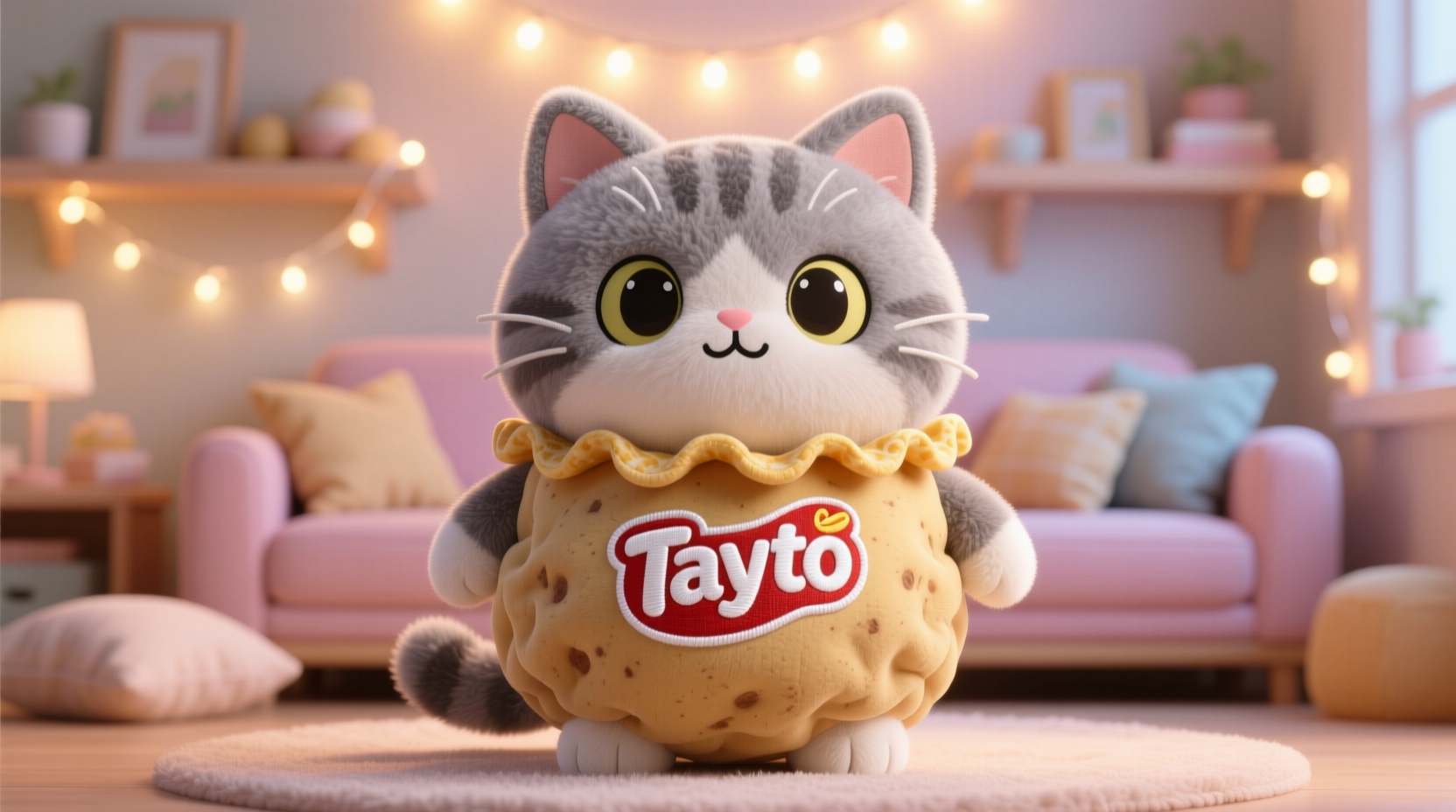
The Grey Cat Tayto Mochi Potato Plush Toy is a fictional-character-based stuffed animal designed to resemble a small grey cat curled inside or emerging from a soft, rounded potato-shaped body that mimics the texture and sheen of mochi—a traditional Japanese rice cake known for its chewy, smooth consistency. Despite its name suggesting food origins, Tayto is entirely non-edible and exists purely as a decorative and comfort item. The plush is typically marketed under independent artist brands or boutique toy labels, often originating from East Asian pop culture circles, particularly those influenced by internet memes, dōjin (fan-made) culture, and anthropomorphic animal trends.
Tayto is not a mass-produced commercial brand like Sanrio or Pokémon but rather part of a niche wave of character-driven plushies that gain popularity through social media platforms such as Instagram, TikTok, and Etsy. Its full name—“Tayto”—is believed to be a playful phonetic blend of “tater” (slang for potato) and “mochi,” emphasizing the hybrid food-animal fantasy. The grey cat element adds emotional relatability; cats are frequently personified in digital culture for their aloof-yet-affectionate demeanor, making them ideal avatars for soft toys aimed at adults managing stress or loneliness.
This plush falls within the broader category of kawaii collectibles, which prioritize cuteness, tactile satisfaction, and narrative imagination over utility. Unlike traditional plush toys intended solely for children, Tayto appeals strongly to adult audiences who appreciate design subtlety, limited-edition releases, and emotional symbolism embedded in seemingly simple forms.
Key Characteristics
| Attribute | Description |
|---|---|
| Appearance | A small grey kitten partially nestled within a pale beige, oval-shaped \"potato\" body resembling a mochi dumpling. Often features oversized eyes, tiny paws, and subtle blush markings. |
| Texture | Ultra-soft outer fabric, usually made from high-pile plush or velveteen polyester, designed to simulate the sticky-smooth feel of real mochi. Inner filling is hypoallergenic PP cotton, providing gentle firmness without stiffness. |
| Size | Typically ranges from 6 to 9 inches (15–23 cm), making it palm-sized and portable. Larger variants may reach 12 inches for display purposes. |
| Color Palette | Dominant tones include warm ivory (for the \"mochi\"), soft charcoal grey (cat fur), and pinkish blush accents. Some editions feature pastel variations or glow-in-the-dark elements. |
| Scent (if any) | Rarely scented, though some custom versions include lavender microbeads for aromatherapy benefits. |
| Craftsmanship | Hand-stitched details in premium models; machine-sewn in mass-distributed copies. Embroidered facial features prevent choking hazards and enhance durability. |
| Emotional Function | Serves as a comfort object, anxiety reducer, desk companion, or sleep aid due to soothing texture and endearing expression. |
Practical Usage & How to Use It
Though not a cooking ingredient or kitchen tool, the Tayto plush has distinct practical applications in daily life, especially within modern wellness and lifestyle contexts. Its uses extend beyond decoration into psychological and sensory domains:
- Stress Relief Companion: The act of gently squeezing or stroking the plush activates parasympathetic nervous responses, helping reduce cortisol levels. Ideal for placing on office desks, study areas, or beside beds during high-pressure periods.
- Sensory Integration Aid: For individuals with ADHD, autism spectrum disorder, or sensory processing differences, Tayto’s consistent texture and compact shape offer grounding feedback without overstimulation.
- Travel Comfort Object: Lightweight and non-restrictive, it fits easily into carry-on bags or backpacks. Useful for long flights, train rides, or hospital visits where emotional stability is needed.
- Gift Symbolism: Often given as a token of affection, empathy, or encouragement. A Tayto plush might accompany messages like “You’re sweet even when stressed” or “Stay soft-hearted.”
- Photography Prop: Popular among lifestyle photographers and influencers for creating serene, dreamlike compositions involving tea sets, books, or seasonal backdrops (e.g., cherry blossoms, snow scenes).
Pro Tip: Place your Tayto plush near a window with indirect sunlight for ambient warmth throughout the day. Avoid direct UV exposure to prevent color fading. Rotate its position weekly to maintain even fluff distribution.
To maximize longevity and hygiene, consider integrating the plush into routines:
- Daily Check: Inspect seams and embroidery every morning to catch loose threads early.
- Weekly Refresh: Sprinkle baking soda lightly over the surface, let sit for 15 minutes, then vacuum with a brush attachment to absorb oils and odors.
- Monthly Deep Clean: If washable (check label), hand-wash in cold water with mild detergent. Never wring; instead, press between towels and air-dry flat away from heat sources.
- Nighttime Ritual: Use Tayto as a mindfulness anchor—hold it while journaling or meditating to reinforce emotional safety cues.
Variants & Types
While the original **Grey Cat Tayto Mochi Potato Plush** remains the most iconic version, several creative iterations have emerged based on fan demand and seasonal themes. Each variant maintains the core concept—a cat-mochi-potato hybrid—but introduces new visual or functional elements:
- Mini Tayto (3–5 inch): Keychain-sized version, often attached to bags or zippers. Less huggable but highly portable.
- Glow Tayto: Contains phosphorescent fibers that emit a faint glow after light exposure. Ideal for nightlights or bedtime companions.
- Chonk Tayto: An exaggeratedly plump version with extra stuffing, emphasizing the “mochi squish” aesthetic. Favored by fans of maximalist cuteness.
- Seasonal Editions: Includes “Pumpkin Spice Tayto” (orange-toned mochi, cinnamon scent), “Snow Mochi Tayto” (white fur, glitter-infused fabric), and “Strawberry Matcha Tayto” (pink blush, green base).
- Custom Artist Series: Handmade by independent creators using organic cotton, recycled fill, or plant-based dyes. May include unique accessories like tiny scarves or magnetic paws.
- Limited Collaborations: Partnered releases with cafes, bakeries, or anime studios—sometimes including QR codes linking to exclusive digital art or soundscapes.
When selecting a variant, consider primary use:
| Use Case | Recommended Variant | Rationale |
|---|---|---|
| Emotional support | Original Grey Cat or Chonk Tayto | Maximizes tactile comfort and visual calmness |
| Collecting/display | Artist Series or Seasonal Editions | Higher craftsmanship, rarity value |
| Kids’ gift | Mini Tayto (with secure stitching) | Safe size, easy to clean, less likely to be lost |
| Therapeutic setting | Glow Tayto or Lavender-infused | Supports sleep regulation and sensory modulation |
Comparison with Similar Plush Toys
The Tayto plush shares design DNA with other kawaii-style collectibles but distinguishes itself through specific thematic blending. Below is a comparison with commonly confused items:
| Toy | Similarity to Tayto | Key Difference |
|---|---|---|
| Mochiman | Also based on mochi texture and round shape | Anthropomorphic mochi with limbs and face; no animal integration |
| Bake-neko (Baked Cat) | Fuses cat imagery with food presentation | Depicts cat fully baked like a pastry; lacks mochi softness theme |
| Dango-chan | Food-inspired plush with Japanese roots | Skewered rice dumplings with faces; linear structure vs. Tayto’s oval form |
| Charminar Bear (Mr. Squish) | Known for extreme softness and squishability | Generic bear form; no narrative or food-animal fusion |
| Kuromi or My Melody (Sanrio) | Popular kawaii characters with plush versions | Established IP with merchandising; less focused on tactile innovation |
What sets Tayto apart is its conceptual layering: it is neither purely a cat nor purely a food item, but a surreal synthesis meant to evoke warmth, humor, and gentle absurdity. This ambiguity invites personal interpretation—some see it as a metaphor for self-care (“even potatoes can be soft”), others as a commentary on hybrid identities in digital culture.
Practical Tips & FAQs
Q1: Is the Adorable Grey Cat Tayto Mochi Potato Plush safe for children?
A1: Most commercially available versions are child-safe, using non-toxic materials and embroidered (not plastic) eyes. However, due to small parts and delicate stitching, supervision is recommended for children under 3. Always verify age recommendations on packaging.
Q2: Can I wash my Tayto plush?
A2: Yes, if labeled machine- or hand-washable. Use cold water, mild detergent, and air-dry only. Do not tumble dry. For non-washable models, spot-clean with a damp cloth and mild soap. Avoid soaking the entire piece.
Q3: Why is it called “Tayto” instead of “Tater” or “Potato”?
A3: “Tayto” is a stylized spelling that merges “tater” with “mochi,” echoing phonetically similar words in Japanese where “-tai” or “-to” endings are common in food names (e.g., okonomiyaki, taiyaki). It also references “Tayto,” an Irish snack brand, adding ironic humor—linking junk food with artisanal softness.
Q4: How do I authenticate a genuine Tayto plush?
A4: There is no single official manufacturer, so authenticity depends on seller reputation. Look for consistent seam work, quality stitching, and official tags from known artists or boutiques. Beware of extremely low prices or blurry printed logos—these often indicate counterfeits.
Q5: Does Tayto have a backstory or lore?
A5: Informal lore developed online describes Tayto as a mystical creature born from the first snowfall on a rice field, taking the form of a sleepy cat wrapped in steamed dough. Found only in quiet kitchens at dawn, it grants calm to those who treat it kindly. While not officially canonized, this narrative enhances emotional connection among owners.
Q6: Where should I display my Tayto plush?
A6: Ideal spots include bookshelves, bedside tables, car dashboards (secured), or meditation corners. Avoid humid areas like bathrooms or direct sunlight. For maximum visibility, pair with complementary decor—wooden trays, ceramic mugs, or linen textiles.
Q7: Are there eco-friendly versions?
A7: Yes. Several independent makers produce sustainable Tayto-style plushes using GOTS-certified organic cotton, recycled PET filling, and natural dyes. These are often sold at eco-conscious markets or via zero-waste lifestyle shops.
Storage Tip: When not in use, store Tayto in a breathable cotton bag with a cedar chip to deter moths. Do not seal in plastic, as this traps moisture and degrades fabric over time.
Summary & Key Takeaways
The Adorable Grey Cat Tayto Mochi Potato Plush Toy transcends its status as a mere stuffed animal. It represents a convergence of cultural aesthetics—Japanese kawaii philosophy, internet meme sensibilities, and tactile wellness practices—into a singular, emotionally intelligent object. Designed with attention to texture, proportion, and symbolic meaning, Tayto serves both aesthetic and therapeutic roles in contemporary life.
Its key strengths lie in:
- Soft, mochi-inspired texture that calms through touch
- Universal appeal across age groups and cultures
- Versatility in use—from gifting to therapy to photography
- Rich potential for customization and artistic reinterpretation
- Low maintenance with proper care
Whether acquired for personal comfort, collected as part of a curated plush ensemble, or gifted to someone navigating emotional challenges, Tayto embodies a modern truth: sometimes, healing comes not in pills or programs, but in the quiet embrace of something small, soft, and unexpectedly wise.
Final Thought: In a world that often demands hardness and speed, keep a Tayto close. Let it remind you that tenderness is not weakness—it’s resilience shaped like a potato.









