Bringing a pet into your home is one of life’s most rewarding decisions. Whether it's a loyal dog, a curious cat, or another companion animal, the bond formed can last years. But before that first wagging tail or purr-filled evening, there’s a critical choice to make: should you adopt from a shelter or rescue organization, or buy from a breeder? This decision carries both ethical weight and practical consequences. Understanding the full scope—what each path means for animals, families, and society—is essential to making a responsible choice.
The debate between adoption and purchasing from breeders isn't about right or wrong in every case—it's about awareness. It’s about recognizing where pets come from, how they’re bred, and what alternatives exist. For many, the emotional pull toward a specific breed or appearance leads them straight to breeders. Others are moved by compassion for animals in shelters and choose adoption. Both routes have merits and drawbacks. The goal here is not to shame either option but to illuminate them so readers can decide with clarity and conscience.
Why the Choice Matters: The Bigger Picture
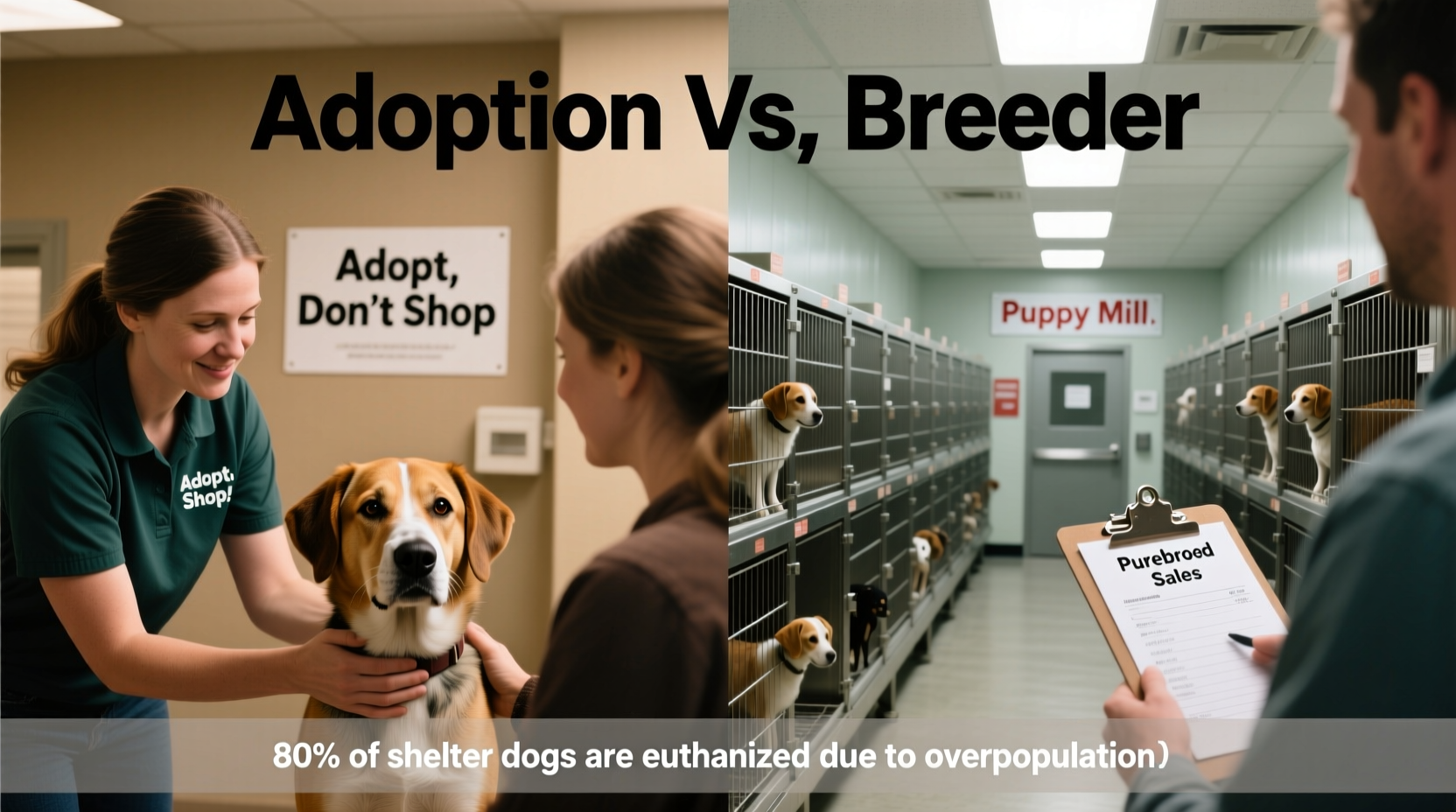
Every year, approximately 6.3 million companion animals enter U.S. animal shelters. Of those, around 920,000 are euthanized due to overcrowding and lack of resources, according to the ASPCA. These numbers aren’t abstract—they represent real lives shaped by human decisions. When people buy pets from breeders without considering adoption, demand increases, which can inadvertently support overbreeding and puppy mills disguised as reputable operations.
Breeding isn’t inherently unethical. Responsible breeders dedicate years to health testing, genetic screening, temperament evaluation, and proper socialization. They prioritize the long-term well-being of their animals and often require contracts ensuring the pet goes to a suitable home. However, the rise of online marketplaces has made it easier than ever to find breeders—many of whom operate without oversight. Backyard breeders and puppy mills mass-produce animals in poor conditions, focusing on profit over welfare.
In contrast, adopting gives a second chance to animals already in need. Many shelter pets are there through no fault of their own—due to owner surrender, relocation, or financial hardship. Some are purebred; others are mixed breeds with unique traits and resilient genetics. Adoption reduces strain on shelters and disrupts the cycle of overpopulation.
“Every animal adopted from a shelter is one less space taken, one more opportunity for another life saved.” — Dr. Karen Benitez, Veterinarian and Animal Welfare Advocate
Practical Differences: Cost, Health, and Behavior
While ethics play a central role, practical considerations also influence this decision. Families must assess budget, lifestyle, and expectations when choosing a pet. Below is a comparison of key factors across adoption and breeder-purchased pets.
| Factor | Adoption | Buying from a Breeder |
|---|---|---|
| Average Cost | $50–$300 (includes vaccinations, spay/neuter) | $500–$3,000+ (can exceed $5,000 for rare breeds) |
| Health History | Limited background; vet checks usually performed upon intake | Detailed lineage, genetic testing, and health clearances available |
| Age Range | Puppies/kittens to seniors; wide variety | Typically young (8–12 weeks) |
| Temperament | Varies; behavioral assessments may be conducted | Breeder-selected for trainability and disposition |
| Support & Follow-Up | Varies by shelter; some offer training resources | Ongoing breeder guidance, return policies common |
One major advantage of buying from a reputable breeder is predictability. If you want a hypoallergenic coat, a calm temperament, or a dog suited for therapy work, breeders can match those needs using generational data. With adoption, while many shelters conduct behavior evaluations, unknown histories mean surprises—both good and challenging—are possible.
However, cost is a significant factor. Adoption fees are typically far lower and often include core veterinary services like spaying/neutering, vaccinations, microchipping, and deworming. Breeder purchases rarely include these, adding hundreds to initial expenses. Long-term, though, medical issues stemming from poor breeding practices—such as hip dysplasia in large dogs or respiratory problems in flat-faced cats—can lead to costly treatments down the line.
Tip: Always ask for proof of health screenings—even when adopting. Reputable shelters provide medical records, and ethical breeders share OFA (Orthopedic Foundation for Animals) or CERF (Canine Eye Registration Foundation) results.Understanding Ethical Breeding vs. Exploitation
Not all breeders are equal. The distinction lies in intent, transparency, and care standards. A responsible breeder treats breeding as a serious commitment to improving the breed—not as a business model.
Red flags of unethical breeding include:
- Selling puppies/kittens before 8 weeks old
- Multiple litters available year-round
- No interest in meeting you in person or visiting their facility
- Refusal to show health clearances or meet the parent animals
- Offering multiple breeds (e.g., “doodles” and bulldogs and chihuahuas”)
In contrast, ethical breeders:
- Limit litters and focus on one or two breeds
- Require applications and interviews
- Provide lifetime return policies if you can no longer care for the pet
- Invest in early socialization and developmental milestones
- Are active in breed clubs and adhere to kennel club standards
Even with best intentions, breeding contributes to pet overpopulation unless tightly regulated. Unless breeders are working to preserve rare breeds or support service animal programs, the argument for breeding over adoption becomes harder to justify ethically.
Mini Case Study: The Labrador Dilemma
Sarah wanted a friendly, energetic Labrador Retriever for her active family. She found a local breeder advertising champion bloodlines at $1,800 per puppy. Excited, she nearly committed—but decided to visit the city shelter first “just to look.” There, she met Max, a two-year-old black Lab mix who had been surrendered after his previous owner moved. Shelter staff noted he was house-trained, knew basic commands, and loved children.
Sarah adopted Max for $225, which included neutering, vaccinations, and a microchip. Within days, he bonded with her kids and adapted seamlessly. Six months later, she learned the breeder she almost used had been reported for selling sick puppies without refunds. By choosing adoption, Sarah not only saved money and avoided risk—but gave a deserving dog a forever home.
When Buying Might Be the Right Choice
Adoption should be the first consideration, but there are valid reasons someone might pursue a breeder.
For individuals needing a service or therapy animal with specific traits—such as a standard poodle for allergy sufferers or a German shepherd for mobility assistance—predictable genetics matter. Similarly, people involved in conformation shows, search-and-rescue, or breeding preservation programs may require documented lineage.
In these cases, sourcing from a certified, health-tested breeder is not only acceptable but necessary. The key is doing thorough research. Visit the breeder’s home or facility, meet the parents, review contracts, and verify affiliations with national organizations like the American Kennel Club (AKC) or Cat Fanciers’ Association (CFA).
“We don’t oppose ethical breeding—we oppose ignorance. Know why you’re choosing a breeder, and ensure they uphold the highest standards.” — National Council on Pet Population Study and Policy
Step-by-Step Guide: Choosing Responsibly
- Reflect on your needs: Do you need a specific trait, or are you open to a loving pet regardless of breed?
- Visit local shelters and rescues: Spend time with animals; talk to staff about behavior and history.
- Search breed-specific rescues: Many purebreds end up in specialized rescues (e.g., Greyhound Rescue, Great Dane Guardians).
- If considering a breeder, vet them thoroughly: Ask for references, health test documentation, and observe living conditions.
- Ask about post-sale support: Will they take the animal back if needed? Do they offer training advice?
- Wait and reflect: Avoid impulse decisions. Let emotions settle before committing.
Frequently Asked Questions
Isn’t shelter meat unhealthy or aggressive?
No. While some shelter animals have experienced trauma, most are surrendered due to human circumstances, not behavior. Shelters assess temperament, and many animals are already trained and vaccinated. Mixed breeds often benefit from hybrid vigor, leading to fewer inherited diseases.
Can I find purebred animals in shelters?
Yes. Approximately 25% of dogs in shelters are purebred, according to the ASPCA. You can also contact breed-specific rescues that specialize in rehoming purebreds like Siberian huskies, Siamese cats, or Cavalier King Charles spaniels.
What if I want a puppy or kitten?
Shelters often have young animals, especially during spring “kitten season.” Foster programs also help raise orphaned litters. If you're set on a breeder, ensure they allow you to see the litter with the mother and provide health guarantees.
Checklist: Questions to Ask Before Getting a Pet
- Am I financially ready for food, vet visits, insurance, and emergencies?
- Do I have time for daily exercise, training, and companionship?
- Is my home pet-friendly (space, safety, landlord approval)?
- Have I considered lifespan? Dogs live 10–15 years; cats often 15–20.
- Will someone care for the pet if I travel or fall ill?
- Have I researched breed-specific needs (grooming, energy level, health risks)?
- Am I choosing based on emotion, trend, or genuine compatibility?
Conclusion: Make a Choice That Lasts
The decision between adoption and buying from a breeder shapes more than just your household—it reflects broader values about responsibility, compassion, and sustainability. Adoption offers redemption, reduces suffering, and often brings unexpected joy in unpredictable packages. Buying from a breeder can be ethical and necessary, provided it’s done with diligence and purpose.
Whichever path you take, let intention guide you. Meet the animal. Learn their story. Consider the impact. Pets aren’t accessories; they’re family members with feelings, needs, and lifespans. By choosing wisely, you honor that bond before it even begins.
🚀 Ready to make a difference? Visit your local shelter this week—even if just to volunteer or foster. Share this article to help others think deeper before they bring home a pet.








