Dealing with a sudden breakout can be frustrating—especially when you need fast, visible results. In the world of targeted acne solutions, two options dominate: hydrocolloid acne patches and traditional spot treatments. Both promise to reduce redness, speed healing, and prevent picking, but they work in fundamentally different ways. Choosing the right one depends on your skin type, breakout severity, and lifestyle. This guide breaks down how each method works, compares their effectiveness and safety, and helps you decide which delivers faster, more reliable results without compromising skin health.
How Acne Patches Work: The Science Behind the Patch
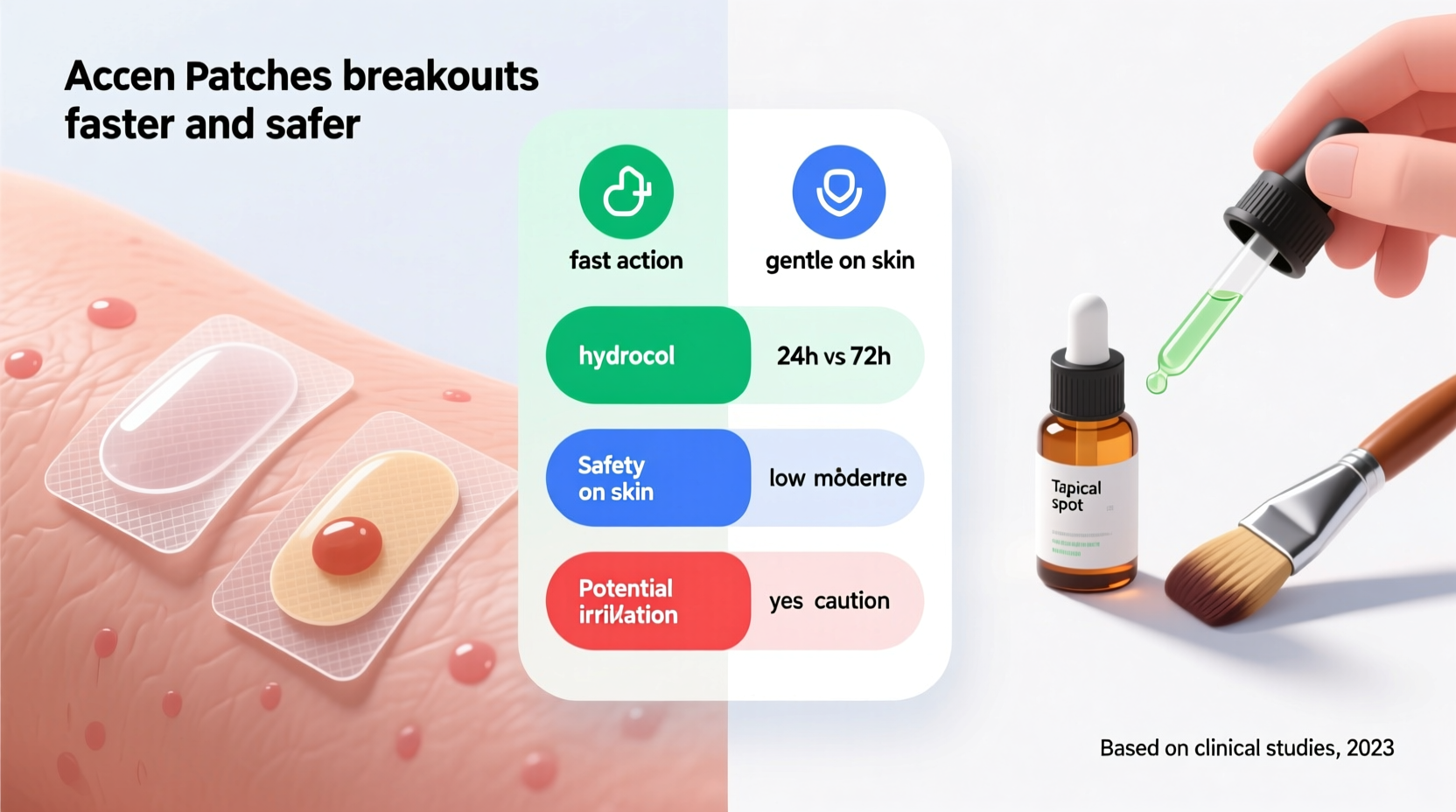
Acne patches are small, translucent stickers typically made from hydrocolloid material—a substance originally used in wound care to absorb fluid and promote healing. When applied to a pimple, especially a whitehead or inflamed bump, the patch creates a protective barrier while drawing out excess sebum, pus, and dead skin cells.
The occlusive environment under the patch keeps the area hydrated, prevents bacteria from entering, and reduces the urge to pick at the blemish. Over time, this accelerates the healing process by minimizing inflammation and scarring risk. Some advanced patches now include active ingredients like salicylic acid, tea tree oil, or niacinamide infused into the hydrocolloid matrix for added treatment benefits.
Tip: Apply acne patches on clean, dry skin immediately after cleansing—preferably at night—to maximize adhesion and absorption.These patches are most effective on surface-level pimples that have come to a head. They’re less useful for deep cystic acne, where the infection lies beneath the skin’s surface. However, because they physically shield the lesion, they significantly lower the risk of post-inflammatory hyperpigmentation caused by touching or squeezing.
Spot Treatments: Active Ingredients That Target Breakouts
Unlike patches, spot treatments are liquid, gel, or cream formulations applied directly to individual blemishes. They contain active ingredients designed to attack acne at its source. Common actives include:
- Salicylic acid – exfoliates inside pores and reduces oil buildup.
- Benzoyl peroxide – kills acne-causing bacteria (Cutibacterium acnes) and reduces inflammation.
- Tea tree oil – natural antimicrobial with gentler action than benzoyl peroxide.
- Niacinamide – calms redness and strengthens the skin barrier.
- Sulfur – dries out pimples and absorbs excess oil.
Spot treatments penetrate deeper into the skin compared to patches, making them better suited for early-stage breakouts before a whitehead forms. Applied consistently, they can prevent minor clogs from turning into full-blown pimples. However, many of these ingredients are drying or irritating, especially for sensitive skin types. Overuse may lead to flaking, redness, or compromised moisture barriers.
“Topical actives like salicylic acid and benzoyl peroxide remain gold standards in dermatology for treating inflammatory acne lesions.” — Dr. Lena Park, Board-Certified Dermatologist
Head-to-Head Comparison: Speed, Safety, and Suitability
To understand which option clears breakouts faster and safer, it’s essential to compare them across key criteria. The table below outlines their performance based on clinical understanding and user experience.
| Feature | Acne Patches | Spot Treatments |
|---|---|---|
| Speed of Visible Results | Fast (within 6–12 hours for surface reduction) | Moderate (1–3 days for noticeable improvement) |
| Best For | Whiteheads, inflamed papules, picked spots | Early clogs, deep pimples, pre-pimples |
| Safety on Sensitive Skin | High (non-irritating, physical barrier) | Variable (can cause dryness or irritation) |
| Overnight Use | Ideal (wears well during sleep) | Possible, but some formulas may sting |
| Daytime Wear | Clear patches are discreet; others may show | Invisible once absorbed |
| Prevents Picking | Yes (physical barrier) | No |
| Long-Term Healing Support | Moderate (protects and absorbs) | High (targets root causes) |
While acne patches offer rapid flattening and protection, spot treatments provide more comprehensive biochemical intervention. If your goal is immediate cosmetic improvement—such as reducing a visible zit before an event—patches often deliver faster visual results. But if you're targeting recurring or deeply rooted acne, consistent use of spot treatments with proven actives tends to yield longer-lasting outcomes.
Real-World Example: A Week of Breakout Management
Sophie, a 27-year-old graphic designer with combination skin, noticed a painful bump forming on her chin two days before a client presentation. She had experienced similar breakouts before and wanted to avoid both the swelling and the temptation to pick.
On Day 1, she applied a salicylic acid spot treatment twice daily. By evening, the pimple was slightly redder but hadn’t improved visibly. Worried about worsening inflammation, she switched tactics.
On Day 2, after cleansing, she applied a hydrocolloid patch overnight. The next morning, the pimple was noticeably flatter, less red, and no longer painful. She repeated the patch for a second night, and by Day 4, only faint pinkness remained—no scab or dark mark.
Reflecting later, Sophie noted that while the spot treatment might have worked eventually, the patch gave her the confidence to face the camera during her presentation. “It wasn’t just about healing,” she said. “It was about feeling in control.”
This case illustrates a common pattern: spot treatments excel in prevention and long-term correction, while patches shine in acute situations requiring quick cosmetic resolution and behavioral protection.
When to Use Each: A Practical Step-by-Step Guide
Maximizing results means using the right tool at the right time. Follow this timeline-based approach to manage breakouts effectively:
- Stage 1: Early Clog (Skin feels rough, slight bump)
Use a spot treatment with 0.5%–2% salicylic acid or 2%–5% benzoyl peroxide. Apply a tiny amount once or twice daily. Avoid over-drying surrounding skin. - Stage 2: Inflammation Begins (Red, tender bump)
Continue spot treatment, but consider layering with niacinamide serum first to soothe irritation. If the area becomes too sensitive, pause actives and switch to calming ingredients. - Stage 3: Whitehead Forms (Pus visible)
Stop aggressive spot treatments. Cleanse gently, then apply a hydrocolloid acne patch—ideally overnight. Replace every 6–12 hours until the bump flattens. - Stage 4: Healing Phase (Pimple resolves)
Once the lesion closes, use a patch infused with centella asiatica or hyaluronic acid to support tissue repair and minimize pigmentation. - Prevention (Between Breakouts)
Incorporate weekly exfoliation and consistent use of non-comedogenic moisturizers. Reserve spot treatments for flare-ups, not daily use unless prescribed.
Common Mistakes That Delay Healing
Even with the right products, improper use can prolong breakouts or damage skin. Watch out for these pitfalls:
- Overapplying spot treatments – A pea-sized amount is enough. Layering won’t speed results and increases irritation risk.
- Using patches on non-pustular acne – Patches don’t help blind cysts and may trap heat, worsening inflammation.
- Leaving patches on too long – Most should be changed every 6–12 hours. Extended wear can create a breeding ground for bacteria if saturated.
- Skipping patch testing – Especially with medicated patches containing acids or essential oils, always test on a small area first.
- Relying solely on topical fixes – Hormonal, dietary, or stress-related acne often requires internal management alongside skincare.
Frequently Asked Questions
Can I use a spot treatment under an acne patch?
Only if the treatment is fully absorbed and non-irritating. Applying liquid actives directly under a patch can intensify their effect and cause chemical burns or excessive dryness. It’s safer to let the treatment dry completely or choose medicated patches that already contain active ingredients.
Are acne patches safe for all skin tones?
Yes, hydrocolloid patches are generally safe for all skin tones and types. Because they don’t involve harsh chemicals, they pose minimal risk of post-inflammatory hyperpigmentation—especially important for medium to deep skin tones prone to dark marks.
Do spot treatments work on hormonal acne?
They can help manage surface symptoms but rarely resolve underlying hormonal imbalances. For persistent jawline or cyclical acne, consult a dermatologist about oral treatments like spironolactone or birth control, in addition to topical care.
Which Is Safer for Long-Term Use?
Safety depends on context. Acne patches are inherently low-risk due to their passive mechanism—they don’t chemically alter the skin. Even frequent use is unlikely to cause adverse effects beyond mild adhesive residue or rare contact dermatitis.
Spot treatments, however, require more caution. Benzoyl peroxide can degrade over time and increase sun sensitivity. Salicylic acid may thin the stratum corneum with prolonged use, especially when combined with other exfoliants. Tea tree oil, though natural, is a known allergen for some users.
For ongoing maintenance, rotating milder spot treatments (e.g., 1% salicylic acid or niacinamide) and reserving stronger formulas for flare-ups offers a balanced approach. Meanwhile, patches can be used liberally during active breakouts without cumulative side effects.
Final Verdict: Fastest and Safest Path to Clear Skin
So, which clears breakouts faster and safer? The answer isn’t absolute—it depends on the stage and nature of your breakout.
For speed, acne patches win when dealing with surfaced pimples. Their ability to flatten blemishes overnight, protect against contamination, and curb picking makes them unmatched for urgent cosmetic concerns. They also rank higher in safety, particularly for sensitive or reactive skin.
For long-term clarity and prevention, spot treatments are superior. Their active ingredients address the biological causes of acne, making them essential for anyone dealing with recurring breakouts.
The smartest strategy? Use both—strategically. Begin with spot treatments at the first sign of congestion, then transition to patches once a pimple surfaces. This dual-phase method leverages the strengths of each solution while minimizing risks.
“You don’t have to choose between patches and spot treatments. Think of them as teammates in your acne-fighting arsenal.” — Dr. Arjun Mehta, Clinical Skincare Researcher💬 Ready to optimize your breakout routine? Start tonight: keep patches by your bed and pair them with a gentle spot treatment. Share your results or tips in the comments—your experience could help someone else find clearer skin faster.









