
Becoming a certified dog groomer combines passion for animals with a viable career path. As pet owners increasingly prioritize professional care, demand for skilled groomers continues to grow. Certification not only validates your expertise but also opens doors to employment, self-employment, and specialization. This guide outlines the practical steps to earn your certification, avoid common pitfalls, and build a strong foundation in the grooming industry.
1. Understand What Certification Means in Dog Grooming
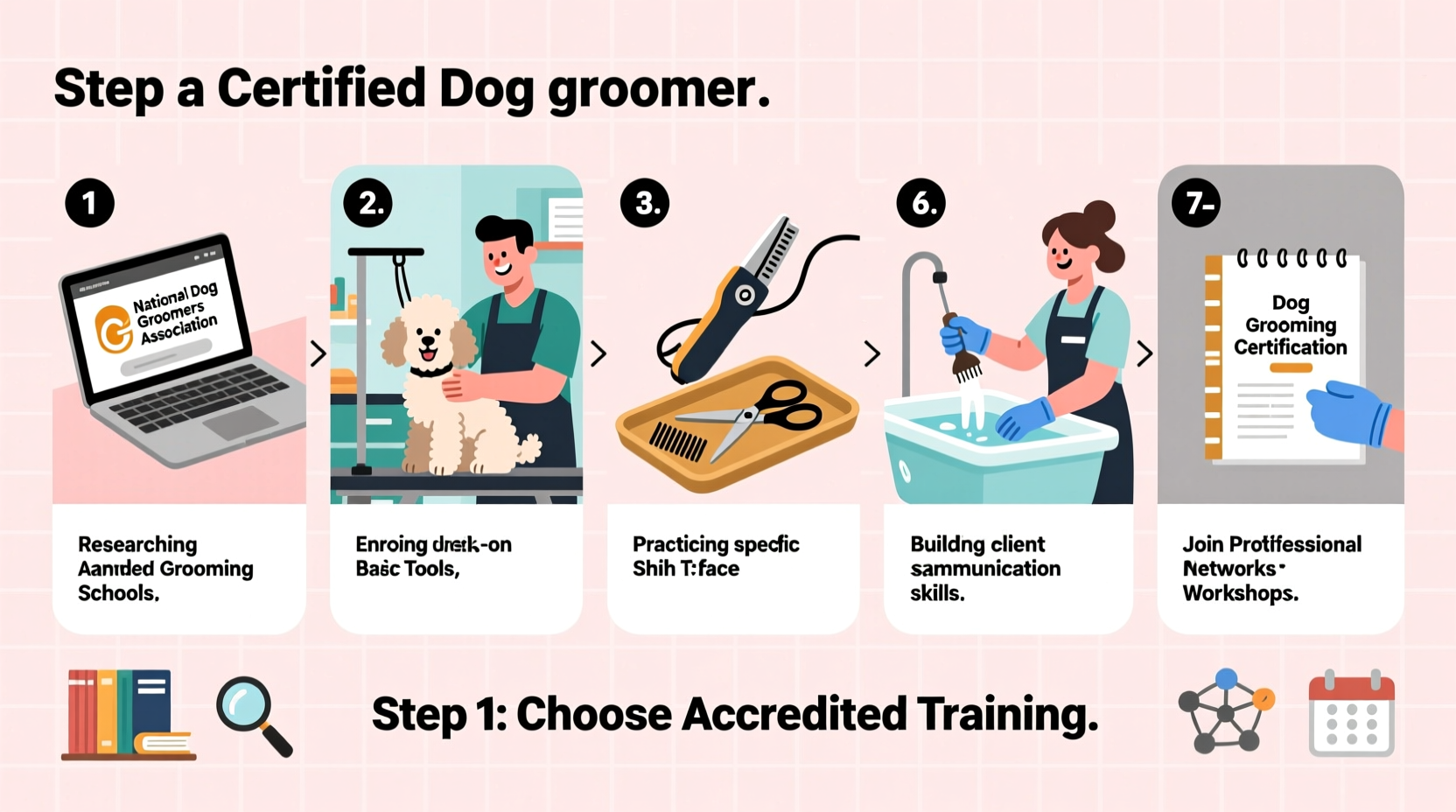
Unlike licensed professions such as veterinary medicine, dog grooming is largely unregulated in most regions. This makes certification voluntary—but highly valuable. A recognized credential signals professionalism, technical competence, and commitment to animal safety and hygiene.
Certification typically comes from independent grooming associations rather than government bodies. These organizations assess skills through written exams, hands-on evaluations, or both. While no single national standard exists, several reputable institutions offer respected credentials:
- National Dog Groomers Association of America (NDGAA): Offers the National Certified Master Groomer (NCMG) designation.
- IPG (International Professional Groomers, Inc.): Provides tiered certifications including Certified Master Groomer (CMG).
- Andis Company’s Accredited Dog Grooming School Program: Partners with schools to ensure curriculum standards.
“Certification isn’t just about passing a test—it’s proof you can handle real-world challenges safely and efficiently.” — Lisa White, NDGAA Examiner and Master GroomerTip: Choose a certifying body that requires both practical and theoretical assessment to ensure well-rounded validation.
2. Complete Foundational Training
Before pursuing certification, acquire comprehensive training. Most certifying organizations expect candidates to have formal education or equivalent experience.
Training options include:
- Enroll in an accredited grooming school: Programs range from 6 to 12 weeks full-time, covering breed standards, scissor techniques, bathing, clipping, anatomy, and safety.
- Apprenticeships: Some groomers learn on the job under mentorship. This route takes longer but offers real-time experience.
- Online courses with hands-on components: Useful for theory, but insufficient alone—practical skill must be developed with live dogs.
When selecting a school, verify its reputation, instructor qualifications, student-to-dog ratio, and job placement support. Look for programs aligned with IPG or NDGAA guidelines.
What You’ll Learn in a Quality Program
| Skill Area | Key Topics Covered |
|---|---|
| Breed Standards | Recognizing coat types, acceptable cuts for poodles, shih tzus, spaniels, etc. |
| Tool Mastery | Clipper blade use, scissor control, dematting tools, dryers |
| Safety & Handling | Restraint techniques, recognizing stress signs, first aid basics |
| Hygiene Protocols | Bathing procedures, sanitation, infection prevention |
| Business Skills | Pricing, client communication, salon operations |
3. Gain Hands-On Experience
Theoretical knowledge is essential, but mastery comes from repetition. After completing coursework, accumulate at least 300–500 hours of supervised or professional grooming before attempting certification.
Seek opportunities at salons, mobile grooming units, or rescue organizations. Volunteer work with shelters provides exposure to matted, anxious, or medically compromised dogs—valuable experience for real-world problem solving.
Mini Case Study: From Student to Certified Groomer
Jamie completed a 10-week program at a state-approved grooming school. She then apprenticed at a busy urban salon for four months, working early shifts to assist with baths and basic trims. By her sixth month, she was performing full grooms under supervision. After logging over 600 hours and receiving positive client feedback, Jamie applied for the NDGAA certification exam. Her blend of structured learning and consistent practice gave her the confidence—and skill—to pass on her first attempt.
“Experience tempers theory. The more dogs you groom, the better you read their behavior and adjust your technique.” — Carlos Mendez, Salon Owner and Mentor
4. Prepare for and Take the Certification Exam
Once trained and experienced, it’s time to prepare for the certification process. Requirements vary by organization, but most follow a similar structure.
Step-by-Step Certification Timeline
- Research the certifying body (e.g., NDGAA, IPG) and confirm eligibility requirements.
- Submit application and fee—typically $300–$600 depending on level and organization.
- Study grooming manuals and breed guides provided by the association.
- Practice full grooms on multiple breeds, focusing on symmetry, cleanliness, and handling.
- Attend the exam event, which usually spans two days: written test and hands-on evaluation.
- Receive results within 4–6 weeks; successful candidates earn certification and may use designated titles.
The hands-on portion often requires grooming a live dog to breed-specific standards within a set time (e.g., 2.5–3 hours). Judges evaluate clipping precision, scissoring detail, ear cleaning, nail trimming, and overall presentation.
Do’s and Don’ts When Preparing for Certification
| Do | Don’t |
|---|---|
| Practice full grooms weekly under timed conditions | Rely solely on one breed for practice |
| Review anatomy and safety protocols daily | Ignore equipment maintenance—dull blades affect results |
| Work with a mentor for feedback | Overlook client communication skills—part of professionalism |
| Bring backup tools and supplies to the exam | Attempt complex styles without mastering basics |
5. Maintain and Grow Your Credibility
Certification is not the end—it's the beginning of a professional journey. To remain competitive and trusted:
- Renew credentials as required. Some certifications need renewal every 3–5 years via continuing education or retesting.
- Join professional associations like NDGAA or IPG for networking, insurance, and updates on best practices.
- Specialize further—consider advanced training in hand-stripping, creative grooming, or medical grooming for dogs with skin conditions.
- Invest in quality tools. High-performance clippers, scissors, and dryers improve efficiency and reduce strain.
Dog Grooming Certification Checklist
- Research certification options and select a reputable organization.
- Complete a formal grooming course or equivalent apprenticeship.
- Log 300+ hours of hands-on grooming experience.
- Study breed standards, tool use, and safety procedures.
- Apply for the certification exam and pay required fees.
- Practice full grooms under timed conditions with varied breeds.
- Pass both written and practical exam components.
- Maintain certification through ongoing education and renewal.
Frequently Asked Questions
How long does it take to get certified in dog grooming?
From start to finish, expect 6 months to 2 years. Fast-track students can complete training in 2–3 months, then spend 3–6 months gaining experience before testing. The timeline depends on program length, availability of apprenticeships, and personal preparation.
Is certification worth it if I want to start my own grooming business?
Absolutely. Certification builds trust with clients, strengthens marketing materials, and may be required for insurance or leasing a commercial space. It demonstrates you meet industry benchmarks, not just personal standards.
Can I become certified without attending grooming school?
Yes, some organizations accept experience in lieu of formal education. However, you must document thousands of grooming hours and may still need to complete preparatory coursework. Most find structured training accelerates readiness and reduces knowledge gaps.
Conclusion: Start Building Your Career Today
Earning dog grooming certification is a disciplined but rewarding process. It transforms passion into profession, equipping you with the skills, credibility, and confidence to thrive. Whether you join a salon or launch your own mobile service, certification sets you apart in a growing field where quality matters.
🚀 Ready to begin? Research accredited schools near you, connect with local groomers, and map out your certification journey this week. Your future as a trusted dog grooming professional starts now.








