
CBD oil has gained widespread attention in the pet wellness space, especially for cats dealing with anxiety, arthritis, or chronic pain. While many pet owners report noticeable improvements, navigating dosage, quality, and safety can be overwhelming. Unlike humans, cats are highly sensitive to certain compounds, making it essential to approach CBD supplementation with care and precision. This guide provides a science-informed, step-by-step approach to using CBD oil for your cat—ensuring both safety and effectiveness.
Understanding CBD and How It Works in Cats
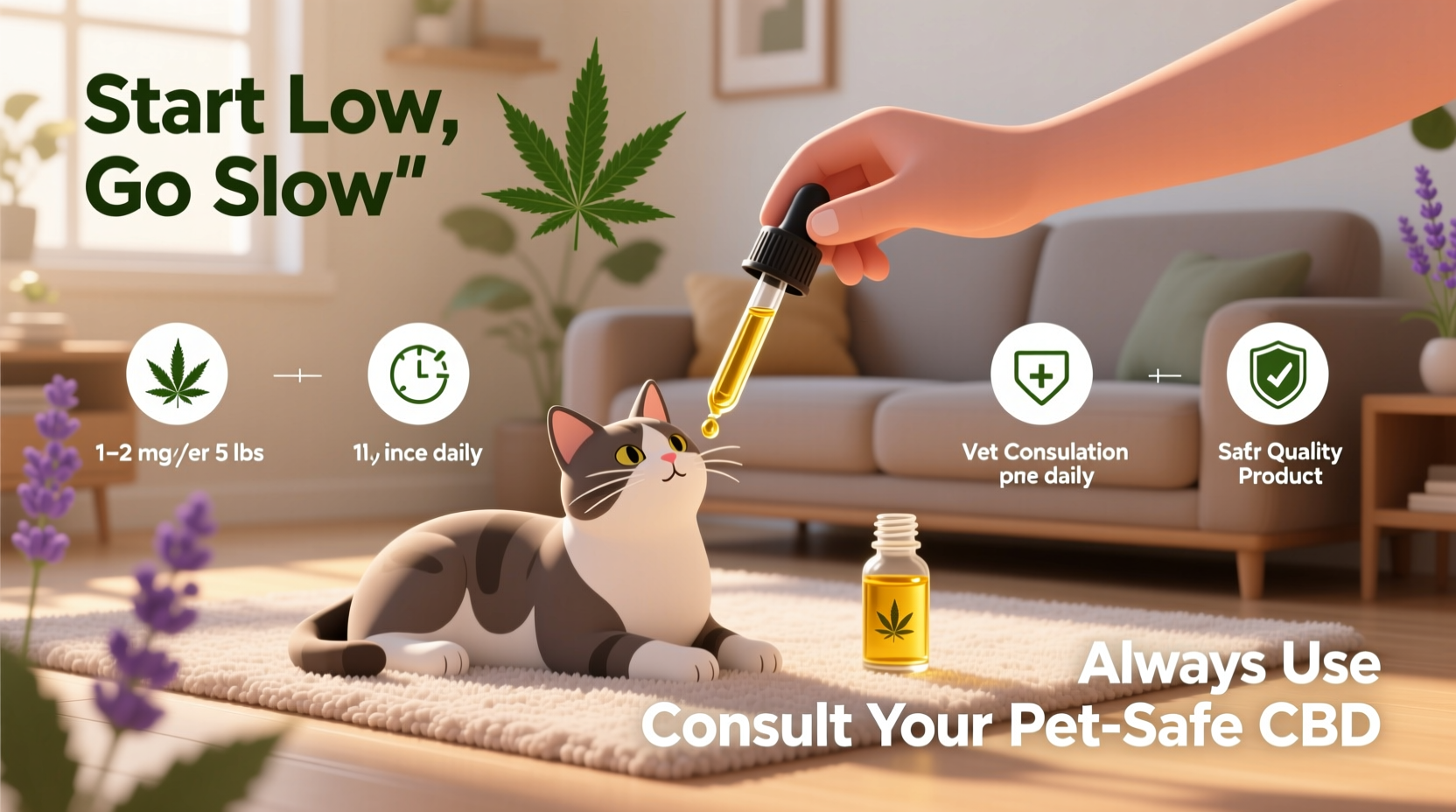
CBD, or cannabidiol, is a non-psychoactive compound derived from hemp plants. It interacts with the endocannabinoid system (ECS), which regulates mood, pain, inflammation, and immune response. Cats, like all mammals, have an ECS, making them responsive to CBD’s effects. However, their livers metabolize cannabinoids differently than humans, particularly due to lower levels of certain enzymes. This means that while CBD is generally safe, improper dosing or poor-quality products can lead to adverse reactions.
It’s important to distinguish CBD from THC. THC—the psychoactive component in marijuana—is toxic to cats. Any CBD product intended for feline use must contain less than 0.3% THC and preferably be labeled as broad-spectrum or isolate to eliminate even trace amounts.
“Cats are more sensitive to cannabinoids than dogs or humans. Starting low and going slow is not just advice—it’s a necessity.” — Dr. Rachel Simmons, DVM, Veterinary Neurologist
Determining the Right Dosage for Your Cat
Dosing CBD for cats isn’t one-size-fits-all. Factors such as weight, condition severity, and individual metabolism play crucial roles. Most studies and veterinary recommendations suggest starting with 0.1 to 0.5 mg of CBD per pound of body weight, once or twice daily.
For example:
- A 10-pound cat might start with 1–2 mg of CBD per dose.
- A 6-pound cat should begin with 0.5–1 mg.
Begin at the lowest end of the range and monitor your cat closely for 48 hours before increasing. Signs of positive response may include increased mobility, reduced vocalization due to pain, or decreased hiding behavior. Conversely, watch for lethargy, vomiting, or excessive drooling—indications to stop use immediately.
Tip: Use a calibrated dropper to measure doses accurately. Many commercial CBD oils come with inconsistent concentrations—always check the label.Choosing a Safe and Effective CBD Product
Not all CBD oils are created equal. The pet supplement market is largely unregulated, meaning some products may contain inaccurate CBD levels or harmful additives. To ensure safety, follow these criteria when selecting a product:
| Feature | What to Look For | Avoid |
|---|---|---|
| Hemp Source | Organically grown, U.S.-based hemp | Unknown origins or synthetic CBD |
| THC Content | 0% THC (isolate) or <0.3% (broad-spectrum) | Full-spectrum with detectable THC |
| Third-Party Testing | Batch-specific lab reports (COAs) available online | No verifiable lab results |
| Carrier Oil | MCT oil, salmon oil, or hemp seed oil | Propylene glycol, artificial flavors |
| Formulation | Specifically labeled for cats | Human-only formulas or multi-pet blends |
Reputable brands like Honest Paws, HolistaPet, and ElleVet provide transparent sourcing and testing. Always verify COAs (Certificates of Analysis) that confirm potency and absence of contaminants like heavy metals or pesticides.
Step-by-Step Guide to Administering CBD Oil
Introducing CBD to your cat requires patience and consistency. Follow this timeline for best results:
- Day 1–2: Choose a quiet time when your cat is calm. Administer 0.1 mg per pound using a dropper under the tongue or mixed into a small amount of wet food.
- Day 3–4: Observe for changes in behavior, appetite, or energy. No improvement? Consider increasing to 0.25 mg per pound.
- Day 5–7: Evaluate overall response. If symptoms persist without side effects, gradually increase up to 0.5 mg per pound, max twice daily.
- Week 2 onward: Maintain the effective dose. Reassess every two weeks and consult your vet if considering long-term use.
Administer CBD at consistent times each day, ideally with a meal to reduce gastrointestinal upset. If your cat resists direct administration, try mixing it into tuna juice or a favorite treat.
Real-World Example: Managing Arthritis in an Older Cat
Milo, a 14-year-old domestic shorthair, had become increasingly stiff and reluctant to jump onto furniture. His owner, Lisa, noticed he’d stopped grooming himself and often cried when picked up. After a vet visit confirmed osteoarthritis, she explored non-pharmaceutical options and decided to try CBD oil.
She started Milo on 0.5 mg of broad-spectrum CBD twice daily, added to his morning and evening meals. By day five, he began stretching more and showed interest in climbing again. After two weeks, he was grooming regularly and resumed sitting by the window—a habit he’d abandoned months earlier. Lisa continued the regimen under her vet’s supervision, reducing his NSAID dosage over time.
This case illustrates how CBD can complement traditional treatment, especially for senior cats with chronic conditions.
Frequently Asked Questions
Can CBD make my cat high?
No. As long as the product contains zero or negligible THC (less than 0.3%), your cat will not experience psychoactive effects. CBD itself is non-intoxicating.
How long does it take for CBD to work in cats?
Some cats show improvement within 30 minutes when given sublingually, especially for anxiety. For chronic issues like joint pain, it may take 1–2 weeks of consistent use to see results.
Is long-term use of CBD safe for cats?
Preliminary research suggests CBD is well-tolerated over time, but comprehensive long-term studies in cats are limited. Regular veterinary checkups and liver enzyme monitoring are recommended for cats on extended regimens.
Essential Checklist Before Starting CBD
- ✔ Consult your veterinarian, especially if your cat is on medication.
- ✔ Choose a cat-specific, third-party tested CBD product.
- ✔ Start with the lowest possible dose (0.1 mg per pound).
- ✔ Monitor for side effects: vomiting, drowsiness, or agitation.
- ✔ Keep a journal of behavior changes and dosing times.
- ✔ Store CBD oil in a cool, dark place away from pets and children.
Final Thoughts and Next Steps
CBD oil holds real promise for improving the quality of life for cats suffering from pain, anxiety, or inflammation. But its success hinges on informed, cautious use. Safety comes first—never substitute professional veterinary care with supplements alone. Work with your vet to integrate CBD into a holistic wellness plan tailored to your cat’s unique needs.
💬 Have experience using CBD with your cat? Share your story in the comments to help other pet owners make confident, compassionate choices.








