Every dog walk should end with a wagging tail, not a torn bag and a mess on the sidewalk. For pet parents, cleaning up after your furry companion is non-negotiable—but it doesn’t have to be frustrating. The right waste bag can mean the difference between a seamless scoop and a smelly disaster. While many pet owners assume all poop bags are created equal, thickness, material, and construction play a critical role in performance. This guide breaks down exactly how to identify truly thick and durable waste bags so you can handle cleanup confidently, every time.
Why Bag Thickness Matters More Than You Think
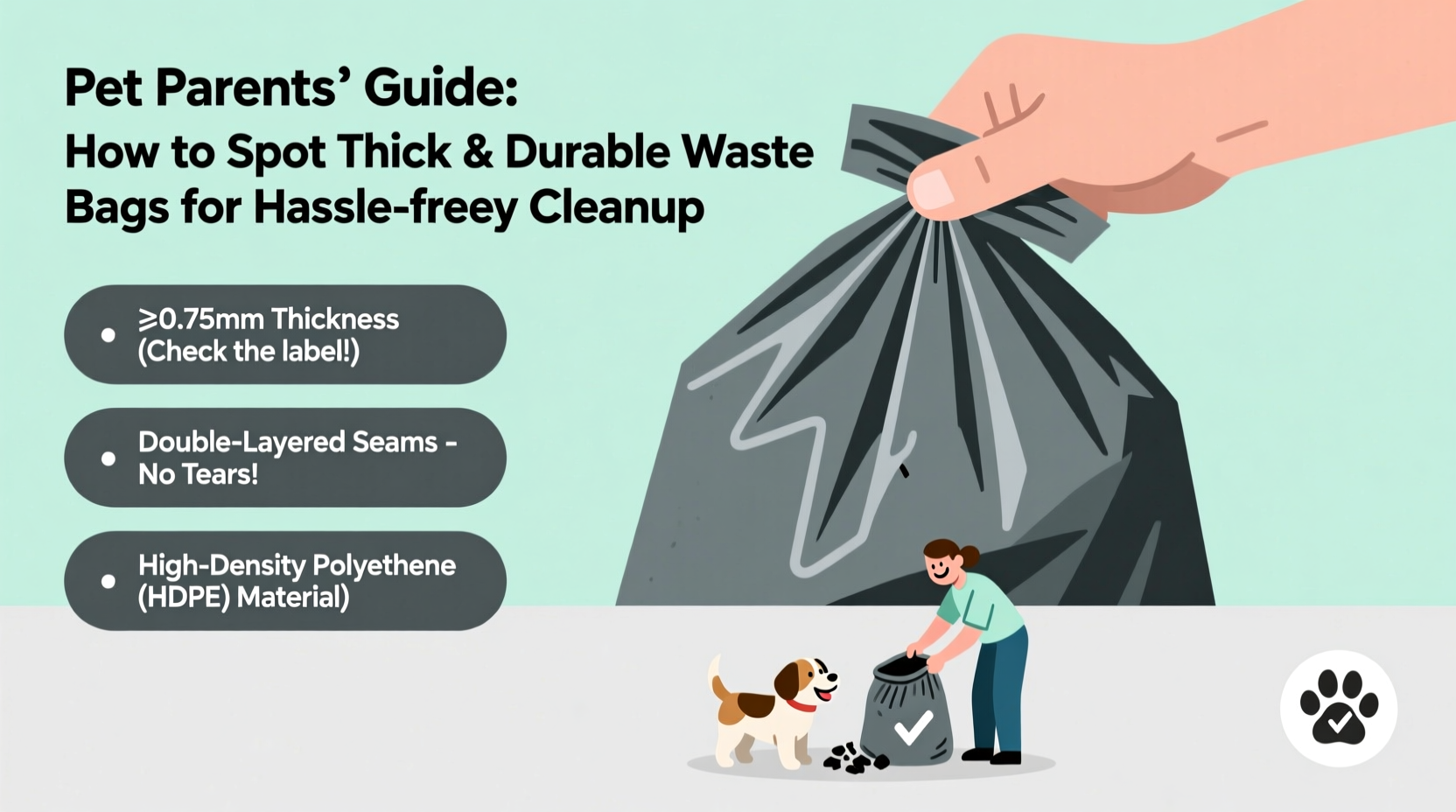
Thin waste bags may seem economical, but they often fail under pressure—literally. When picking up larger or firmer stools, flimsy bags can tear at the seams, leading to contact with waste and requiring immediate glove use or hand washing. Beyond hygiene, weak bags contribute to environmental litter when fragments are left behind.
Bag thickness is typically measured in microns or mils (one-thousandth of an inch). Most standard bags range from 15 to 20 microns. Anything below 18 microns is considered lightweight and prone to punctures. In contrast, high-quality, durable bags start at 23 microns and can go up to 35 microns for maximum reliability. Thicker doesn't always mean bulkier—modern manufacturing allows for strength without sacrificing ease of dispensing.
“Thicker bags significantly reduce failure rates during pickup, especially with larger breeds or irregularly shaped waste.” — Dr. Laura Nguyen, Veterinarian and Pet Product Safety ConsultantTip: Always check product specifications for micron thickness—many brands advertise \"extra strong\" without providing measurable data.
Key Features of Durable Waste Bags
Thickness alone isn’t enough. A truly reliable waste bag combines multiple design elements to ensure consistent performance. Here’s what to look for beyond just gauge:
- Reinforced Seams: Heat-sealed edges prevent splitting when lifting heavier loads.
- Scented vs. Unscented: Scented bags mask odors but may contain irritants; unscented options are safer for pets with sensitivities.
- Grip Texture: Some bags feature raised patterns or matte finishes for better handling, even with wet hands.
- Tie Mechanism: Drawstring or twist-tie closures help seal waste securely, reducing odor leakage and spill risk.
- Eco-Materials: Biodegradable or compostable bags made from plant-based resins (like PLA) can still be thick and durable if properly engineered.
It's also worth noting that bag size matters. Larger dogs produce more waste, so opt for extra-large bags (at least 12” x 15”) paired with adequate thickness to prevent overfilling stress.
How to Test Waste Bag Quality at Home
You don’t need lab equipment to assess durability. Use this simple three-step test before committing to a new brand:
- The Stretch Test: Pull the empty bag gently from opposite corners. A quality bag will stretch slightly without thinning or forming weak spots. If it tears easily, it won’t survive real-world use.
- The Water Hold Test: Fill the bag with about half a cup of water, tie it shut, and hold it for two minutes. Check for leaks or seam separation. This simulates moisture exposure from warm waste.
- The Weight Simulation: Place a small apple or tennis ball inside the bag and lift it by the handles or tied ends. If the bottom sags excessively or the sides split, it lacks structural integrity.
Comparison: Standard vs. Premium Waste Bags
| Feature | Standard Bags (~15–18 microns) | Premium Bags (23+ microns) |
|---|---|---|
| Thickness | Thin, prone to tearing | Dense, puncture-resistant |
| Seam Construction | Cold-sealed or glued (weaker bond) | Heat-welded seams (reinforced) |
| Odor Control | Limited; scent fades quickly | Better retention with layered films |
| Eco-Friendliness | Often traditional plastic | Frequently biodegradable or recyclable |
| Cost per Bag | $0.01–$0.02 | $0.03–$0.06 |
| Failure Rate (Field Estimate) | ~1 in 4 uses | Less than 1 in 20 |
While premium bags cost more upfront, their lower failure rate and reduced cleanup effort often make them more economical over time—especially when factoring in the cost of ruined shoes or clothing.
Real-World Example: From Frustration to Confidence
Meet Sarah, a Boston Terrier owner from Portland who walks her dog twice daily. She used generic grocery-store bags for months, enduring frequent rips and messy fingers. After switching to a 30-micron, heat-sealed compostable brand recommended by her vet clinic, she noticed an immediate change. “I used to dread cleanup, especially in the rain,” she said. “Now I grab the bag, do the job, and move on. No anxiety, no mess. It feels like such a small thing, but it really improved our walks.”
Sarah now keeps a dispenser on her leash and stores backup rolls in a dry pouch on her keychain. Her experience highlights how a minor upgrade in product quality can lead to major improvements in daily routine.
Checklist: Choosing the Right Waste Bag
Before purchasing, ask yourself the following questions:
- ✅ Is the thickness listed (preferably 23 microns or higher)?
- ✅ Are the seams heat-sealed, not glued?
- ✅ Does the bag have a secure closure method (drawstring, knot-friendly design)?
- ✅ Is it large enough for my dog’s waste output?
- ✅ Is it scented only if necessary—and free from harsh chemicals?
- ✅ Is it stored properly to maintain integrity (away from heat and UV light)?
- ✅ Does it meet eco-standards important to me (e.g., ASTM D6400 for compostability)?
Frequently Asked Questions
Are thicker bags always better?
Not necessarily. Extremely thick bags (above 40 microns) can be stiff and difficult to open or dispense. The sweet spot for most pet owners is between 23 and 35 microns—thick enough for strength, flexible enough for convenience.
Can biodegradable bags be as strong as plastic ones?
Yes, but only if well-made. Look for reinforced bioplastics like PBAT blended with PLA, and check user reviews for real-world feedback on durability. Avoid ultra-thin “eco” bags marketed solely on sustainability claims without strength data.
How should I store my waste bags to preserve quality?
Keep them in a cool, dry place away from direct sunlight. UV rays and heat degrade plastic and bioplastic alike, making bags brittle over time. Avoid leaving rolls in hot cars or damp areas like outdoor storage bins.
Final Thoughts: Small Choice, Big Impact
Choosing a thick, durable waste bag isn’t about luxury—it’s about responsibility, hygiene, and peace of mind. As pet ownership grows and urban spaces become more shared, reliable cleanup tools are essential for maintaining clean communities and healthy relationships between pet owners and non-pet owners alike.
Next time you're shopping for supplies, skip the bargain bin and invest in a tested, high-quality bag. Your hands, your shoes, and your neighbors will thank you.
🚀 Ready to upgrade your cleanup game? Try one premium bag brand this week and track how many times it fails versus your current option. Share your findings with other pet parents—you might just start a trend toward smarter, cleaner walks.








