For those who value peace, quiet, and a relaxed daily rhythm, choosing the right dog breed can make all the difference. High-energy breeds may thrive on long hikes and intense play sessions, but not every home has the time or space for that kind of commitment. Low energy dogs offer companionship without constant demands, making them ideal for apartment dwellers, retirees, remote workers, or anyone seeking a more tranquil household.
These breeds are typically content with moderate walks, enjoy lounging indoors, and adapt well to quieter environments. They’re not lazy—they simply have balanced temperaments that align with a slower pace of life. When matched correctly, a low-energy dog becomes a serene presence, enhancing comfort rather than disrupting it.
Top 6 Low Energy Dog Breeds for Cozy Living
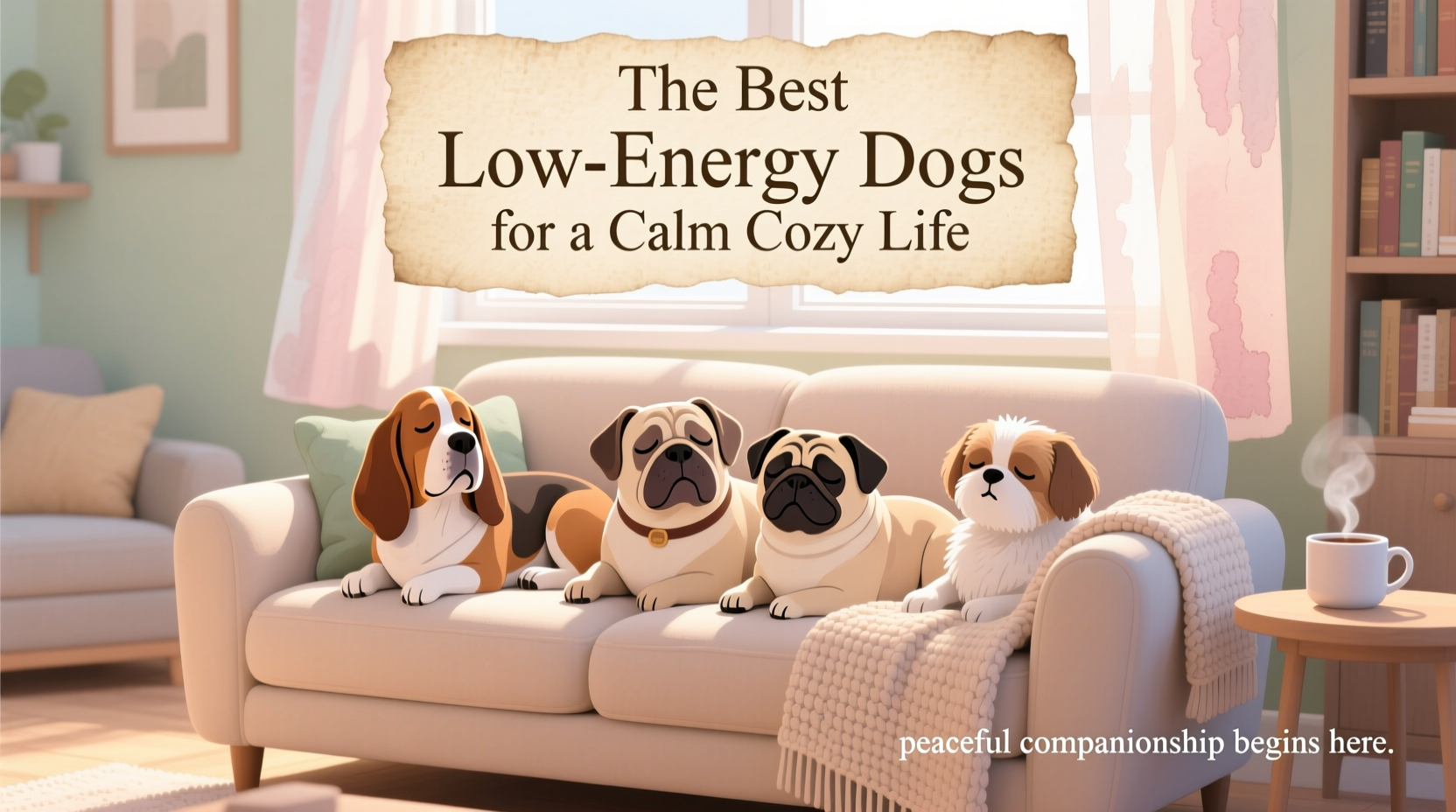
Selecting a dog isn’t just about appearance—it’s about compatibility. The following breeds consistently rank high for their calm demeanor, minimal exercise needs, and strong affinity for indoor living.
- Bulldog – Known for their signature wrinkles and laid-back attitude, Bulldogs rarely ask for more than a short stroll and a soft couch. They’re affectionate, patient, and excellent around older children.
- French Bulldog – Compact and charming, Frenchies adapt seamlessly to small spaces. While playful in bursts, they quickly return to nap mode and thrive on human attention.
- Shih Tzu – With a flowing coat and gentle nature, Shih Tzus are lap-sized companions built for cuddling. Daily walks are sufficient, and they particularly enjoy sunbathing by windows.
- Greyhound – Despite being racing athletes, retired Greyhounds are famously sedentary indoors. One brisk walk a day satisfies them, and they spend most hours curled up like cats.
- Chow Chow – Independent and dignified, Chows are low-key and reserved. They don’t require extensive activity and prefer observing from a comfortable distance.
- Bernese Mountain Dog (adult) – While puppies are active, adult Bernese settle into a mellow routine. Their large size belies a gentle soul that enjoys slow walks and family time.
Comparing Exercise & Care Needs
Understanding how much activity each breed truly requires helps prevent mismatched expectations. The table below outlines key lifestyle factors for popular low-energy breeds.
| Breed | Daily Exercise | Space Needs | Grooming Level | Good For Apartments? |
|---|---|---|---|---|
| Bulldog | 20–30 mins | Low | Moderate (wrinkle cleaning) | Yes |
| French Bulldog | 30 mins | Very Low | Low | Excellent |
| Shih Tzu | 20–30 mins | Low | High (daily brushing) | Yes |
| Greyhound | 45 mins (split sessions) | Medium (needs secure yard) | Low | Yes (with leash walks) |
| Chow Chow | 30–40 mins | Medium | High (thick double coat) | Conditionally |
| Bernese Mountain Dog | 60 mins (moderate) | High (large indoor space) | High (seasonal shedding) | No (too big for most apartments) |
Real-Life Example: A Calm Companion for Remote Work
Sarah, a freelance writer living in a downtown studio apartment, spent months researching before adopting Milo, a three-year-old French Bulldog from a local rescue. Her days involve long stretches at her desk, and she needed a dog that wouldn’t demand constant attention or excessive outdoor time.
Milo fits perfectly. He greets her morning walks with enthusiasm but is equally happy napping under her desk while she works. On weekends, they visit a nearby park for light socialization, but most evenings are spent curled up together watching films. Sarah notes, “He doesn’t bark much, he’s house-trained, and his energy matches mine. I couldn’t imagine working with a hyperactive breed.”
This scenario illustrates how pairing lifestyle with temperament leads to lasting harmony between pet and owner.
Expert Insight on Temperament and Longevity
Dr. Lena Patel, a veterinary behaviorist with over 15 years of clinical experience, emphasizes that energy level isn’t just about physical activity—it’s deeply tied to breed genetics and emotional stability.
“Breeds like the Shih Tzu or Bulldog were selectively developed for companionship, not labor or hunting. Their nervous systems are wired for relaxation. When placed in homes that honor their natural rhythm, these dogs live longer, healthier lives with fewer stress-related issues.” — Dr. Lena Patel, DVM, Behavioral Specialist
She also warns against assuming low energy means low maintenance. All dogs require structure, socialization, and preventive care—even if they sleep 14 hours a day.
Step-by-Step Guide to Choosing Your Calm Canine
Finding the right low-energy dog involves more than browsing photos online. Follow this sequence to ensure a good match:
- Assess your daily routine – How many hours do you spend at home? Are your weekends active or restful? Match your pace to a breed’s typical behavior.
- Consider space limitations – Apartment living favors smaller breeds, though some larger dogs adapt well if exercised properly.
- Research breed-specific health concerns – Bulldogs and Frenchies often face respiratory and joint issues; proactive vet care is essential.
- Visit shelters or reputable breeders – Spend time with adult dogs to observe temperament firsthand. Puppies can be misleading in terms of future energy levels.
- Test compatibility – Try a foster or trial period if available. See how the dog responds to your environment, noise level, and schedule.
- Create a calming setup – Designate a quiet sleeping area, invest in a supportive bed, and minimize loud stimuli to help your dog feel secure.
Checklist: Preparing for a Low-Energy Dog
- ✔️ Evaluate your schedule for consistency in feeding and walking times
- ✔️ Choose a breed with compatible grooming needs
- ✔️ Puppy-proof or dog-proof your home, especially for brachycephalic breeds sensitive to heat
- ✔️ Schedule a vet checkup within the first week of adoption
- ✔️ Stock up on essentials: harness, food, chew toys, and a washable bed
- ✔️ Enroll in basic obedience training—even low-energy dogs benefit from structure
Frequently Asked Questions
Are low-energy dogs good with children?
Many are, especially breeds like Bulldogs and Shih Tzus, which tend to be patient and tolerant. However, supervision is always recommended, and early socialization helps build positive interactions.
Do calm dogs still need training?
Absolutely. Even the most laid-back dogs benefit from basic commands like “sit,” “stay,” and leash manners. Training strengthens your bond and prevents behavioral issues down the line.
Can low-energy dogs live with other pets?
Yes, especially if introduced properly. Breeds like Greyhounds and French Bulldogs often coexist peacefully with cats and other dogs, provided there’s no history of aggression.
Conclusion: Embrace Peaceful Companionship
A calm, cozy lifestyle doesn’t mean solitude—it means shared moments of quiet joy. Low-energy dogs bring warmth, loyalty, and subtle charm to homes that value tranquility. By choosing a breed aligned with your rhythm, preparing thoughtfully, and nurturing a stable environment, you create the foundation for a deeply fulfilling relationship.
Whether you're curling up with a book, working from home, or enjoying a slow Sunday morning, the right dog enhances the serenity rather than disrupting it. Take the time to find your perfect match—your peaceful companion is waiting.
💬 Have a low-energy dog that completes your cozy lifestyle? Share your story in the comments and inspire others looking for their calm canine match!








