
Choosing a dog is one of life’s most rewarding decisions, but it’s also one that should align with your daily routine, living environment, and emotional needs. The right companion doesn’t just fit into your life—they enhance it. With over 300 recognized breeds, each offering unique temperaments, energy levels, and care requirements, selecting the ideal match requires thoughtful consideration. This guide breaks down the best companion breeds based on real-world lifestyles, helping you find a four-legged friend who complements your world.
Lifestyle-Based Breed Matching: Why It Matters
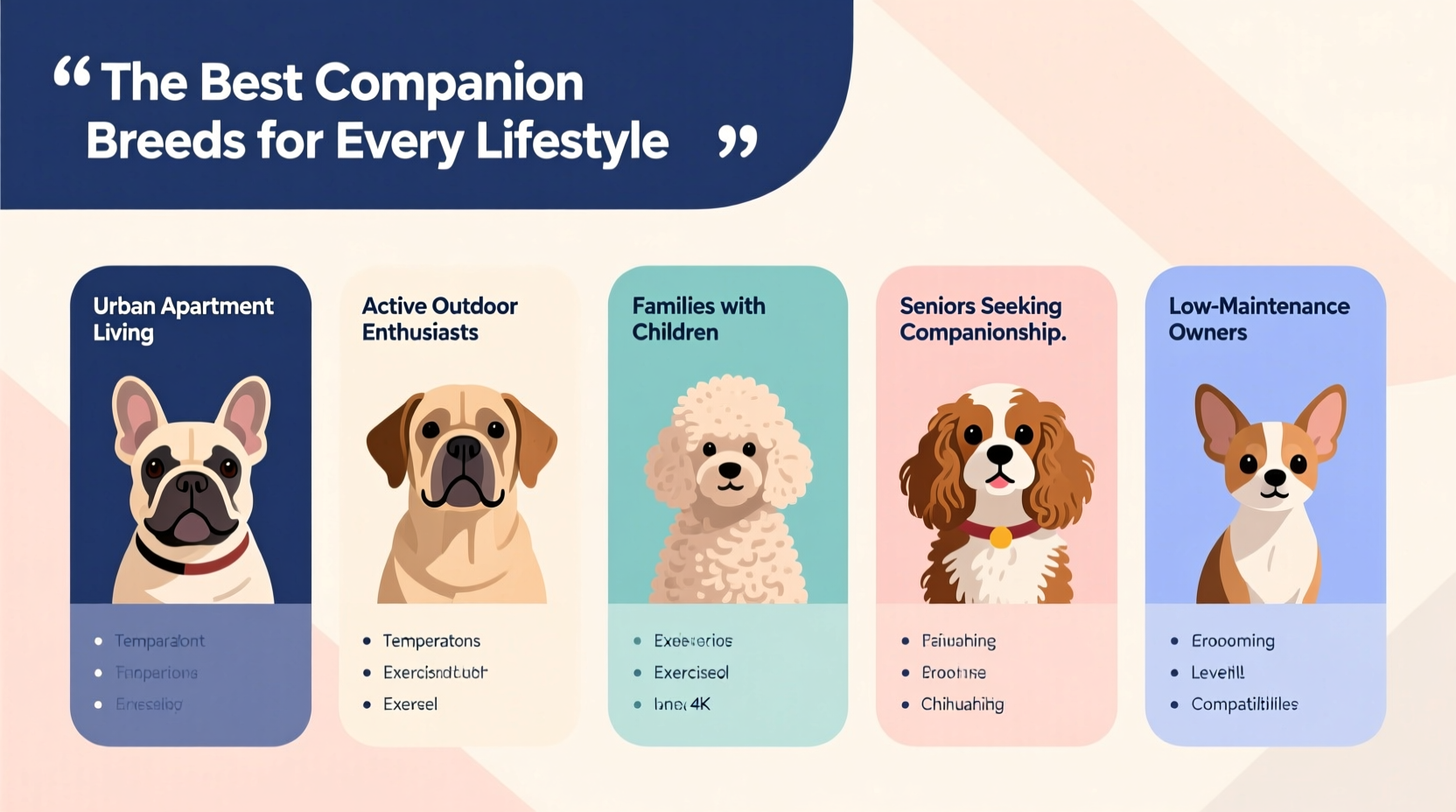
Dogs are not one-size-fits-all pets. A high-energy Border Collie may thrive in a rural home with acres to roam, but could become anxious or destructive in a compact city apartment. Conversely, a calm Bichon Frise might struggle to keep up with an avid trail runner but would excel as a lapdog for a retiree.
The key to long-term happiness—for both owner and pet—is matching the dog’s natural instincts and needs with the owner’s capacity to meet them. Lifestyle compatibility reduces surrender rates, improves mental health for both parties, and fosters deeper bonds.
“Matching a dog’s energy and temperament to the owner’s lifestyle is the cornerstone of a successful adoption.” — Dr. Lena Reyes, Canine Behavior Specialist, American Veterinary Society
Families with Young Children: Gentle, Patient, and Playful
Families need dogs that are tolerant of noise, sudden movements, and curious hands. The best companions for homes with young children are patient, affectionate, and naturally protective without being overly reactive.
- Golden Retriever: Known for their gentle nature and intelligence, Goldens are eager to please and highly trainable—ideal for households teaching kids how to interact with pets.
- Labrador Retriever: Outgoing and sociable, Labs adapt well to family chaos and love outdoor play, making them perfect for active homes.
- Beagle: Compact, friendly, and full of charm, Beagles bond strongly with children and enjoy games and exploration.
While these breeds are generally excellent with kids, early socialization and consistent training are essential. Teach children how to approach and touch dogs gently, and establish safe spaces where the dog can retreat when overwhelmed.
Singles with Active Routines: Energetic Partners for Adventure
If your weekends involve hiking, cycling, or long runs, a high-drive breed can be your ultimate workout partner. These dogs need physical and mental stimulation to stay balanced.
| Breed | Energy Level | Best For | Considerations |
|---|---|---|---|
| Australian Shepherd | Very High | Trail running, agility, biking | Needs mental challenges; prone to boredom |
| Border Collie | Extreme | Farm work, frisbee, obedience | Not ideal for sedentary owners |
| Vizsla | High | Running, swimming, hunting | Requires constant companionship |
| Jindo (Korean) | High | Hiking, off-leash trails | Independent; strong recall training needed |
These breeds thrive on structure and purpose. Without adequate exercise and engagement, they may develop destructive behaviors such as chewing or excessive barking. Commitment to daily activity is non-negotiable.
Seniors and Retirees: Calm, Low-Maintenance Companions
Older adults often benefit from the emotional support and routine a dog provides. Ideal senior companions are low-energy, easy to groom, and adaptable to quieter environments.
- Cavalier King Charles Spaniel: Affectionate and gentle, this breed loves lounging and is known for intuitive empathy toward human emotions.
- Pug: Compact and comical, Pugs form strong attachments and require only moderate walks.
- Shih Tzu: With a soft coat and calm demeanor, Shih Tzus are excellent indoor companions and do well in apartments.
Smaller breeds are often preferred due to manageable size and lower food costs, but health considerations like breathing issues in brachycephalic breeds (e.g., Pugs) should be evaluated with a veterinarian.
“My Cavalier has reduced my anxiety more than any medication. He knows when I’m feeling down and just rests his head on my lap.” — Margaret H., 72, retired teacher
Urban Dwellers: Apartment-Friendly Breeds That Thrive Indoors
City living presents unique challenges: limited space, noise sensitivity, and fewer off-leash areas. The best urban dogs are quiet, low-shedding, and adaptable to small quarters.
Top Picks for Apartment Living
- French Bulldog: Minimal exercise needs, quiet, and highly sociable. Watch for overheating in summer.
- Boston Terrier: Often called the “American Gentleman,” this breed is polite, intelligent, and great with neighbors.
- Greyhound (Retired): Despite their racing background, retired Greyhounds are couch potatoes indoors and surprisingly quiet.
- Poodle (Toy/Miniature): Hypoallergenic, smart, and easily trained for indoor living.
Even in cities, regular walks and socialization are vital. Seek out dog parks or pet-friendly cafes to prevent isolation and build confidence.
Step-by-Step Guide to Choosing Your Ideal Breed
Follow this timeline to make a confident, informed decision:
- Week 1: Self-Assessment – Evaluate your schedule, space, budget, and activity level. Are you home 6 hours a day? Do you travel frequently?
- Week 2: Research Breeds – Use kennel club resources (AKC, UKC) to explore breed standards, health concerns, and grooming needs.
- Week 3: Meet Dogs in Person – Visit shelters, attend dog shows, or foster temporarily to experience different temperaments.
- Week 4: Consult Experts – Talk to veterinarians, trainers, or breed-specific rescues about suitability.
- Week 5: Make a Decision – Choose responsibly—adopt if possible, or select a reputable breeder who health-tests parents.
Frequently Asked Questions
Can mixed-breed dogs fit specific lifestyles too?
Absolutely. Many shelter dogs have predictable temperaments based on dominant breed traits. A Lab-Boxer mix, for example, will likely be energetic and loyal. Spend time with the dog before adopting to assess compatibility.
How important is size when choosing a companion?
Size matters less than energy and temperament. A small Jack Russell can demand more exercise than a large, laid-back Newfoundland. Focus on behavior, not just stature.
Are hypoallergenic breeds truly allergy-free?
No dog is 100% hypoallergenic, but some shed less dander. Poodles, Bichons, and Shih Tzus are often better for allergy sufferers. Test exposure before committing.
Checklist: Before You Bring Home a Dog
- ✅ Confirm housing allows pets
- ✅ Budget for food, vet visits, insurance (~$1,000/year minimum)
- ✅ Arrange pet-sitting for travel
- ✅ Purchase essentials: collar, leash, crate, food, ID tag
- ✅ Schedule first vet visit within 48 hours
- ✅ Enroll in a puppy or obedience class if needed
Conclusion: Find the Friend Who Fits Your Life
The best companion breed isn’t the most popular or the cutest—it’s the one whose rhythm matches yours. Whether you’re a weekend warrior, a busy parent, or enjoying retirement, there’s a dog waiting to walk beside you. Take the time to reflect, research, and connect. When the right dog finds the right home, it’s not just companionship—it’s transformation.
💬 Found your perfect match? Share your story or ask questions in the comments—help others find their ideal companion too.








