Cats are natural hunters, and even the most pampered indoor felines retain their instinct to stalk, pounce, and play. Without proper mental and physical stimulation, cats can become bored, anxious, or even develop destructive behaviors. One of the most affordable and effective ways to engage your cat is through homemade toys—especially those made from yarn. Not only is yarn lightweight and safe (when used correctly), but it’s also highly stimulating for cats who love to bat, bite, and chase.
Creating your own yarn-based cat toys doesn’t require advanced crafting skills. With just a few basic supplies and 10–20 minutes of time, you can make engaging, durable toys that will hold your cat’s attention. Below are five proven designs that combine simplicity, safety, and irresistible appeal.
Why Yarn Works So Well for Cat Toys
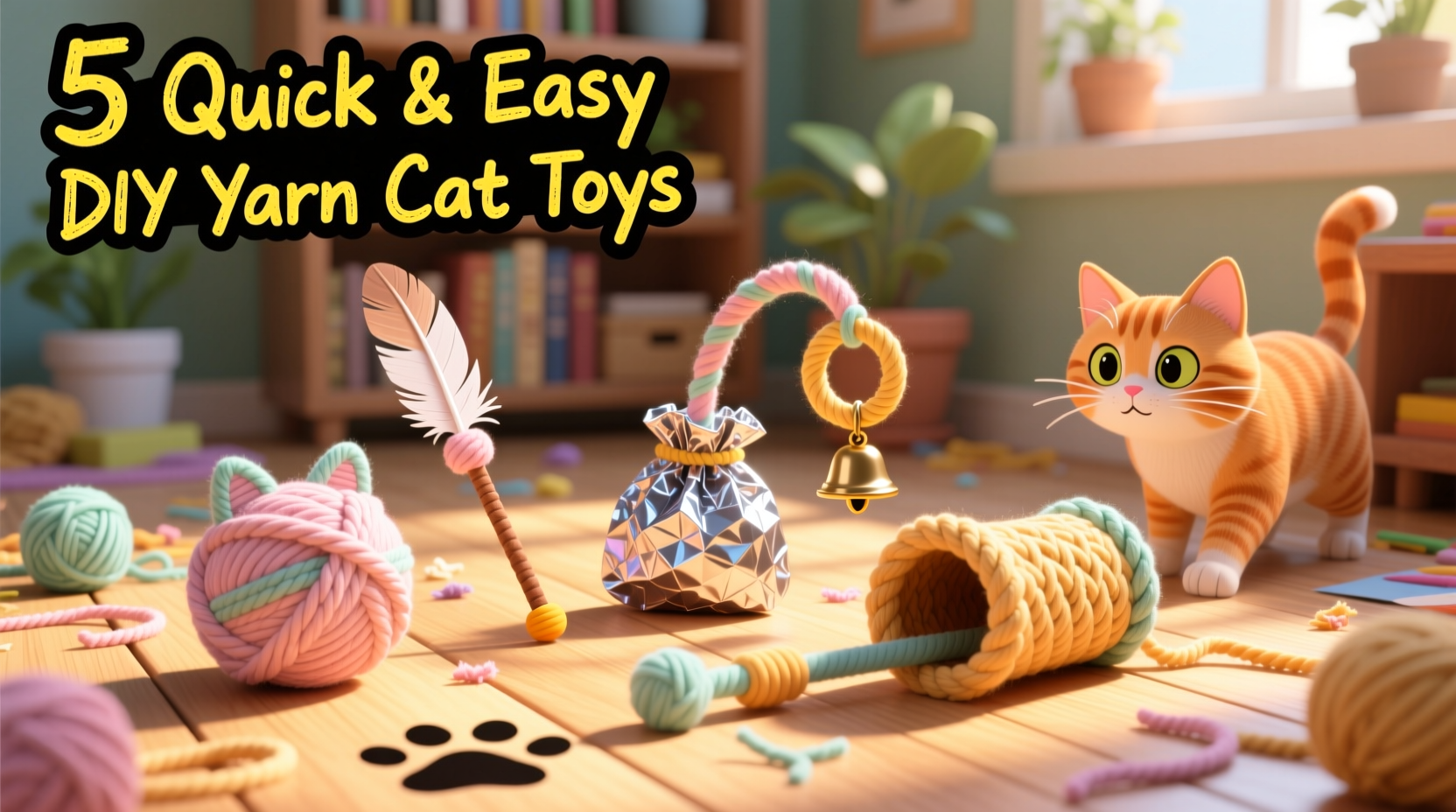
Yarn mimics the movement of prey—slithering, bouncing, and skittering across the floor in unpredictable ways. Its texture is satisfying for cats to bite and kick with their back legs, a behavior known as “bunny kicking” that stems from hunting instincts. Unlike plastic or rubber, yarn is soft enough to prevent injury during vigorous play but sturdy enough to withstand repeated use when properly constructed.
That said, supervision is essential. Never leave a cat unattended with loose yarn or string, as ingestion can lead to serious intestinal blockages. The toys in this guide are designed with safety in mind—secure knots, no small detachable parts, and limited loose ends.
Tip: Always inspect yarn toys before and after each use. Trim frayed ends and discard any toy that begins to unravel.1. The Tassel Wand Toy
A wand toy gives you control over movement, allowing you to simulate prey-like motion that triggers your cat’s chase response. This version uses colorful yarn tassels for visual appeal and tactile engagement.
- Cut six strands of yarn, each about 18 inches long.
- Bundle them together and fold in half. Loop the folded end through a wooden dowel or chopstick.
- Pull the loose ends through the loop and tighten to create a secure knot.
- Repeat this process 3–4 times along the length of the stick, spacing tassels 2–3 inches apart.
- Add a small bell or crinkle paper ball at one end for auditory stimulation.
Wave the wand gently across the floor or through the air to mimic a fleeing insect or bird. Most cats can’t resist swatting at the dangling tassels.
2. The Braided Drag Rope
This toy encourages active chasing and mimics the movement of snakes or worms—perfect for cats who love to ambush and bite.
- Select three thick strands of yarn, each about 3 feet long.
- Tie a knot at one end to secure them together.
- Braid the strands tightly from top to bottom.
- Secure the opposite end with another tight knot.
- (Optional) Add a few drops of catnip oil to one end for extra attraction.
Drag the rope slowly across the floor, letting it coil and twitch. Let your cat pounce, then gently pull it away to encourage sustained play. Store it coiled in a drawer when not in use.
“Interactive play with wand or drag toys for just 10 minutes a day can significantly reduce stress and obesity in indoor cats.” — Dr. Lena Torres, Feline Behavior Specialist
3. The Pom-Pom Yarn Ball
Traditional yarn balls are risky—cats can easily unravel and ingest them. This version uses pre-made pom-poms or hand-crafted ones that stay intact.
How to Make a Durable Pom-Pom:
- Wrap yarn around a cardboard donut (cut from a toilet paper roll or stiff card).
- After 50–100 wraps, tie the outer edge tightly with a separate strand.
- Cut the outer loops and fluff into a ball shape.
- Trim evenly and secure again if needed.
Use wool or acrylic yarn for durability. For added fun, make pom-poms in different sizes and colors. Place several in a basket and let your cat choose. Some owners even hide treats inside larger pom-poms to turn play into a puzzle.
Tip: Avoid using cotton yarn—it absorbs moisture and can harbor bacteria if your cat drools or chews excessively.4. The Crinkle-Yarn Mitten
Repurpose an old knitted mitten by filling it with yarn scraps and crinkle material for sensory variety.
- Find a clean, undamaged knitted mitten (wool or acrylic).
- Stuff the fingers with rolled-up pieces of crinkle paper or tissue.
- Weave short yarn strips through the knit holes using a crochet hook or needle.
- Add a few lavender-scented cotton balls (safe in moderation) to calm anxious cats.
- Knot the wrist end securely with strong thread.
The mix of textures—soft knit, crinkly sound, and dangling yarn—creates a multi-sensory experience. Cats often carry these around like prey or kick them vigorously with their hind legs.
5. The Hanging Yarn Mobile
For cats who love vertical space and batting at moving objects, a hanging toy offers independent entertainment.
- Use a sturdy embroidery hoop (8–10 inches in diameter).
- Tie 6–8 yarn strands evenly around the inner ring, each about 10–12 inches long.
- At the end of each strand, attach a small pom-pom or bead (ensure beads are too large to swallow).
- Suspend the hoop from a ceiling hook or cat tree using nylon thread.
- Adjust height so your cat can bat at it while standing or jumping slightly.
The mobile spins and sways with minimal touch, keeping your cat engaged even when you’re busy. Just ensure it’s out of reach of ceiling fans or light fixtures.
| Toy Type | Best For | Supervision Needed? | Lifespan |
|---|---|---|---|
| Tassel Wand | Interactive play, bonding | Yes, during use | 3–6 months |
| Braided Drag Rope | Chasing, biting | Yes | 2–4 months |
| Pom-Pom Ball | Solo play, chewing | Occasional checks | 1–3 months |
| Crinkle Mitten | Carrying, kicking | Moderate | 2–5 months |
| Hanging Mobile | Stimulation, exercise | No, once installed safely | 6+ months |
Real Example: How Lily the Cat Responded
Sarah, a pet owner from Portland, noticed her 3-year-old tabby Lily had become lethargic and was overgrooming—a sign of stress. After consulting her vet, she learned Lily needed more environmental enrichment. Sarah made the braided drag rope and tassel wand from leftover craft yarn.
Within days, Lily was chasing the rope down the hallway and leaping for the wand during nightly play sessions. “It’s like I got my kitten energy back,” Sarah said. “She still naps plenty, but now she has an outlet for her instincts.”
Over eight weeks, Lily’s overgrooming decreased by 70%, and she began bringing her favorite pom-pom to Sarah as a “gift.” The toys cost less than $2 total and took under an hour to make.
Safety Checklist Before You Begin
- ✅ Use non-toxic, washable yarn (acrylic or wool recommended)
- ✅ Avoid loose strings longer than 3 inches without secure knots
- ✅ Never use buttons, bells, or beads that can be chewed off
- ✅ Supervise initial play sessions to monitor behavior
- ✅ Wash toys monthly with mild soap and air dry
- ✅ Discard any toy showing signs of wear or unraveling
Frequently Asked Questions
Can cats safely play with yarn?
Yes—but only under supervision and with properly constructed toys. Loose yarn or string can cause life-threatening intestinal obstructions if swallowed. Always opt for secured, knotted designs rather than free balls of yarn.
What kind of yarn should I avoid?
Steer clear of fluffy novelty yarns (like eyelash or chenille) that shed fibers, and never use synthetic ropes or twine. Cotton may seem soft, but it breaks down quickly when chewed and can harbor bacteria. Stick to medium-weight acrylic or wool for durability and safety.
How often should I rotate yarn toys?
Introduce new toys every 2–3 weeks to maintain novelty. Rotate 3–4 toys in use while storing others out of sight. This prevents habituation and keeps playtime exciting. A tired toy can be revived later with a sprinkle of catnip.
Keep Playtime Safe, Fun, and Instinctive
DIY yarn cat toys offer a powerful combination of affordability, creativity, and behavioral support. When crafted thoughtfully, they tap directly into your cat’s primal instincts while strengthening your bond through interactive play. Each of the five designs above has been tested by cat owners and behavior experts for both engagement and safety.
Start with one project—perhaps the tassel wand or pom-pom ball—and observe how your cat responds. Over time, build a rotating collection that keeps your feline mentally sharp and physically active. Remember, the goal isn’t perfection in crafting, but purpose in play.
💬 Have a favorite DIY cat toy idea or a story about your cat’s reaction? Share it in the comments below—your tip could inspire another pet parent!








