
For many dogs, the sight of a carrier triggers anxiety, whining, or even full-blown resistance. Whether you're preparing for a vet visit, air travel, or a road trip, forcing a fearful dog into confinement can damage trust and escalate stress. The good news is that with patience and the right approach, carriers don’t have to be sources of fear. By using positive reinforcement, environmental conditioning, and behavioral training, you can transform the carrier from a cage into a safe haven. These five evidence-based strategies are used by professional trainers and veterinary behaviorists to help dogs associate their carriers with comfort, security, and predictability.
1. Turn the Carrier into a Positive Space
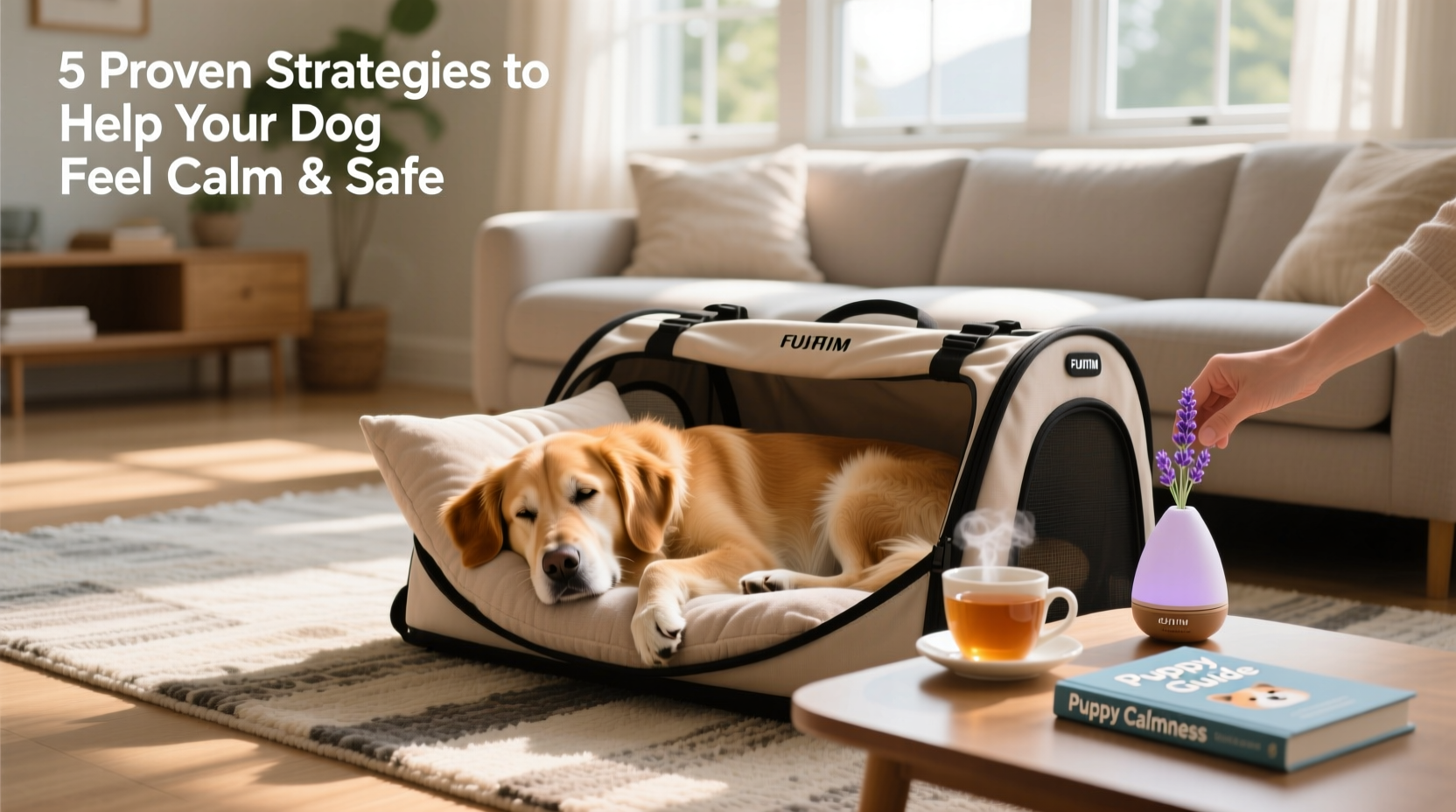
The first step in helping your dog feel calm in a carrier is removing all negative associations. Most dogs learn to dread carriers because they’re only brought out before stressful events like vet visits. To reverse this, reintroduce the carrier during relaxed moments at home—leave it open and accessible in a quiet corner of your living space.
Begin by placing high-value treats, favorite toys, or soft bedding inside. Let your dog explore on their own terms. Never force them in. Over time, they’ll begin to view the carrier as a den-like retreat rather than a trap. You can also feed meals near the entrance, then just inside, gradually moving the bowl deeper as confidence grows.
Tip: Use scent to enhance familiarity—place an article of your clothing inside so your dog can smell your presence while inside.This process, known as \"classical conditioning,\" pairs the carrier with pleasant experiences. It may take days or weeks depending on your dog’s temperament, but rushing leads to setbacks. The goal isn’t just tolerance—it’s voluntary use.
2. Use Gradual Desensitization and Counterconditioning
Desensitization involves slowly exposing your dog to the carrier in manageable steps, while counterconditioning changes their emotional response from fear to comfort. This two-pronged method is widely recommended by veterinary behaviorists for managing fear-based behaviors.
Follow this timeline to implement both techniques effectively:
- Step 1: Place the carrier in a common area with the door open. Reward any interest (sniffing, approaching) with treats.
- Step 2: Encourage your dog to enter by tossing treats inside. Click or mark the behavior the moment paws cross the threshold.
- Step 3: Feed full meals in the carrier with the door open.
- Step 4: Close the door briefly while your dog eats, then open it immediately. Gradually increase duration.
- Step 5: Pick up the carrier gently for a few seconds, then set it down. Repeat until your dog remains relaxed.
- Step 6: Take short indoor “trips” carrying the carrier with your dog inside.
- Step 7: Move to brief outdoor sessions or car rides.
Each step should last as long as needed—some dogs progress quickly; others need multiple sessions over several days. If your dog shows signs of stress (panting, trembling, trying to escape), go back a step and proceed more slowly.
“Dogs don’t generalize well. Just because your dog tolerates the carrier at home doesn’t mean they’ll accept it in the car. Consistency across environments is key.” — Dr. Karen Overall, Veterinary Behavioral Medicine Specialist
3. Choose the Right Carrier and Environment
Not all carriers are created equal. A poorly designed or ill-fitting unit can contribute to discomfort and anxiety. Hard-sided carriers offer more protection and structure, while soft-sided ones may feel less secure but are easier to store. Consider your dog’s size, breed, and temperament when selecting one.
| Carrier Type | Best For | Potential Drawbacks |
|---|---|---|
| Hard-Shell Plastic (e.g., airline-approved) | Dogs needing structure, travel safety | Can feel confining; poor airflow if not ventilated |
| Soft-Sided Fabric | Small breeds, short trips, home use | Less durable; may collapse if stepped on |
| Wire Mesh | Dogs who like visibility | Lack privacy; harder to cover for calming effect |
| Backpack-Style | Small dogs, urban travel | Limited space; motion sensitivity |
Ensure the carrier allows your dog to stand, turn around, and lie down comfortably. Line it with non-slip material and familiar-smelling bedding. Covering three sides with a lightweight blanket can reduce visual stimulation and create a den-like atmosphere, which helps anxious dogs feel protected.
Tip: Avoid placing the carrier in high-traffic or noisy areas. Choose a quiet, low-light spot to encourage relaxation.4. Incorporate Calming Aids and Sensory Support
In addition to behavioral training, sensory tools can significantly reduce anxiety. Dogs rely heavily on smell, sound, and touch, so leveraging these senses can make the carrier experience more soothing.
- Scent: Use dog-safe pheromone sprays (like Adaptil) inside the carrier 15–20 minutes before use. These mimic maternal calming signals.
- Sound: Play species-specific calming music or white noise through a small speaker placed nearby. Research shows certain frequencies can lower heart rate in stressed dogs.
- Touch: Include a snug-fitting blanket or bolster to provide gentle pressure, similar to a “thundershirt” effect.
- Taste: Offer a food-dispensing toy (like a stuffed Kong) to keep your dog occupied and distracted.
These aids work best when introduced during positive, low-stress sessions—not just before vet visits. That way, your dog learns to associate the smells and sounds with relaxation, not impending travel.
Real Example: Helping Luna Overcome Carrier Fear
Luna, a 3-year-old rescue terrier mix, would tremble and hide whenever her owner brought out the carrier. After consulting a certified trainer, her owner began leaving the carrier open in the bedroom with a piece of her worn t-shirt inside. Treats were scattered around it daily. Within a week, Luna started sniffing inside. Two weeks later, she ate her dinner in the carrier with the door open. The owner then practiced closing the door for 10 seconds while giving treats. After a month of gradual training, Luna entered the carrier willingly and stayed calm during a 20-minute car ride to the vet. The transformation wasn’t overnight—but consistency made all the difference.
5. Maintain Predictability and Routine
Dogs thrive on routine. When the carrier appears unpredictably before stressful events, it becomes a warning sign. Instead, integrate it into daily life. Leave it assembled and available, even when no travel is planned. Occasionally place treats inside or let your dog nap there voluntarily.
You can also practice “fake trips”: put your dog in the carrier, close the door, carry it around the house, set it down, and release them—without going anywhere. This breaks the association between carrier use and unpleasant outcomes.
Checklist: Building Carrier Confidence
- ✅ Leave the carrier out with the door open at all times
- ✅ Place treats, toys, and bedding inside daily
- ✅ Reward any interaction with high-value praise or snacks
- ✅ Feed meals gradually inside the carrier
- ✅ Practice closing the door for increasing durations
- ✅ Introduce short movements and car sittings
- ✅ Use calming scents, sounds, and covers
- ✅ Never rush or force entry
Frequently Asked Questions
How long does it take to train a dog to accept a carrier?
It varies by dog. Some show improvement within a week; others may take several weeks or months, especially if they’ve had traumatic experiences. Patience and consistency are more important than speed.
Can older dogs learn to feel safe in a carrier?
Absolutely. While puppies may adapt faster, adult and senior dogs can still learn new associations through positive reinforcement. The process may require more repetition, but success is achievable at any age.
What if my dog refuses to enter the carrier despite training?
If your dog resists after consistent effort, consult a certified dog trainer or veterinary behaviorist. There may be underlying anxiety or past trauma requiring specialized intervention. In some cases, alternative carriers (top-loading vs. front-loading) can make a significant difference.
Final Thoughts: Transform Stress into Security
A carrier doesn’t have to be a symbol of fear. With thoughtful training, the right environment, and consistent positive reinforcement, your dog can learn to see it as a personal sanctuary. The strategies outlined here—positive conditioning, gradual exposure, proper equipment, sensory support, and routine integration—are grounded in animal behavior science and real-world success. Start today by simply leaving the carrier open with a treat inside. Small actions build lasting change. Your dog deserves to feel safe, not scared, when it’s time to travel.
💬 Have a tip that helped your dog relax in their carrier? Share your story in the comments and help fellow pet owners create calmer journeys for their furry companions.








