Poverty is not simply a lack of money. It is a complex web of social, economic, political, and environmental conditions that trap individuals and communities in cycles of deprivation. Despite decades of development efforts, over 700 million people still live in extreme poverty—surviving on less than $2.15 per day. Understanding why poverty persists requires more than statistics; it demands an examination of historical patterns, structural inequalities, and global interdependencies. This article explores the root causes of poverty, its global consequences, and what can be done to create lasting change.
The Structural Causes of Poverty
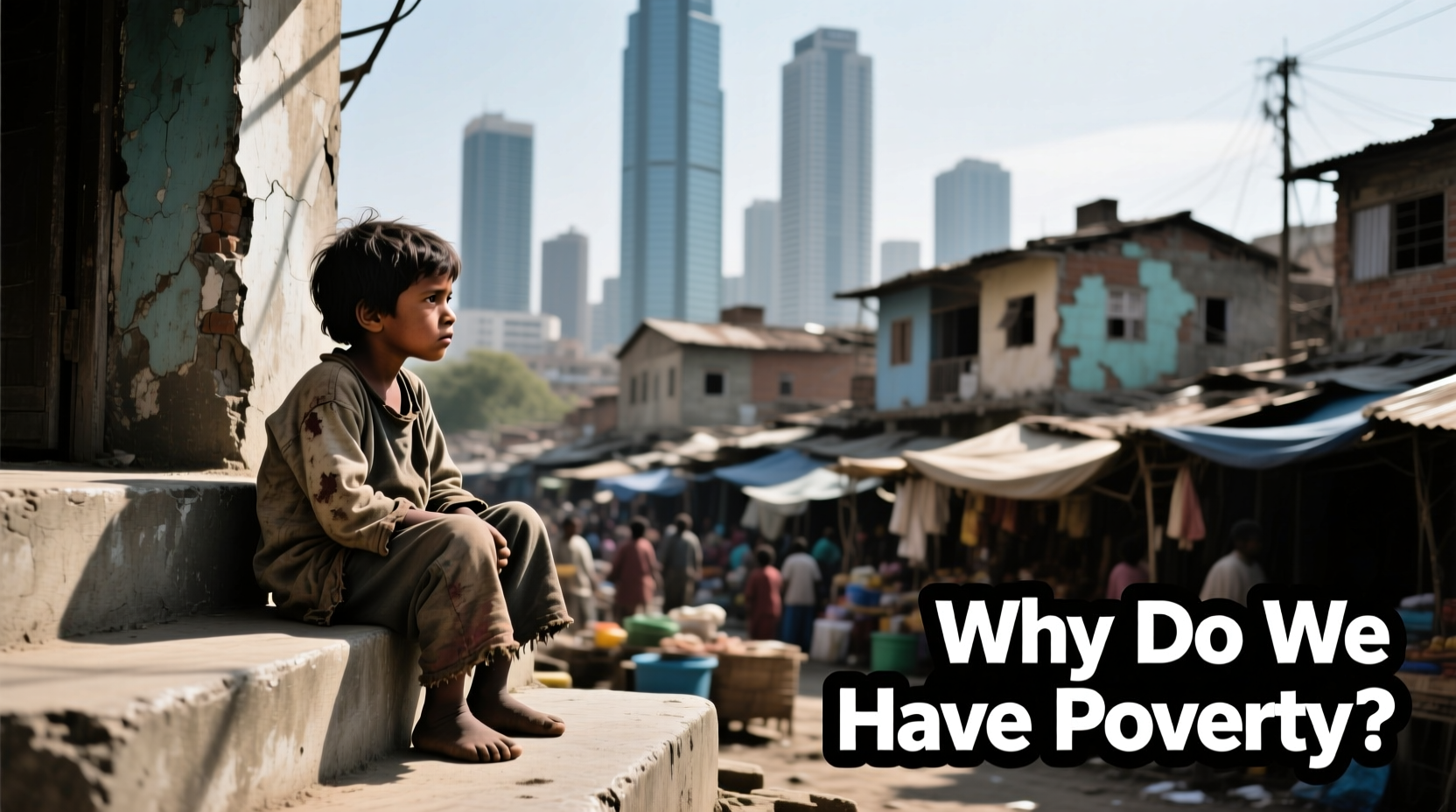
Poverty does not occur in isolation. It is deeply embedded in systems that shape access to resources, opportunities, and power. Some of the most significant structural causes include:
- Colonialism and Historical Exploitation: Many low-income countries today were former colonies whose economies were restructured to serve imperial powers. Natural resources were extracted, local industries suppressed, and infrastructure built only to facilitate export—not domestic development.
- Unequal Land Distribution: In agrarian societies, land ownership remains highly concentrated. A small elite often controls vast tracts, while millions of smallholders or landless laborers struggle to survive.
- Limited Access to Education: Without quality education, individuals cannot develop skills needed for higher-paying jobs. This perpetuates intergenerational poverty, especially in rural and marginalized communities.
- Discrimination and Social Exclusion: Ethnic minorities, women, indigenous populations, and people with disabilities frequently face systemic barriers to employment, healthcare, and political participation.
Economic Systems and Global Inequality
The global economy often reinforces rather than reduces poverty. Trade policies, debt burdens, and financial markets disproportionately benefit wealthy nations and corporations. For example:
- Developing countries are pressured to open markets without reciprocal access, undermining local industries.
- Unfair agricultural subsidies in rich countries make it impossible for farmers in poor nations to compete.
- High-interest loans from international financial institutions lead to debt traps, forcing cuts in public services like health and education.
| Factor | Impact on Poverty | Example |
|---|---|---|
| Trade Imbalances | Reduces local industry growth | African textile producers undercut by cheap imports |
| Debt Servicing | Diverts funds from social programs | Some countries spend more on debt than on healthcare |
| Tax Evasion & Illicit Flows | Drains national revenue | Over $50 billion lost annually from Africa via profit shifting |
“Poverty is not an accident. It has been created and maintained by the systems we’ve built.” — Dr. Jason Hickel, Anthropologist and Author of *The Divide*
Environmental Factors and Climate Vulnerability
Climate change is increasingly recognized as both a consequence and a driver of poverty. Poor communities are least responsible for carbon emissions but suffer the most from droughts, floods, and rising sea levels. These events destroy crops, displace families, and overwhelm fragile infrastructure.
In Bangladesh, for instance, recurring floods force millions to abandon their homes annually. With limited savings or insurance, recovery is nearly impossible. Similarly, desertification in the Sahel region of Africa has turned once-fertile land into dust, pushing pastoralists into urban slums where job opportunities are scarce.
This creates a feedback loop: poverty increases vulnerability to climate shocks, and climate shocks deepen poverty.
Mini Case Study: Drought in Kenya
In northern Kenya, prolonged droughts have decimated livestock—the primary source of income for pastoralist communities. Families who once owned hundreds of goats now have none. Children drop out of school as parents migrate in search of food and water. NGOs provide emergency aid, but long-term resilience remains elusive due to underinvestment in water infrastructure and sustainable agriculture.
This example illustrates how environmental degradation, weak governance, and lack of adaptive capacity converge to sustain poverty.
Political Instability and Governance Failures
Corruption, conflict, and weak institutions undermine development. When public funds are misused or siphoned off, schools go unbuilt, hospitals remain understaffed, and roads stay unpaved. In countries affected by war—such as Yemen or South Sudan—poverty rates skyrocket as economies collapse and displacement spreads.
Even in peaceful nations, poor governance can entrench poverty. Lack of transparency, exclusionary policies, and inadequate tax collection limit the state’s ability to deliver services equitably.
Checklist: Signs of Systemic Poverty Drivers
- High levels of income inequality (Gini coefficient above 0.4)
- Low government spending on health and education (< 5% of GDP)
- Widespread informal employment (>60% of workforce)
- Limited access to credit or banking services
- Dependence on a single export commodity
- History of colonial exploitation or civil conflict
Global Impact of Persistent Poverty
Poverty doesn’t just affect the poor—it destabilizes regions and threatens global security, health, and sustainability.
- Migration Pressures: Economic desperation drives cross-border migration, often under dangerous conditions.
- Public Health Crises: Malnutrition, preventable diseases, and lack of sanitation contribute to pandemics that can spread globally.
- Environmental Degradation: Impoverished communities may rely on deforestation or overfishing for survival, accelerating ecological decline.
- Radicalization and Conflict: Desperation and lack of opportunity can fuel recruitment into extremist groups.
The ripple effects mean no country is insulated. Global cooperation is not charity—it is self-interest grounded in shared survival.
Step-by-Step Guide: How to Support Sustainable Poverty Reduction
- Educate Yourself: Learn about the historical and structural roots of poverty, not just surface-level symptoms.
- Support Ethical Organizations: Donate to or volunteer with NGOs that prioritize community-led development and transparency.
- Advocate for Fair Policies: Push for trade justice, debt relief, and climate reparations through petitions, voting, and public discourse.
- Responsible Consumption: Buy from companies committed to fair wages and sustainable sourcing.
- Promote Awareness: Share accurate information about poverty in your network to counter stereotypes.
Frequently Asked Questions
Is poverty decreasing worldwide?
Yes, extreme poverty has declined significantly since 1990, especially in East Asia. However, progress has stalled since 2015, and recent crises—including the pandemic, inflation, and war—have reversed gains in some regions. Sub-Saharan Africa now accounts for most of the world’s poor.
Can foreign aid end poverty?
Aid can save lives and support critical services, but it is not a long-term solution. Aid must be well-targeted, accountable, and paired with systemic reforms like tax fairness and institutional strengthening. Too often, aid creates dependency or bypasses local governments entirely.
Why can’t poor countries just “develop” like others did?
Historical context matters. Today’s wealthy nations industrialized under different global conditions—often using exploitative practices now restricted. Current developing countries face climate constraints, saturated markets, and unequal rules in global finance and trade, making the path to prosperity far steeper.
Conclusion: Turning Understanding Into Action
Poverty is neither inevitable nor natural. It is the result of choices—political, economic, and social—that can be changed. Recognizing the depth and complexity of its causes is the first step toward meaningful intervention. From supporting equitable trade to demanding climate justice, every individual has a role to play in building a more inclusive world.
🚀 Ready to make a difference? Start by examining your own consumption habits, advocating for policy change, or supporting grassroots movements fighting poverty with dignity. Real change begins with informed action.