
Dreams of falling are among the most common and vivid experiences people report during sleep. Whether it’s plummeting from a cliff, slipping off a ledge, or simply dropping through space, the sensation is often abrupt, startling, and accompanied by a jolt that wakes the dreamer. These dreams occur across age groups and cultures, suggesting they are rooted in fundamental aspects of human biology and psychology. While unsettling, falling dreams are typically not a cause for concern. Instead, they offer valuable insights into how our brains process emotions, physical sensations, and subconscious anxieties.
Understanding why we dream about falling involves exploring both neurological processes and psychological symbolism. From hypnagogic jerks to unresolved stress, these dreams sit at the intersection of body and mind. This article examines the leading scientific explanations, explores their emotional significance, and provides practical guidance for interpreting and managing recurring falling dreams.
The Neurological Basis: Hypnic Jerks and Sleep Transitions
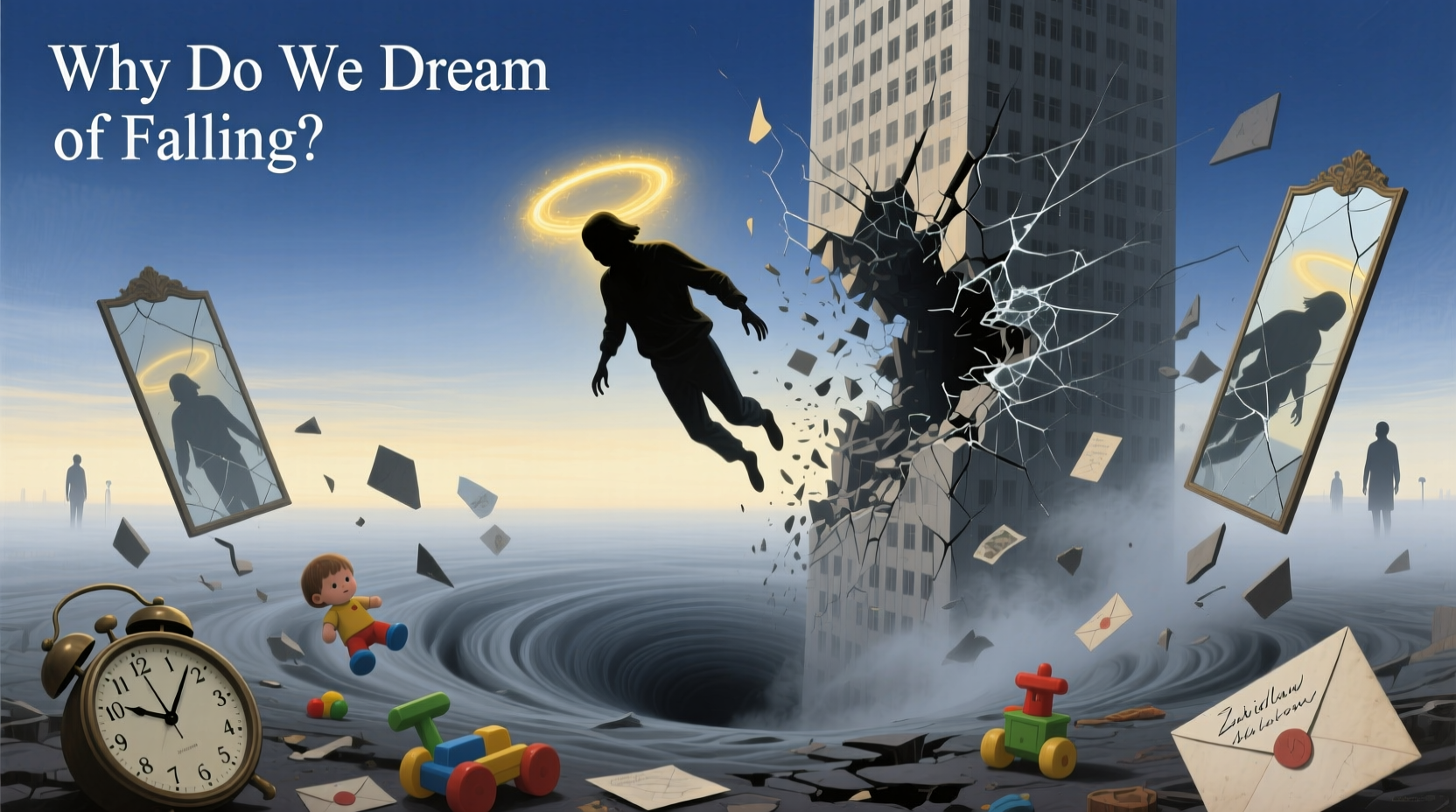
One of the most well-documented explanations for falling dreams lies in the physiology of sleep onset. As the body transitions from wakefulness to sleep, particularly during the hypnagogic phase (the period just before full sleep), muscles begin to relax. The brain may misinterpret this relaxation as a sign of actual physical collapse, triggering a protective reflex known as a hypnic jerk—or sleep start.
This sudden muscle contraction is often accompanied by a brief dream image of falling. It’s an evolutionary remnant, possibly linked to our primate ancestors who slept in trees and needed to remain alert to prevent falling. Even today, the brain remains vigilant during sleep transitions, scanning for threats—even imagined ones like losing balance.
Hypnic jerks are more likely under certain conditions:
- High caffeine or stimulant intake before bed
- Physical fatigue or irregular sleep schedules
- Stress or anxiety levels elevated before sleep
- Sleeping in unfamiliar environments
Psychological Triggers: Stress, Insecurity, and Loss of Control
Beyond biology, falling dreams frequently reflect emotional states. When analyzed through a psychological lens, these dreams often emerge during periods of instability, uncertainty, or perceived failure. The sensation of falling symbolizes a loss of control—over one’s career, relationships, health, or self-image.
Dr. Rosalind Cartwright, a pioneering researcher in dream psychology, observed that individuals going through divorce, job loss, or major life transitions reported significantly higher rates of falling and related nightmares. Her studies suggest that dreams act as emotional regulators, allowing the mind to process difficult feelings in a safe environment.
“Dreams of falling are rarely about gravity—they’re about grounding. They signal when we feel emotionally unmoored.” — Dr. Nora Velasquez, Clinical Psychologist and Sleep Researcher
Common psychological contexts include:
- Workplace pressure: Fear of underperforming or being replaced can manifest as falling from a height.
- Relationship insecurity: Doubts about trust or commitment may surface as dreams of slipping or losing grip.
- Financial anxiety: Worries about debt or economic instability often correlate with downward motion in dreams.
- Imposter syndrome: Feeling unworthy of success can trigger dreams where you're exposed and falling in public.
Sleep Stages and Dream Recall: When Falling Dreams Occur
Falling dreams can happen in various stages of sleep, but they are most memorable when they occur during REM (Rapid Eye Movement) sleep—the phase most associated with vivid dreaming. However, many falling dreams actually originate in non-REM sleep, particularly during the transition into stage 1 or 2.
Here's a breakdown of when different types of falling dreams typically occur:
| Sleep Stage | Type of Falling Dream | Wake-Up Likelihood | Emotional Intensity |
|---|---|---|---|
| Hypnagogic (pre-sleep) | Brief drop sensation, often with a jerk | Very High | Low to Moderate |
| NREM Stage 1–2 | Short fall, sometimes into water or darkness | High | Moderate |
| REM Sleep | Elaborate scenarios (falling from buildings, flying then dropping) | Moderate | High |
| Hypnopompic (waking up) | Fade-in dreams with falling theme | Variable | Low |
The timing affects how much detail you recall. Dreams during REM tend to be narrative-rich, while those in early sleep stages are fragmented but physically intense due to muscle twitches.
Symbolism Across Cultures and Belief Systems
In addition to scientific interpretations, falling dreams have been analyzed through cultural and spiritual frameworks. While modern psychology emphasizes internal emotional states, traditional systems often assign broader meanings.
In some Eastern philosophies, falling represents a descent into the unconscious or a need to reconnect with earthly realities. Jungian analysts interpret falling as a confrontation with the shadow self—an aspect of the psyche that has been repressed or ignored.
Freud, on the other hand, viewed such dreams more literally, linking them to repressed desires or fears of moral downfall. He suggested that falling could symbolize sexual inhibition or guilt, especially if the dreamer lands in water (a common Freudian symbol for emotion or the unconscious).
Despite differing interpretations, a shared thread emerges: falling dreams point to a moment of reckoning. Whether biological, emotional, or existential, they mark a threshold where stability is questioned.
Mini Case Study: Maria’s Recurring Fall Dreams
Maria, a 34-year-old project manager, began experiencing frequent falling dreams after being promoted to team lead. Initially excited, she soon felt overwhelmed by new responsibilities and feared making mistakes in front of senior leadership. For three weeks, she dreamed nightly of standing on a glass floor that cracked beneath her, sending her into a dark void.
She didn’t connect the dreams to stress until discussing them with a therapist. Through guided journaling, Maria realized the glass floor symbolized her fear of exposure—being seen as incompetent despite outward success. Once she acknowledged her imposter syndrome and began delegating tasks confidently, the falling dreams ceased within ten days.
This case illustrates how dreams serve as early warning systems. By paying attention to their patterns, individuals can identify hidden stressors before they escalate.
How to Interpret Your Own Falling Dreams
Not all falling dreams carry deep meaning. Some are purely physiological. But if they recur or evoke strong emotions, interpretation can be insightful. Consider the following checklist when analyzing your dream:
Checklist: Interpreting Your Falling Dream- When did the dream occur? (Sleep onset, middle of night, before waking?)
- What was the setting? (Building, nature, abstract space?)
- Were you alone or with others?
- Did you hit the ground or float/stop mid-fall?
- What emotion did you feel? (Fear, relief, curiosity?)
- Have there been recent changes in your life? (Job, relationship, health?)
- Are you avoiding a decision or feeling out of control?
A dream of falling without impact—such as floating down or landing softly—may indicate resilience or subconscious preparation for change. Conversely, hitting the ground hard often reflects unresolved anxiety or a sense of failure.
Landing in water adds another layer: water traditionally symbolizes emotion. Falling into calm water might suggest readiness to confront feelings, while turbulent waters could point to emotional chaos.
Practical Steps to Reduce Disturbing Falling Dreams
If falling dreams disrupt your sleep or cause distress, several evidence-based strategies can help reduce their frequency and intensity.
Step-by-Step Guide to Better Sleep and Fewer Nightmares
- Establish a wind-down routine: Spend 30 minutes before bed disconnecting from screens and engaging in calming activities like reading or meditation.
- Limit stimulants: Avoid caffeine, nicotine, and heavy meals at least 4–6 hours before bedtime.
- Practice mindfulness: Daily meditation or journaling helps process daytime stress before it enters dreams.
- Use imagery rehearsal therapy (IRT): Rewrite the dream while awake. Imagine yourself floating gently or transforming the fall into flight.
- Improve sleep hygiene: Keep your bedroom cool, dark, and quiet. Maintain a consistent sleep schedule even on weekends.
- Address underlying anxiety: If stress persists, consider speaking with a therapist, especially one trained in cognitive behavioral therapy for insomnia (CBT-I).
Studies show that IRT reduces nightmare frequency by up to 70% in chronic sufferers. Even occasional disturbing dreams can improve with consistent mental rehearsal.
FAQ
Are falling dreams a sign of a serious sleep disorder?
Generally, no. Occasional falling dreams are normal. However, if they consistently disrupt sleep or are accompanied by symptoms like sleep paralysis, excessive daytime fatigue, or muscle weakness, consult a sleep specialist. Conditions like narcolepsy or restless leg syndrome may contribute to disturbed sleep architecture.
Can medication cause falling dreams?
Yes. Certain antidepressants, blood pressure medications, and sedatives can alter dream patterns. Withdrawal from alcohol or benzodiazepines may also increase vivid dreaming, including falling scenarios. Always discuss side effects with your doctor before adjusting medication.
Do children dream about falling more than adults?
Children report falling dreams less frequently than adults, despite having more active REM cycles. This may be due to underdeveloped emotional processing or limited ability to recall dreams. However, when children do dream of falling, it’s often linked to separation anxiety or developmental milestones like starting school.
Conclusion: Listening to the Language of Dreams
Dreams of falling are not random glitches in the sleeping mind. They are meaningful signals—part biological reflex, part emotional echo—that reveal how we navigate stability, fear, and change. Whether sparked by a twitching muscle or a buried worry, these dreams invite introspection. By understanding their causes and meanings, we gain greater awareness of our inner world.
Rather than dismissing them as strange or frightening, treat falling dreams as messengers. Pay attention to their timing, context, and emotional tone. Use them as prompts to assess your stress levels, reassess priorities, and restore balance. With mindful reflection and healthy sleep habits, what once felt like a plunge into chaos can become a step toward deeper self-understanding.
💬 Have you experienced falling dreams? What do you think they mean for you? Share your story in the comments and join the conversation about the hidden wisdom of sleep.