
Flags flying at half-mast across North Carolina are a solemn sight, often signaling a moment of mourning, remembrance, or national tragedy. If you've noticed the American or state flag lowered recently, you're likely wondering why—and whether it's due to a presidential proclamation, a gubernatorial order, or a local directive. Understanding the reasons behind these actions requires awareness of both federal protocols and state-level decisions made by North Carolina’s leadership.
This article explains the current status of flags in North Carolina, breaks down the official processes for lowering them, and provides insight into recent events that have prompted such gestures. Whether you're a resident, public official, educator, or simply a concerned citizen, knowing the meaning behind this symbolic act fosters respect and informed civic engagement.
What Does Flying a Flag at Half-Mast Mean?
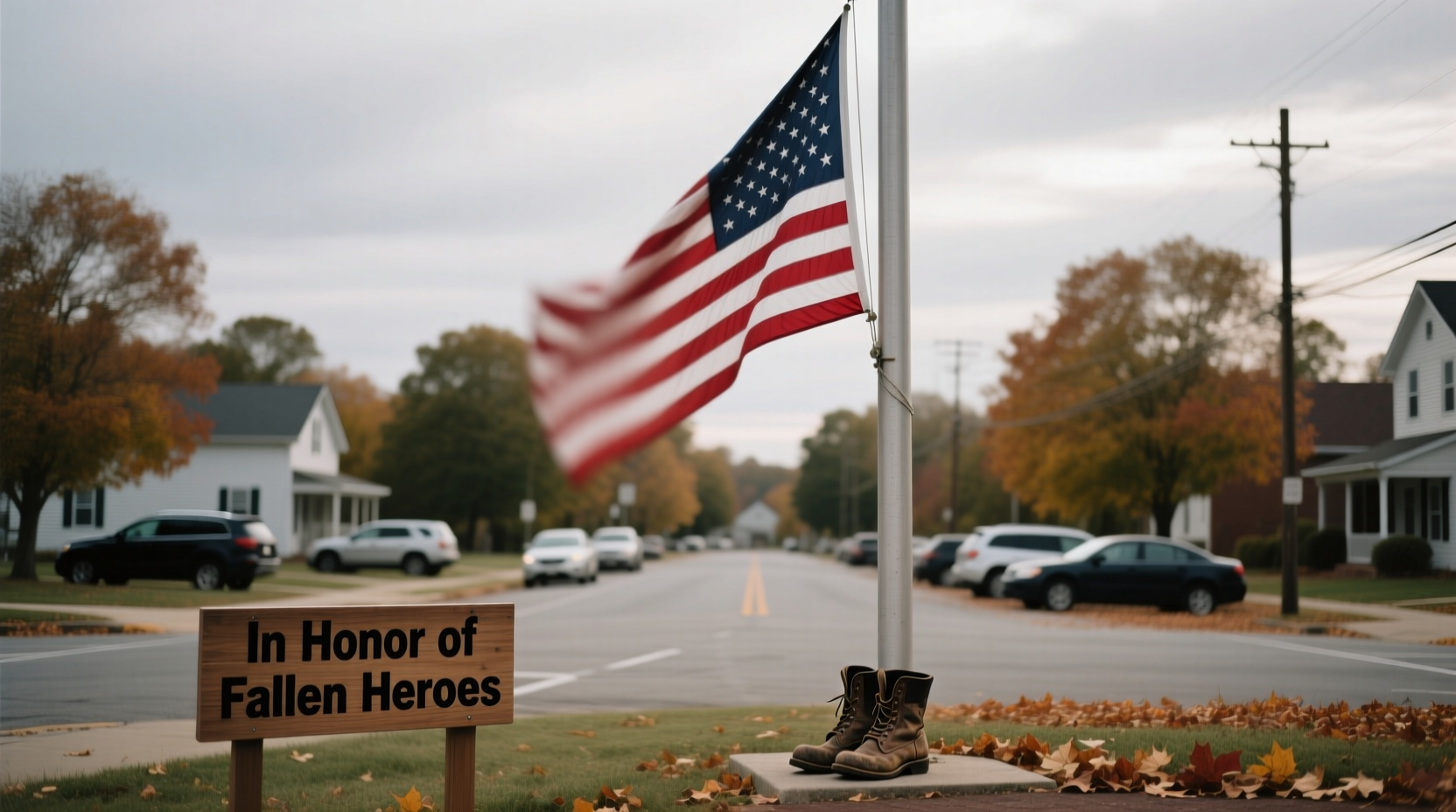
Flying a flag at half-mast (or half-staff when attached to a building) is a time-honored tradition signifying national or state mourning. It is typically done to honor individuals who have made significant contributions to public life—such as military personnel, government leaders, or first responders—or to mark tragedies affecting communities or the nation.
The gesture dates back centuries, with origins in maritime customs where lowering a flag was believed to make room for the invisible \"flag of death.\" Today, it serves as a visual cue of collective grief, respect, and solidarity.
“Lowering the flag is not just protocol—it’s a shared expression of loss and unity.” — Dr. James Holloway, Historian, University of North Carolina
Who Has the Authority to Order Flags Lowered in North Carolina?
In North Carolina, the power to issue flag-lowering orders lies primarily with two authorities:
- The President of the United States: Issues proclamations for federal buildings and nationwide observances.
- The Governor of North Carolina: Can order state and local government facilities to lower flags within the state.
Local governments may also follow suit independently, especially after incidents involving local heroes or community losses, though they typically align with state directives.
When both federal and state orders coincide, the duration and scope of the half-mast period may be extended or adjusted accordingly.
Recent Executive Orders from the Governor’s Office
As of the most recent updates in 2024, Governor Roy Cooper has issued several proclamations ordering flags to fly at half-mast in honor of fallen law enforcement officers, firefighters, and military service members from North Carolina.
One notable instance occurred in early June 2024, when Governor Cooper directed all state flags to be lowered following the line-of-duty death of Officer Marcus Reed of the Fayetteville Police Department. The order remained in effect until sunset on the day of his funeral.
Additionally, during National Peace Officers Memorial Week (May 12–18), flags were lowered statewide in accordance with both a presidential proclamation and a concurrent gubernatorial directive.
Tip: To verify if flags should currently be at half-mast, check the official website of the North Carolina Governor’s Office ( governor.nc.gov) or the U.S. Department of Veterans Affairs’ flag status page.Common Reasons for Half-Mast Observances in NC
North Carolina observes flag-lowering ceremonies under various circumstances. Below is a summary of typical triggers:
| Reason | Authority Issuing Order | Duration |
|---|---|---|
| Death of a sitting U.S. President or former President | President / Governor | 30 days from date of death |
| Death of Vice President, Chief Justice, or Speaker of the House | President | 10 days |
| Fallen North Carolina service member killed in combat | Governor | Until burial or memorial day |
| Line-of-duty death of police officer, firefighter, or EMS provider | Governor (upon request) | Day of funeral or interment |
| National days of mourning (e.g., mass casualty events) | President | As specified in proclamation |
| Memorial Day (National Moment of Remembrance) | Congressional resolution | Until noon only |
How to Verify Current Flag Status in North Carolina
If you're unsure whether flags should be at half-mast today, follow this step-by-step verification process:
- Visit the Governor’s Official Website: Go to governor.nc.gov and search “flag proclamation” or “half-staff” in the newsroom section.
- Check Federal Sources: Visit the White House website (whitehouse.gov) for presidential proclamations affecting federal installations.
- Review Local Government Announcements: City and county websites often post flag status updates for municipal buildings.
- Monitor Reputable News Outlets: Major NC news sources like WRAL, WNCN, or The News & Observer frequently report on recent flag orders.
- Contact Your Municipal Clerk: For homeowners or private organizations displaying flags, contacting local government offices can clarify expected practices.
Case Study: Honoring Fallen First Responders in Winston-Salem
In March 2024, the city of Winston-Salem lowered flags after Firefighter Daniel Pruitt died while battling a warehouse blaze downtown. The incident sparked an outpouring of community support and triggered a formal request to Governor Cooper’s office to lower state flags.
Within hours, the governor issued Executive Order No. 24-27, directing all state-owned buildings to fly flags at half-mast until sunset on April 5—the day of Firefighter Pruitt’s funeral. The city followed suit, and residents across Forsyth County voluntarily lowered their own flags.
Schools held moments of silence, and emergency services departments observed a roll call tribute. This case illustrates how personal tragedy can become a statewide moment of reflection, unified through symbolic acts like flag-lowering.
Proper Etiquette When Flying the Flag at Half-Mast
Correctly displaying the flag at half-mast involves more than just lowering it halfway. According to the U.S. Flag Code, the proper method is:
- Raise the flag briskly to the peak of the pole first.
- Then lower it slowly to the half-mast position.
- Before lowering for the day, raise it to the peak again before descent.
This sequence symbolizes that the nation’s spirit is not diminished, even in mourning.
Tip: Use a rope and pulley system carefully to avoid damaging the flag. Never let the flag touch the ground during raising or lowering.Do’s and Don’ts of Half-Mast Display
| Do’s | Don’ts |
|---|---|
| Follow official proclamations from recognized authorities | Lower the flag without an official order (except in rare personal cases, e.g., family member in military) |
| Ensure the flag does not touch the ground | Leave the flag at half-mast beyond the designated time |
| Observe moments of silence or reflection | Use the occasion for political statements or commercial promotion |
| Inform others about the reason for the lowered flag | Ignore the significance—treat it as routine |
Frequently Asked Questions
How long do flags stay at half-mast in North Carolina?
The duration depends on the reason. For fallen service members or first responders, flags are usually lowered until the day of interment. Presidential proclamations may specify longer periods, such as 30 days for a deceased president.
Can private citizens lower their flags at half-mast?
Yes, private individuals may choose to lower their own flags to show respect, even if no official order exists. However, it's recommended to follow official guidance to maintain consistency and meaning.
Where can I find archived flag proclamations from North Carolina?
Past executive orders related to flag displays are available in the North Carolina Register and on the Secretary of State’s website. The Governor’s Office also maintains a public archive of press releases and proclamations.
Conclusion: A Symbol That Speaks Volumes
The sight of a flag at half-mast carries profound emotional weight. In North Carolina, these gestures reflect a culture of respect for those who serve, sacrifice, and shape the state’s identity. Whether prompted by a national crisis or a local loss, each lowered flag reminds us of shared values—duty, honor, and remembrance.
Staying informed about current flag orders isn't just about compliance; it's about participation in a meaningful civic tradition. By understanding the reasons behind these acts, verifying official sources, and observing proper etiquette, every resident can contribute to a more respectful and united community.
💬 Did you see flags at half-mast today? Share your observations or thoughts in the comments below. Let’s keep the conversation about remembrance and respect alive.