Planning a wedding is one of life’s most exciting milestones—but it can also be overwhelming. With hundreds of decisions to make, from venue selection to floral arrangements, many couples wonder whether they should hire a full-service wedding planner or just a day-of coordinator. The answer depends on your budget, timeline, experience level, and how much stress you’re willing to manage yourself.
The distinction between a wedding planner and a day-of coordinator isn’t always clear, especially when vendors use these terms interchangeably. Understanding what each role entails—and when you truly need one over the other—can save you time, money, and emotional energy during this pivotal moment in your life.
What Is a Wedding Planner?
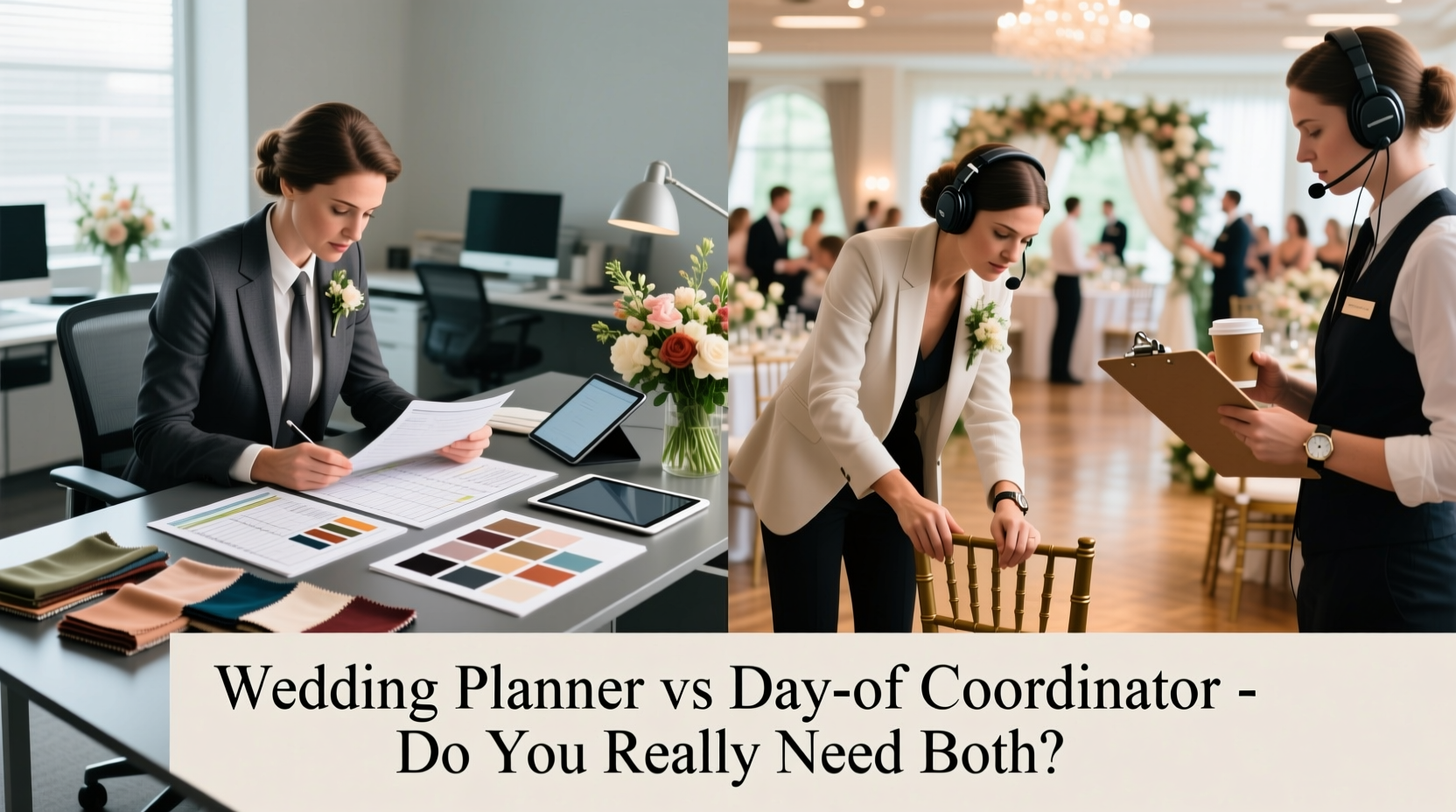
A wedding planner is involved in every phase of your wedding journey, typically beginning 9–18 months before the big day. Their responsibilities span from initial concept development to final execution. They act as your project manager, advocate, and creative partner throughout the entire process.
Key duties of a full-service wedding planner include:
- Creating a comprehensive wedding vision based on your preferences and budget
- Developing a detailed timeline and vendor management plan
- Researching, recommending, and negotiating contracts with vendors (caterers, photographers, florists, etc.)
- Organizing site visits and managing logistics across multiple locations
- Overseeing design elements like décor, seating charts, and ambiance
- Managing budgets, tracking payments, and adjusting plans as needed
- Handling communication between all parties, including family members
- Coordinating rehearsals and conducting pre-wedding meetings
- Supervising setup and breakdown on the wedding day
Because of their deep involvement, wedding planners often build strong relationships with local vendors and have insider knowledge about availability, pricing, and quality. This access can result in better deals and smoother coordination.
Tip: If you're planning a destination wedding or working with complex logistics (multiple venues, cultural ceremonies, large guest lists), a full-service planner is almost always worth the investment.What Does a Day-of Coordinator Do?
A day-of coordinator steps in 4–8 weeks before the wedding to take over final logistics. Unlike a full-service planner, they don’t help with vendor selection or long-term planning. Instead, they ensure that everything you’ve already arranged runs smoothly on the actual wedding day.
Typical responsibilities include:
- Reviewing your existing vendor contracts and timelines
- Creating a detailed hour-by-hour run sheet for the wedding day
- Confirming arrival times and load-in schedules with all vendors
- Managing setup and tear-down crews at the venue
- Acting as the main point of contact for vendors on-site
- Handling last-minute changes or emergencies calmly and efficiently
- Ensuring transitions between ceremony, cocktail hour, reception, and send-off are seamless
- Overseeing timeline adherence without disrupting the couple’s experience
Day-of coordinators are ideal for couples who have already booked most of their vendors and created a rough plan but want professional oversight to prevent chaos on the big day. They bring calm, organization, and expertise when emotions run high.
“We had a bride whose florist didn’t show up until an hour after the ceremony started. The day-of coordinator quickly rearranged the timeline, coordinated with the photographer to capture alternative moments, and reassured the couple so they never even noticed the delay.” — Sarah Lin, Senior Wedding Coordinator, Everly Events
Comparing Roles: When to Choose Which Option
The decision between hiring a wedding planner and a day-of coordinator ultimately comes down to three factors: time, confidence, and complexity.
| Factor | Choose a Wedding Planner | Choose a Day-of Coordinator |
|---|---|---|
| Timeline | You’re starting 9+ months out and need guidance from the beginning | You’ve already made most major decisions and only need final execution support |
| Budget Management | You need help allocating funds, negotiating prices, and avoiding overspending | You’ve already paid deposits and just need someone to manage timing and flow |
| Vendor Experience | You don’t know where to start or lack trust in vendor reliability | You’ve researched and hired reputable vendors independently |
| Stress Tolerance | You feel overwhelmed by details or lack time due to work/family commitments | You enjoy DIY planning but want peace of mind on the wedding day |
| Event Complexity | Destination wedding, multi-day events, cultural traditions, or 150+ guests | Intimate gathering, single location, minimal décor changes |
Real Example: Two Couples, Two Choices
Couple A: Emily and James began planning their Napa Valley wedding 14 months in advance. Neither had event experience, and both worked full-time. They hired a full-service planner who helped them choose a vineyard venue, curated a list of trusted caterers, managed RSVPs through a custom website, and designed a cohesive aesthetic. The planner handled a sudden rainstorm by moving the ceremony indoors seamlessly—something the couple later said saved their sanity.
Couple B: Maya and Diego planned their 75-guest backyard wedding themselves using Pinterest and Google Sheets. Four weeks before the date, they realized they had no system for vendor coordination or timeline execution. They hired a day-of coordinator for $1,200. That person created a master schedule, directed the DJ when to start music, ensured food was served on time, and even reminded the officiant to grab the marriage license. “We got to actually enjoy our wedding,” Maya said. “She was our invisible guardian angel.”
Step-by-Step Guide: How to Decide What You Need
Follow this practical timeline to determine which type of professional support makes sense for your situation:
- Assess Your Starting Point (Today – 12 Months Out)
If you haven’t chosen a venue, set a budget, or contacted any vendors, consider a full-service planner. Early guidance prevents costly mistakes. - Evaluate Your Available Time (Ongoing)
If you spend more than 5 hours per week thinking about wedding tasks—or dread opening your inbox—professional help may reduce burnout. - Review Vendor Contracts (6–8 Months Out)
Have you signed with a photographer, caterer, band, and rental company? If yes, you’re likely far enough along to consider switching to a day-of coordinator. - Create a Draft Timeline (2–3 Months Out)
Try building a minute-by-minute schedule for your wedding day. If you struggle with sequencing, transportation logistics, or meal service timing, a coordinator can fill those gaps. - Determine Final Needs (1 Month Out)
If all vendors are confirmed, décor is ordered, and you have a clear vision, a day-of coordinator may suffice. If you’re still scrambling to book key services, upgrade to a planner—even a partial-planning package may help.
Common Misconceptions About Wedding Professionals
Several myths persist about what planners and coordinators do—and don’t do:
- Myth: “A day-of coordinator will fix problems I create by not planning enough.”
Reality: Coordinators execute your plan—they don’t design it. If key vendors aren’t booked or permits aren’t secured, they can’t magically solve those issues. - Myth: “Planners are only for wealthy couples.”
Reality: Many planners offer tiered packages. Some charge flat fees ($2,000–$5,000), while others take a percentage of total budget (10–15%). There are affordable options tailored to modest budgets. - Myth: “I can just ask my sister or best friend to coordinate.”
Reality: Well-meaning loved ones often lack training in crisis management, vendor negotiation, or timeline precision. On your wedding day, they should be enjoying the moment—not troubleshooting sound systems.
Frequently Asked Questions
Can I hire a day-of coordinator instead of a planner to save money?
Yes—if you’ve done thorough prep work. A day-of coordinator typically costs $800–$2,500, compared to $3,000–$10,000+ for full-service planning. But remember: you get what you pay for. If you skip essential planning steps, even the best coordinator can’t guarantee smooth sailing.
Do venues provide coordination services?
Some venues include a “venue coordinator” as part of the rental fee. However, their primary loyalty is to the venue, not you. They’ll ensure tables are set and trash is removed, but they won’t manage your personal vendors, adjust timelines, or handle family conflicts. Always supplement with an independent coordinator if relying solely on venue staff.
Is it too late to hire someone now?
It’s rarely too late. Even two weeks before the wedding, a skilled day-of coordinator can review contracts, create a timeline, and serve as your point person. While earlier engagement is ideal, professionals often accommodate last-minute requests—especially during off-season months.
Checklist: Should You Hire a Planner or Coordinator?
Use this checklist to clarify your needs:
- ☐ I know my total wedding budget and have allocated funds to major categories
- ☐ My venue is booked and I understand its rules and restrictions
- ☐ At least 80% of my vendors (photographer, catering, music, rentals) are contracted
- ☐ I’ve created a draft timeline for the wedding day
- ☐ I feel confident managing vendor communications in the final month
- ☐ I’m okay handling unexpected issues (weather, delays, guest problems) myself
If you answered “yes” to four or more, a day-of coordinator is likely sufficient. If three or fewer apply, investing in a full-service or partial planner could prevent avoidable stress.
Final Thoughts: Peace of Mind Has Value
At the end of the day, the choice between a wedding planner and a day-of coordinator isn’t just about cost—it’s about experience. Your wedding day should be joyful, memorable, and meaningful. It shouldn’t be spent worrying about whether the cake arrived or if the DJ knows when to play the first dance.
Professional coordination, even if limited to the final month, provides structure, reduces anxiety, and ensures your vision comes to life exactly as intended. Whether you opt for full-service planning or targeted day-of support, know that seeking help isn’t a sign of weakness—it’s a smart, strategic move.
As one bride put it: “I thought I could handle everything myself. I didn’t realize how emotional the week before the wedding would be. Having someone to just *handle* things—without me having to explain or worry—was priceless.”
💬 Ready to make your decision? Reach out to two or three local planners or coordinators for consultations. Ask about their packages, availability, and philosophy. Once you find the right fit, you’ll wonder how you ever considered going it alone.