Types of Unusual Antiques Sale
An unusual antiques sale offers collectors and enthusiasts a unique opportunity to acquire rare, historically significant, and artistically distinctive items that stand apart from common vintage finds. These curated sales often feature pieces with extraordinary craftsmanship, cultural significance, or eccentric design elements that make them highly sought after. Whether you're a seasoned collector or a curious newcomer, understanding the major categories can help you identify valuable and intriguing pieces.
Unusual Antique Furniture Sale
For those captivated by history, design, and craftsmanship, unusual antique furniture sales present rare and extraordinary pieces that transcend ordinary decor. These items often reflect the artistic movements, cultural values, and technological limitations of their time. From Victorian opulence to minimalist mid-century innovation, each piece tells a story. Notable categories include:
- Victorian Era Pieces
Renowned for their ornate carvings, rich materials, and dramatic silhouettes, Victorian furniture often features intricate inlays, gilded accents, and luxurious upholstery. Unusual variations include asymmetrical designs, experimental joinery, or use of rare woods such as zebrawood or rosewood, making them prized by collectors of 19th-century decor.
- Mid-Century Modern Designs
Characterized by clean lines, organic forms, and functional elegance, these pieces were revolutionary in the 1940s–1970s. Rare finds include dual-purpose furniture (e.g., a coffee table that transforms into a dining table) or those with avant-garde geometric shapes crafted by lesser-known designers. These items are increasingly valuable due to their influence on contemporary design.
- Gothic Revival Antiques
Inspired by medieval architecture, these 19th-century pieces feature pointed arches, trefoil motifs, and elaborate tracery. Often made from dark hardwoods like walnut or oak, they showcase hand-carved details and ecclesiastical influences. Their dramatic aesthetic makes them standout statement pieces in eclectic or historical interiors.
- Japanese Antiques
These items reflect the Japanese aesthetic of wabi-sabi—beauty in imperfection and transience. Rare offerings include fusuma (sliding panels), byōbu (folding screens), netsuke (miniature toggles), and inro (stacked cases for medicines). Crafted with precision and symbolism, these pieces are not only decorative but also culturally profound.
Antique Jewelry Sale
Antique jewelry sales offer wearable art with deep historical and emotional resonance. These pieces often reflect the social customs, technological advances, and artistic trends of their eras. Unusual examples stand out due to their materials, symbolism, or craftsmanship. Notable categories include:
- Victorian Mourning Jewelry
Created as memorials to the deceased, these pieces often incorporate human hair encased in lockets, jet black gemstones, or enamelwork in somber tones. Designs include weeping willows, urns, and angels—symbols of loss and remembrance. Their emotional depth and craftsmanship make them fascinating to historians and collectors alike.
- Art Nouveau Brooches
Flourishing between 1890 and 1910, Art Nouveau jewelry features flowing, nature-inspired forms—dragonflies, flowers, and serpents rendered in enamel, gold, and semi-precious stones. These brooches are celebrated for their sculptural quality and artistic daring, often blurring the line between jewelry and fine art.
- Georgian Seed Pearl Pieces
Dating from 1714 to 1837, Georgian jewelry often features seed pearls meticulously arranged into intricate patterns resembling tiny sculptures. Unusual pieces include floral motifs, animal forms, or celestial themes. Due to their age and fragility, complete and well-preserved examples are exceptionally rare and valuable.
- Chinese Enamel Bangles
These vibrant, intricately decorated bangles were worn by Qing Dynasty nobility. Crafted with cloisonné or painted enamel techniques, they feature auspicious symbols like dragons, phoenixes, and lotus blossoms in brilliant colors. Their fine craftsmanship and cultural significance make them highly collectible.
Unusual Antique Art Sale
For art lovers seeking originality and historical depth, unusual antique art sales offer rare works that defy mainstream trends. These pieces often represent niche movements, forgotten artists, or unique cultural expressions. Highlights include:
- 19th Century Posters
While many posters from this era were mass-produced for advertising, rare examples feature experimental lithography, politically charged imagery, or artwork by emerging artists like Toulouse-Lautrec. Unusual themes—such as early feminist messages or exoticized depictions of foreign cultures—add historical intrigue and collectible value.
- Rare Persian Miniatures
These exquisite, small-scale paintings originate from Persian manuscripts and depict courtly life, mythology, or poetic scenes. Rendered in vivid pigments with gold leaf accents, they showcase extraordinary detail—sometimes requiring a magnifying glass to fully appreciate. Their fusion of art, literature, and spirituality makes them treasured by museums and private collectors.
- Unusual Antique Ceramics Artwork
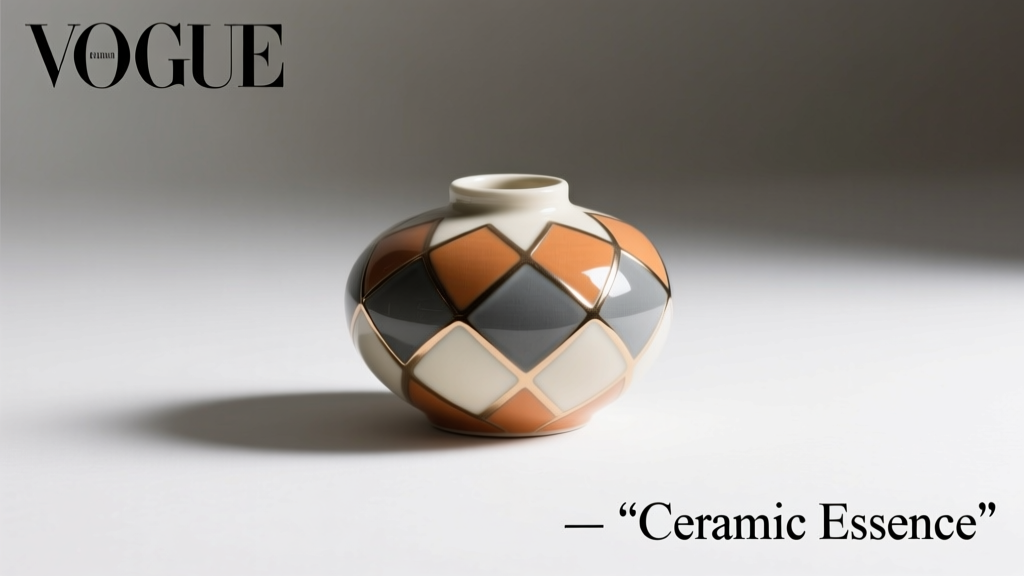
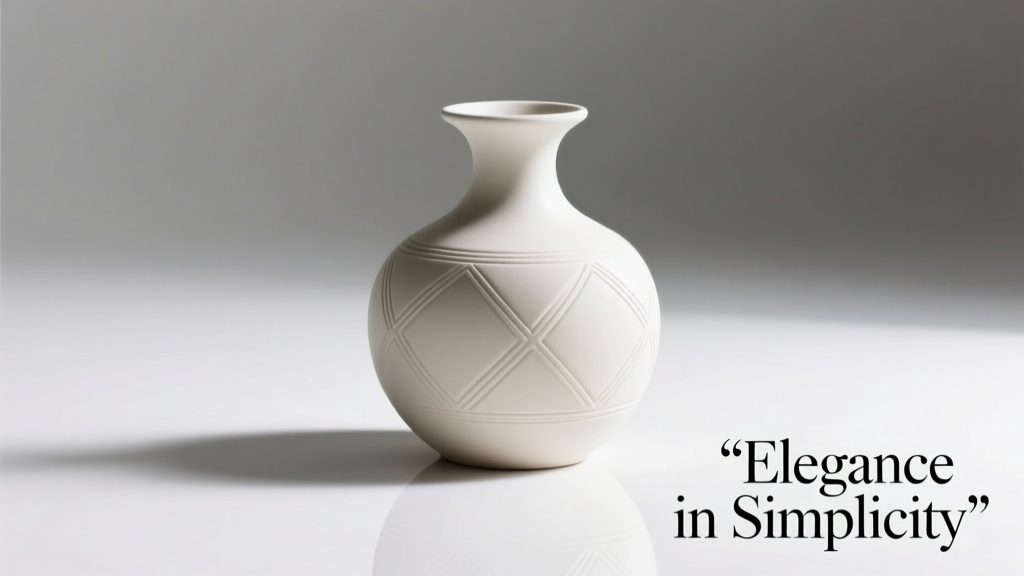
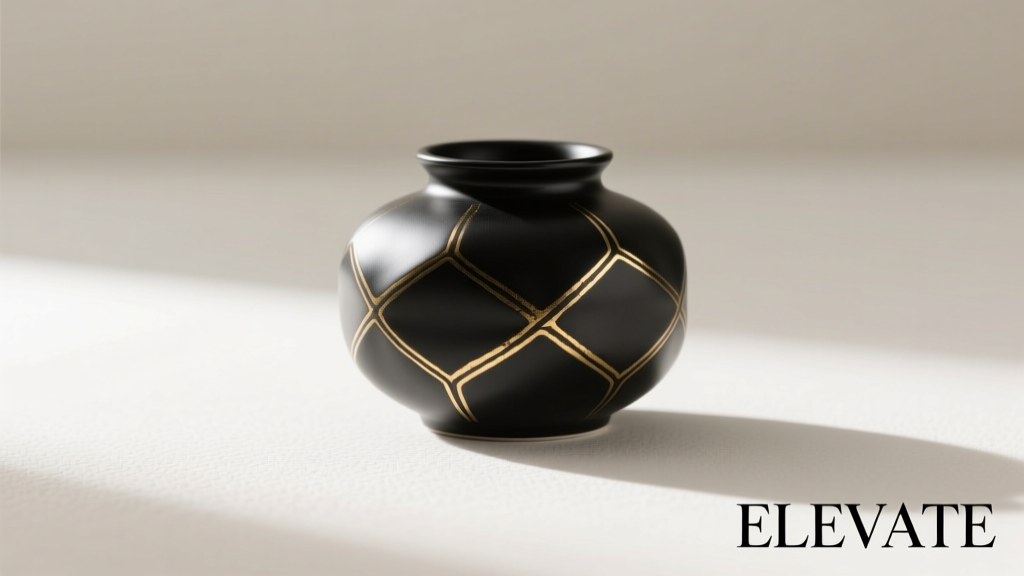
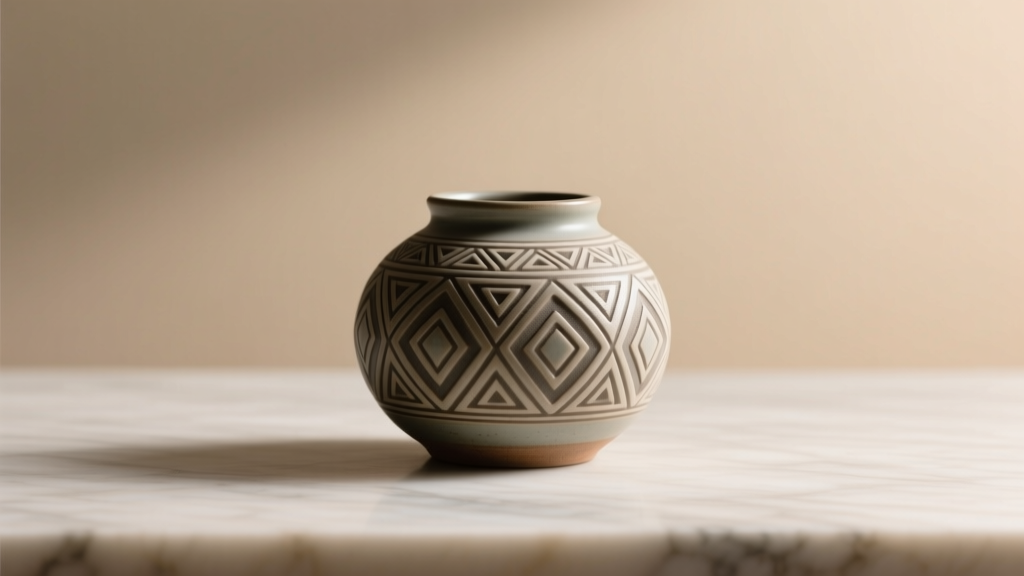
From Ming Dynasty vases to Art Nouveau pottery, ceramic art in unusual sales often includes experimental glazes, anthropomorphic shapes, or symbolic decorations. Pieces may come from renowned studios like Wedgwood or lesser-known regional kilns, offering both aesthetic beauty and historical insight into trade, religion, and daily life.
| Category | Era/Origin | Key Features | Rarity Level | Collector Appeal |
|---|---|---|---|---|
| Victorian Furniture | 1837–1901, Europe | Intricate carvings, rare woods, asymmetrical designs | High | Historical & Decorative |
| Mid-Century Modern | 1940s–1970s, Global | Geometric shapes, dual-function design | Moderate | Design Enthusiasts |
| Victorian Mourning Jewelry | 19th Century, UK | Human hair inlays, jet stones, symbolic motifs | Very High | Historical & Emotional |
| Art Nouveau Brooches | 1890–1910, Europe | Nature-inspired, enamel work, flowing lines | High | Art & Fashion Collectors |
| Persian Miniatures | 16th–18th Century, Persia | Miniature detail, gold leaf, poetic themes | Very High | Art & Cultural Historians |
| Chinese Enamel Bangles | Qing Dynasty, China | Vivid enamels, symbolic patterns, fine craftsmanship | High | Luxury & Cultural Collectors |
Expert Tip: When purchasing unusual antiques, always verify authenticity through provenance documentation, expert appraisal, or material analysis. Rare pieces often attract forgeries, especially in high-demand categories like Persian miniatures and Georgian jewelry.
The Art and Allure of Design in Unusual Antiques Sales
Design is at the heart of every unusual antiques sale, serving as both a visual magnet and a historical narrative. The craftsmanship, stylistic details, and aesthetic philosophies of bygone eras converge in these collections, captivating collectors, historians, and interior designers alike. Unlike mass-produced modern items, antique pieces reflect the cultural values, technological limitations, and artistic sensibilities of their time—making each item a unique artifact of design evolution.
Historical Influence on Antique Design
Antique designs are deeply rooted in the fashion and functionality of their respective periods. From Victorian opulence to Art Nouveau fluidity, the stylistic trends of past centuries continue to influence today’s appreciation of vintage aesthetics. These designs often feature intricate detailing, hand-carved embellishments, and materials no longer commonly used, which contribute to their rarity and appeal.
For example, an 18th-century telescope wasn’t merely a scientific instrument—it was a symbol of status and artistry. Crafted from brass, silver, and wood, and adorned with elaborate engravings and inlays, such telescopes combined utility with luxury. In contrast, modern equivalents prioritize precision and portability, sacrificing ornamental beauty for efficiency. Collectors value antique instruments not just for their age, but for the storytelling embedded in their design.
Global Design Diversity
Unusual antiques sales often showcase a rich tapestry of international styles, reflecting the diverse cultural origins of their pieces. A single auction might include a Japanese lacquered cabinet from the Edo period, a Moorish-influenced brass lantern from North Africa, and a Gothic revival writing desk from 19th-century England.
This global variety allows buyers to explore cross-cultural design philosophies—such as the minimalist elegance of Scandinavian folk art or the symbolic ornamentation of Indian Rajput craftsmanship. The interplay of regional materials, religious motifs, and local techniques results in one-of-a-kind items that transcend mere functionality.
Era-Specific Design Movements
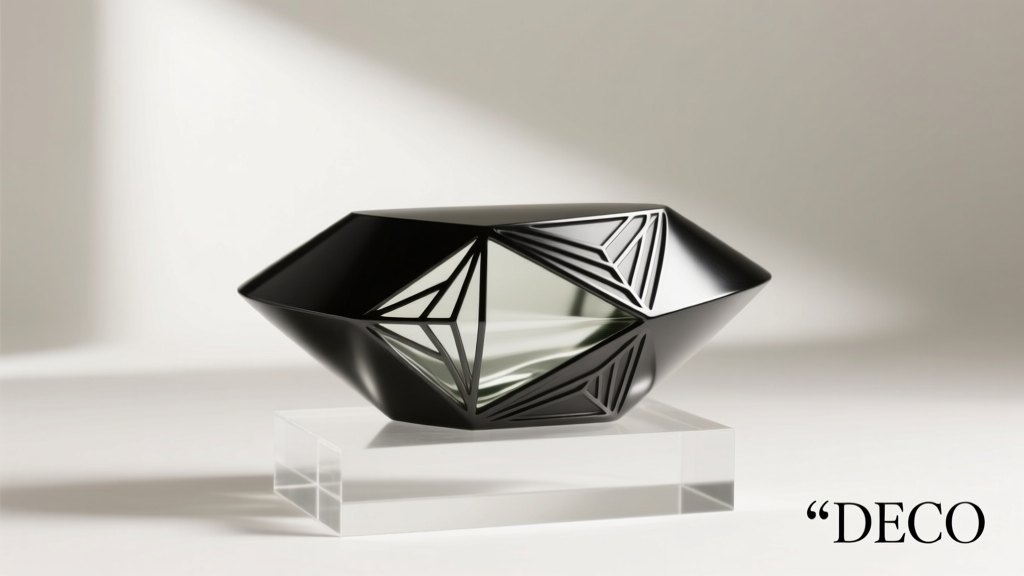
Many unusual antiques sales are curated around specific historical design periods, offering a focused exploration of artistic trends. For instance, an Art Deco-themed sale might feature geometric furniture, chrome finishes, and bold color contrasts inspired by the 1920s and 1930s.
Conversely, some sales embrace eclecticism, blending Renaissance, Baroque, Mid-Century Modern, and Industrial designs into a single event. This diversity appeals to collectors seeking conversation-starting pieces that defy categorization and challenge conventional interior design norms.
Unconventional and Rare Design Features
What sets unusual antiques sales apart is the presence of items with eccentric or enigmatic design elements. These may include:
- Oddly Proportioned Furniture: Chairs with exaggerated backs, tables with asymmetrical legs, or cabinets with hidden compartments and secret drawers.
- Symbolic Engravings: Objects carved with alchemical symbols, mythological scenes, or cryptic inscriptions that hint at their original use or owner’s beliefs.
- Unique Lighting Fixtures: Chandeliers with colored glass shades, candleholders shaped like animals, or electrified oil lamps converted in the early 20th century.
- Hybrid Functionality: Desks that double as book safes, mirrors with built-in spirit levels, or clocks integrated into mantelpieces with musical mechanisms.
| Design Period | Key Characteristics | Common Materials |
|---|---|---|
| Gothic (12th–16th c.) | Pointed arches, religious motifs, dark wood carvings | Oak, iron, stained glass |
| Art Deco (1920s–1930s) | Geometric patterns, bold lines, luxurious finishes | Chrome, bakelite, lacquered wood |
| Vintage Industrial (19th c.) | Rustic metalwork, exposed mechanics, utilitarian forms | Cast iron, brass, leather |
| Mid-Century Modern (1950s–60s) | Clean lines, organic shapes, functional minimalism | Teak, plywood, aluminum |
The Role of Condition in Design Value
While design is a primary attraction, the condition of an antique significantly influences its desirability and market value. Over time, items may suffer from wear, environmental damage, or improper restoration. Original finishes, intact hardware, and structural integrity enhance authenticity and value.
However, some flaws—like patina on metal or aged varnish on wood—are prized by collectors as signs of genuine age and character. Buyers must carefully assess whether restorative work has preserved the item’s original design intent or compromised its historical integrity.
Restoration Considerations
When purchasing unusual antiques, buyers should evaluate the extent of restoration needed. Some pieces may only require gentle cleaning or reupholstering, while others might need structural repairs or refinishing. Over-restoration can diminish value, especially if original materials are replaced or design details are altered.
Collector’s Intent
The buyer’s purpose—whether for display, functional use, or investment—will shape their approach to design and condition. A decorator may prioritize visual impact over authenticity, while a historian might seek untouched provenance. Understanding one’s goals ensures a satisfying acquisition.
Important: Unusual antiques sales often feature rare, once-in-a-lifetime finds—pieces so distinctive they may never reappear on the market. Due diligence is essential: verify authenticity, research provenance, and consult experts when needed. While the allure of unique design is powerful, informed decisions protect both your investment and the preservation of historical craftsmanship.
Scenarios of Unusual Antiques Sale
Unusual antique sales open a world of unique opportunities for collectors, designers, investors, and history enthusiasts alike. These specialized auctions and private sales go beyond traditional marketplaces, offering rare, historically significant, and artistically valuable items that serve a wide range of personal, professional, and financial purposes.
Each antique carries a story—of its era, craftsmanship, former owners, and cultural significance. Whether sourced from forgotten estates, international collections, or museum deaccessions, these pieces connect us to the past in tangible and meaningful ways.
Home Decor & Interior Design
Antiques bring timeless elegance and character to residential spaces. Unlike mass-produced furniture, each piece is one-of-a-kind, adding charm and authenticity to interiors.
- Vintage chandeliers, grandfather clocks, and ornate mirrors enhance the ambiance of living rooms and entryways
- Victorian writing desks or Art Deco cabinets serve as functional art pieces in home offices
- European armoires or Asian lacquerware add global flair and storage solutions
Design tip: Mix antique furnishings with modern décor for a balanced, eclectic aesthetic
Curated Collections
Unusual sales are a treasure trove for serious collectors seeking rare additions to their curated sets—whether focused on ceramics, timepieces, military memorabilia, or vintage books.
- Missing pieces from a porcelain dinner set can be completed through niche auctions
- Early 20th-century scientific instruments attract academic and private collectors
- Limited-run art prints or signed first editions gain immense value in complete collections
Collector’s insight: Provenance and condition significantly impact desirability and value
Historical & Educational Value
Many antiques possess deep historical significance, serving as primary sources for understanding past civilizations, technologies, and social movements.
- Original Civil War letters or World War II uniforms offer tangible links to pivotal events
- Antique maps and globes illustrate evolving geographical knowledge and political boundaries
- Museum-quality artifacts support educational programs and public exhibitions
Key benefit: Ownership of historically important items fosters personal connection to heritage
Commercial & Office Environments
Displaying antiques in workplaces—from law firms to boutique hotels—creates a distinguished atmosphere that impresses clients and sparks conversation.
- Antique safes, rotary phones, or vintage signage reinforce a brand’s legacy and authenticity
- Classic oil paintings or sculptures add sophistication to lobbies and meeting rooms
- Historic documents or framed patents highlight innovation and tradition
Business advantage: Thoughtfully placed antiques enhance brand identity and customer experience
Film & Theater Production
Authentic antiques are essential in film, television, and stage design to accurately recreate historical periods and immerse audiences in a specific era.
- Period-accurate furniture, lighting, and kitchenware ensure visual authenticity on set
- Costume accessories like pocket watches, brooches, or walking canes enhance character portrayal
- Props such as vintage typewriters or rotary telephones support narrative realism
Industry note: Rental houses and production designers frequently source from unusual antique sales
Photography & Artistic Projects
Photographers and artists use antiques as compelling props and backdrops to create evocative, timeless imagery.
- Rustic farm tables, old books, and weathered trunks add depth to still-life compositions
- Vintage clothing and accessories are popular in portrait and fashion photography
- Antique mirrors, frames, and architectural elements serve as creative set pieces
Creative tip: Combine lighting techniques with aged textures for dramatic visual contrast
Personalized Gifting
Antiques make deeply meaningful gifts, especially for milestone occasions like anniversaries, retirements, or heritage celebrations.
- A pocket watch engraved with a family date becomes a cherished heirloom
- An antique globe or map from a loved one’s birth year offers sentimental value
- Vintage jewelry with historical craftsmanship stands out from modern alternatives
Gift idea: Pair the antique with a story card detailing its origin and significance
Investment & Asset Diversification
While not as liquid as stocks, high-quality antiques can appreciate over time and serve as a hedge against inflation and economic volatility.
- Rare coins, fine art, and first-edition books have demonstrated long-term value growth
- Items with documented provenance and museum-quality condition command premium prices
- Diversified collections can outperform traditional assets during market downturns
Investor insight: Focus on rarity, demand, and preservation—key drivers of long-term appreciation
Expert Recommendation: When participating in unusual antique sales, conduct thorough research or consult specialists to verify authenticity and assess condition. Consider not only the current aesthetic or functional appeal but also the item’s long-term potential—whether as a family heirloom, investment, or centerpiece for creative projects. Always document provenance and store items properly to maintain their value.
| Use Case | Ideal Antique Types | Key Benefits | Considerations |
|---|---|---|---|
| Home Interior | Furniture, lighting, mirrors | Unique style, lasting quality | Size, restoration needs |
| Collection Building | Ceramics, books, coins | Rarity, historical value | Authentication, storage |
| Film/Photo Production | Props, costumes, tools | Authenticity, visual impact | Rental vs. purchase, fragility |
| Corporate Display | Art, documents, signage | Brand prestige, conversation starter | Security, insurance |
| Gift Giving | Jewelry, timepieces, maps | Emotional resonance, uniqueness | Personal relevance, packaging |
| Investment | Art, rare books, numismatics | Appreciation potential, diversification | Liquidity, market trends |
Additional Considerations
- Provenance Research: Items with documented ownership history often carry higher value and credibility
- Restoration vs. Preservation: Over-restoration can reduce value; consult experts before making changes
- Insurance & Security: High-value antiques require specialized coverage and secure display/storage
- Ethical Sourcing: Ensure items were legally acquired and not looted or illegally exported
- Environmental Care: Control humidity, light, and temperature to prevent deterioration
Specification & Maintenance Guide for Unusual Antiques Sales
Organizing a successful unusual antiques sale requires meticulous planning, expert handling, and deep knowledge of historical items. From preservation and transportation to valuation and sales strategy, every step must be executed with care to protect the integrity and value of rare pieces. This comprehensive guide provides essential insights into best practices for storing, handling, cleaning, and selling unique antiques while minimizing risks and maximizing returns.
Important Note: Antiques are irreplaceable cultural artifacts. Mishandling, improper cleaning, or unprofessional restoration can permanently reduce their historical and monetary value. Always consult conservation experts before making any interventions.
Proper Storage of Antiques
Correct storage is vital to preserving the condition and value of antiques. The method depends on the item's age, size, material composition, and fragility.
- Store valuable antiques in secure, climate-controlled environments to prevent damage from humidity, temperature fluctuations, and pests
- Use lockable display cabinets or storage units to protect against theft and accidental handling
- Line shelves with soft, non-abrasive materials (such as felt or acid-free cloth) to prevent scratching delicate surfaces
- Keep wooden items away from direct heat sources to avoid warping or cracking
- Store metal antiques with anti-tarnish strips to prevent oxidation
- Elevate items off the floor to avoid water damage in case of leaks or flooding
Safe Handling and Transportation
Moving antiques—especially during sales events—requires careful planning and protective measures to prevent damage.
- Always use cushioned packaging materials such as bubble wrap, foam padding, and moving blankets
- Place fragile items in sturdy cardboard boxes with ample internal support to prevent shifting
- Label boxes clearly with "Fragile" and "This Side Up" indicators
- Avoid dragging or sliding heavy items; use dollies with rubber wheels for smooth transport
- Never carry antiques by handles, lids, or protruding parts that may break under stress
- For high-value or extremely delicate pieces, consider hiring professional art handlers
Staff Knowledge and Item Documentation
Every team member involved in the sale should be well-informed about the inventory to ensure accurate representation and proper care.
- Train staff on the history, origin, maker, materials, and significance of each item
- Maintain detailed records including provenance, condition reports, and previous ownership
- Assign unique identification tags to each piece for tracking and reference
- Set prices based on condition, rarity, market demand, and expert appraisals—not just age
- Ensure all pricing reflects current market trends and recent auction results for comparable items
Optimal Sales Method: Auction Strategy
Auctions are often the most effective way to sell unusual antiques due to their ability to generate competitive bidding and transparent valuation.
- Auctions allow multiple buyers to determine fair market value through open bidding
- The seller sets a reserve price (minimum acceptable bid) to protect against undervaluation
- Live or online auctions increase visibility and attract collectors globally
- Transparency in the bidding process builds trust and reduces disputes
- Auction houses typically handle marketing, authentication, and payment processing
Expert Tip: Partner with a reputable auction house that specializes in antiques. Their expertise in authentication, marketing, and buyer outreach can significantly increase final sale prices.
Preservation of Historical Integrity
Antiques derive much of their value from authenticity and original condition. Preservation is key.
- Never attempt DIY restoration or refinishing—this can destroy patina and reduce value
- If repairs are necessary, consult a certified conservator who specializes in the specific material (wood, metal, ceramics, etc.)
- Accept natural aging signs like fading or minor wear; these contribute to authenticity
- Avoid replacing original parts unless absolutely necessary and document all changes
- Refrain from using modern adhesives or paints that may cause long-term damage
Safe Cleaning Practices
Cleaning must be done gently and with appropriate methods to avoid irreversible harm.
- Use minimal moisture—dampen a soft, lint-free cloth slightly rather than soaking the item
- Avoid commercial cleaners, especially on porous materials like wood or ivory
- Dust regularly with a microfiber cloth or soft brush
- For metal items, use specialized polishing cloths designed for antique finishes
- Test any cleaning method on an inconspicuous area first
- Never immerse antique furniture, documents, or textiles in water
Environmental Protection
Environmental factors are among the greatest threats to antique preservation.
- Keep antiques out of direct sunlight to prevent fading, warping, and UV damage
- Install UV-protective film on windows or use blackout curtains in display areas
- Maintain stable temperature (68–72°F) and humidity (45–55%) levels
- Use dehumidifiers in damp climates and humidifiers in dry environments
- Display sensitive items under glass cases when possible
Cost Management in Antique Sales
Organizing an antique sale involves various expenses, but smart planning can reduce overhead without compromising quality.
- Outsource non-specialized tasks like cleaning, labeling, and basic setup to temporary workers
- Avoid hiring expensive specialists for routine jobs—reserve expert services for appraisal and conservation only
- Negotiate fees with auction houses or consider hybrid models (consignment vs. full-service)
- Use digital tools to manage inventory, track bids, and process payments efficiently
- Leverage social media and online platforms for low-cost marketing and outreach
| Aspect | Best Practice | Risk of Neglect | Recommended Tools/Resources |
|---|---|---|---|
| Storage | Climate-controlled, secure, padded shelving | Cracking, warping, mold, theft | Dehumidifier, display cases, soft liners |
| Transport | Cushioned packaging, labeled boxes | Breakage, scratches, structural damage | Bubble wrap, foam, moving blankets, dollies |
| Cleaning | Minimal moisture, soft cloths | Surface erosion, discoloration | Microfiber cloths, distilled water, conservator |
| Sales Method | Professional auction with reserve price | Undervaluation, limited buyer pool | Auction house, online bidding platform |
| Staff Training | Detailed item knowledge and handling protocols | Misinformation, mishandling | Inventory database, training manuals |
Pro Tip: Digitize your entire inventory with high-resolution photos, detailed descriptions, and condition reports. This not only aids in marketing but also serves as a valuable record for insurance and provenance tracking.
Final Recommendations
- Always insure high-value antiques during storage, transport, and sale
- Document every step of the sales process for legal and financial accountability
- Build relationships with antique appraisers, restorers, and auction specialists
- Stay updated on market trends and collector preferences
- Preserve the story behind each piece—provenance enhances desirability and value
Selling unusual antiques is both an art and a science. By combining careful preservation, professional presentation, and strategic sales methods, you can ensure that these unique treasures find appreciative owners while maintaining their historical significance and market worth. When in doubt, seek expert guidance—preserving the past is a responsibility that demands respect and precision.
Frequently Asked Questions About Antiques
Q1: What is classified as an antique?An item is generally considered an antique if it is at least 100 years old, reflecting craftsmanship and design from a bygone era. This standard is widely accepted in the antiques community and by collectors around the world.
- Age Threshold: The 100-year benchmark is a common rule of thumb used by museums, auction houses, and customs authorities.
- Cultural Variations: Some countries or regions may classify items as antiques even if they are slightly younger—especially if they possess significant historical or artistic value (e.g., mid-20th century curio cabinets or designer furniture).
- Legal Definitions: In certain jurisdictions, such as for import/export or tax purposes, the legal definition of an antique may vary (e.g., 50 years in some U.S. customs regulations for specific goods).
Ultimately, while age is a key factor, the item’s rarity, condition, and provenance also influence its classification as a true antique.
Q2: What are the special features of an item regarded as an antique?Antiques are more than just old objects—they are valued for a combination of aesthetic, historical, and cultural qualities that distinguish them from modern reproductions or vintage items.
- Historical Significance: Many antiques offer a tangible connection to past events, periods, or lifestyles (e.g., Victorian-era furniture, wartime memorabilia).
- Artistic Craftsmanship: These items often showcase intricate handwork, such as hand-carved wood, hand-painted ceramics, or forged metalwork, reflecting the skills of artisans from earlier centuries.
- Cultural Value: Antiques can represent the traditions, beliefs, and social structures of the time and place they originated from.
- Authentic Materials: They are typically made from natural, high-quality materials like solid wood, brass, porcelain, or wool, which contribute to their durability and appeal.
- Provenance: A documented history of ownership can greatly enhance an item’s status and value.
Together, these characteristics make antiques desirable for collectors, historians, and interior designers seeking authenticity and timeless elegance.
Q3: Is there a minimum time for an object to become an antique?Yes, the most widely accepted minimum age for an object to be considered an antique is 100 years. However, this standard is not absolute and can vary depending on context:
| Context | Minimum Age | Notes |
|---|---|---|
| General Collecting | 100 years | Standard benchmark used by most collectors and dealers. |
| U.S. Customs Regulations | 100 years | Items over 100 years may qualify for duty-free import under cultural property agreements. |
| IRS Tax Rules (U.S.) | 20+ years | For tax deductions, items over 20 years may be treated as collectibles, though not always "antiques." |
| Modern Design Collecting | 50 years | Mid-century modern furniture (e.g., 1950s–60s) is often called "antique-style" or "collectible" even if under 100 years. |
While the 100-year rule remains the gold standard, exceptions exist—particularly in niche markets where cultural relevance and scarcity outweigh strict age requirements.
Q4: How are antiques appraised and evaluated?Professional appraisal is essential for determining the authenticity, condition, and market value of an antique. This process involves a detailed assessment conducted by a certified appraiser with expertise in specific categories (e.g., furniture, ceramics, fine art).
- Age Determination: Experts analyze construction techniques, materials, design styles, and maker’s marks to estimate when the item was made.
- Material Analysis: They identify the type of wood, metal, fabric, or glaze used, which can indicate origin and period.
- Condition Assessment: The item is examined for damage, repairs, restorations, or wear—factors that significantly affect value.
- Provenance Research: Appraisers may trace ownership history through documents, labels, or inscriptions to verify authenticity.
- Market Comparison: Values are based on recent auction results, private sales, and collector demand for similar items.
A formal appraisal report is often required for insurance, estate planning, or resale and typically includes photographs, descriptions, and a valuation statement.
Q5: What is the importance of rare antique sales and auctions?Rare antique sales—especially public auctions—play a vital role in the preservation, appreciation, and circulation of historically significant objects.
- Access to Rare Pieces: Auctions offer collectors the chance to acquire one-of-a-kind or limited-production items not available in regular markets.
- Historical Discovery: These events often bring to light previously unknown artifacts with rich backstories, contributing to cultural and academic knowledge.
- Investment Opportunities: Well-preserved antiques can appreciate in value over time, making them both decorative and financial assets.
- Interior Design Appeal: Unique antiques add character and sophistication to homes, blending timeless style with modern decor.
- Community Building: Antique sales connect enthusiasts, historians, and dealers, fostering appreciation for craftsmanship and heritage.
Whether you're a seasoned collector or a curious beginner, participating in antique sales can be a rewarding way to engage with history and discover treasures with enduring value.