Types of Medallion Stock
A medallion is more than just a decorative piece—it's a symbol of achievement, commemoration, heritage, or personal expression. Medallion stock comes in various types, each serving different purposes and catering to diverse aesthetic preferences. Understanding the different varieties can help collectors, businesses, and retailers make informed decisions when expanding a collection, creating custom pieces, or offering products to customers.
Traditional Medallion Stock
Featuring timeless designs with historical, cultural, or religious significance, traditional medallions are crafted to honor legacy and elegance.
Advantages
- High perceived value and prestige
- Appeals to collectors and heritage markets
- Often made from precious metals (gold, silver, bronze)
- Durable and heirloom-quality craftsmanship
Limitations
- Higher production cost
- May not appeal to younger or modern audiences
- Limited design flexibility due to traditional motifs
Best for: Collectors, museums, ceremonial awards, family heirlooms
Modern Medallion Stock
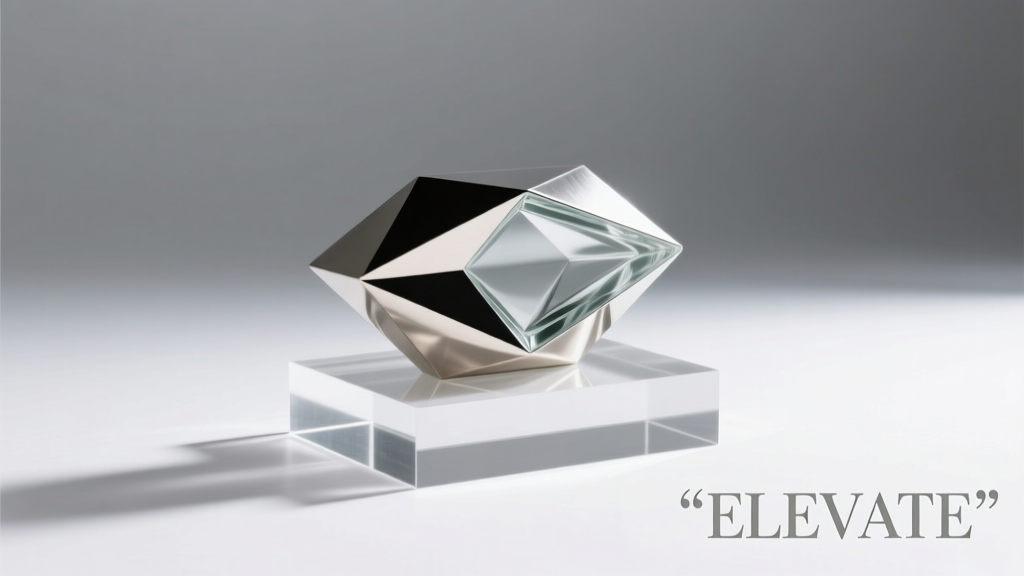
Defined by sleek, minimalist, or abstract designs, modern medallions use contemporary materials and aesthetics to appeal to trend-conscious consumers.
Advantages
- Appeals to younger demographics and fashion-forward buyers
- Uses cost-effective materials like stainless steel and acrylic
- Highly customizable with modern finishes and shapes
- Ideal for urban and lifestyle branding
Limitations
- May lack the emotional depth of traditional designs
- Less suitable for formal or ceremonial use
- Perceived as less valuable if made with non-precious materials
Best for: Fashion accessories, lifestyle brands, urban collectibles, gift items
Commemorative Medallion Stock
Created to honor milestones, events, or individuals, these medallions often include dates, names, logos, and symbolic imagery.
Advantages
- Serves as a lasting keepsake or tribute
- High emotional and sentimental value
- Popular for anniversaries, retirements, and memorials
- Commemorative medallion frames enhance display appeal and marketability
Limitations
- One-time or limited production runs
- Requires careful planning and design coordination
- May become outdated over time
Best for: Events, memorials, anniversaries, corporate milestones, historical tributes
Custom Medallion Stock
Offering full design control, custom medallions allow clients to personalize size, material, finish, engraving, and branding elements.
Advantages
- Complete creative freedom for clients
- Ideal for corporate branding, awards, and promotional gifts
- Strengthens customer loyalty and brand identity
- Can be produced in bulk or as one-off pieces
Limitations
- Longer lead times due to design approval process
- Higher cost for small production runs
- Requires skilled design and production oversight
Best for: Corporate awards, school insignias, promotional giveaways, personalized gifts
Functional Medallion Stock
These medallions go beyond decoration by incorporating practical uses such as keychains, bottle openers, or wearable tools.
Advantages
- Increases utility and daily use appeal
- Excellent for promotional and marketing campaigns
- Encourages brand visibility through regular use
- Appeals to practical-minded consumers
Limitations
- Design complexity increases production cost
- Potential durability issues with moving parts
- Limited space for detailed artwork or engraving
Best for: Corporate swag, event giveaways, utility-focused gifts, brand engagement tools
| Type | Material Commonly Used | Aesthetic Appeal | Primary Use Case | Target Audience |
|---|---|---|---|---|
| Traditional | Gold, Silver, Bronze | Classic, Elegant | Collectibles, Ceremonial Gifts | Collectors, Historians, Families |
| Modern | Stainless Steel, Acrylic, Mixed | Minimalist, Trendy | Fashion Accessories, Lifestyle Items | Youth, Urban Consumers, Design Enthusiasts |
| Commemorative | Bronze, Zinc Alloy, Silver-Plated | Sentimental, Symbolic | Milestones, Events, Memorials | Organizations, Families, Institutions |
| Custom | Any (Client-Selected) | Personalized, Branded | Promotions, Awards, Gifts | Businesses, Schools, Clubs |
| Functional | Stainless Steel, Zinc, Alloy | Practical, Innovative | Utility Items, Promotional Tools | General Public, Marketing Teams |
Expert Tip: When producing commemorative or custom medallions, always include a high-quality presentation option—such as a velvet case or commemorative medallion frame—to enhance perceived value and customer satisfaction.
Designs for Medallion Stock: Aesthetic, Symbolic, and Functional Elements
The design of a medallion is a critical factor that influences its visual appeal, collectible value, and functional purpose. More than just decorative objects, medallions serve as symbols of achievement, identity, heritage, and artistry. Thoughtful integration of design elements—such as material selection, shape, size, engraving, and symbolism—enhances both the aesthetic quality and emotional resonance of medallion stock.
Symbolism and Imagery
Symbolic imagery lies at the heart of most medallion designs, transforming them into meaningful artifacts. Common motifs include animals representing strength or wisdom (e.g., eagles, lions), historical figures, national monuments, religious icons, or abstract geometric patterns conveying unity and balance. These visuals are carefully chosen to reflect the medallion’s intended purpose—whether it's to honor academic excellence, commemorate military service, celebrate cultural heritage, or mark a significant milestone.
For example, a university-issued medallion might feature its emblem and founding year, reinforcing institutional pride. Similarly, commemorative medallions for historical events often depict key scenes or leaders, making them educational tools as well as collectibles. The effectiveness of symbolic design depends on clarity, cultural relevance, and artistic execution.
Engraving: Precision and Craftsmanship
Engraving is one of the most prominent techniques used in medallion design, involving the meticulous carving of text, patterns, or images directly into the metal surface. This method adds depth, contrast, and dimensionality, elevating the visual impact of the piece.
There are two primary forms: machine engraving, which ensures consistency and fine detail for mass production, and hand engraving, which is prized for its uniqueness and artisanal quality. Hand-engraved medallions are often considered more valuable due to the skill and time required, making them ideal for limited editions or personalized awards.
Common engraved elements include names, dates, mottos, signatures, and intricate border designs. The precision of engraving also contributes to the durability of the message, ensuring legibility over time even with regular handling.
Texturing: Adding Tactile and Visual Depth
Texturing enhances a medallion’s aesthetic by introducing varied surface finishes within a single piece. Techniques such as hammering, sandblasting, matte finishing, line engraving, or polishing create contrast between smooth and rough areas, highlighting specific design elements.
For instance, a raised image might be polished to a high shine while the background is sandblasted for a muted effect, creating a striking visual hierarchy. This interplay of textures not only improves visual appeal but also adds a tactile dimension, making the medallion more engaging to hold and examine.
In premium medallions, texturing is often combined with color fills or enamel work to further differentiate zones and emphasize symbolic components.
Shape and Size: Form Follows Function
While the traditional medallion shape is circular—symbolizing unity, eternity, and completeness—modern designs increasingly embrace squares, rectangles, ovals, and custom silhouettes tailored to specific themes. For example, a medallion shaped like a shield may denote bravery, while a book-shaped design could represent academic achievement.
Size is equally important and typically correlates with the medallion’s purpose. Larger medallions (2 inches or more in diameter) are often used as display pieces, awards, or ceremonial items, where visibility and presence matter. Smaller medallions (1 inch or less) are designed for wearability, such as pendants, lapel pins, or keepsakes, offering subtlety and portability.
Proportionality and balance are key—designers must ensure that text and imagery remain legible and impactful regardless of scale.
Dual or Multiple Faces: Storytelling Through Design
Many medallions utilize dual-sided or multi-face designs to convey layered narratives. This approach allows for a richer storytelling experience, where each side serves a distinct purpose.
For example, a scholar’s medallion might feature a portrait or name on the obverse (front), while the reverse includes the issuing institution, date, and motto. Military challenge coins often follow this model, with unit insignia on one side and mission details or slogans on the other.
Multi-face medallions are also popular in commemorative series, where sequential designs unfold a historical timeline or thematic progression. This versatility makes them valuable in educational, ceremonial, and collectible contexts.
| Design Element | Primary Purpose | Best Practices |
|---|---|---|
| Symbolism & Imagery | Convey meaning and identity | Use culturally appropriate symbols; ensure clarity and relevance to the theme |
| Engraving | Add detail and permanence | Choose hand engraving for premium pieces; maintain consistent depth and spacing |
| Texturing | Enhance visual and tactile appeal | Contrast polished and matte areas; align texture with design hierarchy |
| Shape & Size | Support function and wearability | Select shape based on symbolism; scale design elements appropriately |
| Dual/Multiple Faces | Tell a complete story | Balanced layout across sides; use consistent style and font |
Key Considerations in Medallion Design
Important: Always test your medallion design with prototypes before full production. Small flaws in engraving depth, texture balance, or proportion can significantly impact the final appearance. Collaborate with experienced designers and minting specialists to ensure your vision translates accurately into a high-quality physical product.
Scenarios for Medallion Stock
Medallions are more than decorative pieces—they are symbolic, functional, and meaningful artifacts used across a wide range of personal, cultural, and commercial contexts. Their versatility stems from their design flexibility, material options, and the emotional or historical value they convey. Below is an in-depth exploration of the most common and impactful uses of medallions in modern society.
Religious Ceremonies
Medallion frames hold deep spiritual significance in many faith traditions, often serving as devotional objects, blessings, or protective amulets. These medallions are typically crafted from sacred or symbolic materials such as sterling silver, gold, or even blessed metals, and feature religious iconography like crosses, saints, deities, or sacred texts.
- In Catholicism, saint medallions are worn for protection and spiritual intercession
- Hindu and Buddhist traditions use medallions inscribed with mantras or divine symbols during rituals
- Islamic medallions may feature calligraphy of Allah’s names or verses from the Quran
- Many are passed down through generations as family heirlooms
Key insight: Religious medallions often undergo blessing ceremonies, enhancing their perceived spiritual power and emotional value.
Commemorative Events
Commemorative medallions are designed to honor significant milestones, historical moments, or individuals who have made lasting contributions to society. These limited-edition pieces preserve memory and serve as tangible tributes to achievement and legacy.
- Used to mark national anniversaries, such as independence days or centennials
- Honor influential figures like civil rights leaders, scientists, or artists
- Issued during jubilees, royal events, or major public celebrations
- Often produced by mints or authorized institutions for authenticity
Notable example: The U.S. Mint regularly releases commemorative medallions for historical events, which become collectible over time.
Award and Recognition Systems
Medallions are a prestigious alternative to trophies and plaques in academic, athletic, artistic, and professional settings. Their wearable nature adds a personal touch, making recipients feel honored and recognized.
- Sports tournaments award custom medallions to winners and participants
- Schools and universities present engraved medallions for academic excellence
- Corporate awards use medallions to recognize employee milestones or performance
- Personalization with names, dates, and logos increases sentimental and symbolic value
Best practice: Pair medallions with display cases or ribbon mounts to enhance presentation and preservation.
Fashion Accessories
Modern medallions have evolved into stylish fashion statements, particularly as pendants, necklaces, or lapel pieces. While some retain symbolic meaning, others are purely aesthetic, reflecting personal taste, cultural identity, or artistic expression.
- Popular in streetwear, luxury jewelry, and cultural fashion (e.g., African, Latin, or hip-hop styles)
- Often feature portrait engravings, zodiac signs, or tribal motifs
- Materials range from affordable alloys to high-end gold and gemstone inlays
- Can be layered with chains or incorporated into larger jewelry sets
Trend alert: Custom portrait medallions are gaining popularity as personalized gifts and keepsakes.
Custom and Promotional Uses
Businesses and organizations leverage medallions for branding, customer engagement, and promotional campaigns. Their durability and visual appeal make them ideal for long-term brand visibility and loyalty building.
- Branded with company logos, slogans, or product launches
- Distributed as VIP gifts, event souvenirs, or membership tokens
- Used in loyalty programs—e.g., “Gold Medallion Member” status
- Effective at trade shows, conferences, and corporate anniversaries
Marketing advantage: Unlike disposable swag, medallions are often kept and displayed, offering lasting brand exposure.
Collectible Medallions
Medallions are highly collectible due to their craftsmanship, historical context, limited mintage, and cultural relevance. Collectors seek out pieces based on theme, era, artist, or rarity, often treating them as both passion projects and investment assets.
- Themes include military history, space exploration, royal families, and pop culture
- Rarity, condition, and provenance significantly impact value
- Some medallions appreciate over time, especially those from renowned mints
- Online communities and auctions support a global collector’s market
Collector’s tip: Look for certification, original packaging, and edition numbers when investing in collectible medallions.
Expert Insight: When sourcing medallion stock, consider the end-use scenario to guide material selection, design complexity, and packaging. For example, religious or commemorative medallions benefit from premium finishes and protective cases, while promotional versions can use cost-effective alloys without sacrificing visual impact. Understanding the emotional and functional role of each medallion type ensures customer satisfaction and brand credibility.
| Use Case | Common Materials | Customization Options | Target Audience |
|---|---|---|---|
| Religious Ceremonies | Sterling silver, gold, blessed metals | Symbols, prayers, names, blessings | Devotees, clergy, religious institutions |
| Commemorative Events | Bronze, silver, enamel finishes | Dates, portraits, event names, mottos | Historical societies, governments, collectors |
| Award & Recognition | Brass, zinc alloy, silver plating | Engraved names, logos, achievement details | Students, athletes, employees, organizations |
| Fashion Accessories | Alloys, gold, stainless steel, gemstones | Portraits, cultural motifs, personalized text | Individuals, fashion brands, gift buyers |
| Promotional Use | Zinc alloy, iron, copper | Logos, slogans, QR codes, brand colors | Customers, event attendees, partners |
| Collectibles | Precious metals, proof-grade finishes | Limited editions, serial numbers, certificates | Collectors, investors, museums |
Additional Considerations
- Material Quality: Higher-grade metals enhance durability and perceived value, especially for heirloom or ceremonial pieces
- Design Authenticity: Accurate representation of symbols and text is crucial in religious and commemorative contexts
- Custom Packaging: Elegant boxes or display cases elevate presentation for awards and gifts
- Production Scale: Small batches suit collectibles and awards; bulk manufacturing is ideal for promotions
- Environmental Impact: Recyclable metals and sustainable packaging appeal to eco-conscious buyers
How to Choose Medallion Stock: A Strategic Guide for Retailers and Investors
Selecting the right medallion stock is a crucial decision that impacts customer satisfaction, brand reputation, and profitability. Whether you're a retailer, distributor, or investor, understanding the nuances of medallion selection can give you a competitive edge. This comprehensive guide explores the essential factors to consider when sourcing medallions, from market alignment to sustainability practices.
Important Note: The value and appeal of medallions extend beyond aesthetics—they reflect cultural significance, craftsmanship, and brand identity. Thoughtful selection ensures long-term success in a niche yet growing market.
1. Define Your Target Market
Understanding your customer base is the foundation of effective product selection. Different demographics have distinct preferences that should directly influence your inventory decisions.
- Religious and Spiritual Audiences: Seek medallions featuring sacred symbols such as crosses, hamsas, Om symbols, or patron saints. These are often worn as protective talismans or expressions of faith.
- Fashion-Conscious Consumers: Opt for modern, minimalist, or statement designs in trending metals like rose gold, matte black titanium, or recycled silver.
- Collectors and Historians: Focus on limited-edition, vintage-style, or historically accurate reproductions with authenticity certifications.
- Corporate or Institutional Clients: Consider custom award medallions for employee recognition, academic achievements, or organizational milestones.
Conduct market research through surveys, social media analytics, or sales data to refine your understanding of customer preferences.
2. Clarify the Purpose of the Medallions
The intended use of medallions significantly shapes design, material, and pricing decisions. Align your stock with common applications to maximize relevance and utility.
- Award and Recognition Medallions: Ideal for schools, sports teams, and corporate events. Look for customizable options with engraving space and premium finishes.
- Commemorative Pieces: Used for anniversaries, memorials, or historical events. Durability and timeless design are key.
- Jewelry and Personal Accessories: Worn daily, so comfort, hypoallergenic materials, and aesthetic appeal are essential.
- Brand Merchandise: Serve as promotional items or loyalty rewards. Should reflect brand identity and be durable enough to represent your company well.
3. Evaluate Customization Options
Customization enhances uniqueness and brand value, making medallions more desirable to both individual buyers and business clients.
- Design Flexibility: Can the supplier create bespoke shapes, logos, or engravings? Look for vendors offering 3D modeling previews.
- Material Choices: Options may include brass, sterling silver, gold plating, stainless steel, or eco-friendly alloys.
- Branding Integration: Ensure the medallion can feature your company name, emblem, or slogan—either on the front, back, or edge.
- Volume Customization: For bulk orders, confirm minimum order quantities (MOQs), lead times, and per-unit pricing tiers.
Custom medallions can increase perceived value by up to 40%, according to retail industry studies, making them a smart investment for differentiation.
4. Prioritize Quality and Craftsmanship
High-quality medallions reflect positively on your business and foster customer loyalty through durability and aesthetic excellence.
- Material Integrity: Verify the metal composition (e.g., .925 silver, 14K gold) and resistance to tarnishing or discoloration.
- Manufacturing Techniques: Look for precision casting, hand-finishing, enamel detailing, or laser engraving that indicate skilled craftsmanship.
- Durability Testing: Reputable suppliers often provide scratch, corrosion, and wear resistance data.
- Finish and Detailing: Polished, brushed, or antiqued finishes should be consistent and free of flaws.
Investing in superior craftsmanship reduces return rates and enhances word-of-mouth marketing.
Pro Tip: Request physical samples before placing large orders. Examining weight, finish, and detail in person helps avoid costly mismatches between expectations and reality.
5. Stay Ahead of Design Trends
Medallion fashion evolves with cultural and aesthetic shifts. Staying current ensures your inventory remains appealing and competitive.
- Current Trends (2024-2025):
- Minimalist geometric designs
- Nature-inspired motifs (trees, animals, celestial bodies)
- Personalized initial or zodiac medallions
- Vintage and retro revival styles
- Seasonal Offerings: Introduce holiday-themed or limited-run collections to drive urgency and exclusivity.
- Social Media Influence: Monitor platforms like Instagram and Pinterest for emerging styles and influencer endorsements.
Regularly refresh your catalog—rotating 20-30% of stock annually keeps your offerings dynamic and engaging.
6. Embrace Sustainability and Ethical Sourcing
Modern consumers increasingly favor brands that align with their values. Sustainability is no longer optional—it's a competitive advantage.
- Eco-Friendly Materials: Choose recycled metals, biodegradable packaging, and non-toxic plating processes.
- Supplier Transparency: Partner with manufacturers who disclose sourcing practices and labor conditions.
- Certifications: Look for suppliers with ISO 14001 (environmental management) or Fairmined certification.
- Carbon Footprint: Consider local or regional suppliers to reduce shipping emissions.
According to Nielsen, 73% of global consumers say they would change their consumption habits to reduce environmental impact—making sustainable medallions a smart business move.
| Selection Factor | Key Questions to Ask | Recommended Actions | Impact on Business |
|---|---|---|---|
| Target Market | Who is buying? What do they value? | Segment inventory by customer type | Higher conversion rates |
| Purpose | Is it for gifting, fashion, or recognition? | Curate purpose-specific collections | Improved customer satisfaction |
| Customization | Can we brand or personalize? | Offer tiered customization packages | Increased perceived value |
| Quality | Will it last and look good? | Source from certified artisans | Lower returns, stronger reputation |
| Trends | Is it stylish and current? | Rotate seasonal designs | Stay competitive and relevant |
| Sustainability | Is it ethically made? | Highlight eco-credentials in marketing | Attract conscious consumers |
Expert Insight: Combine trend awareness with timeless design elements. A medallion that blends current fashion with classic craftsmanship has the longest shelf life and broadest appeal.
Final Recommendations
- Start with a diverse but focused inventory that covers major market segments.
- Build relationships with flexible, high-quality suppliers who support small test batches.
- Use customer feedback to refine future stock selections.
- Highlight craftsmanship and sustainability in your product descriptions and branding.
- Consider offering a "design-your-own" medallion service to boost engagement and sales.
Choosing the right medallion stock is both an art and a science. By balancing market insight, quality, and innovation, you can build a compelling product line that resonates with customers and stands the test of time. When in doubt, prioritize authenticity, durability, and ethical production—values that never go out of style.
Frequently Asked Questions About Medallions
Q. Are medallions framed in portrait mode a thing of the past?No, medallions displayed in portrait orientation are far from obsolete. While design trends have evolved over time, the way medallions are presented—including in portrait frames—remains a matter of personal, artistic, and contextual preference.
- Historical Significance: Portrait-style framing has long been used in military, academic, and commemorative displays to highlight individual achievement and honor.
- Modern Usage: Today, many collectors and institutions continue to frame medallions vertically to match traditional display aesthetics or to fit specific wall spaces.
- Customization Trends: With the rise of personalized awards and memorabilia, portrait framing is often chosen to complement inscriptions, logos, or accompanying certificates.
Rather than fading into obscurity, portrait-framed medallions have adapted to contemporary tastes and remain a respected and widely used format across various industries.
Q. Are medallions a purely religious or cultural item?While medallions originated in religious and cultural contexts, they are no longer limited to those uses. Their significance has broadened significantly over centuries to encompass a wide range of applications.
- Historical Roots: Early medallions were often created to depict deities, saints, or important cultural figures, serving as devotional objects or symbols of heritage.
- Modern Adaptations: Today, medallions are used in secular settings such as corporate awards, sports achievements, military honors, and academic recognition.
- Jewelry & Fashion: Many people wear medallions as personal accessories, blending spiritual symbolism with style—such as guardian angel pendants or family crest designs.
- Cultural Continuity: Despite diversification, medallions still play a vital role in religious ceremonies and cultural traditions around the world, including baptismal gifts, wedding tokens, and national commemorations.
In short, medallions transcend any single category—they are versatile artifacts that bridge tradition and modernity, belief and aesthetics.
Q. Is it worth investing in stock medallions?Investing in stock medallions can be financially rewarding, but success depends on market awareness, collector demand, and the ability to identify high-value pieces.
- Rarity & Provenance: Limited-edition runs, historical significance, or association with notable events (e.g., Olympics, royal jubilees) can greatly increase a medallion’s value over time.
- Material Value: Medallions made from precious metals like gold, silver, or platinum often retain intrinsic worth, even if collector interest fluctuates.
- Market Research: Tracking auction results, collector forums, and numismatic publications helps investors gauge trends and avoid overpaying.
- Diversification: Like any collectible, it's wise not to concentrate too heavily in one niche—balancing between commemorative, artistic, and investment-grade medallions reduces risk.
For enthusiasts and investors alike, building a curated collection with an eye toward quality and long-term appreciation can yield both emotional and financial returns.
Q. Can medallions be used in promotions?Absolutely—custom medallions are a powerful and memorable promotional tool, especially when designed to reflect a brand’s identity and values.
- Brand Recognition: Engraved logos, slogans, or milestone dates turn medallions into lasting brand ambassadors that recipients proudly display or wear.
- Customer Appreciation: Awarding medallions at events, anniversaries, or loyalty milestones fosters emotional connection and loyalty.
- Versatile Applications: Ideal for trade shows, employee recognition programs, product launches, and VIP gifting—offering a more prestigious alternative to standard promotional items.
- Customization Options: Available in various sizes, finishes (antique, polished, colored enamel), and packaging (presentation boxes, ribbons), allowing full brand alignment.
Because of their tactile quality and perceived value, medallions stand out in a world of disposable promotional products, leaving a lasting impression on clients and partners.
Q. What materials are commonly used to make medallions?Medallions are crafted from a diverse array of materials, each offering distinct aesthetic, functional, and economic advantages depending on the intended use.
| Material | Characteristics | Common Uses |
|---|---|---|
| Gold & Silver | Precious metals with high luster and intrinsic value; resistant to tarnish (especially gold). | Luxury collectibles, investment pieces, high-end awards. |
| Bronze & Brass | Durable, classic appearance with warm tones; develops a patina over time. | Commemorative plaques, historical reproductions, art medallions. |
| Stainless Steel | Corrosion-resistant, modern look, cost-effective for bulk production. | Corporate awards, industrial recognition, promotional items. |
| Acrylic & Resin | Lightweight, transparent or colorful options; easily molded with embedded designs. | Event souvenirs, lightweight decorations, modern art pieces. |
| Wood & Paper | Eco-friendly, artisanal feel; often handcrafted or laser-engraved. | Craft fairs, educational projects, sustainable branding initiatives. |
The choice of material directly influences the medallion’s durability, visual appeal, and market positioning—making it a key consideration for collectors, businesses, and designers alike.