Traveling has evolved from a luxury into a vital form of self-expression, discovery, and personal growth. As more people seek meaningful experiences beyond their daily routines, a fundamental question arises: should you go it alone or join a group tour? The debate between solo travel and group tours isn’t just about logistics—it touches on safety, emotional fulfillment, cost, flexibility, and cultural immersion. While group tours offer structure and companionship, solo travel promises freedom and introspection. But is traveling alone truly safe? And can it be as rewarding as sharing the journey with others?
This article breaks down both approaches with real-world insights, compares key factors, and offers actionable guidance to help you decide which path aligns best with your personality, goals, and comfort level.
The Allure of Solo Travel: Freedom, Growth, and Self-Reliance
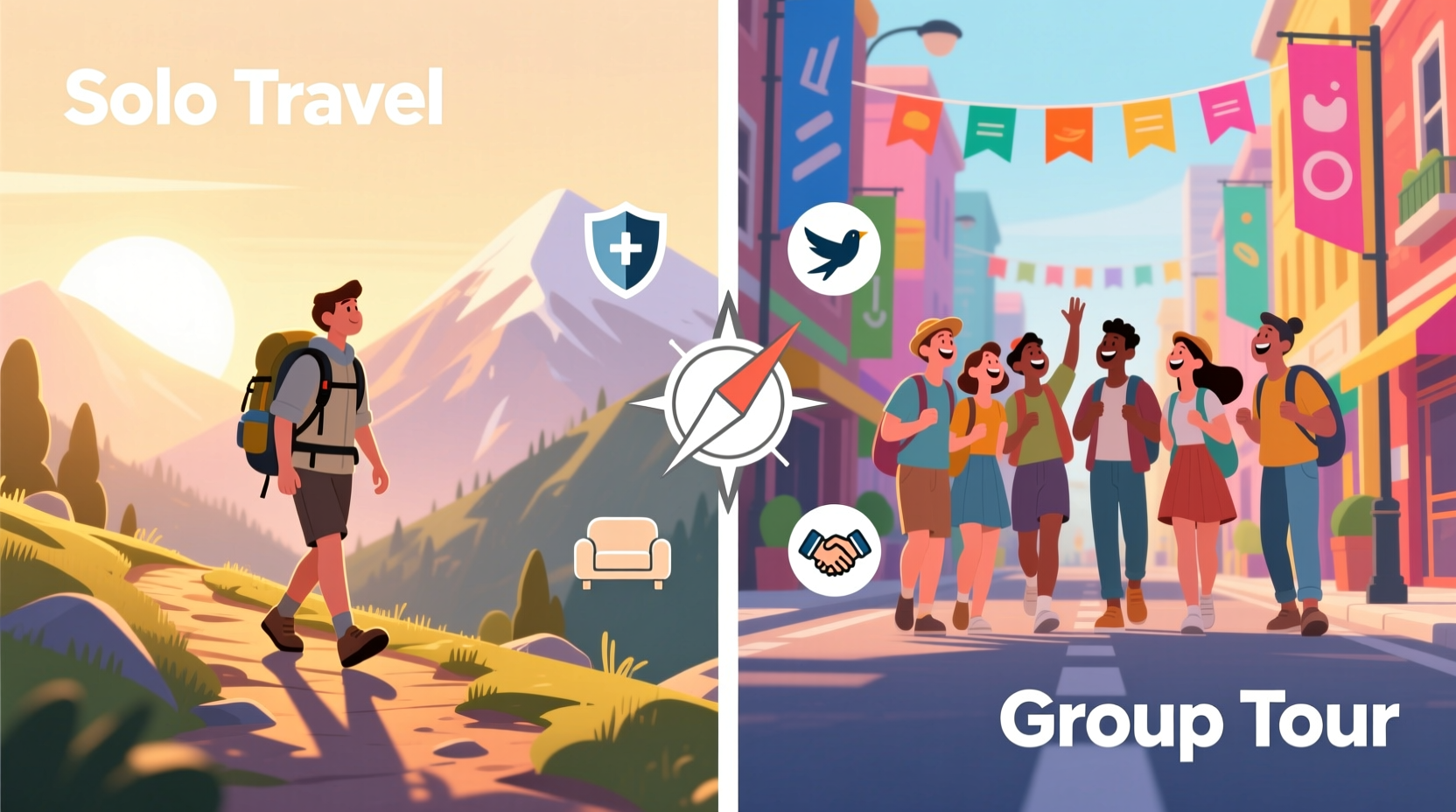
Solo travel is often romanticized as the ultimate act of independence. There’s undeniable appeal in waking up without schedules, changing plans on a whim, or spending an entire afternoon at a quiet museum simply because it speaks to you. More than just itinerary control, solo travel fosters deep personal development. Without the buffer of companions, travelers are forced to engage directly with new environments—navigating language barriers, making decisions under pressure, and forming spontaneous connections.
Psychologically, this kind of immersion builds confidence. A 2022 study by the Journal of Travel Research found that 78% of solo travelers reported increased self-efficacy after returning home. Many describe solo trips as transformative, citing moments like striking up a conversation with a local artisan in Oaxaca or navigating Tokyo’s subway system unassisted as pivotal experiences.
Tip: Start small—take a solo day trip to a nearby town before committing to an international journey. It builds confidence and helps you identify what support systems you need.Yet, the myth persists that solo travel is inherently riskier. In reality, safety depends less on whether you're alone and more on preparation, awareness, and destination choice. Countries like Japan, New Zealand, and Slovenia consistently rank among the safest for solo travelers due to low crime rates, reliable infrastructure, and welcoming cultures.
Group Tours: Structure, Security, and Shared Experiences
For many, group tours represent a stress-free gateway to global exploration. With transportation, accommodations, and guided activities pre-arranged, the logistical burden lifts significantly. This model appeals especially to first-time international travelers, older adults, or those visiting regions with complex entry requirements or limited English signage.
Beyond convenience, group tours provide built-in social dynamics. Travelers often form lasting friendships, particularly on adventure-focused or cultural immersion trips. Companies like G Adventures and Intrepid Travel specialize in small-group experiences (typically 6–12 people) designed to foster connection while maintaining authenticity.
“Group travel doesn’t mean sacrificing depth. When curated well, shared journeys amplify learning through collective curiosity.” — Lena Patel, Cultural Tourism Specialist
However, group tours come with trade-offs. Fixed itineraries limit spontaneity. You may spend hours waiting for others or miss out on hidden gems because they’re not on the schedule. Additionally, personality clashes within groups can sour the experience—something one traveler described as “being trapped on a bus with strangers who snore and complain about the food.”
Comparing Key Factors: A Practical Breakdown
To make an informed decision, consider how each travel style performs across essential categories. The table below summarizes critical differences between solo travel and group tours.
| Factor | Solo Travel | Group Tours |
|---|---|---|
| Cost | Variable; potential savings on accommodation (hostels), but no group discounts. Higher per-person transport costs. | Often higher upfront cost, but inclusive pricing covers most expenses. Bulk booking advantages. |
| Safety | Depends on preparation. Requires vigilance, research, and communication plans. | Generally perceived as safer due to guides, structured routines, and peer presence. |
| Flexibility | Maximum freedom to change destinations, pace, and activities. | Rigid schedules; deviations require negotiation or additional fees. |
| Social Interaction | Opportunities depend on initiative. Can be deeply authentic or isolating if not proactive. | Natural camaraderie, but interactions may feel superficial or obligatory. |
| Stress Level | Higher cognitive load managing logistics, language, and navigation alone. | Lower mental effort; responsibilities shared with guide and group. |
| Cultural Access | Greater chance for organic, local interactions (e.g., dining with families, joining festivals). | Limited to curated experiences unless off-schedule exploration is encouraged. |
This comparison shows that neither option is universally superior. The best choice hinges on individual temperament, travel goals, and context.
Real Example: Two Journeys, One Destination
Consider Sarah and James, both visiting Morocco. Sarah, a 34-year-old graphic designer, opted for a solo backpacking trip through Chefchaouen, Fes, and Marrakech. She stayed in family-run guesthouses, learned basic Arabic phrases, and joined a cooking class after striking up a conversation at a market. Her days were unpredictable—sometimes delayed by missed buses, other times enriched by unplanned invitations to tea with locals.
James, a 52-year-old teacher traveling for the first time outside Europe, chose a 10-day escorted tour. His group visited the same cities, with expert guides explaining history and culture. He appreciated having meals arranged and never worrying about getting lost. However, he admitted missing deeper interaction: “I saw everything on the list, but I didn’t really *feel* Morocco until I wandered the souk alone during free time.”
Their stories highlight a crucial insight: solo travel excels in authenticity and adaptability, while group tours deliver security and educational value. Each fulfilled different needs.
How to Decide: A Step-by-Step Guide
Making the right choice starts with honest self-assessment. Follow this five-step process to determine your optimal travel style.
- Evaluate Your Comfort Zone: Are you comfortable navigating unfamiliar places alone? Do you initiate conversations easily? If uncertainty dominates, a group tour might ease you into independent travel.
- Define Your Goals: Are you seeking relaxation, adventure, cultural immersion, or photography opportunities? Solo travel suits introspective or niche interests; group tours work better for broad overviews or activity-based trips (e.g., hiking, cycling).
- Assess Risk Tolerance: Consider health conditions, language skills, and past travel experience. High-risk destinations (e.g., remote regions, politically unstable areas) may warrant group support.
- Analyze Budget Realities: Solo travelers pay all costs individually but save on double occupancy markups. Group tours bundle expenses but may include unnecessary extras. Calculate total projected costs for both options.
- Test the Waters: Try a hybrid approach. Book a group tour with free days, or begin with a short solo city break before a longer expedition.
Frequently Asked Questions
Is solo travel safe for women?
Yes, with proper precautions. Millions of women travel solo every year safely. Key strategies include researching gender norms in advance, avoiding isolated areas at night, sharing live location with trusted contacts, and trusting intuition. Organizations like Women Who Travel by Condé Nast offer community support and destination-specific advice.
Do group tours feel “inauthentic”?
Some do, especially large coach tours focused on photo stops and souvenir shops. However, reputable operators now emphasize sustainable, community-based tourism. Look for certifications like GSTC (Global Sustainable Tourism Council) or B Corp status to ensure ethical practices.
Can I switch from group to solo mid-trip?
Absolutely. Many travelers start with a group tour for orientation, then peel off to explore independently. Others begin solo and join short-term group excursions (e.g., a safari or trek) when logistics become complex. Flexibility is possible with careful planning.
Action Plan: Preparing for Either Path
No matter your choice, preparation determines success. Use this checklist to cover essentials:
- ✔️ Research local customs, laws, and emergency numbers
- ✔️ Purchase comprehensive travel insurance (includes medical, theft, trip interruption)
- ✔️ Share your itinerary with at least two people back home
- ✔️ Download offline maps and translation apps
- ✔️ Carry copies of important documents (passport, visa, insurance)
- ✔️ Pack light and prioritize versatility
- ✔️ Set up digital backups of photos and files
- ✔️ Learn basic phrases in the local language
- ✔️ Identify safe accommodations with good reviews from solo travelers
- ✔️ Establish a daily check-in routine with someone you trust
For solo travelers, consider carrying a personal safety alarm or using GPS tracker devices like Tile or Apple AirTag. For group participants, review cancellation policies and understand what’s included—some companies charge extra for optional activities or porter services.
Conclusion: Embrace the Journey That Suits You
The question isn’t whether solo travel is safer or more enjoyable than group tours—it’s whether a particular style aligns with who you are and what you seek. Solo travel rewards courage, curiosity, and adaptability. It invites vulnerability and delivers profound personal rewards. Group tours offer reassurance, education, and companionship, ideal for those prioritizing ease and shared memories.
Safety is achievable in both formats through preparation, awareness, and smart choices. Enjoyment comes not from the number of people around you, but from alignment with your values and intentions. Whether you walk ancient trails alone at dawn or laugh with new friends atop a mountain pass, the true measure of a great trip lies in its impact on your perspective.
💬 Ready to plan your next adventure? Reflect on your last trip—what worked, what didn’t—and choose a style that amplifies your strengths. Share your thoughts or questions below; let’s build a community of thoughtful, empowered travelers.