Different Types of Skeleton Designs
Skeleton designs have evolved significantly in recent years, becoming a popular choice in packaging, fashion, interior decor, and artistic applications. These intricate structural patterns provide both aesthetic appeal and functional framework, often mimicking natural or architectural forms. The design type chosen can dramatically influence the mood, style, and visual impact of a product or space.
Below is a comprehensive overview of the most widely used skeleton design types, including their characteristics, visual effects, and ideal applications.
Geometric Skeleton Designs
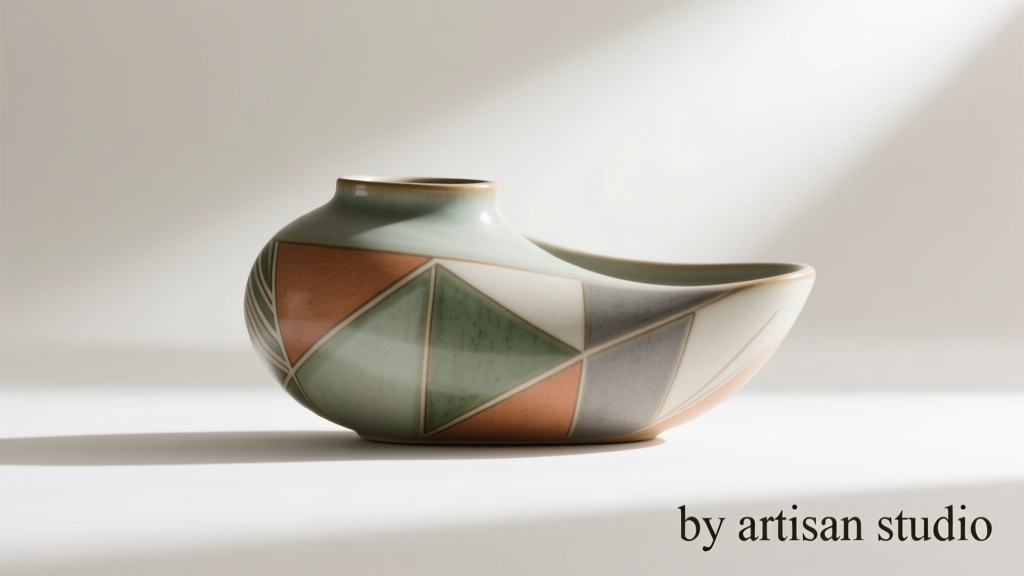
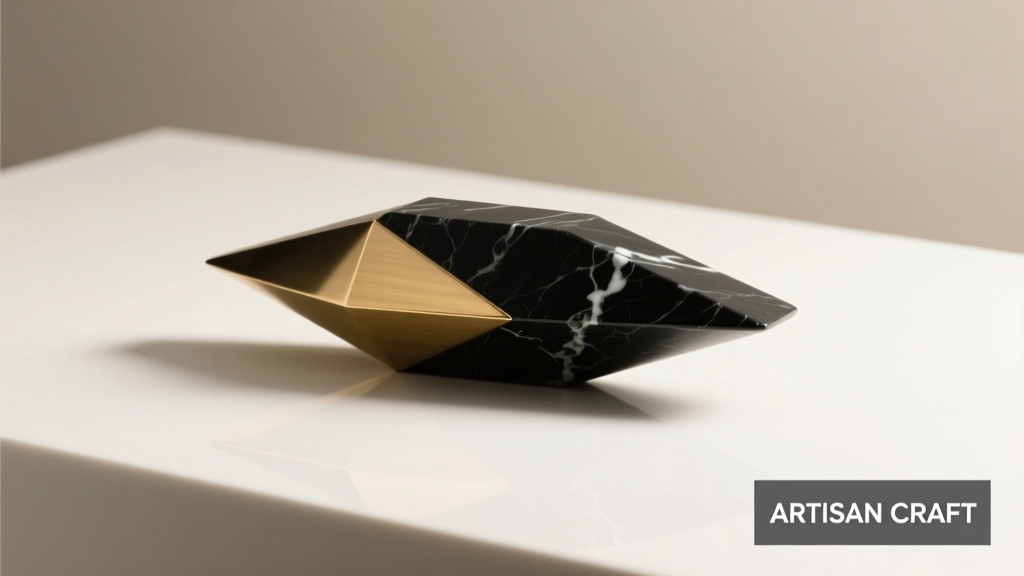
Characterized by precise, symmetrical arrangements of clean shapes such as diamonds, triangles, circles, and straight lines, geometric designs offer a modern and structured aesthetic.
Advantages
- Creates a sense of order and balance
- Ideal for minimalist and contemporary styles
- Easy to scale and repeat in patterns
- Enhances visual clarity and professionalism
Limitations
- Can appear rigid or cold if overused
- Limited emotional or organic expression
- May lack visual depth without color or texture
Best for: Modern packaging, tech products, corporate branding, and architectural visuals
Complex Skeleton Designs
These designs feature layered, interwoven shapes and often incorporate ornamental elements like vines, floral motifs, or abstract flourishes within the skeletal structure.
Advantages
- Rich in visual detail and depth
- Creates a luxurious, intricate appearance
- Excellent for storytelling or thematic designs
- Stands out in textiles, wallpapers, and high-end packaging
Limitations
- Can overwhelm simpler compositions
- More challenging to reproduce at small scales
- Risk of appearing cluttered if not well-balanced
Best for: Luxury fashion, decorative arts, premium packaging, and statement interiors
Nature-Inspired Skeleton Designs
Drawn from organic forms such as tree branches, leaves, animal skeletons, or flowing water, these designs blend natural harmony with structural elegance.
Advantages
- Evokes calmness, growth, and connection to nature
- Softens geometric rigidity with flowing lines
- Highly versatile across eco-friendly and wellness brands
- Appeals to biophilic design principles
Limitations
- May require more detailed craftsmanship
- Less suitable for ultra-modern or industrial themes
- Can be harder to standardize across products
Best for: Eco-conscious brands, wellness products, botanical packaging, and calming interior spaces
Radial Skeleton Designs
Centered around a single focal point, radial designs expand outward in a circular, starburst, or mandala-like pattern, creating a hypnotic and balanced visual rhythm.
Advantages
- Draws attention to the center naturally
- Creates a meditative, harmonious effect
- Excellent for symmetry and spiritual themes
- Works beautifully with soft gradients and pastels
Limitations
- Limited flexibility in asymmetric layouts
- Can dominate a design if not carefully proportioned
- Less effective for directional or narrative flow
Best for: Home decor, ceremonial packaging, mindfulness products, and artistic prints
Asymmetrical Skeleton Designs
These designs intentionally break symmetry, using irregular shapes, varied spacing, and dynamic compositions to create movement and visual energy.
Advantages
- Feels dynamic, modern, and expressive
- Encourages creative exploration and uniqueness
- Ideal for avant-garde or artistic branding
- Adds excitement and unpredictability to visuals
Limitations
- Harder to balance visually without experienced design input
- May confuse viewers if too chaotic
- Less suitable for formal or conservative contexts
Best for: Art installations, fashion runways, experimental branding, and youth-oriented products
| Design Type | Visual Style | Emotional Impact | Complexity | Recommended Use |
|---|---|---|---|---|
| Geometric | Structured, clean, symmetrical | Orderly, modern, professional | Low to Medium | Minimalist branding, tech, packaging |
| Complex | Intricate, layered, ornate | Luxurious, dramatic, detailed | High | Premium fashion, decor, luxury goods |
| Nature-Inspired | Organic, flowing, balanced | Calm, refreshing, harmonious | Medium | Eco-brands, wellness, interiors |
| Radial | Center-focused, circular, rhythmic | Soothing, balanced, meditative | Medium | Art, spirituality, home textiles |
| Asymmetrical | Dynamic, irregular, expressive | Energetic, creative, bold | Medium to High | Artistic projects, fashion, avant-garde |
Design Tip: When selecting a skeleton design, consider both the functional context and emotional message you want to convey. Pairing geometric or radial patterns with metallic finishes can elevate luxury perception, while nature-inspired designs benefit from earthy tones and matte textures to enhance authenticity.
What Makes Skeleton Designs Attractive: Symbolism, Culture, and Artistic Appeal
Skeleton designs have long captivated artists, designers, and audiences across the world. Far from being limited to Halloween costumes or horror imagery, skeletal motifs appear in fashion, tattoos, home décor, stationery, and cultural art—with enduring popularity. Their widespread appeal stems from a rich blend of symbolic depth, cultural significance, artistic flexibility, and emotional resonance. Below, we explore the key factors that make skeleton designs not only visually striking but also deeply meaningful and universally engaging.
Symbolic Significance: Life, Death, and Transformation
At the heart of skeleton imagery lies a powerful symbol: the human condition. Skeletons serve as memento mori—reminders of life’s impermanence—yet they are often portrayed not with fear, but with vitality and celebration. This duality makes them profoundly compelling.
In many artistic traditions, skeletons represent transformation rather than mere death. They embody the idea that life continues beyond the physical form, encouraging reflection on legacy, memory, and renewal. This philosophical depth gives skeleton art a timeless quality, resonating across generations and belief systems.
Cultural Diversity: Global Interpretations of the Skeleton
Skeletons are not universally viewed as morbid. In fact, many cultures embrace them as symbols of joy, remembrance, and spiritual continuity.
For example, in Mexican tradition, calaveras (skeletons) are central to Día de los Muertos (Day of the Dead), where they are depicted in colorful, festive attire, dancing and celebrating with loved ones. These joyful representations honor the deceased with love and humor, transforming grief into a vibrant cultural expression.
Similarly, in Japanese folklore and art, skeletons appear in festivals and Noh theater as spirits or ancestral figures, often conveying themes of karma and rebirth. These diverse cultural narratives enrich the skeleton motif, making it a bridge between tradition and modern creativity.
Artistic Versatility: From Minimalist to Elaborate
One of the greatest strengths of skeleton designs is their adaptability. Artists and designers can render skeletons in countless styles—ranging from stark, minimalist line drawings to intricate, ornate illustrations.
They appear on clothing, accessories, tattoos, murals, greeting cards, and even fine art. Whether rendered in black ink, neon colors, or gold leaf, skeleton imagery can be tailored to suit gothic, punk, romantic, or playful aesthetics. This chameleon-like quality allows them to fit seamlessly into various fashion trends and personal expressions.
Innovative Flair: Standing Out with Bold Imagery
Skeleton designs naturally command attention. Their unconventional nature sets them apart from more traditional or safe motifs, making them ideal for those who want to express individuality or a rebellious spirit.
Worn during Halloween, music festivals, or as part of alternative fashion, skeletal art challenges norms and invites curiosity. Designers often use skeletons to subvert expectations—placing them in unexpected contexts, like sipping tea or playing instruments—adding layers of irony and creativity that appeal to nonconformists and art enthusiasts alike.
Fun and Whimsy: Humor and Playfulness in Design
Not all skeleton art is dark or serious. Many modern interpretations embrace humor, cartoonish exaggeration, and lightheartedness. Think of smiling skeletons in bowties, dancing calaveras, or funny phrases like “I’m dying to meet you!”
This playful side makes skeleton designs accessible and enjoyable for all ages. Children’s books, party decorations, and novelty items often use cute or funny skeletons to celebrate Halloween without inducing fear. This balance of spookiness and cheer broadens their appeal across demographics and occasions.
Emotional Resonance: Connecting Through Universal Themes
Beyond aesthetics, skeleton designs tap into universal human experiences—mortality, memory, celebration of life, and the passage of time. This emotional depth allows people to form personal connections with the imagery.
For some, a skeleton tattoo may commemorate a lost loved one. For others, it may symbolize personal transformation or survival. This ability to carry personal meaning while remaining visually bold makes skeleton art uniquely powerful in self-expression.
| Design Aspect | Emotional/Cultural Impact | Common Applications |
|---|---|---|
| Symbolic (Life & Death) | Philosophical, reflective, spiritual | Tattoos, memorial art, literature |
| Cultural (e.g., Día de los Muertos) | Celebratory, honoring ancestors | Festivals, murals, crafts |
| Artistic (Minimalist to Ornate) | Stylish, expressive, versatile | Fashion, branding, home décor |
| Humorous/Whimsical | Playful, lighthearted, fun | Children’s products, party supplies, comics |
| Edgy/Alternative | Rebellious, bold, unique | Punk fashion, music, accessories |
Why Skeleton Designs Endure: A Summary
Note: While skeleton designs are often associated with Halloween, their significance extends far beyond seasonal trends. Understanding their cultural and symbolic roots enhances appreciation and ensures respectful representation, especially when drawing from traditions like Día de los Muertos. When used thoughtfully, skeleton art becomes not just visually striking, but emotionally and culturally resonant.
How to Choose Skeleton Design Printings
Selecting the right skeleton design printings involves more than just picking an image—it requires thoughtful consideration of purpose, style, quality, and production methods. Whether for personal enjoyment, gifting, promotional use, or seasonal decor, the right choice enhances visual impact and longevity. This guide breaks down the essential factors to help you make informed decisions that align with your aesthetic goals and practical needs.
Purpose and Usage
The intended use of a skeleton design printing is the foundation of your selection process. Understanding where and how the print will be used directly influences size, resolution, and format.
- Wall Art: Opt for high-resolution, large-format prints on premium paper or canvas to ensure clarity and visual impact in home or office spaces.
- Apparel: Choose scalable vector-based designs that adapt well to different garment sizes and printing techniques like screen or DTG (Direct-to-Garment).
- Promotional Items: Select bold, recognizable designs suitable for tote bags, mugs, or stickers—ideal for branding or event giveaways.
- Holiday & Seasonal Use: Halloween-themed skeleton prints benefit from vibrant colors and thematic elements like pumpkins or gothic fonts.
Key consideration: Always match the print specifications to its end-use environment for maximum effectiveness.
Design Selection
The style of the skeleton artwork should reflect the intended mood, audience, and cultural context. With a wide range of artistic interpretations available, you can find a design that resonates emotionally and visually.
- Realistic Anatomical Style: Ideal for educational displays, medical offices, or art lovers who appreciate scientific accuracy and fine detail.
- Cartoon & Whimsical: Perfect for children’s rooms, fun apparel, or lighthearted merchandise—adds a playful or cute element.
- Dia de los Muertos (Day of the Dead): Rich in symbolism and color, these culturally significant designs feature floral patterns, vibrant makeup, and traditional motifs—excellent for cultural celebrations and artistic expression.
- Gothic & Horror Themes: Suited for Halloween decor, horror fans, or alternative fashion with dark, dramatic aesthetics.
Pro tip: Align the design style with the recipient’s personality or brand identity for greater emotional or marketing impact.
Color and Detail
Color choice and level of detail significantly affect the visual appeal and reproduction quality of skeleton prints. These elements must be balanced with the printing method and material.
- Monochrome (Black & White): Classic and timeless, ideal for minimalist decor, vintage aesthetics, or high-contrast graphic designs.
- Full Color: Brings vibrancy and depth, especially effective for cultural art like sugar skull designs or fantasy-themed illustrations.
- Intricate Details: Designs with fine linework, shading, or textures require high DPI (dots per inch) printing to preserve clarity and prevent blurring.
- Background Integration: Consider how the design interacts with its surroundings—solid backgrounds enhance focus, while transparent or patterned ones add context.
Critical factor: More complex designs demand higher-quality output methods to maintain fidelity and avoid pixelation.
Material and Quality
The durability and appearance of a skeleton print depend heavily on the material used. Choosing the right substrate ensures longevity and aesthetic consistency.
- For Apparel: Use soft, breathable fabrics like cotton or polyester blends with sublimation or heat-transfer printing to prevent cracking and fading.
- For Wall Art: Archival-quality paper, canvas, or metal prints resist yellowing and UV damage—ideal for long-term display.
- Outdoor or High-Traffic Use: Laminated vinyl, weather-resistant polyester, or coated canvas withstand sunlight, moisture, and wear.
- Eco-Friendly Options: Recycled paper, organic cotton, or water-based inks appeal to environmentally conscious buyers.
Quality note: Premium materials enhance perceived value and protect your investment in design and printing.
Printing Technique
The printing method you choose affects color accuracy, durability, and scalability. Each technique has strengths depending on volume, design complexity, and material.
- Screen Printing: Best for large batches on textiles; delivers bold, saturated colors and excellent durability—ideal for t-shirts and posters.
- Digital Printing: Offers high-resolution output with rich color gradients and fine detail; perfect for small runs, custom orders, or photographic designs.
- Lithography (Offset Printing): Used for high-volume commercial printing with consistent color and sharp lines—great for postcards or promotional materials.
- DTG (Direct-to-Garment): Allows full-color, detailed designs on fabric without screens—ideal for intricate skeleton artwork on clothing.
- Sublimation: Infuses ink into synthetic materials, creating durable, all-over prints for items like hoodies or phone cases.
Smart choice: Match the printing technique to both design complexity and production scale for optimal results.
Licensing and Originality
Ensure the skeleton design is legally usable, especially for commercial applications. Unauthorized use of copyrighted or trademarked artwork can lead to legal issues.
- Public Domain or Creative Commons: Freely usable designs—verify license terms before printing.
- Original Artwork: Commissioning or creating custom designs ensures uniqueness and full ownership rights.
- Commercial Licenses: Purchase proper usage rights for branded or artist-created designs used in resale or marketing.
- Trademark Awareness: Avoid designs that mimic protected characters (e.g., branded skeletons or logos).
Legal tip: Always verify usage rights—when in doubt, consult the artist or licensing platform.
Professional Recommendation: For the best balance of quality and versatility, start with high-resolution vector files (SVG, AI, EPS) of original or licensed skeleton designs. Pair them with durable materials and appropriate printing techniques based on the application. When creating merchandise, invest in professional-grade output to build brand credibility and customer satisfaction. For personal use, prioritize aesthetic alignment and emotional resonance with the design.
| Use Case | Recommended Design Style | Best Material | Printing Method |
|---|---|---|---|
| Halloween Wall Decor | Gothic or Dia de los Muertos | Matte Canvas or Cardstock | Digital or Offset Printing |
| Custom T-Shirts | Cartoon or Stylized Skeleton | 100% Cotton or Poly Blend | Screen Printing or DTG |
| Educational Poster | Anatomical Realism | Archival Paper or Laminated Board | Digital or Lithography |
| Promotional Stickers | Minimalist or Fun Illustration | Weather-Resistant Vinyl | Digital Die-Cut Printing |
Additional Considerations
- Resolution Requirements: Use 300 DPI or higher for print to avoid pixelation; vector formats are scalable without quality loss.
- Color Profiles: Design in CMYK for print accuracy, not RGB, to prevent color shifts during production.
- Finishing Options: Consider matte/gloss finishes, lamination, or framing to enhance durability and presentation.
- Target Audience: Tailor the design tone—spooky, educational, humorous, or artistic—to the viewer’s expectations.
- Sustainability: Eco-conscious consumers appreciate biodegradable materials and non-toxic inks.
Uses of Skeleton Design Printings
Skeleton design printings have evolved from simple spooky motifs into versatile visual elements used across multiple industries. Far beyond their traditional association with Halloween, these designs blend artistry, education, and marketing into a unique aesthetic that appeals to diverse audiences. From home interiors to fashion runways, educational tools to promotional campaigns, skeleton prints offer a creative way to convey personality, humor, and even scientific understanding. This guide explores the key applications of skeleton design printings, highlighting how they enhance visual appeal and functionality in everyday contexts.
Cultural Note: While skeleton imagery is often linked to Halloween in Western cultures, it also carries symbolic meaning in traditions like Mexico’s Día de los Muertos (Day of the Dead), where skeletal figures represent celebration, remembrance, and the cycle of life. This cultural richness enhances the depth and versatility of skeleton design usage.
Key Applications of Skeleton Design Printings
- Home Decor
Skeleton design printings are a popular choice for seasonal and year-round home decoration, especially during the Halloween season. Whether featured on throw pillows, curtains, wall art, bedding, or tableware, these prints add a distinctive blend of eerie charm and sophisticated style. Modern interpretations often use whimsical colors, metallic accents, or minimalist line art to create a balance between spooky and elegant.
These designs allow homeowners to express creativity and personality while enhancing interior diversity. For instance, a black-and-gold skeleton mural can serve as a dramatic focal point in a modern living room, while subtle bone-patterned wallpaper adds texture and intrigue to a hallway or study. Their adaptability makes them ideal for themed rooms, seasonal makeovers, or eclectic design schemes.
- Fashion Items
In the fashion world, skeleton prints have surged in popularity, appearing on everything from casual streetwear to high-end accessories. T-shirts, hoodies, dresses, socks, and even swimwear frequently feature skeletal motifs, often stylized with artistic flair—glow-in-the-dark inks, anatomical accuracy, or surreal compositions.
These designs enable wearers to make bold fashion statements that reflect individuality, edgy aesthetics, or a sense of dark humor. Jewelry and scarves incorporating laser-cut or printed skeleton patterns offer subtler ways to embrace the trend. Fashion brands leverage these prints during Halloween collections, but many now integrate them into year-round lines, appealing to subcultures like goth, punk, and alternative fashion enthusiasts.
- Holiday Decorations
Skeleton design printings are a cornerstone of Halloween-themed decor, used extensively in both residential and commercial settings. They appear on banners, yard signs, party invitations, cupcake wrappers, napkins, and balloons, making it easy to coordinate a cohesive and festive atmosphere.
For children, colorful and cartoonish skeleton prints help demystify the concept of skeletons, turning fear into fun through playful characters like dancing or smiling skeletons. For adults, more refined or vintage-style prints—such as sepia-toned anatomical sketches or gothic lettering with skeletal borders—create a sophisticatedly spooky ambiance for parties and haunted house events. These prints are also widely used in seasonal retail displays to attract customer attention.
- Educational Materials
Beyond aesthetics, skeleton design printings serve a valuable role in education. In classrooms and at home, illustrated skeletal diagrams are used to teach children about human and animal anatomy in an engaging, visually stimulating way. Unlike textbook diagrams, creatively printed materials—such as puzzle posters, coloring sheets, or interactive flashcards—turn learning into an enjoyable activity.
Teachers use skeleton-themed wall charts to explain bone structure, joint movement, and body systems. Games like "bone matching" or "skeleton assembly" puzzles reinforce memory and understanding. These tools are especially effective in early education, where visual learning aids significantly improve retention. Additionally, science museums and educational apps often incorporate stylized skeleton graphics to make biology more accessible and entertaining.
- Promotional and Marketing Materials
Businesses leverage skeleton design printings in seasonal marketing campaigns, particularly around Halloween, to create eye-catching and memorable promotional content. Print media such as flyers, posters, banners, and social media graphics use bold, playful skeleton motifs to grab attention and convey a fun brand personality.
Retailers, haunted attractions, and event organizers use these designs to promote sales, parties, or themed experiences. For example, a coffee shop might release a "Spooky Brew" flyer featuring a skeleton barista, while a clothing brand could launch a limited-edition skeleton-print collection with matching ads. The humor and novelty of these designs increase shareability and customer engagement, especially on digital platforms.
Even non-seasonal brands use skeleton prints in creative rebranding efforts to stand out in competitive markets. When used strategically, this design element communicates creativity, confidence, and a willingness to embrace unconventional themes.
| Application Area | Common Uses | Target Audience | Design Trends |
|---|---|---|---|
| Home Decor | Wall art, cushions, bedding, tableware | Homeowners, interior designers, holiday decorators | Minimalist line art, metallic finishes, vintage illustrations |
| Fashion | T-shirts, hoodies, accessories, jewelry | Youth, fashion enthusiasts, alternative subcultures | Glow-in-the-dark prints, anatomical accuracy, surreal art |
| Holiday Decor | Invitations, party supplies, outdoor signage | Families, event planners, retailers | Cartoonish skeletons, colorful themes, 3D effects |
| Education | Posters, puzzles, flashcards, worksheets | Students, teachers, parents, educators | Interactive layouts, labeled diagrams, gamified visuals |
| Marketing | Flyers, social media ads, product packaging | Consumers, event attendees, online audiences | Humorous slogans, brand integration, limited editions |
Pro Tip: When using skeleton design printings for commercial or educational purposes, consider licensing high-quality, original artwork to avoid copyright issues. Custom designs also help establish brand uniqueness and ensure alignment with your target audience’s preferences.
Emerging Trends and Future Outlook
- Augmented reality (AR)-enabled skeleton prints are being used in educational apps and interactive decor, allowing users to explore 3D models through smartphones.
- Sustainable fashion brands are incorporating skeleton prints on eco-friendly fabrics, merging edgy design with environmental consciousness.
- Interior designers are using skeleton motifs in unexpected spaces—like offices or spas—to create conversation-starting focal points with a touch of mystery.
- Personalized skeleton art (e.g., custom portraits in skeletal form) is gaining popularity as a unique gift or keepsake item.
- Digital marketplaces and print-on-demand services make it easier than ever for artists and entrepreneurs to distribute skeleton-themed products globally.
Skeleton design printings continue to transcend their traditional boundaries, proving to be a dynamic and adaptable visual language. Whether used to educate, entertain, decorate, or promote, these designs combine artistic expression with functional purpose. As design technology advances and cultural attitudes evolve, the creative potential of skeleton motifs will only expand, ensuring their relevance across generations and industries.
Frequently Asked Questions About Skeleton Patterns and Designs
Q1: What is a skeleton pattern?A skeleton pattern is a visual design composed of simple, often geometric shapes that stylize or abstractly represent the structure of a skeleton or bones. Unlike realistic anatomical illustrations, skeleton patterns emphasize form, symmetry, and minimalism, creating a symbolic rather than clinical depiction of skeletal structures.
These designs are widely recognized for their bold and distinctive appearance, making them popular across various creative industries. Common applications include:
- Fashion: Used in clothing prints, accessories, and footwear for edgy or thematic styles.
- Tattoos: A favorite among body art enthusiasts for their symbolic depth and striking visuals.
- Art & Illustration: Employed in graphic design, posters, and digital art for dramatic or conceptual impact.
- Home Decor: Featured on wall art, bedding, lamps, and Halloween-themed interiors.
- Seasonal Products: Especially prominent during Halloween, where they evoke mystery, fun, and tradition.
The term "skeleton design" is often used colloquially to describe any motif that captures the essence of bones in a simplified or artistic way—ranging from spooky to whimsical tones depending on context and execution.
Q2: What are the benefits of skeleton designs?Skeleton designs offer both aesthetic and symbolic advantages across multiple domains. Their versatility allows them to transcend cultural, educational, and artistic boundaries. Key benefits include:
- Educational & Medical Clarity: In science and healthcare, simplified skeleton visuals help illustrate human or animal anatomy clearly, aiding students and professionals in understanding bone structure and biomechanics.
- Artistic Expression: Artists use skeleton motifs to convey themes like mortality, resilience, identity, and transformation. Their striking silhouette and symmetry make them powerful tools in visual storytelling.
- Cultural Symbolism: In traditions like Mexico’s Día de los Muertos (Day of the Dead), skeleton figures—such as calaveras—are vibrant, joyful representations of loved ones who have passed, celebrating life rather than mourning death.
- Versatile Application: From T-shirts and phone cases to murals and holiday decorations, skeleton patterns adapt easily to diverse products and media, making them commercially valuable and widely accessible.
- Humor and Playfulness: Modern interpretations often depict skeletons in cartoonish, dancing, or humorous poses—making them appealing for children’s items, novelty gifts, and lighthearted branding.
- Philosophical Depth: Many designs use the skeleton as a memento mori—a reminder of life's impermanence—encouraging reflection on existence, legacy, and living fully in the present.
By blending visual impact with layered meaning, skeleton designs resonate across age groups and cultures, serving both decorative and introspective purposes.
Q3: What are geometric skeleton designs?Geometric skeleton designs are a modern, stylized interpretation of skeletal forms using precise geometric shapes such as circles, triangles, rectangles, lines, and polygons. Rather than aiming for anatomical accuracy, these designs focus on symmetry, balance, and minimalist aesthetics to create an abstract yet recognizable representation of a skeleton.
Key characteristics include:
- Abstraction: Bones are reduced to clean lines and shapes, emphasizing structure over realism.
- Symmetry: Often radially or bilaterally symmetrical, enhancing visual harmony and appeal.
- Minimalism: Stripped-down forms make these designs ideal for modern art, tattoos, logos, and fashion graphics.
- Digital-Friendly: Their vector-based nature makes them easy to scale and reproduce in digital formats without loss of quality.
These designs are particularly popular in:
- Contemporary Art: Exhibited in galleries and digital platforms for their conceptual and aesthetic value.
- Fashion & Apparel: Found on streetwear, jewelry, and tech accessories for a sleek, edgy look.
- Tattoo Art: Chosen for their precision and timelessness, often combined with mandalas or sacred geometry themes.
- Branding & Logos: Used by companies wanting to project strength, transparency, or innovation.
Geometric skeleton art transforms a traditionally morbid symbol into a celebration of form, structure, and design intelligence—proving that even the framework of life can be reimagined with beauty and purpose.