Rick Steves has long been a trusted voice in European travel, known for his practical advice, cultural sensitivity, and advocacy for independent exploration. His guided tours—offered through Rick Steves’ Europe—have gained a loyal following among American travelers who want more than just sightseeing. But with prices often exceeding $3,000 for a two-week trip, many wonder: Are Rick Steves tours really worth the cost? The answer depends on what you value in a travel experience—authenticity, depth, convenience, and education. When you unpack what’s included and how the tours operate, the pricing starts to make sense.
What You’re Paying For: Beyond the Price Tag
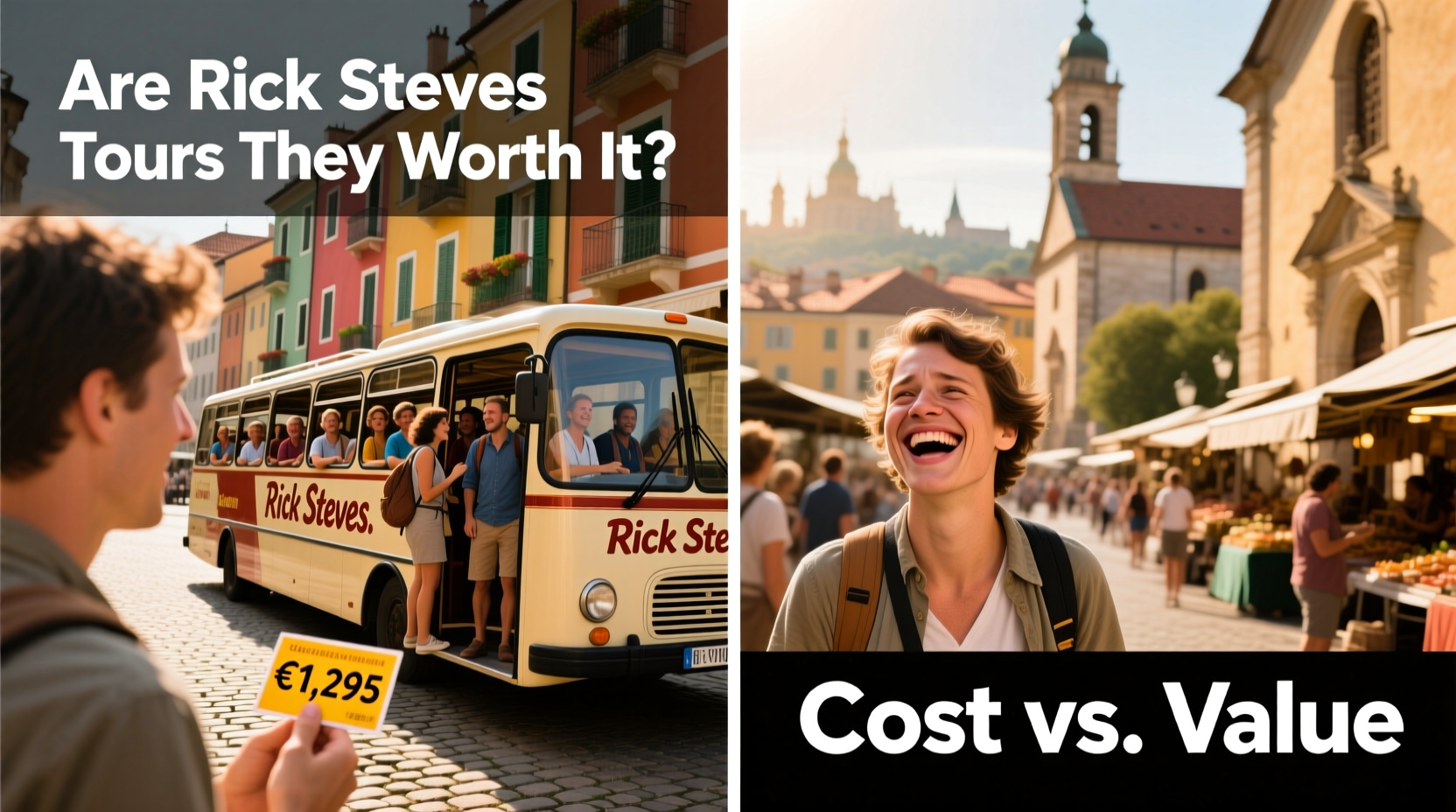
The cost of a Rick Steves tour typically ranges from $2,500 to $4,000, depending on destination, duration, and season. While this may seem steep compared to DIY backpacking or budget group tours, the price reflects a comprehensive package designed to eliminate stress and maximize cultural immersion.
Unlike many competitors, Rick Steves includes nearly everything in the base price:
- Accommodations in locally owned hotels (no chain properties)
- Most meals, including breakfasts and about half of dinners (often featuring regional cuisine)
- Entrance fees to major attractions (museums, ruins, historic sites)
- All transportation between cities—trains, ferries, private coaches
- Expert local guides at key destinations
- Tour leaders who are experienced, multilingual, and deeply knowledgeable
- No hidden costs or mandatory “optional excursions” that inflate the final bill
This all-inclusive model reduces financial surprises and saves time spent planning logistics. Travelers aren’t nickel-and-dimed for every museum ticket or transfer, which is common with other tour operators.
Tip: Compare total out-of-pocket costs when evaluating tour value—not just the upfront price.A Closer Look: Cost Comparison with Independent Travel
To assess whether Rick Steves tours are worth it, consider what it would cost—and require—to replicate the same experience independently.
| Expense | Rick Steves Tour (14-day example) | DIY Travel Estimate (Same Itinerary) |
|---|---|---|
| Accommodations (13 nights) | Included | $1,800–$2,500 (mid-range hotels) |
| Meals (approx. 70%) | Included | $800–$1,200 |
| Inter-city Transport | Included | $400–$600 (trains, ferries, buses) |
| Attraction Entry Fees | Included | $250–$400 |
| Tour Leader & Local Guides | Included | $0 (not replicable without hiring privately) |
| Total Estimated Cost | $3,500 (all-in-one payment) | $3,250–$4,700 + planning time/stress |
While DIY travel can sometimes be cheaper, it demands significant research, booking coordination, language navigation, and risk of missteps. Rick Steves tours offer peace of mind and curated access—especially valuable in countries where train schedules change frequently or restaurants don’t cater to English speakers.
Cultural Immersion vs. Tourist Traps
One of the most compelling reasons people choose Rick Steves tours is the emphasis on cultural authenticity. The itineraries avoid overcrowded tourist circuits in favor of smaller towns, family-run eateries, and community-based activities.
For example, a tour through Tuscany might include a home-cooked meal with a local family in Lucca, a walking tour led by a Florentine art historian, and free time to explore village markets rather than just visiting the Uffizi Gallery and moving on.
“Travel is about connecting with people, not checking off monuments.” — Rick Steves
This philosophy shapes every aspect of the tour design. Guides encourage interaction, explain social customs, and help travelers understand historical context—not just recite facts. The result is a deeper, more meaningful experience that many guests describe as transformative.
Real Example: Sarah’s First Trip to Europe
Sarah, a schoolteacher from Oregon, had always dreamed of visiting Europe but felt overwhelmed by planning. She chose a “Best of Eastern Europe” Rick Steves tour. At first, she hesitated at the price—$3,795 seemed high. But after returning, she realized what she’d gained.
She didn’t waste time navigating confusing transit systems in Budapest or Bucharest. She visited a Roma community center outside Sofia, where her tour leader arranged a dialogue with local educators. In Croatia, she stayed in a family-run guesthouse overlooking the Adriatic. These experiences weren’t just convenient—they were eye-opening.
“I could have saved money going solo,” she said, “but I wouldn’t have met the people I did or understood the history the way I do now. The tour paid for insight, not just transport.”
Who Benefits Most from Rick Steves Tours?
Rick Steves tours are not for everyone. They appeal most to travelers who:
- Value cultural learning over luxury amenities
- Prefer small groups (typically 24–28 people) with personalized attention
- Want to travel responsibly and support local economies
- Appreciate structure but still want free time to explore independently
- Are new to international travel or unfamiliar with European logistics
The pace is active—expect walking tours, early mornings, and packed days—but not rushed. There’s usually an hour or two of downtime each afternoon, and evenings are split between included group meals and free time.
Checklist: Is a Rick Steves Tour Right for You?
- ✅ I prefer small-group travel over large cruise-style tours
- ✅ I’m interested in history, culture, and local life—not just photo ops
- ✅ I don’t mind modest accommodations if they’re clean and centrally located
- ✅ I want someone else to handle bookings, tickets, and transportation
- ✅ I’m willing to pay more upfront to save time and reduce stress
If most of these resonate, a Rick Steves tour is likely a strong fit.
Frequently Asked Questions
Are there hidden costs on Rick Steves tours?
No. The only expenses not included are lunches, some dinners, alcoholic beverages, and personal spending. Optional activities are rare and never pressured. This transparency is one of the brand’s core promises.
How physically demanding are the tours?
Most tours involve several miles of walking per day, often on cobblestone streets and without elevators. Travelers should be able to carry their luggage up stairs and walk for 90 minutes at a time. Rick Steves offers a few “light” tours for those with mobility concerns, but the standard pace is moderately strenuous.
Can I customize my experience within the tour?
Yes. While the group itinerary provides structure, there’s built-in free time almost every day. Many travelers use this to visit a museum they’re passionate about, relax at a café, or take a spontaneous hike. The tour leaders support independent exploration and provide excellent recommendations.
Final Verdict: Are Rick Steves Tours Worth It?
The value of a Rick Steves tour isn’t measured solely in dollars—it’s found in confidence, connection, and clarity. For travelers who prioritize meaningful experiences over five-star resorts, the cost is justified by what’s delivered: expert guidance, seamless logistics, deep cultural access, and a community of like-minded explorers.
It’s not the cheapest way to see Europe. But for many, it’s the most enriching. The tours remove the friction of travel so you can focus on what matters—engaging with a new place, learning from its people, and returning home with more than just souvenirs.
“The goal of travel is not to see as much as possible, but to see as deeply as possible.” — Rick Steves
Take the Next Step
If you’ve been hesitant about the cost, reconsider what you’re investing in. You’re not buying a vacation—you’re investing in perspective. Whether it’s your first time abroad or your fiftieth, a Rick Steves tour offers a thoughtful, human-centered way to explore Europe.
💬 Have you taken a Rick Steves tour? Share your experience and help others decide if it’s right for them!